

Do you ever notice that your synthetic shirt might outlast your regular tee? Polyester (a man-made fabric) is tough, but if you don't care for it right, it can snag, pill, or even develop a weird odor. This guide offers easy tips to keep your polyester items looking their best. We cover everything from washing and drying to ironing and removing stains, all to help maintain the color, shape, and feel of your favorite pieces. Follow along to see how a few smart habits can make your gym clothes, curtains, and cozy throws last longer.
Essential Polyester Care Instructions for Lasting Quality
Polyester is a tough fabric that keeps its color and shape over time. It dries fast, fights wrinkles, and resists wear like pilling and mildew. Thanks to its moisture-wicking nature (it pulls sweat away from your skin), it works well in activewear, curtains, and comforters.
If you don't care for it right, polyester can snag, pill, or even shrink, and it might start to smell funny. High dryer heat or strong detergents can harm the fabric, so it pays to treat it gently. This advice works for everything from your workout gear to your cozy throws.
To keep your polyester items looking good, follow four key steps: washing, drying, ironing, and stain removal. Wash in warm or cool water using a normal cycle with a mild detergent. If you need extra care, toss the item in a mesh bag before washing. Dry by hanging it up or using a low-heat setting in the dryer so it keeps its shape.
When ironing, use a low setting (up to 110°C) and a pressing cloth to protect the fabric from melting. Lastly, tackle stains promptly, especially in areas that see a lot of sweat, to keep your polyester pieces in top shape.
Washing Care Instructions Polyester: Machine and Hand Methods

Polyester is tough enough for a regular machine wash and gentle enough for hand washing when you need extra care. Both methods help keep the fabric fast-drying, its colors bright, and its shape just right.
Machine Washing Polyester
When you wash polyester in the machine, choose a normal cycle with warm or cool water to protect the fabric. Use a mild detergent to clean well without breaking down the fibers. If the item has prints or delicate details, put it in a mesh laundry bag to limit rubbing and friction. Also, wash similar colors and fabrics together to prevent lint transfer and color bleeding.
Hand Washing Polyester
Hand washing is a good choice for polyester pieces that need a gentler touch. Fill a basin with lukewarm water and add a small amount of gentle detergent. Swirl the water lightly to clean, focusing on spots with stains, and avoid scrubbing hard. Rinse the item thoroughly in clean lukewarm water to remove any soap.
- Use warm or cool water; avoid high temperatures.
- Choose a mild detergent to protect the fibers.
- Wash similar colors and fabrics together.
- Place items in a mesh bag during machine wash for extra care.
- Hand wash in lukewarm water with a gentle soap for delicate items.
Drying Guidelines in Polyester Care Instructions
We recommend hanging your polyester clothes to help them keep their shape and stay strong. Air drying cuts down on heat exposure that might shrink or wear out the fabric. Sure, the dryer is fast, but using high-heat cycles can damage your clothes over time. If you use a dryer, stick with low-heat settings to protect your items. Remember, knit polyester does best when folded after drying, while woven pieces keep their shape when hung. This simple care step helps your garments look good and last longer.
Follow these tips:
- Use a small load size to ensure even drying.
- Choose a low-heat setting to avoid damaging the fibers.
- Keep the cycle short to limit heat exposure.
- Remove your items quickly to prevent wrinkles and static.
After drying, fold knit pieces and hang woven ones. This extra step preserves their form and extends the life of your polyester garments.
Ironing and Finishing Tips for Care Instructions Polyester
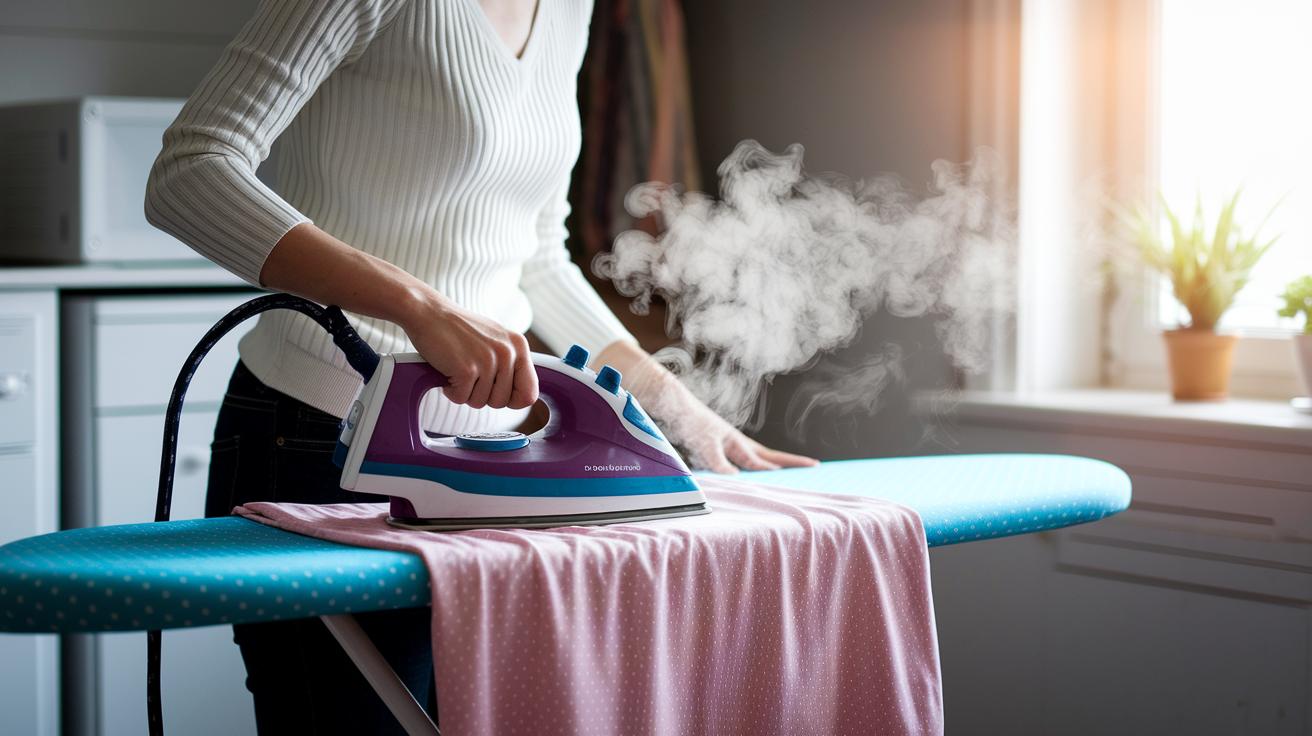
Always set your iron to no more than 110°C to keep polyester fibers safe. Use a pressing cloth so the heat does not touch the fabric directly. A low steam or a quick, gentle burst helps relax the fibers. Always test on a small, hidden spot first.
If you see stubborn creases, let the fabric rest between passes. Use light pressure and quick bursts of steam as you iron. For instance, try placing the iron on a tucked-away seam to see how the fabric reacts before ironing the full garment.
Stain Removal Strategies for Care Instructions Polyester
Quick treatment of stains is essential with polyester due to its low absorbency. When spills or marks occur, the longer a stain sits, the harder it is to remove permanently. Polyester doesn’t soak up liquids like natural fibers, so stains might not spread quickly but can settle in if untreated. For areas that see high activity, such as underarms, necklines, and cuffs, promptly using a dedicated pretreatment solution prevents the stain from setting, keeping your garment looking fresh.
- Identify the stain type and locate the most affected area.
- Apply a dedicated pretreatment solution, focusing on spots like underarms, necklines, or cuffs.
- Allow the solution to dwell for a few minutes so it can break down the stain without harsh scrubbing.
- Blot the area gently with a clean cloth, avoiding rubbing that can push the stain deeper into the fibers.
- Rinse the area with cool water to remove any soap residue and loosened stain particles.
For tackling grease marks and sweat stains, try using dish soap for grease as it cuts through oil, and enzyme cleaners for sweat, which break down bodily residues without damaging the fabric. Always remember to blot instead of rubbing to protect the polyester fibers during cleaning. This careful approach not only preserves the fabric texture but also extends the life of your garment, keeping it looking new longer.
Interpreting Care Labels in Polyester Care Instructions

Care labels use simple pictures to show you how to wash and care for your polyester clothes. They tell you the best water temperature, wash cycle, bleach rules, drying method, and ironing setting. Knowing these symbols helps you keep your clothes looking good.
| Symbol | Meaning |
|---|---|
| Water Temperature | Wash with warm or cool water |
| Cycle Type | Use the normal wash cycle |
| Bleaching | No bleach; only use approved products |
| Tumble Drying | Dry on low heat or hang dry |
| Ironing | Iron on low heat (up to 110°C) |
Following these care label hints is important to avoid damaging the fibers. Manufacturers use the same symbols on polyester garments, home textiles, and even performance gear. By sticking to these care tips, your clothes keep their color, shape, and durability for a long time.
Advanced Maintenance Tips for Polyester and Blends
Polyester blends with cotton or spandex need extra care compared to pure polyester. They mix performance finishes with fibers that need a gentle touch. Using cool water and softer cycles helps protect them from wear while keeping their moisture-wicking ability strong. Eco-friendly laundry habits work well to keep these clothes in top shape.
- Pick cold-wash settings to reduce fiber stress and save energy.
- Use biodegradable detergents to limit chemical buildup on these smart fabrics.
- Choose gentle cycles with moderate spin speeds to keep the stretch and shape intact.
- Skip regular fabric softeners on performance wear to protect moisture-wicking finishes.
Treat these blends with a bit more care during laundry. Changing your cycle and detergent can keep your clothes looking good and working well for everyday use.
Avoiding Common Mistakes in Polyester Care Instructions

Common mistakes in polyester care can really hurt your clothes. High heat during wash or dry, using bleach, and waiting too long to treat stains can all damage your favorite pieces. These errors may cause fibers to shrink, lose strength, or develop marks that ruin the fabric.
- Using high heat in the washer or dryer can shrink and weaken fibers. I remember a friend whose favorite tee shrank after a hot cycle.
- Bleach can break down polyester fibers. One tester saw light spots on a blended jacket after using chlorine bleach.
- Fabric softeners can leave a coating on the fabric and lower its moisture-wicking ability, which is a problem for performance wear.
- Overloading the washing machine increases friction, causing more wear on the fabric. Keeping load sizes small helps protect your clothes.
- Delaying stain treatment can set spills permanently, so it's best to tackle them as soon as they happen.
Creating a simple care routine helps avoid these issues. Treat stains immediately and avoid overloading your washer. With the right steps, your engineered textiles and blended jackets can stay in great condition for longer.
Final Words
In the action, our guide took you through the core steps for keeping polyester at its best. We broke down washing, drying, ironing, and stain removal so you can confidently care for your garments. You learned how to follow care labels and avoid common mistakes while getting advanced tips for blends. These care instructions polyester help extend fabric life and reduce return risk. Enjoy a wardrobe that lasts with smart, practical care that keeps your pieces looking fresh and true to their style.
FAQ
How do you wash polyester in a washing machine?
Washing polyester in a machine means using warm or cool water on a normal cycle with mild detergent, grouping like colors together, and placing delicate items in a mesh bag.
How do you hand wash a polyester jacket?
Hand washing a polyester jacket involves using lukewarm water with a gentle detergent, gently agitating the fabric, and carefully rinsing to maintain its shape and avoid shrinkage.
How do you wash a polyester blanket?
Washing a polyester blanket works like other polyester items—use a normal cycle with warm or cool water, mild detergent, and avoid overcrowding the machine for effective cleaning and care.
How do you clean polyester stains?
Cleaning polyester stains starts by applying a targeted stain remover or dish soap directly to the spot, letting it dwell briefly, then gently blotting and rinsing without scrubbing.
What are the proper drying methods for polyester?
Polyester dries best when hung to maintain its shape; if using a dryer, choose a low-heat setting and remove items promptly to prevent shrinkage, static, and potential fiber damage.
What are the overall care instructions for polyester?
Polyester care includes machine or hand washing with mild detergent in warm or cool water, using low-heat drying and ironing, and pre-treating stains early to preserve fabric quality.
Are there any issues with washing or caring for 100% polyester?
Although 100% polyester is durable and machine washable, careful attention to low temperatures is needed to avoid pilling, static buildup, and other issues that can affect its performance.