

Quick Verdict
Thrifting can be a fun treasure hunt, but sometimes you might end up with a letdown.
Why This Guide?
When you buy second-hand, you either score a gem or risk a dud. That's why we share three simple checks you can use to find good quality pieces.
What You'll Learn
• How to feel the fabric to see if it's soft and moves well
• How to check the seams and stitching to know if it's well made
• How to spot genuine items so you don't waste money
Keep reading to shop smarter and bring home clothes that really last.
Key Items in Your Second-Hand Clothing Checklist
Quality is key. Every piece should pass a careful check of its fabric, how it is made, and its overall condition. Even if a piece is inexpensive, you need to take a close look to avoid a regrettable buy later. For example, run your hand over the fabric to see if it is both strong and soft. A well-made cotton shirt, for instance, can hold up after several washes, offering both comfort and durability. Natural fabrics like cotton, wool, and silk usually suggest a garment meant to last.
Take a close look at how the item is constructed. Check for things like even stitching, secure zippers, and tidy edges. Extra stitching at stress points, for example, shows that extra care went into making the piece and can mean it will last longer. This careful examination helps you avoid items that may come with hidden repair costs.
It is also smart to confirm the item is genuine by checking design details. Look for original tags, clear care labels, and consistent brand marks. Here is a simple checklist to follow:
- Fabric: Look for natural fibers that feel soft yet sturdy.
- Construction: Check for even stitching, strong fastenings, and reinforced areas.
- Condition: Inspect for signs of wear such as pilling, fading, or loose threads.
- Authenticity: Make sure tags and care instructions match the garment's history.
Following this checklist can help you invest wisely in pieces that are both stylish and built to last.
Preloved Attire: Fabric and Construction Inspection
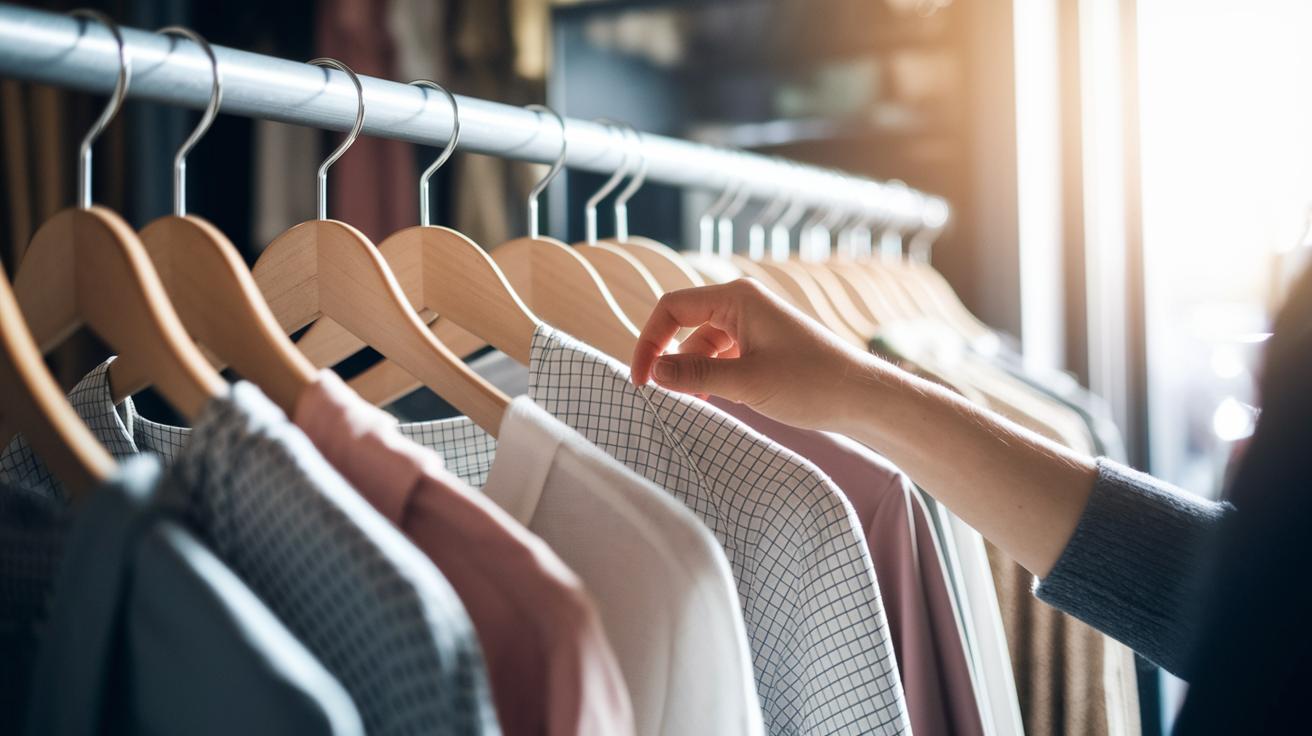
When you shop for preloved clothes, take a moment to feel and test the fabric. We suggest using natural fibers like cotton, wool, and silk because they are strong and comfy. Run your fingers over a cotton blouse to check if it feels both sturdy and soft. Give the fabric a gentle stretch to see if it snaps back without showing any thin spots.
Checklist for Fabric and Construction Inspection:
-
Inspect fabric type and strength:
- Look for natural fibers such as cotton, wool, or silk.
- Give the fabric a slow stretch to check how well it recovers.
- Check the weave to see if it is even and note any places where threads seem worn.
-
Examine the stitching and seams:
- Look closely at seams and check for double stitching, especially in areas that see a lot of wear.
- Make sure details like elbow spots, pocket openings, and waistbands are built well.
- Confirm that all edges are neatly finished to help stop fraying.
-
Test closures and trims:
- Run your fingers along zippers to ensure they glide smoothly.
- Check that finishing touches like hems and labels are secure and tidy.
Thrifted Ensembles: Assessing Size, Fit, and Design Harmony
When you shop thrift, take extra time with measurements. Compare each piece's size with what you normally wear. Look for signs like uneven hems or mismatched seams, they can change how the garment fits and looks on you. Notice how the fabric hangs on your body to decide if any tweaks might be needed later.
Feel the fabric with your hand. Is it soft and comfortable against your skin, or does it feel stiff? Check if it has enough support for your shape. Listen for any creaky seams or stubborn zippers; these details can show you how well the piece might hold up over time. Construction matters just as much as size.
Follow this simple checklist:
- Take your bust, waist, and hip measurements and compare them to standard size charts.
- Look out for altered details like uneven hems or mismatched seams.
- Run your hand over the fabric to see if it feels soft or firm.
- Decide if the design fits well with the rest of your wardrobe.
Used Duds: Spotting Wear, Damage, and Repairability

When shopping for second-hand clothes, take a close look at every part of the fabric to spot signs of heavy use or past repairs. Look for fading colors, pilling (small balls of fabric that form on rough spots), or stretches that no longer bounce back. These clues tell you that the item has seen better days.
Start with a simple touch test. Run your fingers along seams and fabric to feel for loose threads, thin spots, or seams that seem off. For example, a gentle run along a side seam might reveal bumps or pulled threads that hint at wear and tear.
Here is a handy checklist to help you spot damage and decide if a repair is possible:
- Fading: Check for uneven color changes that could change the overall look.
- Pilling: Look to see if small fabric balls have formed, especially in high-friction areas like under arms or on collars.
- Stretching: See if the fabric has lost its shape and does not snap back as it should.
- Stains and Spots: Notice any marks or discolorations that might be permanent.
- Holes and Snags: Inspect for missing threads or small holes that might grow over time.
- Loose Threads: Be alert for curled threads that could unravel further.
Next, think about how easy the repair might be. Sometimes a quick fix, like stitching up a snag, can give a jacket a new lease on life. Compare the repair cost with how much you love the piece to decide if it is worth the effort.
Vintage Garments: Authenticity Verification and Label Checks
Vintage clothes have their own history and style that make them special. When you shop for these pieces, start by checking the care label and origin tag for clear maker details. Real vintage items usually show a country marker and brand details that tell you they are not replicas. Look for unique serial numbers or brand marks to help prove they are genuine.
Run your fingers over the label to feel the fabric and see if the printing is neat and firmly attached. A tag that looks worn or torn might just mean it has seen a lot of use, not that it's fake. Check how the label is sewn onto the garment. Steady, neat stitching often signals quality. Compare the label information with what you know about authentic pieces from that era. This simple check helps you avoid buying pieces that might turn out to be inauthentic.
| Step | What to Look For |
|---|---|
| Care Label | Clear details about the manufacturer |
| Origin Tag | Country markers that match the era |
| Unique Marks | Serial numbers or brand-specific details |
| Label Quality | Neat printing and secure attachment |
Taking a little extra time to check brand marks and label details makes sure your vintage finds are the real deal. It keeps your investment safe and your wardrobe truly unique.
Value Assessment: Balancing Price and Quality in Renewed Closet Finds
When shopping for renewed closet pieces, it is smart not to focus only on the price tag. Secondhand clothes typically cost much less than brand-new ones and can still last a long time. A well-made garment brings lasting style and can be a wise pick for your wardrobe. Think about its price compared to how long you plan to wear it and whether you might resell it later.
Here is a quick checklist to use on your hunt for bargains:
- Price check: Compare the selling price to what a new version usually costs.
- Condition review: Look closely for any wear that might cut its lifespan short.
- Durability test: Check the stitching, reinforcements, and fabric type for long-lasting quality.
- Resale prospect: Think about if the item can still catch interest as vintage or timeless style.
This guide is all about spending smart. Weigh every factor to see if the lower cost really matches the quality. For more details on comparing price and quality, visit the clothing quality vs price guide at https://jankreviews.com?p=1611.
Let good durability and real savings steer your choices.
Vendor and Marketplace Evaluation for Second-Hand Clothing
When you shop online at sites like Vinted, Depop, Thredup, and Vestiaire Collective, start by checking seller ratings. Read the reviews and see what they say about return policies. A seller with five stars and lots of positive comments usually means they are honest and reliable.
When you visit local thrift stores or consignment boutiques, take a look at how the items are chosen and what people say about the store. Ask if they have a clear return policy or any buyer protection. This extra step can help you avoid costly mistakes.
Keep these points in mind:
- Check seller ratings and read customer feedback to see if you can trust them.
- Understand the return policy to keep your purchase safe.
- Look for stores with carefully picked items that have earned community trust.
Following these simple tips can make your shopping experience smarter and safer.
Ethical and Sustainable Practices for Eco Vestments
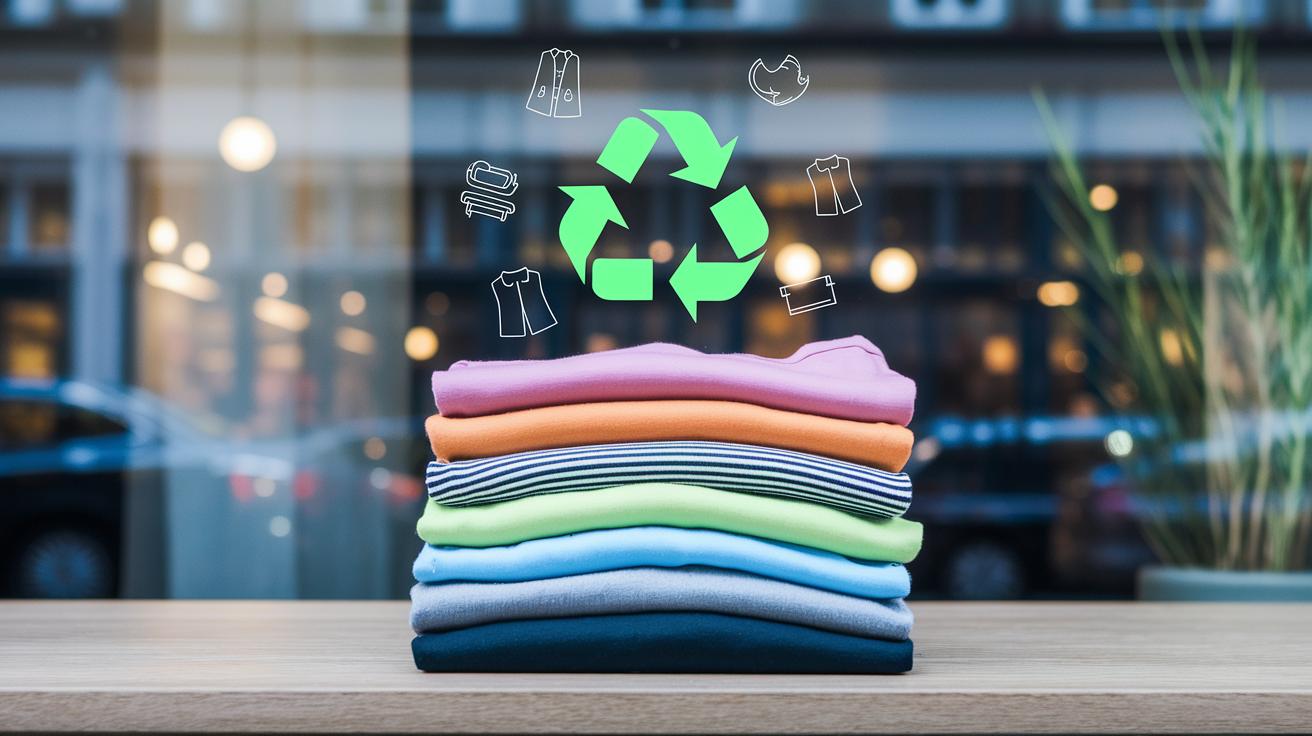
Pre-loved clothes do more than update your style, they help save our planet. When you choose used items, you cut down on waste and support a system that keeps clothes in use longer. The fashion industry is a big part of global carbon output, and in the US alone, 11.3 million tons of garments get tossed each year. Even one pair of worn jeans can save about 1,800 gallons of water compared to making a new pair.
Here’s a quick checklist for eco-friendly shopping:
- Smart buying: Pick items that last longer and fight fast fashion waste.
- Save resources: Every second-hand find stops new fabric use and reduces landfill buildup.
- Boost recycling: Reusing clothes helps complete the recycling loop and cuts demand for new materials.
- Keep the cycle moving: Repairing and reusing clothes keeps them in play longer, lowering production emissions.
Next time you shop for preloved items, remember that each purchase not only gives you a unique piece but also makes a real difference for the environment.
Renewed Closet Care: Post-Purchase Maintenance Tips
Once you bring home a new find, the care label is your best friend. Start by gently handwashing delicate fabrics in cool water with a soft detergent. For example, treat a silk blouse like you would a favorite tea towel, give it a light rinse and let it dry flat. This simple method helps your clothes last longer.
Here are some quick tips to follow:
- Stick to the care label instructions. If it says "handwash," skip the machine.
- Use cold or lukewarm water to avoid damaging the fabric.
- For items that need dry cleaning, consider taking them to a professional so they stay in good shape.
- Keep your clothes in a neat space where they can hang or lay flat without being crushed or creased.
By setting up your closet with plenty of room for everything to breathe, your garments stay fresh and ready to wear. These small steps protect both the look and the feel of your clothes, ensuring your budget-friendly, preloved items get the long life they deserve.
Final Words
In the action, we've built a checklist for buying second-hand clothing that covers every key step. We broke down quality checks from fabric and construction to fit, design harmony, and wear evaluation. We also looked at vendor assessments, price versus quality, and ethical practices. Each tip helps lower return risk and reduces buyer's remorse while guiding you toward lasting, stylish finds. Stay sharp and use this all-inclusive buyer manual to confidently score preloved pieces that meet both your style and budget. Enjoy smart shopping!
FAQ
What should I include in a checklist for buying second-hand clothing from Reddit and online sources?
The checklist typically covers fabric quality, garment construction, authenticity, fit and any signs of wear. It stresses checking seller reviews and return policies to help avoid impulse buys and bad purchases.
What should I know about buying second-hand items on Poshmark?
Buying on Poshmark requires reading seller feedback and listing details carefully. It helps to verify images for fabric quality and condition so you can avoid surprise issues after purchase.
What should I know about using Depop for second-hand clothing?
When using Depop, look for honest seller reviews, clear photos of fabric and fit, and detailed item descriptions. These steps help confirm the condition and quality before you make a buy.
What should I consider when shopping on Thredup for second-hand clothing?
Thredup emphasizes strict quality checks and item grading. It is useful to review condition ratings, seller information, and detailed photos to ensure the clothing meets your quality and style expectations.
What are some items I should avoid buying second-hand?
Items that show severe wear, damage, or heavy repairs are best avoided. Products with fading, pilling, or misaligned seams might not deliver value and may require costly repairs.
What should I consider when buying second-hand UNIQLO pieces?
When buying used UNIQLO items, check fabric type, stitching, and overall condition closely. Verify that the garment still fits your needs and maintains the quality you expect from the brand.
What are the key considerations for buying second-hand baby items?
For second-hand baby items, always inspect for cleanliness, damage, and wear. Safety is a priority, so ensure items meet current standards and show no signs of excessive use or harmful wear.