

Don't let that favorite shirt lose its color. A few simple habits can keep it looking fresh. Many of us skip the little steps that help our clothes last longer. We all like a wardrobe that feels comfy and saves money. In this post, we share three easy tips to care for your clothes. A little care now means you can enjoy each piece for years.
Essential Clothing Care Tips for Longevity and Prolonged Wear
Taking care of your clothes doesn't have to be a chore. With a few simple daily habits, your favorite pieces stay looking fresh and feeling comfy for longer. Since clothes take a hit on your wallet and hold personal memories, smart care means fewer replacements and more time enjoying each item.
Simple maintenance goes a long way. When you follow small, practical steps regularly, you can avoid tiny issues that might turn into big problems later on.
- Read care labels to get the right washing and drying instructions
- Wash in cold water to preserve colors and keep sizes steady
- Turn garments inside out to reduce wear on printed designs
- Choose a gentle wash cycle to be kind to delicate fabrics
- Air dry when possible to avoid damage from high heat
- Treat stains right away with mild, fabric-friendly cleaners
- Check your clothes often and fix small issues early
Stick to these seven basic tips and watch your wardrobe thrive. Keeping things simple means your clothes not only last longer but also stay as comfortable and attractive as the day you bought them.
Fabric-Specific Care to Boost Clothing Longevity
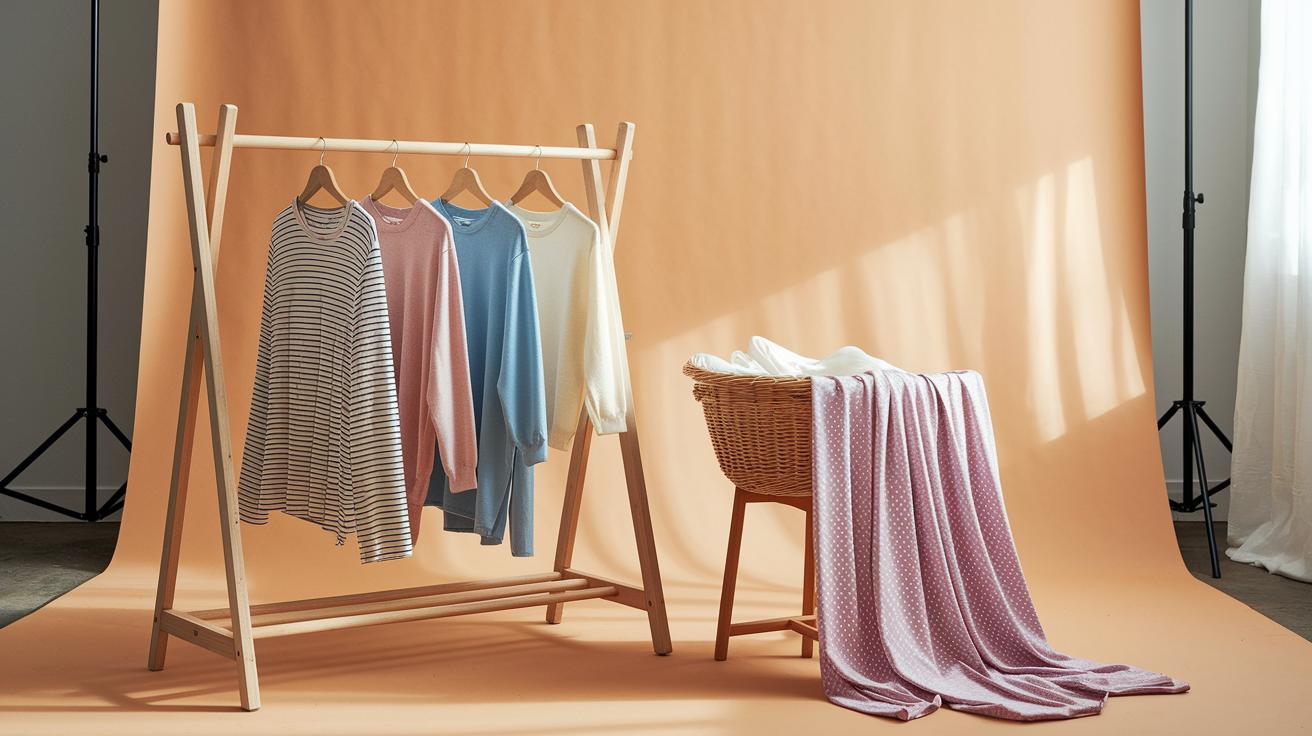
Taking care of your clothes means knowing what each fabric needs. Every material, whether it is cotton, silk, wool, or synthetics, deserves its own treatment to stay bright and strong.
Cotton Garment Preservation
Cotton is tough and holds up well with regular washing. Wash your cotton pieces every few wears using water at 30–40°C (warm water). Before tossing them in the wash, spot-treat any stains with a gentle cleaner. This helps keep the fabric looking crisp and soft while stopping shrinkage and fading.
Silk Material Handling
Silk is very fragile and needs extra love. Hand wash your silk items in cold water with a pH-balanced cleaner (a mild soap that keeps the fabric’s natural shine). After washing, lay them flat to dry. This method keeps them in shape, reduces wrinkles, and protects both their color and texture.
Woolen Fabric Maintenance
Wool does best when washed on a gentle cycle or by hand in cool water to avoid shrinking into felt. Once washed, reshape damp wool garments and let them dry flat. A small spray of moth deterrent in your storage area also helps protect these items, keeping them soft and secure over time.
Caring for Synthetics
Synthetic fabrics like low-heat washing and minimal handling. Place items in a mesh laundry bag during the wash to reduce friction and keep pilling at bay. This simple trick helps maintain the fabric’s design, vibrant colors, and crisp edges.
Following these easy care tips for each type of fabric can help your clothes look great and last longer.
Advanced Laundry Techniques for Long-Lasting Clothing
To help keep your clothes looking new, start by sorting them correctly. Separate light and dark colors, and keep heavy fabrics like denim and towels apart from lighter items such as t-shirts and delicates. This simple step helps avoid unwanted dye transfer and reduces rubbing that can damage your fabrics.
Water temperature plays a big role in protecting your clothes. Cold water is best for most loads because it keeps colors bright and prevents shrinkage. Warm water may tackle tough stains, but it can also put extra stress on the fibers, making your favorite pieces look worn sooner. For everyday washing, stick with cold cycles.
Finally, choose a gentle wash and keep your machine from getting too crowded. Overloading can cause extra friction between clothes. Turning items inside out can also help protect prints and delicate details. These easy adjustments go a long way toward keeping your wardrobe looking its best.
Optimized Drying Practices for Clothing Longevity
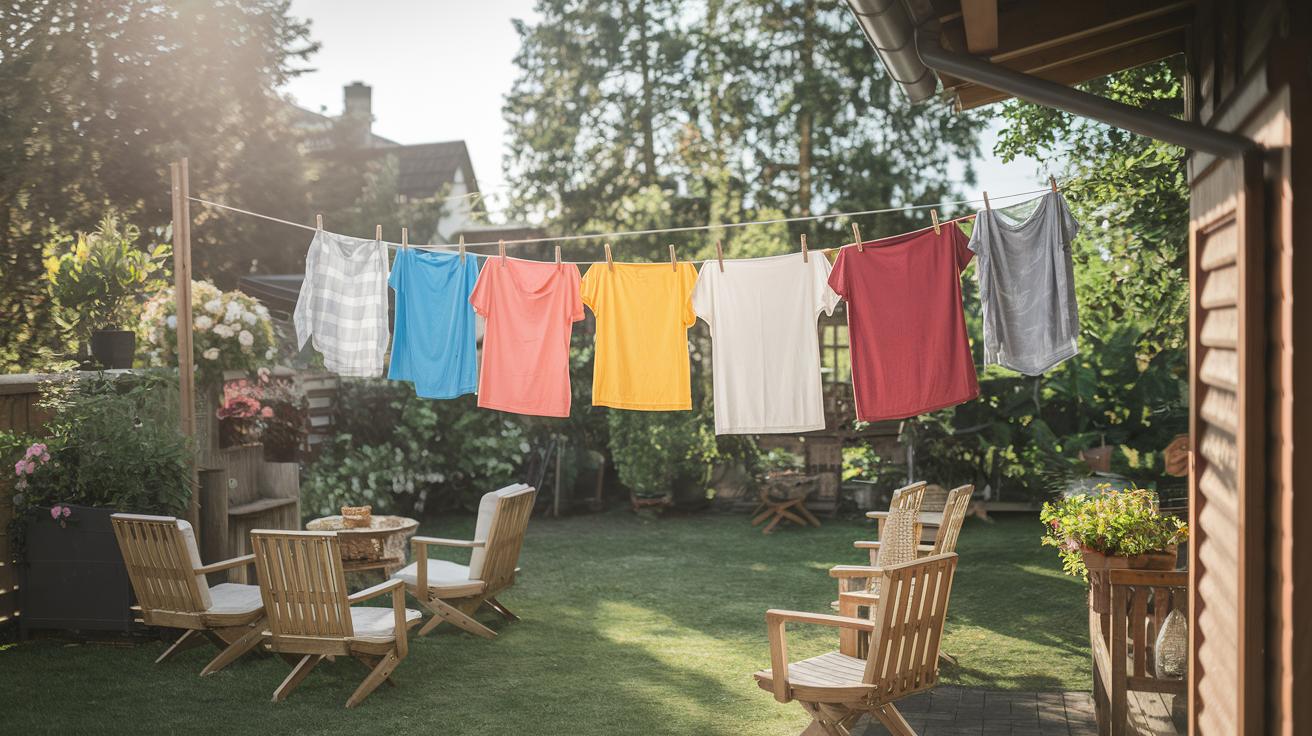
High heat in your dryer can harm your favorite clothes. It can shrink them, change their shape, or even cause printed designs to flake off. Air drying is a kinder option that helps keep your clothes in shape and preserves their color. Using a machine dryer on high heat often twists the garments and makes the fabric wear out faster. By picking the right drying method, you help keep your clothes soft and lower the chances of pilling, so they stay looking good longer. Plus, taking them out while they are still a bit damp lets you smooth them out before the final dry.
| Drying Method | Optimal Setting | Key Benefits |
|---|---|---|
| Air Drying | Ambient temp | Less wear, prevents shrinkage |
| Low-Heat Tumble | ≤ 40°C | Keeps elasticity, reduces stress on fibers |
| Flat Drying | N/A | Keeps knits from stretching |
| Reduced Spin + Low RPM | N/A | Minimizes distortion and pilling |
Being mindful of how you dry your garments really matters. Taking them out when they are just a bit damp lets you re-shape them for a smoother finish and stronger overall structure. Getting the timing right not only brightens your colors but also helps your clothes last longer, making it a simple yet smart move for a longer-lasting wardrobe.
Stain Management and Spot Cleaning for Long-Lasting Garments
When spills happen, act right away. Grab a clean cloth and gently blot the stain to soak up the liquid. Don’t rub hard, as that might push the stain deeper into the fabric and spread it out. For instance, if red wine spills, a few light taps can really help.
For stains from things like blood that come from protein, use cool water. Rinsing or dabbing with cold water stops the proteins (the parts in blood that can stick) from settling into the fabric. This quick cool treatment keeps the stain from becoming stubborn and helps your clothes last longer.
If the stain still sticks around, try a spot cleaning method. Use a small bit of pH-balanced cleaner (one that is gentle on fabric) on the stain. Always test the cleaner on a hidden spot first to make sure it does not change the color or texture of your garment. This helps avoid any unexpected damage.
After pre-treating, gently rinse the area with cool water to wash away any cleaner. Then, wash the garment as you normally would, making sure the stain is completely gone. Taking this extra step clears out chemicals and helps keep the fabric strong and looking good.
Proper Storage Solutions to Preserve Clothing Longevity
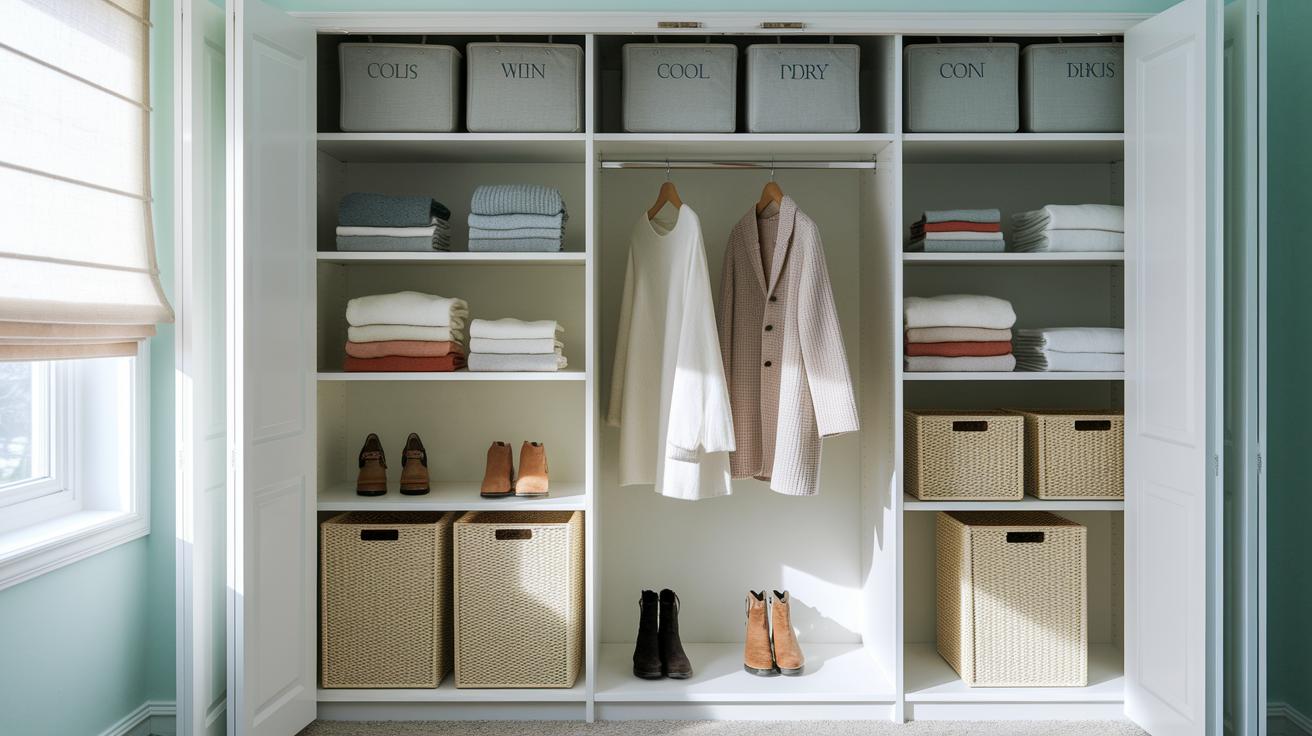
Where you keep your clothes makes a big difference in keeping them fresh. Try storing your wardrobe in a cool, dry, and shaded area. This helps stop fading and prevents mildew. Keeping items away from direct sunlight slows down fabric wear and keeps room temperatures steady. It all works together to protect colors and textures so your outfits are always ready to wear.
How you hang or fold your clothes matters too. Use padded hangers for delicate items like blouses or fitted tops to help them hold their shape. For chunky knits like sweaters, fold them properly to avoid stretching. Choosing the right method for each garment eases stress on the fibers and keeps your pieces looking their best.
Adding a few storage accessories can boost protection even more. Use garment bags to guard your favorite items from dust and pests. Try small desiccant packs (little moisture absorbers) to keep humidity in check. These simple steps help keep fabrics strong and make your closet a safe home for all your cherished looks.
Simple Repair and Maintenance for Extended Clothing Longevity
Taking a few minutes each week to check your clothes can save your favorite pieces. Look for loose threads, worn seams, or any small signs of damage. Catching these issues early helps you avoid bigger repairs later.
When you find a tiny tear or hole, a simple sewing fix can work wonders. Keep a small sewing kit with needles, thread, and scissors. Fix loose threads and stitch up little holes right away to keep the garment in shape.
Also, pay attention to zippers and buttons. Check if zippers are sticking or off track and use a bit of lubricant if needed. If buttons come loose, sew them back on quickly. These small, regular fixes keep your clothes in top condition every day.
Eco-Friendly Laundry Practices for Sustainable Clothing Longevity
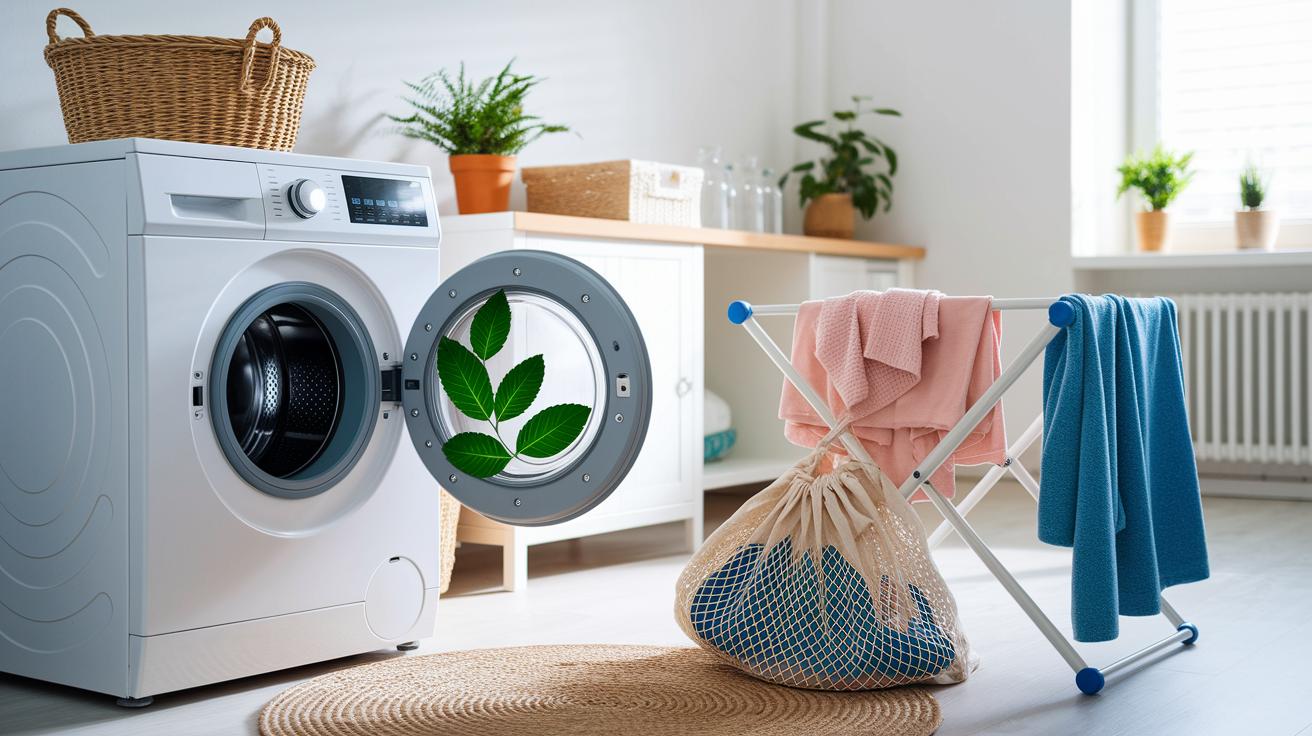
Try using eco-friendly, pH balanced detergents. They gently clean your clothes while cutting down on harsh chemicals that can wear out fabrics and water quality. You can even go for homemade or biodegradable options to reduce your impact on the planet.
Switch to a cold-water wash cycle. Cold water saves energy and is gentler on delicate fibers. It helps keep colors bright and prevents shrinkage and friction that might cause pilling. This method not only preserves your clothes but can also lower your energy bill.
Adopt zero waste laundry habits by using mesh bags for delicate items and air drying whenever possible. These simple steps help minimize water and energy use while keeping your favorite pieces looking their best.
Final Words
In the action, we broke down practical strategies to keep your outfits looking good. We covered everything from everyday washing and fabric-specific care to smart drying, stain treatment, proper storage, and simple repairs. Each section showed how minor adjustments can extend garment wear and keep your pieces fresh.
These clothing care tips for longevity help you protect your investment and enjoy wear that lasts. Try these methods and feel positive about a wardrobe that stays reliable and true to its style.
FAQ
What are some practical tips on how to take care of clothes?
The practical tips on taking care of clothes suggest using gentle cycles, cold-water washing, treating stains immediately, and proper storage to keep colors bright and fabrics feeling soft over time.
How can I preserve my clothes for years and store them properly?
The advice for preserving clothes for years is to store them in cool, dry places, use padded hangers or proper folding techniques, and follow care labels meticulously to maintain their quality.
What special care is needed for Class 4 garments?
The guidelines for Class 4 garments recommend extra gentle handling, such as low-heat washing and careful drying, to protect delicate fibers and extend the garment’s lifespan.
How many washes do clothes usually last?
The estimated number of washes clothes can last depends on fabric and care practices, with well-maintained items often enduring between 50 and 100 washes before showing significant wear.