

Ever wonder why your favorite shirt just doesn't seem to work? The answer may lie in your measurements. Even one inch off can make a good shirt feel either too tight or too baggy. In this guide, we'll show you how a simple tape measure can help you choose clothes that drape right and feel comfortable. Think of it as a recipe for success that lets you pick outfits that move with you. Say goodbye to those annoying returns and hello to a fit that truly hugs your body the right way.
Essential Steps for Achieving a Perfect Clothing Fit
Getting your measurements right makes all the difference. When your clothes fit properly, they not only look sharp but let you move easily without constant readjustments. Even a one-inch slip in measuring your chest can change how a garment flows as you move.
Taking accurate measurements is a smart move that saves you time and hassle with returns. Use a good measuring tape and stick to the same method each time. This way, you know your exact dimensions and can choose a fit that keeps its shape and comfort. Think of it as turning your numbers into a simple guide for everyday style.
- Neck
- Chest
- Waist
- Hips
- Inseam
- Sleeve Length
Knowing these numbers helps you when you compare them with a brand’s size chart. When your measurements match, you can easily decide whether you need to go up for a looser fit or stick to your exact size for a more tailored look. This process makes sure your clothes work with your body, enhancing both comfort and style.
Decoding Size Charts and Apparel Sizing Standards for Accurate Fit
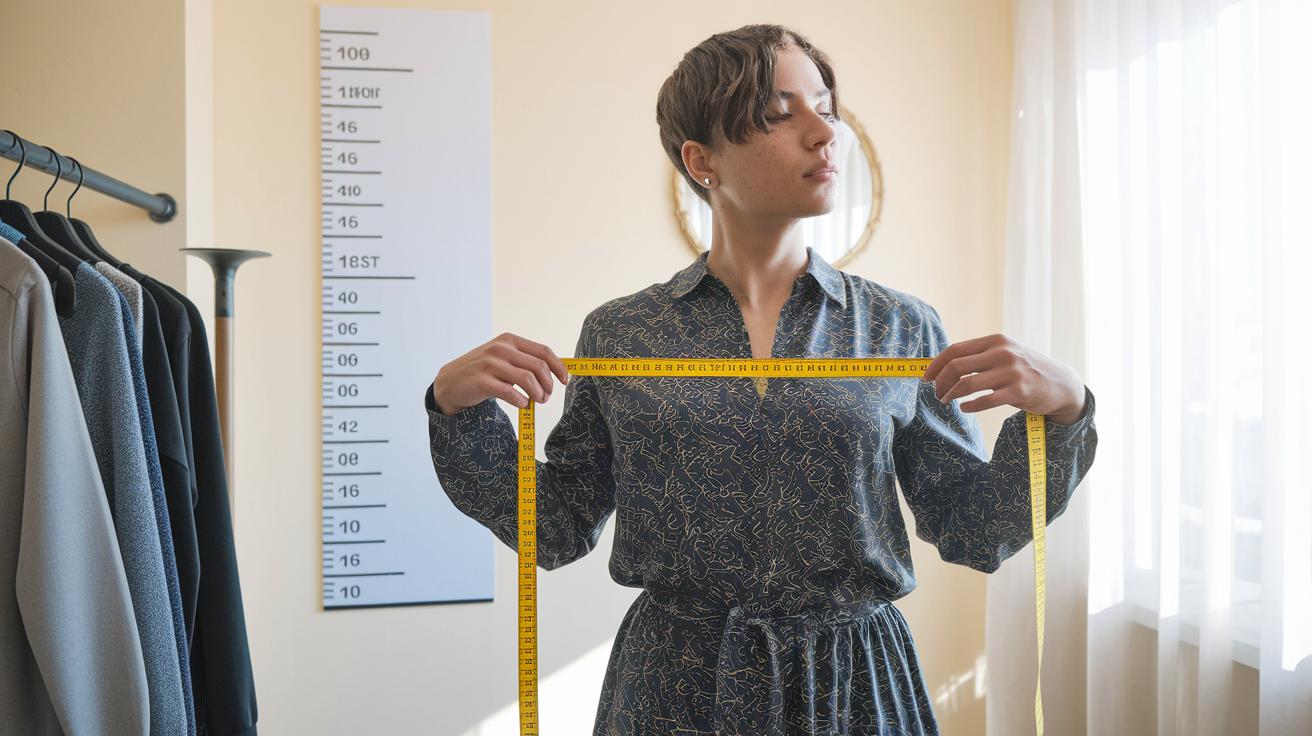
Using standard measurements is the best way to score clothes that really fit. Groups like Alvanon, ASTM (a group that sets industry guidelines), or BSI provide clear, trusted data. When brands stick to these numbers, you don't have to guess your size. It means the clothes you pick let you move freely and stay comfy while still looking right.
| Region | Standard Source | Example Measurements |
|---|---|---|
| US | ASTM | 38-42 (chest) |
| EU | BSI | 40-44 (chest) |
| UK | Alvanon | 39-43 (chest) |
Converting measurements between regions also helps. Some charts show sizes in inches, while others use centimeters. A global converter tool or a quick calculation lets you match your measurements to the right size no matter where you shop. This practical approach means you get clothes that fit comfortably and match the numbers on trusted charts.
Clothing Fit Guide for Diverse Body Shapes and Styles
When thinking about your body shape, knowing your key proportions can really help you dress to flatter your natural silhouette. For those with an hourglass shape, choose clothes that hug your waist while showcasing a balanced bust and hips. If you have a pear-shaped body, go for styles that draw attention upward and give a relaxed fit around the hips and thighs. People with an apple shape might want garments that add structure around the belly area while letting the arms and shoulders breathe. And if your body is more rectangular, where the bust, waist, and hips are about the same, look for pieces that add curves with smart seams or gathering details.
Getting the right fit means working with experts who check that your clothes move naturally and don’t pull or gap. When brands use real body measurements and accurate size charts, they can offer advice that works for everyone, whether you're curvy, tall, or petite.
Fit tips change with each shape to keep you comfy and looking good. Hourglass figures should look for outfits that skim the waist, while apple shapes need tops that gently drape over the midsection. For pear shapes, consider pants, skirts, or dresses that ease through the hips but taper at the waist. And rectangular shapes work well with pieces designed to create curves.
Choosing the right fabric also matters. Materials with a bit of stretch or a nice drape can help your clothes move smoothly with you. With smart tailoring and a clear view of your unique shape, your wardrobe can be both comfortable and stylish.
DIY Alterations and Fit Adjustment Advice in the Clothing Fit Guide

When you find uneven hems, sleeves that are too long, or a loose waist, you can fix these issues at home without the need for a tailor. Start by laying the garment flat or checking it in a well-lit mirror. If a hem seems too long, fold it up and pin it temporarily to test the new length before you sew it permanently.
If the sleeve length or neck opening feels off, grab a measuring tape and mark where the change should be made. Taking in the side seams on a shirt can give it a more fitted look, and a simple stitch can close a small gap without changing the overall style.
For off-the-rack pieces, small tweaks can make them feel custom-made. Use a basic sewing kit to shorten a hem in small steps until it fits just right. When adjusting the waist, gently pin the seams and try on the garment to make sure it stays comfortable and lets you move easily.
This straightforward approach helps ensure your clothes fit well and move naturally with you all day. Enjoy the process and make your wardrobe work for you!
Style-Specific Fit Recommendations: T-Shirts to Dresses in Your Clothing Fit Guide
Finding the right fit means knowing how each type of clothing should sit on your body. Watch how the fabric stretches and drapes as you move. Each garment has its own tricks that can boost your comfort and style.
T-Shirts
For a T-shirt, a good chest and shoulder fit is key. The tee should gently hug your chest while letting you move freely. Make sure the shoulder seam lines up exactly with your shoulder edge, so it neither rides up nor droops. The sleeves should end around your mid-bicep, allowing you to stretch without the fabric pulling. Imagine a tee that moves with you like your favorite casual hoodie, always keeping you comfortable.
Button-Down Shirts
When it comes to button-down shirts, check that the collar has enough room to slide a finger under it when fastened. The shoulder seam should sit right on your shoulder to let you move easily. The body of the shirt should have a bit of extra space for a relaxed feel, not too tight that it restricts air and movement. Think of a crisp shirt that fits just right, like a dependable friend who always has your back in style.
Outerwear
Outerwear should give you plenty of room to layer. Look for sleeves that fall naturally over your wrists and a hem length that hits between your hips and mid-thigh to keep your shape balanced. This fit lets you add a sweater or scarf without feeling cramped. Picture a sleek jacket that adapts to your layers on chilly days while staying true to its shape.
Dresses and Skirts
For dresses and skirts, pay close attention to how the waist sits on your body and how the fabric moves over your hips. The garment should shape your waist without being too tight, and it should allow you to move easily. The length is important too; choose a cut that flatters your legs and matches your height. Envision a dress that drapes so naturally it feels custom-made, accentuating your curves in the smoothest way.
Virtual Try-On Tools and Online Fitting Solutions in Your Clothing Fit Guide

Virtual try-on platforms are changing the way we shop for clothes. They let brands see how garments fit without making endless prototypes. These digital tools mimic how fabrics drape and move, making it easier to catch issues before production. With these online fitting solutions, companies save on physical samples while you get a clearer view of how a piece may look and feel.
- Browzwear’s VStitcher: Uses a 3D simulation to show how fabrics drape and layer naturally.
- VitalFit: Matches garments to realistic body shapes using avatars for a more accurate fit.
- Style3D: Features a size calculator that quickly turns your measurements into a suggested size, cutting down on guesswork.
These tools add a practical edge to shopping online. They help bridge the gap between trying on clothes in a store and making a confident online purchase, which can even keep return rates down.
DIY Alterations and Fit Adjustment Advice
Sometimes a stylish piece can feel uncomfortable if the fit isn't right for your body. You might notice that the sleeves are too tight, the fabric pulls across your chest, or it binds around the armholes. These are clear signs that the garment may need some tweaks.
Troubleshooting Fit Issues
Start with a simple movement test. Raise your arms, bend forward, and twist around to find any spots where the fabric pulls or feels tight. For example, lift your arms and twist gently to see if the fabric tugs at your shoulders or chest. When you spot a problem area, try these quick fixes:
- Look for any tightening around the sleeves or armholes.
- Soften a seam or trim a sleeve a bit if needed.
- Check the garment in a mirror while moving to make sure it feels better.
Seasonal and Layered Fit Considerations in the Clothing Fit Guide

When it's cold, you need fabrics that keep you warm without adding extra bulk. Your base layer should lie close to your skin, letting your natural shape show while feeling smooth and comfortable. The middle layer should have some stretch so you can move freely, and the outer layer should protect you without flattening your silhouette. Picture a soft flannel that drapes nicely on a chilly evening or a crisp cotton shirt that feels cool when it's warm. Designers test these fabrics for weight (how heavy the material feels) and drape (how it hangs) to make sure they work right.
Layering smartly means you might need to adjust your sizes for extra comfort. If you’re planning to wear a sweater or jacket over your top, pick pieces that offer room in the shoulders and chest but still maintain your shape. For instance, when wearing a bulky jacket, a slightly looser base piece can help outline your figure without feeling too tight. These tips keep your outfit balanced, letting you move naturally and stay comfortable all season long.
Final Words
In the action, this clothing fit guide walks you through accurate measuring, deciphering size charts, and customizing fit advice for various styles. It breaks down essential steps, from taking neck to sleeve measurements, and offers insights on virtual try-on tools for added confidence.
We also cover DIY alterations, troubleshooting fit issues, and seasonal layering strategies to keep your wardrobe functional and flattering.
The guide delivers practical tips that lead to a better fit and fewer returns, leaving you ready to enjoy comfortable, stylish clothing.
FAQ
Q: What do the dress shirt size calculator, size chart, and size meaning indicate?
A: The dress shirt size calculator uses your measurements to suggest a fit, the size chart lists neck, chest, and sleeve dimensions, and size meaning explains how these numbers relate to actual garment fit.
Q: What do men’s and women’s clothing fit guides cover?
A: Men’s and women’s clothing fit guides provide key measurement instructions and styling tips so you can choose pieces that feel comfortable and look proportionate on your body.
Q: What is a shirt measurements guide and how do you calculate shirt size by height and weight?
A: A shirt measurements guide explains how to measure chest, waist, and sleeves. Calculating by height and weight offers a rough estimate, but using actual body measurements gives a more accurate size.
Q: What does a 15 32/33 dress shirt size mean?
A: A 15 32/33 dress shirt size means the shirt is designed for a 15-inch neck with a sleeve length between 32 and 33 inches, offering guidance for a proper fit.
Q: What do the 3-3-3, 5-5-5, and 7 rules for clothing mean?
A: The 3-3-3, 5-5-5, and 7 rules set simple ratios for outfit proportions. They offer guidance to balance measurements and styles for a look that feels well put-together.
Q: What size does a 280 lb woman wear?
A: A 280 lb woman’s size can vary based on body shape and brand fit. Reviewing measurements with the specific brand’s size chart helps find the most comfortable and flattering option.