

Have you ever noticed that some clothes feel made just for you while others don't quite work? Getting your measurements right can mean the difference between a win in your wardrobe and endless frustration.
This guide gives you a simple checklist that covers everything. It explains how to measure your body, check fabric drape, and inspect seams so that each detail works for you. Follow these steps and enjoy clothes that move with you every day.
Ready to make every try-on a success? Let's get started with the basics to achieve that perfect fit.
8-Step Clothing Fit Review Checklist for Accurate Sizing
-
Measure your body exactly
Use a flexible tape (like a measuring tape) to check your chest, waist, hips, and other key points. Even a tiny error can change how your clothes fit, so accuracy is important. -
Match your body measurements with the garment
Compare your numbers with the garment's listed dimensions or tag details. This helps you spot if a sleeve might be too short or if the overall size might be off. -
Move around to test the fit
Try sitting, stretching, and bending like you normally do. If the piece feels tight or restricts you, it might not give you the freedom of movement you need. -
Check the drape and how the fabric falls
Look at how the cloth hangs on your body. It should drape smoothly without any pulling or bunching, which means it fits well. -
Look at seam placement on key areas
Examine the seams on your shoulders, underarms, and sides. They should lie flat. Seams that don’t align well can be a sign of poor construction and may lead to quicker wear. -
Feel for good stretch and bounce-back
Give the fabric a gentle pull to see how it stretches and then returns to shape. A fabric that recovers well will help your clothes maintain their look over time. -
Inspect the pattern placement
Make sure stripes, prints, or patterns line up neatly. Misplaced or shifted prints might take away from the overall look of the garment. -
Plan any adjustments in advance
Take note if any parts need alteration, like a slight take-in at the waist or a change in sleeve length. Planning changes before you buy can help you achieve a flawless fit.
Body Measurement Standards for Precise Fit Review

Getting the right measurements is the first step to a proper fit. Start by noting the key areas: your chest (or bust), waist, and hips. Also measure your shoulder width, sleeve length, rise (the distance from your waist to your crotch), and inseam (inside leg length). Use a soft tape measure and keep it snug against your body. A loose tape or a slouched posture can give you the wrong numbers. For instance, hold the tape firmly at your natural waist to capture an accurate measurement.
Stand up straight with your shoulders back while measuring. It can help to have a friend check your numbers because even small errors might lead to a garment that fits poorly. Use your personal measurements instead of relying on generic size charts. Many tailors follow standardized charts from groups like Alvanon, ASTM, or BSI (British Standards Institution), which help cut down on mistakes that can affect how a piece of clothing looks and feels.
Measure in a bright, well-lit space and check each measurement a couple of times. Consistent measurements make it easier to compare your sizes with the garment details and get a look that really fits.
Fabric Behavior and Comfort Analysis in a Fit Review
Understanding how the fabric moves and feels is key to a solid fit review. Check what the material is made of, its weight, stretch, and texture (how soft or firm it feels). For example, a light cotton is breezy and works well in warm weather, while a heavy wool keeps you warm and holds its shape in cooler days.
Watch how the fabric drapes on your body. Stiff materials might hold you back, and fabrics that stretch too much can start to look baggy over time. When it comes to stretch knits, see how easily they extend and then return to their original shape. This tells you if they can give you freedom of movement while keeping a smooth look.
Give the fabric a quick test by gently pulling it and feeling its texture against your skin. Running your hand over it shows you if it is firm, flexible, and ready to withstand regular wear. Also, think about the season you will use it in, a fabric that feels perfect one day might not work as well in another. Taking these little steps can help you find clothes that truly fit well and feel comfortable for a long time.
Garment Construction Criteria in Your Fit Review

A good review looks closely at how a garment is put together. Start by checking the stitch density. For items sewn by machine, look for 6 to 10 stitches per inch. Hand sewing should hit 8 to 12 stitches per inch. Even stitching without skipped loops means it was made to last.
Feel along the key seams. A smooth line, free of loose threads or puckering, shows quality work. Also, check that the seam allowance (the extra fabric left at the edge) is usually around ¾ inch to 1 inch. This little bit of fabric helps keep the shape and allows for small adjustments.
Pay special attention to areas that get a lot of movement like pockets, armholes, and waistbands. Extra stitching or reinforcement here is a sign that the maker took extra care.
A well-constructed garment will show even stitches, proper seam allowance, and well-finished stress points. This level of detail gives you confidence that the piece will hold up during everyday use.
Silhouette and Proportion Assessment in a Fit Review
To judge a garment's shape, start by comparing its cut to familiar styles like slim, regular, or boxy. Slim styles work best on lean frames, while boxy fits offer a relaxed vibe. Make sure the piece fits the body type it was made for. For example, a slim-fit blazer should not have extra fabric that hangs over the bust or hips.
Next, check details where problems can happen. Look out for buttons that gap and hemlines that bunch up. Check that the shoulder seam rests right on your natural shoulder and that the sleeve ends exactly at your wrist bone. Even small issues, like an uneven hem, can throw off the outfit's balance.
- Look for fabric pulling over the bust and hips
- Check for gaps at the button closures
- Make sure the hem sits flat without bunching
- Verify the shoulder seam aligns with your natural shoulder
- Confirm the sleeves end at the wrist and the trouser break is neat
For example, when you check the sleeve length, it should finish right at your wrist bone, much like how a well-fitted watch sits without overlapping the skin. These steps help create a balanced look that fits your body perfectly.
Virtual Fit Review Tools for Online Shopping
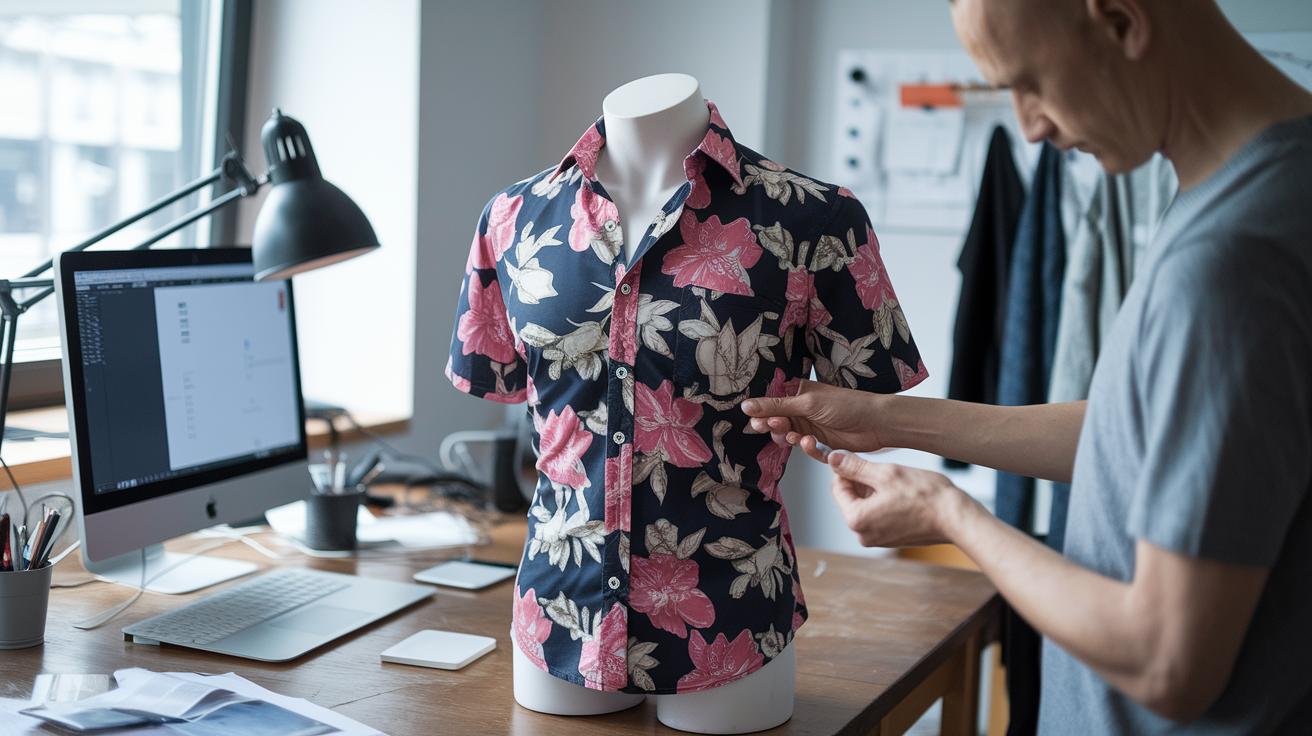
Digital sampling platforms, like Browzwear VStitcher, VitalFit, Style3D, and CLO 3D, let you see how a garment falls and moves using 3D views. They show you a live look at the fabric's drape as you move, so you get a clear idea of how it behaves without trying it on in person. These tools match your measurements (using automated grading, which turns your numbers into a visual fit) to give a real picture of style and comfort. Picture a shirt that adjusts smoothly when you raise your arms, that's what these tools offer.
Using these virtual fit tests saves you time because you don't need to order several samples. They work like a quick fit check, helpful for online shoppers and small-brand developers who need a real feel of the garment without the hassle of in-person reviews. This means you can decide on style and size more quickly while catching any fit issues early in production. The digital review builds trust in the size chart since the on-screen drape and movement mirror what you will feel when you wear it.
Alteration Planning After Your Fit Review
After you finish your fit review, plan a few small alterations to get your look just right. Check your garment's measurements against your ideal fit and note what needs tweaking. This simple plan makes it easier to talk with your tailor and know what to expect.
Here are a few common alterations you might want to consider:
- Waist take-in: Adjust the waist so it hugs your body better.
- Pant hem: Shorten or lengthen your trousers for the perfect break.
- Sleeve adjustment: Trim or lengthen sleeves to boost movement and comfort.
- Seam letting-out: Add extra room where the garment feels too tight.
| Alteration | Cost Range | Turnaround Time |
|---|---|---|
| Waist take-in | $15-25 | 1-2 days |
| Pant hem | $10-20 | Same day |
| Sleeve adjustment | $15-30 | 2-3 days |
| Seam letting-out | $20-35 | 3-4 days |
Talk through each option with your tailor. This way, you can be sure that every adjustment keeps the garment comfortable and stylish over time.
Final Words
In the action, we broke down an easy eight-step guide to nail that perfect fit. We covered accurate body measurements, fabric feel, garment construction, silhouette, and even online fit tools. Using this clothing fit review checklist can reduce returning items and ease buyer's remorse.
We wrapped up with precise alteration tips to help adjust your favorite pieces. Every step is designed to offer clear, honest insights. Enjoy putting these ideas into practice and feel confident in your next wardrobe update.
FAQ
What are some clothing fit review checklists found on Reddit for men and women?
Clothing fit review checklists on Reddit break down steps like measuring key body parts, checking ease for movement, and examining seam alignment. They help both men and women dial in on balanced proportions and fabric behavior.
How should clothes fit a man and what do cheatsheets say about it?
Clothes should sit naturally on a man’s shoulders, leave room at the waist, and offer freedom for movement. Cheatsheets stress avoiding pinching and ensuring a balanced silhouette without excess fabric.
How do you find, wear, and get clothes that truly fit?
Finding clothes that fit starts with accurate body measurements. Compare those to garment dimensions and test movement. The goal is to pick pieces that don’t pinch, restrict, or create drag lines for a comfortable feel.
What is the 5 5 5 rule for clothing?
The 5 5 5 rule means a garment’s critical dimensions should be within a 5% margin of the wearer’s measurements, ensuring balanced ease and a fit that supports comfort and movement.
What is the 3-3-3 rule for clothing?
The 3-3-3 rule refers to checking that there’s about 3 inches of ease in key areas, which offers a tailored look while still allowing enough room for natural movement and comfort.
How do you write a good review on a clothing sample?
A solid review covers detailed measurements, ease of movement, silhouette, and fabric behavior. Describe seam alignment and construction quality, and note any areas needing alterations so readers can trust the insights.
What are the 5 R’s of fashion?
The 5 R’s of fashion consider fit, fabric, construction, design, and durability. This guideline helps reviewers assess whether a garment holds up in comfort, style, and long-term value.