

Quick Take
Shopping online for clothes doesn't have to be a gamble.
Why This Guide Helps
Buying clothes online can feel risky because one wrong measurement might cost you money and force you into returns. We get it.
How We Help
In this guide, we share simple tips to measure yourself correctly, read size charts, and learn from real experiences. Each tip is easy and clear, so you know which pieces will really flatter your shape.
The Bottom Line
With these practical steps, online shopping becomes less about luck and more about smart choices for your wardrobe.
Critical clothing fit tips and strategies for online shopping
Getting the right size is key. When clothes don't fit, you waste time and money. Wrong measurements or misreading fit details can lead to returns and keep you from enjoying pieces that really suit you.
- Use a soft tape measure to get your exact numbers. Measure your bust (wrap the tape just under your arms at the fullest point), waist (a bit above your belly button but below your ribs), hips (the widest part), and inseam (from crotch to hem). One person said, "I measured my hips at 38 inches using my favorite skirt as a guide."
- Look at the store's size chart. Sizes can change from brand to brand and even from style to style. Match your numbers with the chart.
- Read the product description for fit terms. Words like slim fit, relaxed fit, or oversized show how the garment will drape your body.
- Compare your numbers with a piece of clothing that already fits well. This gives you a real-life reference to help decide.
- Check customer reviews for hints. If many buyers remark that an item runs small or large, you might need to adjust your order.
- Make sure you know the return and exchange policies. Understanding the free return window or any fees can save you trouble if the size isn't right.
Using these simple tips together cuts down on fit errors, helps you avoid returns, and boosts your confidence when shopping online.
Precise Body Measurement Methods for clothing fit tips in online shopping

Getting your measurements right is key when buying clothes online. Even a small error can change how a garment fits, so measure twice and compare your numbers with a well-fitting piece.
-
Bust: Place a soft tape measure under your arms around the fullest part of your bust. Keep it level and snug but not too tight. Check your result by comparing it with a favorite top that fits well. If it seems off, measure again and be sure to line up the tape correctly.
-
Waist: Measure right above your belly button and below your ribcage where your waist naturally curves. Let the tape relax for an honest read. Double-check by measuring a wrap or blouse that fits you nicely.
-
Hips: Find the widest part of your hips and measure straight across. Use a pair of well-fitting pants as a guide. If the number feels wrong, check that the tape stays even all around your hips.
-
Inseam: Start at your crotch and run the tape down to the hem of your pants. Compare it with a pair that fits well to make sure the length is right. If it seems too short or too long, remeasure so the tape follows your leg’s natural line.
Taking these steps can help you avoid surprises and reduce the chance of returns.
Interpreting Size Charts to enhance clothing fit tips for online shopping
Different brands use their own size charts, so the numbers for bust, waist, and hips might vary from one store to the next. It helps to measure yourself and then check the store's chart to pick the best fit. Some charts also show US, UK, and EU sizes (different systems for measuring), so knowing these conversions can help avoid mistakes.
| Your Measurement | Store Chart Value | Recommended Size |
|---|---|---|
| Bust: 36″ | 35″ – 37″ | Medium |
| Waist: 28″ | 27″ – 29″ | Small |
| Hips: 40″ | 39″ – 41″ | Medium |
Also, checking international conversion tables can be a big help. When a retailer shows more than one measurement system, you can line up your numbers with theirs across different regions. This simple step can make online shopping less confusing and give you more confidence that your clothes will actually fit.
clothing fit tips for online shopping: Flattering Choices

Some fabrics include a bit of spandex or elastane, which gives your clothes about 5-10% extra stretch. This makes the garment more comfortable and lets you move easily. When the fabric softly drapes over your body, it feels gentle against your skin. Materials like cotton, polyester blends, and viscose each have their quirks, some become softer with wear while others hold their shape longer. That natural stretch can help smooth out your look if you're between sizes.
Always check the product description to see the fiber details. Knowing what the fabric is made of helps you predict how it will behave over time. High-quality fabrics usually offer a more precise fit, even if they cost a bit more. Look for blend percentages and notes on shrinkage or recovery, so you know if the garment will keep its shape after a few washes and a long day of wear.
Selecting Styles by Body Shape using clothing fit tips for online shopping
Finding the right fit for your body can really change how you look and feel. Every shape is unique, so choose cuts that show off your best parts. The proper details, like where seams lie and how the fabric drapes, make all the difference.
When shopping online, look at the product description to see how the item fits. Check the cut, the style notes, and how it might move with your body. This helps you pick something that flatters your shape.
- Pear-Shaped: Go for A-line dresses that flare gently from the waist. They balance wider hips and draw attention upward.
- Hourglass: Choose V-neck tops to highlight a defined waist while keeping your curves in balance.
- Rectangular: Try straight-leg pants for a structured look that breaks up a uniform shape and adds subtle curves.
Remember to match both the size and style details in the product listing to ensure the cut works for you.
Utilizing Virtual Fitting Rooms for clothing fit tips in online shopping
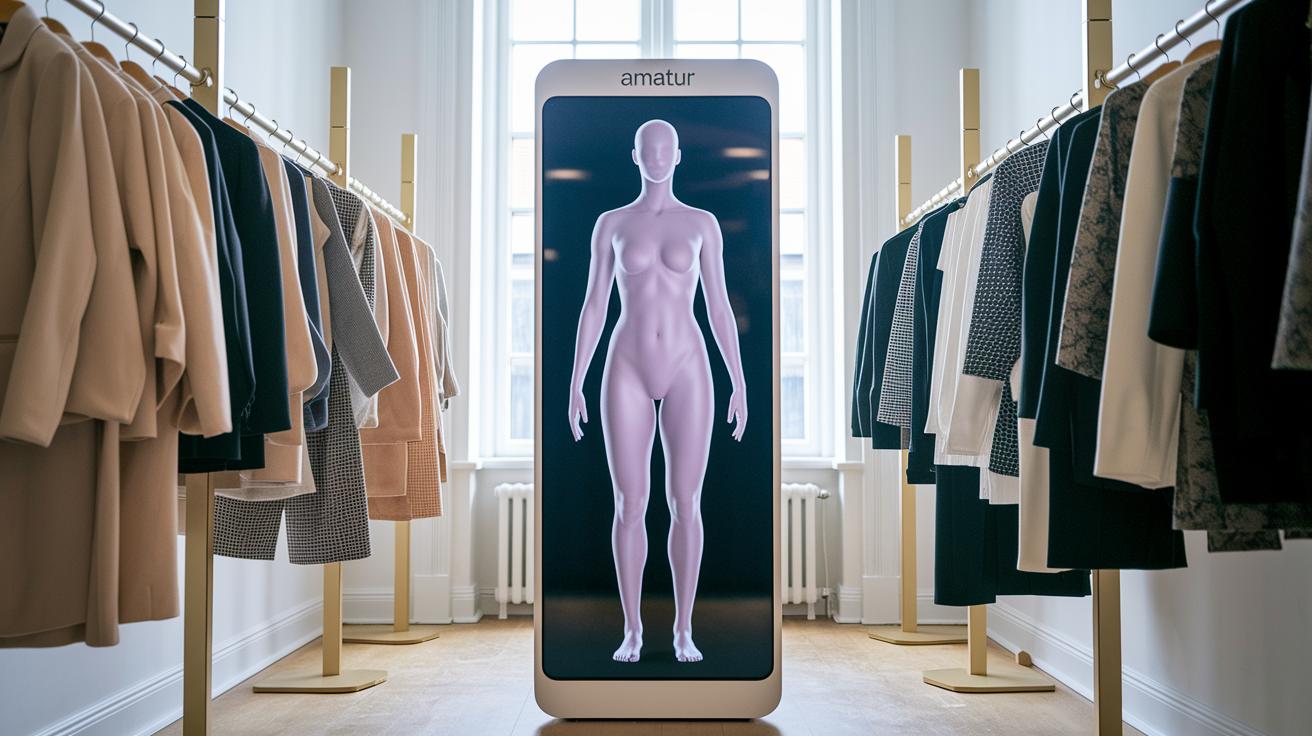
Digital fitting rooms let you see how clothes might fit before you buy them. You enter your measurements and get a view of the garment on a 3D model or your own photo. This helps you check how the fabric drapes, fits, and shows its true color.
- 3D body scans create a digital version of you so you can see how clothes follow your shape.
- Virtual try-on tools put clothes on your digital model to show how the style and cut work with your body.
- Comparison videos with real models give you an idea of fit and movement, with details like height and size.
Sticking with one digital tool each time can build a routine. Over time, you start to notice fit trends, making it easier to choose the right size and avoid surprises when your order arrives.
Consulting Reviews and Return Policy Considerations in clothing fit tips for online shopping
When you shop online, check reviews rated 3 to 5 stars. They can tell you if a piece might be too small, too large, or if it stretches after wearing it. Notice when many reviewers mention the same issue so you know what to expect.
- Look for common sizing notes. If several users say "Runs a bit small, size up for a comfortable fit," take that advice to heart.
- Check the return policy. Many stores offer free returns within 14 to 30 days and may not charge exchange fees. For example, one review might note, "Store allows free returns within 30 days for worry-free shopping."
- Ask customer service if needed. If you are still unsure about sizing or fabric stretch, simply ask them, "Can you confirm if the material stretches after washing?"
Keep a note of what each retailer offers in terms of fit and returns. This makes your future shopping quicker and easier.
Final Words
In the action, we tackled key tips to prevent sizing surprises while shopping online. We covered precise measurements, size chart comparisons, fabric stretch and drape, and matching styles to body shapes. We also looked at virtual fitting rooms and review insights with return policies.
Following these clothing fit tips for online shopping can help balance cost, quality, and style. When you blend these strategies, you lower return risks and enjoy more confident buys. Enjoy a better shopping experience!
FAQ
Q: What are clothing fit tips for online shopping on Reddit and for women?
A: Reddit users and female shoppers stress measuring your body accurately, comparing your numbers with each brand’s chart, reading reviews for fit tips, and checking return policies to avoid buying clothes that don’t fit.
Q: How do I buy clothes online that fit?
A: Buying clothes online that fit means taking your measurements, matching them with the store’s size chart, reading customer feedback on fit, and reviewing return policies so you can shop with confidence.
Q: How do I shop online for the first time?
A: Shopping online for the first time means starting with familiar brands, using size charts, reading reviews about fit, and checking return policies, which together help you make a safe and informed purchase.
Q: How do I know my dress size without measuring?
A: Knowing your dress size without measuring can involve using online calculators that estimate size from the fit of garments you already own, coupled with store-provided sizing guides to find a close match.
Q: What is the 3-3-3 rule for clothes?
A: The 3-3-3 rule for clothes suggests checking three key size charts, trying out three size options from a brand, and reading three customer reviews, making it an easy guide to improve fit accuracy.
Q: What is the 5-5-5 rule for clothing?
A: The 5-5-5 rule for clothing encourages reviewing five detailed measurements, reading five buyer reviews, and verifying five key policy points, offering a structured method to ensure your online purchase fits well.
Q: How can I ensure I get the right size when I shop online?
A: Ensuring the right size online relies on matching your exact measurements with the store’s chart, checking customer feedback about fit, and confirming the return policy to help you make a secure choice.
Q: What is the 7 rule for outfits?
A: The 7 rule for outfits covers coordinating seven elements including size, style, fabric details, color, fit notes, customer ratings, and return options, ensuring a balanced and correctly sized online purchase.
Q: What should I know about size guidelines on retailers like ASOS, Old Navy, SHEIN, Zara, H&M, and Amazon.com?
A: Retailers such as ASOS, Old Navy, SHEIN, Zara, H&M, and Amazon.com offer detailed size charts and customer reviews; always compare your measurements with their guides since sizing can differ across brands and styles.