

Tired of clothes that wear out too fast? This guide is here to help you check quality before you buy. We explain simple steps like testing the fabric (how it feels and holds up) and checking seam strength (how well the stitches stick together). With a few quick tips, you can spot problems early and avoid wasting money. Read on to learn how to pick clothes that truly last.
Key Steps in a Clothing Quality Testing Checklist
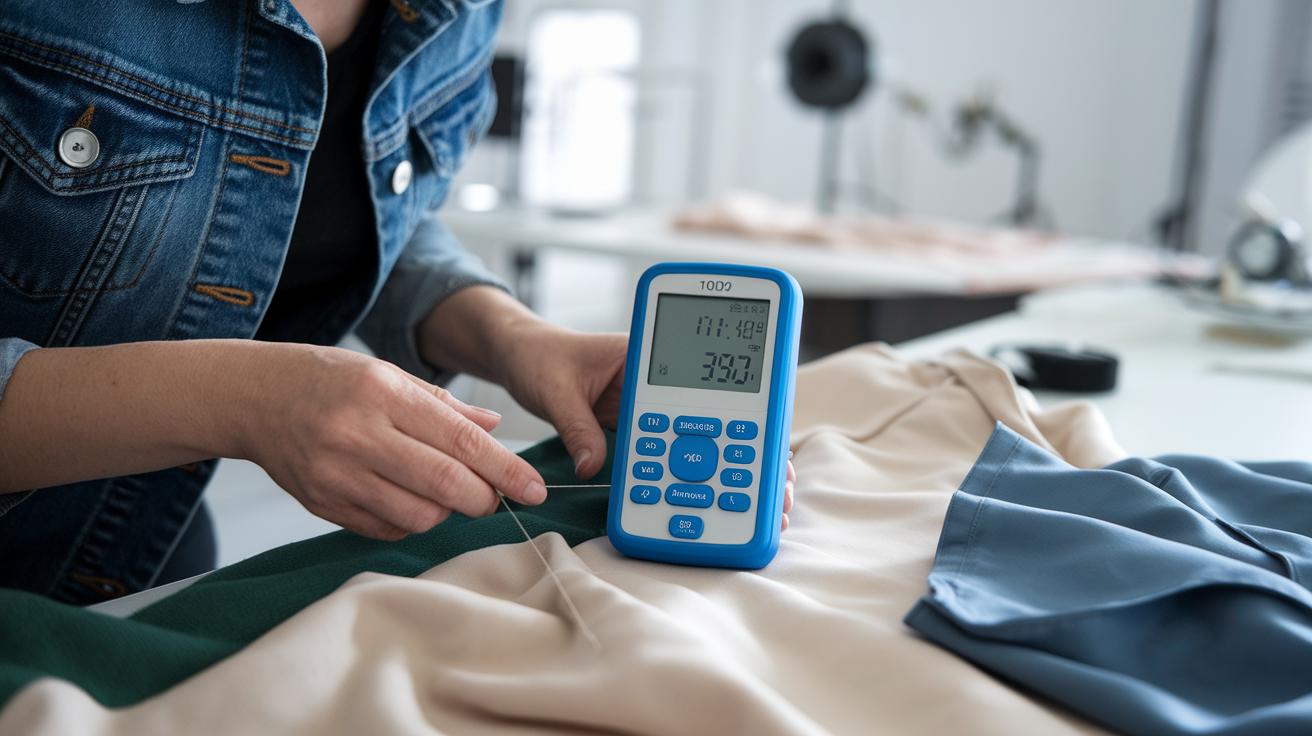
This checklist helps you check that every garment looks good, lasts well, and is safe to wear. Follow these steps to spot issues early and keep quality high from fabric to final report.
- Fabric Quality – Look closely at the fabric to ensure it is even, strong, and safe to use.
- Color Confirmation – Check the dye finish with a 0.5 Delta E threshold (a measure of color difference) to make sure colors match.
- Pattern Accuracy – Make sure prints and markers are lined up correctly without any misplacement.
- Stitching and Seam Strength – Examine seams for missed stitches, puckering, or uneven tension to help the garment last.
- Construction Sequence Verification – Confirm that each piece is sewn together in the right order so no defects are hidden.
- Loose Thread Examination – Search for stray threads that might signal poor craftsmanship or future unraveling.
- Label and Tag Accuracy – Verify that labels and tags follow the correct specifications to preserve brand details.
- Final Quality Report Documentation – Record all findings in a detailed report to create a reliable audit trail.
For small-batch orders, check every garment for major issues like fabric defects and weak seams. You can also sample about 20% for less critical errors. Using a digital checklist can boost efficiency by providing real-time inspection data and highlighting trends. For more on durability testing, see the guide on how to test clothing durability at home.
Fabric Quality Testing Criteria in a Clothing Quality Testing Checklist

When checking fabric quality, start by looking at its appearance, strength, and safety. Make sure the fabric has no defects and looks the same throughout the roll. The weave should be even, smooth, and match the tech pack details. For instance, the fabric should feel smooth and free of stray fibers.
Strength tests check how much the fabric can stretch without breaking or pilling. Uneven tension in the fabric might mean there are weak spots. These simple tests show whether the material is sturdy enough for everyday use.
Moisture and composition tests are another important step. They measure how well the fabric absorbs water and wicks away moisture (moves sweat off the skin). By comparing the test results with the tech pack, you can confirm that the fabric is made the way it should be. A good quality textile will absorb moisture evenly and hold up over time.
Construction and Stitching Checks in a Clothing Quality Testing Checklist
Seam Integrity Checks
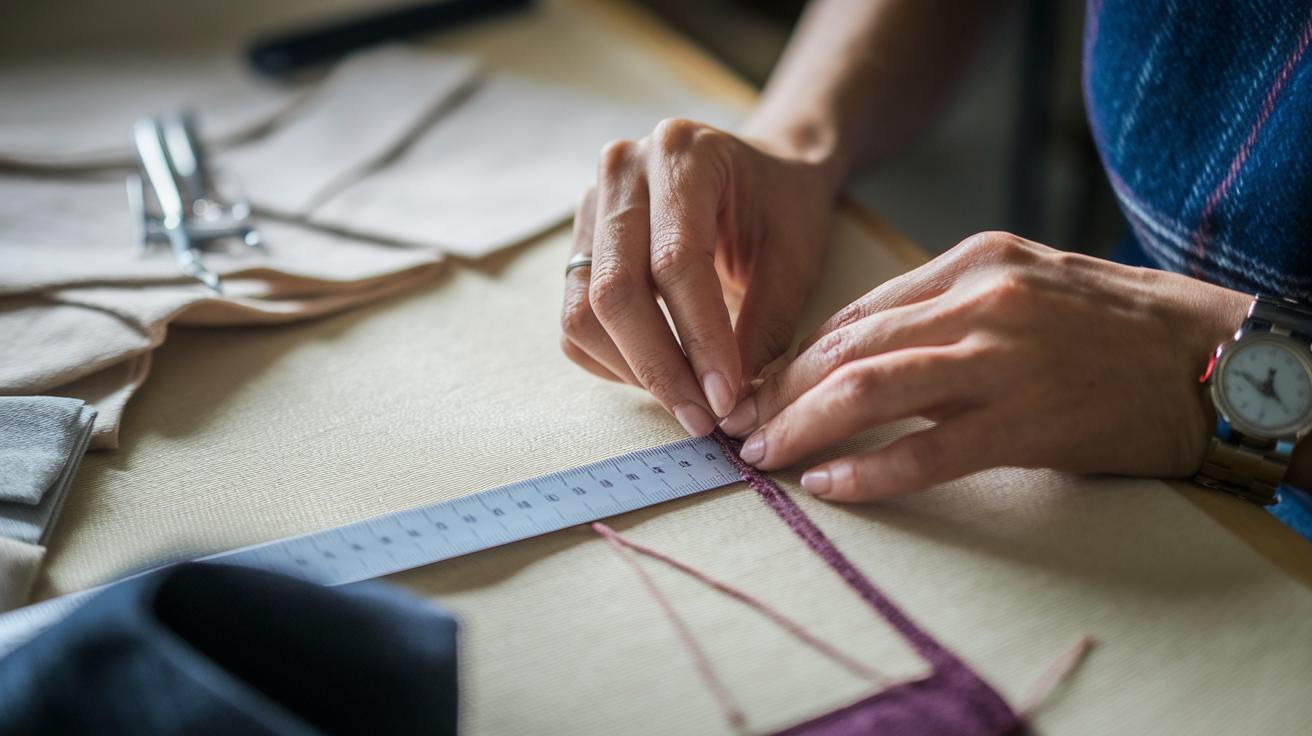
Run your finger over each seam to check for smooth stitching. Feel for any spots that may pucker, which could mean the tension was uneven. Use a ruler or measuring tool to see if the gaps match the set standards and spot any skipped stitches or misaligned edges. Follow AQL (Acceptable Quality Limit, a standard to decide acceptable defects) guidelines to know which seams need extra care. Making sure the seams match the design finish not only keeps the garment looking neat but also makes it tougher for everyday wear.
Stitching Craftsmanship Review
Take a close look at the stitching to ensure the thread is strong and even. Check if the stitches are balanced in spacing and hold securely. Look out for any loose threads that might unravel later, and make sure trimmed ends are neat. Compare the overall stitch style to the garment’s tech pack (a document with design details) to make sure it meets the expected quality. This careful review helps prevent problems later and confirms that the garment is built to last.
Color Fastness Tests in a Clothing Quality Testing Checklist

Color confirmation is key for keeping product quality high. We check that dyes and finishes stick to clear guidelines by making sure any color difference is less than 0.5 Delta E (a way to measure color change). We use tools like spectrophotometers (devices that measure color accurately) and standard golden samples (reference pieces) under set lighting to get reliable results.
| Test Method | Purpose | Standard |
|---|---|---|
| Wash Test | Checks if color bleeds in the wash | <0.5 Delta E |
| Light Exposure | Sees if fading happens with light | Matches golden sample |
| Rub Test | Measures color transfer from friction | Minimal color loss |
The results from these tests decide if a batch gets approved. Consistent performance in wash, light, and rub tests means the garment will look as vibrant when it arrives as it did when made.
Size Consistency Audits in a Clothing Quality Testing Checklist

We rely on accurate measurements to make sure every piece fits as intended. During our audits, we compare garment measurements to the approved tech pack (a detailed guide for how the design should be made). Even a small error can affect both comfort and look. When measurements are right, returns drop and trust in the brand grows.
We also check that sizes stay within set limits. Our tests confirm that everything from sleeve lengths to waist sizes falls within acceptable ranges. We inspect pattern alignment to ensure prints and panels line up neatly as the tech pack specifies. These checks prevent off-center designs or awkward cuts.
Finally, we test each garment on approved mannequins to see how they move. Testers note if the garment drapes naturally, moves easily, and feels comfortable. Together, precise measuring, pattern checks, and real-world testing ensure every piece is stylish and ready to wear.
Durability and Stress Testing in a Clothing Quality Testing Checklist
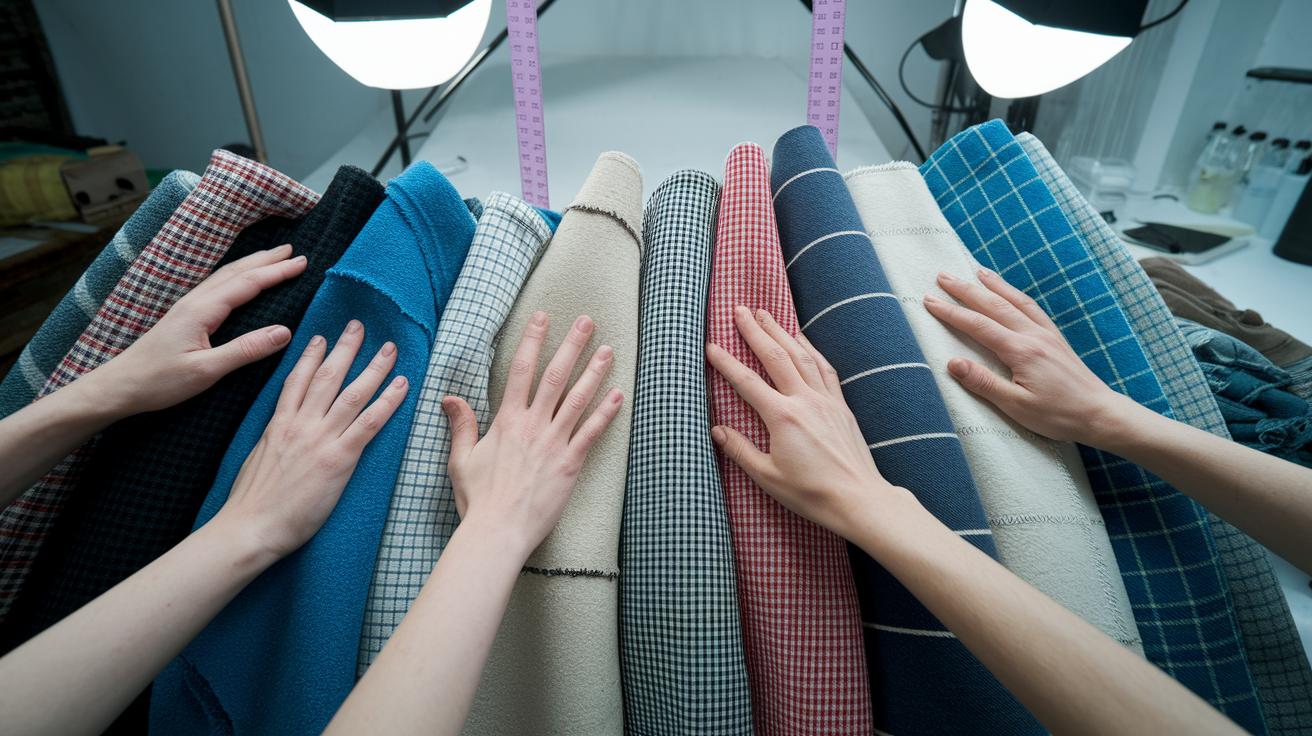
We test garments to make sure they can handle everyday wear. Simple tests include rubbing the fabric until small marks appear, checking how well the material holds up under strain, and seeing how much pulling it takes to show damage. These tests help us know if the fabric is strong enough for daily use.
Next, we run physical trials that mimic real-life wear. This means putting clothes through repeated stretch and bend cycles. We follow clear quality rules (AQL or acceptable quality limits) to decide how many items to test. For small orders, we might inspect every garment for big flaws like tear or stitching issues, while a smaller sample takes care of minor wear spots. These steps catch major problems early so you know the clothes will last.
We also keep a digital log of every test. Using mobile apps or cloud systems, inspectors record each test and link any defects to a specific batch. This real-time tracking helps us spot trends, like a drop in stretch recovery, so we can keep improving our quality control.
Final Words
in the action, we broke down key elements of a solid clothing quality testing checklist. We covered inspecting fabric appeal, confirming color accuracy, checking pattern alignment, and evaluating stitching and seam strength. We even touched on size consistency, durability tests, and the benefits of digital checklists. This guide gives you clear, tangible steps to spot issues early, helping you ship returns risk and buyer's remorse. Use this clothing quality testing checklist as your go-to tool for smart, confident buying.