

Quick verdict: Natural fibers bring a cozy, evolving charm, while synthetics offer sturdy, everyday strength.
Have you noticed that a wool or silk sweater changes over time? It softens and even picks up a unique look as it ages. On the other hand, polyester stands up to regular wear with a firm, tough edge.
We looked closely at how each fabric handles daily stress and time. Think of natural fibers as having a soft, lived-in feel that grows on you, and synthetics as a reliable workhorse built for constant use.
Keep reading to uncover which fabric might be the best fit for your day-to-day needs.
Durability Overview: Comparing Natural vs Synthetic Fabrics
Natural fabrics like linen, wool, and silk feel soft and develop a unique look over time. With proper care, they can last 10 to 20 years. Merino wool, for example, naturally stretches and resists pilling, so it keeps its shape even after many wears and washes. They offer a natural charm but need gentle upkeep to stay in top shape.
Synthetic fabrics like polyester and nylon are built tough for everyday use. They pass abrasion tests with flying colors and hold up well over 50+ wash cycles. These materials are popular for active wear because they offer sturdy performance and a lightweight feel. However, they can shed microplastics and do not break down naturally, which poses an environmental challenge.
| Fabric Type | Key Durability Traits | Typical Lifespan |
|---|---|---|
| Natural Fibers | Gains character over time, needs gentle care, has a soft, evolving texture | 10-20 years |
| Merino Wool | Stretches naturally, resists pilling, maintains shape | 10-15 years |
| Synthetic Fibers | High abrasion resistance, holds up after many washes, very lightweight | 10-15 years |
The lifespan of a fabric depends on both the material and how you care for it. Natural fibers offer a classic feel that grows softer with time, while synthetics deliver steady, reliable performance for tougher daily use. Each option has its own benefits, so your choice will depend on your daily wear needs and care preferences.
Material Strength: Natural vs Synthetic Fabrics

Tensile strength tells us how much force a fiber can take before it snaps, while modulus tells us if a fabric is stiff or stretchy. In simple words, a fiber with high tensile strength holds up well under stress. A high modulus means the fabric keeps its shape instead of stretching too much. These numbers help us understand how different materials will perform in everyday wear.
Natural Fiber Properties
Linen, for example, has a tensile strength of 30–37 MPa, which means it resists tearing quite well. Wool has natural crimp (tiny, wavy bends) that adds a bit of stretch, so your clothes move with you even if they get a little damp. Silk has a modulus of 4–6 GPa, giving it a neat structure that stays strong while feeling light. These fibers work with moisture and keep their natural textures, making them a good choice for pieces that look better with age.
Synthetic Fiber Properties
Polyester and nylon are made to have a tensile modulus between 8–12 GPa. This means they have a steady strength and perform the same way every time. Their design focuses on lasting a long time, even with a lot of use.
Understanding tensile strength and modulus can explain why natural fabrics might develop a soft, lived-in look over time, while synthetic ones stay consistent even under tough conditions.
Wear and Tear Resistance in Natural vs Synthetic Cloth
We use tests like Martindale and Elmendorf to see how fabrics handle daily wear. In these tests, a fabric sample is rubbed on a rough surface over and over until it starts to break down. The total rubs tell us how well the material can stand up to friction and everyday use. This data helps us compare natural fibers with synthetic ones.
Abrasion Resistance Tests
Martindale tests show that polyester, a common synthetic, usually lasts over 50,000 rubs before it starts to wear out. Wool, a popular natural fiber, typically lasts around 20,000-30,000 rubs. Cotton, by comparison, usually holds up for only 5,000-10,000 rubs. This means synthetics endure more friction without breaking down quickly, while natural fibers might develop a soft, worn look over time if not properly cared for.
Tear Strength and Pilling Resistance
When it comes to tear strength, nylon can handle forces between 150-200 Newtons (a Newton is a unit of force). Wool samples generally manage between 80-120 Newtons. Natural fibers like merino wool may form small pills, but their built-in stretch helps keep pilling to a minimum. Many synthetics are also treated with anti-pill coatings, which help maintain a smooth finish even after frequent wear.
Overall, synthetic fabrics offer strong resistance to both abrasion and tearing, while natural fibers bring a unique, aged appeal that can be preserved with a bit of extra care.
Maintenance Requirements and Their Impact on Fabric Durability

Natural fabrics like wool, linen, and silk lose about 5-15% of their strength after 10 washes at 40 °C. To keep them strong, use a gentle detergent and set your washer to a low-spin cycle. Overusing chemical softeners can wear down wool scales, so these materials need extra care.
Synthetics, on the other hand, handle heat better. They lose only about 2-5% of their strength even when washed at 60 °C and can usually handle the tumble dryer without much damage. That makes them a smart pick for frequent washes, though treating all fabrics gently helps them last longer.
- Wash at lower temperatures for natural fibers
- Use gentle detergents made for delicate fabrics
- Set the spin cycle to a low speed
- Avoid chemical softeners on wool items
- Air dry when possible to reduce stress on the fabric
- Rinse thoroughly to remove detergent residues
Cost-Effectiveness and Lifecycle Assessment of Natural vs Synthetic Fabrics
Natural fibers cost more at first. You might pay around $5 to $15 per yard, while synthetics are about $2 to $4 per yard. For example, linen (a natural fabric) can keep its looks for 15 to 20 years. Polyester, a synthetic material, typically lasts 10 to 15 years. Although natural fabrics start at a higher price, they develop a unique character as they age. Synthetics, on the other hand, are built for quick use and a smaller price tag, which works well if you are keeping an eye on your budget.
Repair and upkeep matter too. Natural clothes usually need repair work costing about 5 to 10% of the original price each year. They require gentle care to keep their soft, changing texture. Synthetic pieces might need fewer fixes day-to-day, but there can be extra hidden costs when it comes time to clean up after they’re no longer used. For more details on the trade-offs between price and durability, check out the clothing quality vs price guide (https://jankreviews.com?p=1611).
When you look at the cost each year, natural fabrics can be a smart buy due to their long lifespan and graceful aging. Synthetic materials may appear cheaper upfront, but they might bring environmental and disposal costs into the picture over time.
Environmental Impact on Durability of Natural and Synthetic Textiles
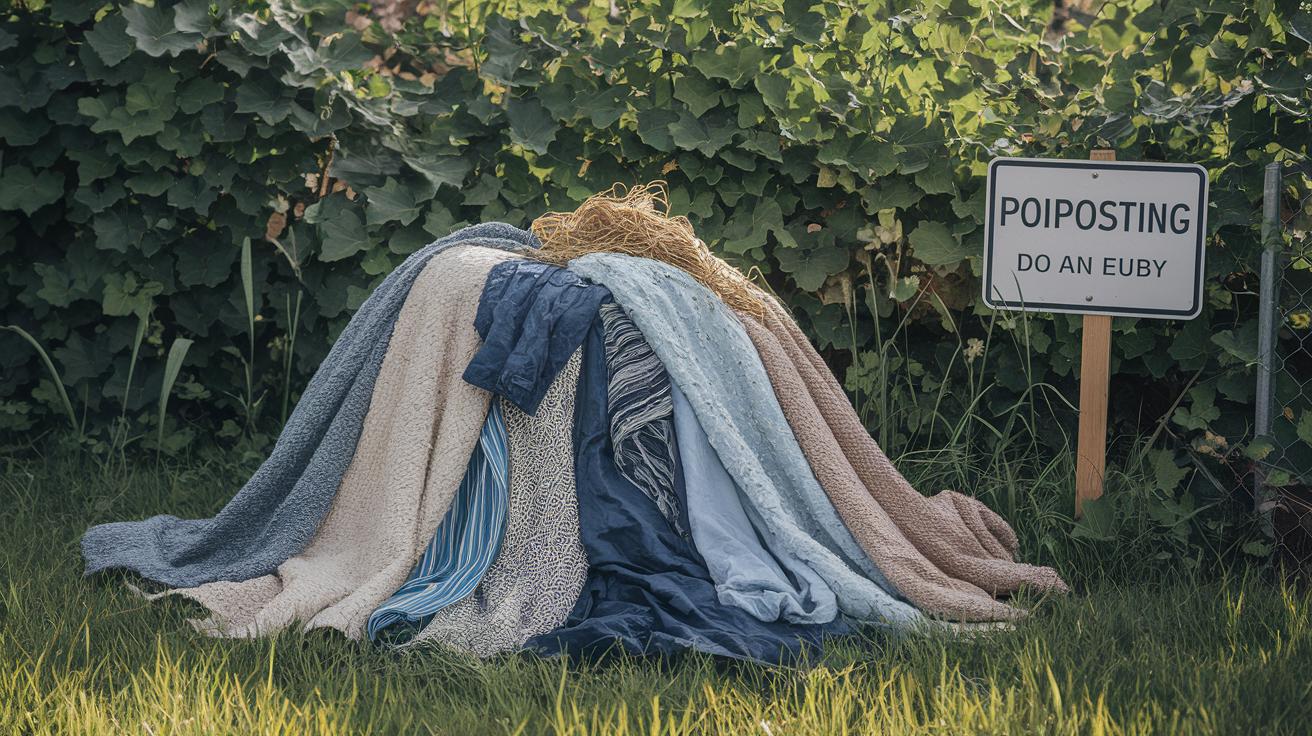
Natural fibers break down quickly when the conditions are just right. In a compost setting, materials like wool and linen can biodegrade completely in 6 to 12 months, which means they leave a light footprint at the end of their life. On the other hand, synthetic fabrics such as polyester and nylon can last for many years. They slowly release tiny plastic bits that can end up polluting our waterways.
Blended fabrics, which mix natural and synthetic fibers, take longer to break down, usually around 5 to 10 years. Sunlight (UV light) can speed up the breakdown of natural cellulose fibers, but it hardly affects most synthetic materials. Also, some chemical treatments on synthetics can leave residues that might be harmful.
| Environmental Factor | Natural Impact | Synthetic Impact |
|---|---|---|
| UV Exposure | Helps break down cellulose fibers faster | Little to no change because they are engineered for stability |
| Composting | Fully degrades in 6–12 months under the right conditions | Can linger for decades |
| Microplastics | Does not release small, harmful particles | May shed microplastics into the environment |
These points show clear trade-offs. Natural textiles biodegrade quickly and reduce long-term waste, while synthetics offer durability but bring challenges like microplastic pollution.
Real-World Applications: Fabric Durability in Everyday Use
Everyday use shows how fabrics hold up when you put them to work. Denim, which is 100% cotton, can start to show signs of wear like fading or small tears after 10 to 15 washes. This makes it a popular choice for casual outfits, but it might not last as long as some other fabrics.
Wool outerwear is loved for its warmth and comfort. When you only wear it in cold weather, it can easily last 5 to 10 years. It ages naturally, which is part of its charm, yet it still performs well when you need the extra insulation.
Fabrics that blend natural fibers with synthetics offer a mix of softness and strength. They feel good against your skin and can handle regular use, making them a smart choice for everyday wear.
Activewear made from polyester is built for performance. These pieces keep their shape and work well even after 50 plus washes, so they are ready for tough workouts every time. Nylon backpacks are another good example. Thanks to their engineered toughness, they can last for more than 7 years.
Overall, these examples show how different fabrics can offer what you need depending on your daily routines.
Final Words
In the action, we broke down key points like fiber strength, maintenance needs, cost over time, and environmental impact. We compared real-world wear, tear, and care routines to show how both fabric types perform under different conditions.
By comparing durability of natural vs synthetic fabrics, we see that thoughtful care and use can make either option work well for your wardrobe. This hands-on look helps you shop with confidence and build a lasting wardrobe that meets your needs.
FAQ
What factors determine fabric durability in natural versus synthetic fabrics?
The durability of fabrics depends on the fiber type, structure, and care practices. Natural fibers, such as linen and wool, develop a unique patina over time, while synthetics like polyester are engineered for consistent performance.
How do natural and synthetic fabrics compare in material strength?
The material strength of fabrics is measured by tensile strength and elasticity. Natural fibers offer unique elasticity and texture, while synthetic fibers deliver high tensile strength and engineered uniformity across batches.
How are abrasion and tear resistance measured in fabrics?
The wear and tear resistance of fabrics is determined through tests that measure rub counts and force thresholds. Synthetics typically excel with high abrasion counts and strong tear resistance, whereas natural fibers may show more pilling.
How does maintenance affect fabric longevity?
The longevity of fabrics is influenced by care routines. Natural fibers require gentle cycles to preserve strength, while synthetic fabrics can handle hotter washes and tumble drying with minimal loss in performance.
What considerations determine the cost-effectiveness of fabric choices?
The cost-effectiveness involves comparing the initial material price with expected lifespan and maintenance expenses. Natural fibers might cost more upfront but last longer with proper care, whereas synthetics are cheaper yet pose environmental trade-offs.
How do environmental factors influence fabric durability?
Environmental conditions affect fabric durability differently. Natural fibers degrade faster under composting and UV exposure, while synthetic fibers resist breakdown but continue to shed microplastics over time.
How does fabric durability perform in everyday use?
Real-world usage shows that durability varies: denim, wool outerwear, and polyester activewear each have distinct lifespans based on frequency of wear and care, guiding you to select the best fabric for your lifestyle.