

Ever wondered if a scarf can really update your look? Not every scarf lives up to its promise, and some let you down when you need a style boost.
In this guide, we cover what matters. We explain how the fabric feels (is it soft or a bit coarse?), look at the design, and discuss how easy it is to wear and care for. We compare silk squares, wool wraps, and chunky knits so you know what works best for your day-to-day style.
We also include a simple checklist to help you decide which scarf earns top marks for everyday wear. Keep reading to find the effortless style that fits your needs.
Rating Fashion Scarves: Essential Evaluation Criteria
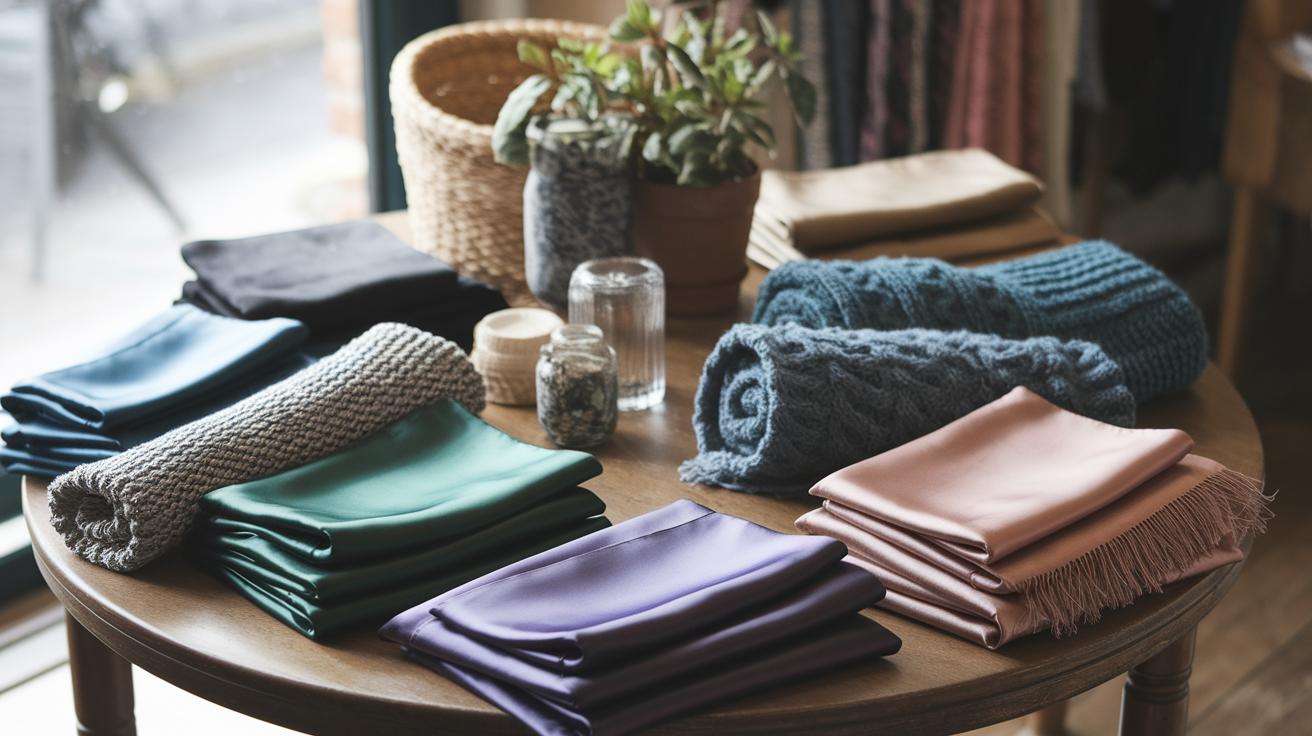
A clear rating guide saves you time by breaking down what really matters when you shop for scarves. It helps you quickly compare styles like silk squares, wool wraps, or chunky knits by focusing on a few key points.
By following a simple checklist, picking a scarf becomes easier. You learn about the fabric, look, how many ways you can wear it, how long it lasts, and how to care for it. This lets you choose a scarf that fits your style and everyday needs.
Below are the main points to consider:
- Material quality: This checks how the fabric feels, its shine, and overall strength. Think of fabrics like silk, wool, chiffon, and cotton.
- Design appeal: This looks at how the colors, patterns, and shapes work together, whether they are simple or bold.
- Versatility: This shows if the scarf will work for different occasions such as parties, casual days, or travel.
- Durability: This scores how well the scarf is made and if it will stand up to regular wear, especially if it has detailed weaves.
- Care requirements: This tells you how easy it is to clean and maintain the scarf, whether it needs dry cleaning or a gentle hand wash.
These factors combine into one overall score. They help you see both the immediate style impact and long-term value. With a clear way to weigh each point, you can pick a scarf that not only looks good but also stays useful over time.
Material Quality Evaluation in Fashion Scarves

Scarf fabrics come in many types like silk, chiffon, wool, cashmere, cotton, linen, and knit. Each one feels different. Silk feels soft and smooth with a gentle shine. Chiffon is very light and airy, making it a good choice for warm weather. Wool and cashmere keep you extra warm, while cotton and linen help you breathe. Knits offer a firmer structure that holds its shape well.
To check a scarf, run your fingers over it and feel how the fabric drapes. Look at the weave and thread count to see if it feels tightly made or more open. You can also do a quick dye test to see if the colors will stick around after many wears. These simple tests give you clues about the scarf's durability and overall quality.
I once handled a silk scarf that felt luxuriously smooth, and its tight weave made the sheen really stand out under the light. On the other hand, a chiffon scarf was almost weightless and best suited for layering over other items rather than keeping you warm.
This approach of combining a touch test with a close look helps you pick a scarf that not only looks good but also lasts through regular use.
Design and Aesthetic Scoring for Fashion Scarves

We score a scarf's design by checking its patterns, colors, shapes, and details. We keep an eye on how balanced, modern, or playful the design feels. This helps you decide if the scarf will add a burst of color to your outfit or stay as a subtle accent.
| Pattern Type | Key Features | Evaluation Focus |
|---|---|---|
| Animal Print | Bold spots, stripes, and natural markings | Strong visual impact with a wild balance |
| Geometric | Clean lines, repeated shapes, and symmetry | A crisp, modern look |
| Floral | Petals, leaves, and gentle curves | A soft, feminine feel with detailed design |
| Abstract | Freeform motifs without following a strict pattern | An artistic and unique expression |
| Solid | Uniform color with a hint of texture | A minimalist style that pairs well with anything |
When you look at a design, see how the pattern and colors work together. For example, an animal print on a neutral shade can give you bold flair without being too overwhelming. Geometric patterns should look neat and modern. Floral designs need a gentle mix of detail and harmony. The best design score comes when every element, from little details like tassels or embroidery to the overall color matching, creates a clear and stylish look.
Versatility and Functionality Ratings for Fashion Scarves
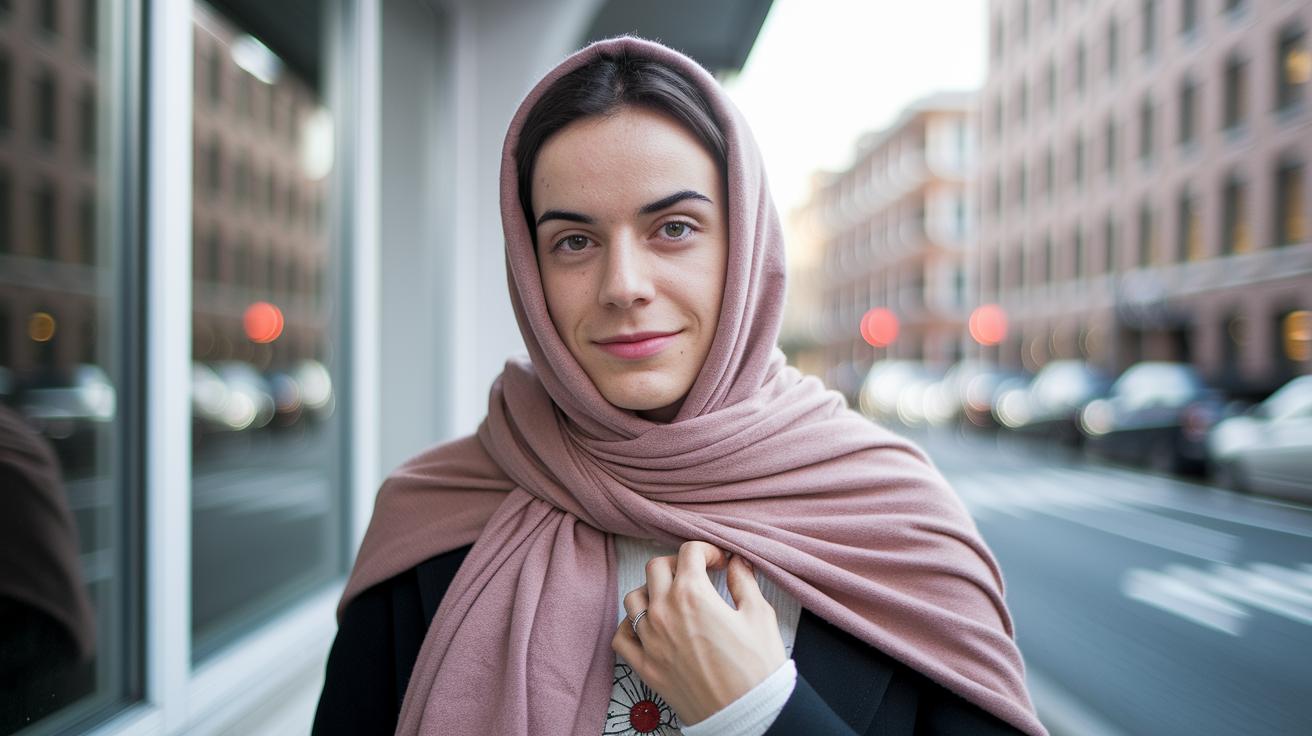
Start by checking how a scarf drapes and fits. For example, run your fingers over a square scarf (20-40") to feel how it moves in the air. Notice if it slips easily through a tie or holds a firm knot when wrapped around your head or used as a belt. A rectangular wrap (70 x 18") should work well as both a shawl and a casual neck accessory. A smooth drape and strong knot hold show that the fabric keeps its shape all day.
Next, see how the scarf adapts to different settings. A versatile scarf can shine in a business meeting just as well as it does on a relaxed weekend outing. Try a few different knots to see if it meets both practical and style needs. It should handle both intricate ties and simple drapes with ease, making it an essential accessory.
Finally, check how the scarf performs in different seasons. Light fabrics or pastel prints work best in the spring and summer, while chunky knit styles stand out in the fall and winter. Watching how the scarf responds to seasonal trends gives you a clear view of its overall adaptability and lasting appeal.
Trend Analysis and Brand Reputation in Fashion Scarf Ratings

We watch runway trends and social media chatter when we rate scarves. New arrivals, best sellers, and trending shapes grab our attention because they usually pop up in influencer tutorials or on red carpets. For example, if a scarf style is spotted at a movie premiere, it shows that real buyers are excited about it.
We also check the brand's reputation. Big names often deliver well-made scarves that can last, while fast-fashion brands give you similar styles at a lower price, though the quality might not be as good. When a famous designer backs a scarf, it tells us that the item has been honed through years of work and is a solid choice for shoppers.
Finally, we balance current buzz with timeless style. Promotional deals or viral trends might make a scarf popular for a short time. But classic shapes and colors tend to keep their appeal over many seasons. We look closely to see if the scarf's current popularity will stand the test of time.
Interpreting Scoring Scales and Care Guidelines for Fashion Scarves

We use a simple scoring system to rate every scarf. Material gets 30% of the score, design 25%, versatility 20%, durability 15%, and ease of care 10%. This way, every important part, from how the fabric feels to the many ways you can style it, is counted. For example, check if silk feels soft and smooth, if wool or cashmere gives you warming comfort, or if cotton and linen feel light and breathable.
Each score looks at a key detail. The design score considers color, pattern, and overall look. Versatility shows how many ways you can wear the scarf. Durability checks the stitching and build, while ease of care looks at how simple it is to wash and maintain.
Different fabrics need different care. Silk should be dry cleaned so it keeps its shine. Wool and cashmere do best with a gentle hand wash. Cotton and linen work well with a delicate machine wash, and polyester can handle a regular cycle. Always store your scarf folded in a shaded area and use a colorfastness test if you want to make sure the dye holds up after many wears.
Example Rating Rubric:
| Criterion | Description |
|---|---|
| Material | How the fabric feels (softness, smoothness, warmth) |
| Design | Colors, patterns, and overall look |
| Versatility | Number of ways to style the scarf |
| Durability | Stitching quality and construction |
| Ease of Care | How simple it is to clean and maintain |
Each factor is scored from 1 to 5. A 5 means the scarf excels in that area, while a 1 signals clear issues. Adding these weighted scores gives you an overall rating that shows both its style appeal and its lasting value.
Final Words
In the action, we broke down key evaluation areas for fashion scarves. We examined fabric feel, pattern appeal, style versatility, strength, and care methods. Each part showed clear tests and real-world examples so you know what to look for.
This method gives you a full picture of what matters before buying. Our review works as a complete guide to rating fashion scarves, making it easier to choose pieces that fit well, feel great, and stand up to everyday wear. Enjoy making smart, confident choices.
FAQ
Q: What does a complete guide to rating fashion scarves include for women and men?
A: A complete guide to rating fashion scarves covers key evaluation points like material quality, design, versatility, durability, and care. It offers practical advice for both women and men looking to score their scarf options.
Q: What is the best scarf material for winter?
A: The best scarf material for winter uses warm fabrics such as wool, cashmere, or heavy knits that provide insulation and a cozy feel while keeping style in check during cold weather.
Q: What does lightweight scarf fabric mean?
A: Lightweight scarf fabric refers to materials like chiffon or lightweight silk that drape softly and comfortably, making them ideal for warmer conditions where a breezy, non-bulky feel is desired.
Q: What is the best material for scarf knitting?
A: The best material for scarf knitting often includes yarns such as acrylic or cotton. They are easy to work with, provide warmth, and produce a soft, reliable fabric perfect for handcrafted scarves.
Q: What is the best material for a hijab scarf?
A: The best material for a hijab scarf is usually a breathable fabric like cotton or viscose that offers comfort, a gentle touch, and an easy drape while maintaining modest styling.
Q: What is the best scarf material for summer?
A: The best scarf material for summer generally includes linen, lightweight cotton, or chiffon. These fabrics keep you cool and offer a delicate, airy drape that suits warm weather perfectly.