

Have you ever noticed that some accessories really stand out while others seem to blend in? We turn style into simple numbers so you know exactly how much each accessory adds to your look. Each piece starts with one point and builds up to 16, making it clear if a scarf or hat really gives your outfit a boost. This approach takes the guesswork out of fashion and helps you pick pieces that make a real style statement.
Detailed Accessory Style Rating Methodology Radiates Quality

We use a clear scoring system to judge accessories. Instead of guessing, our method turns style into simple numbers. For example, we give a scarf 11 points because its bright color can change an outfit in a big way. Each accessory gets a number that shows how much it adds to the overall look. This reliable approach builds trust by showing exactly how items, from a hat rated 10 to patterned shoes at 9, fit into a balanced outfit.
Our scoring system breaks down the accessory mix into small, easy-to-measure parts. Each piece starts with one base point, and extra points are given based on the type of accessory. We follow a simple idea called the 16-point rule, meaning all parts add up to 16. This clear formula makes sure every piece fits together well.
Key parts of our method include:
- One base point for every accessory
- Extra points based on the style impact
- A target total score of 16 using the 16-point rule
- The idea that each accessory sends a message
- A four-part outfit model
The model uses four pieces: one basic item, one eye-catching piece, one that ties the look together, and one final accent. Stylists like this method because it shows how each part adds its own mood and personality. In the end, every accessory, from simple gold chains to bold statement items, helps create a clear, confident style.
Establishing a Rating Framework for Fashion Elements in Accessories
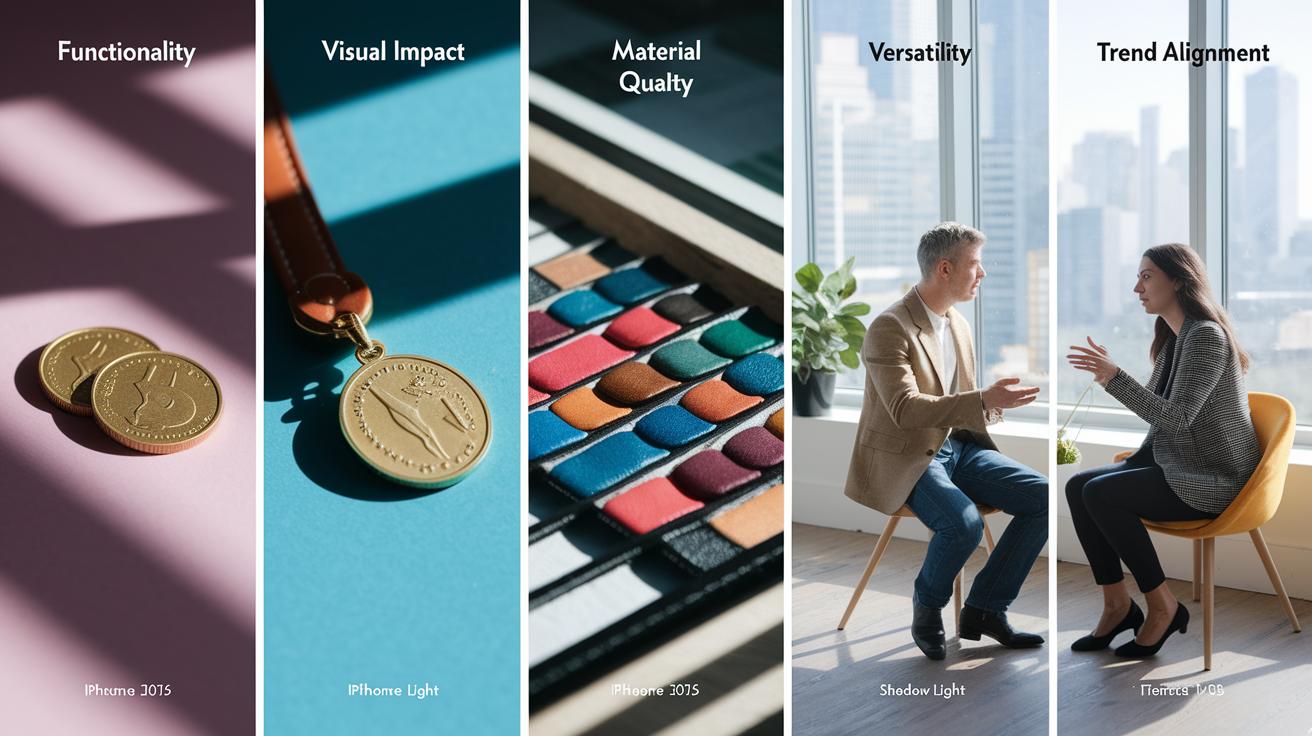
We break down accessory style into clear groups to turn personal opinions into facts everyone can check. Our method uses five simple areas: functionality, visual impact, material quality, versatility, and trend alignment. Each area helps you see what an accessory does. For example, a hat that blocks the sun and adds a cool look scores high in both function and style. This way, you can compare items easily and see how they all work together.
The weights in our system can change with new trends and styles. Designers and stylists give each area a score based on current tests and clear rules. They update these scores often so the ratings stay fresh as fabrics improve and tastes shift. With a flexible yet clear scoring process, this framework always gives a reliable look at an accessory. It helps guide design choices and builds outfits that feel well put together.
Step-by-Step Process Analysis for Accessory Evaluation

We use a simple scoring system based on 16 key points. First, we set up base points for each accessory and add extra points for different types. Next, we break accessories into groups and rate them from 1 to 5 (1 means low, 5 means high). We note down the raw scores and then adjust them with weight multipliers for each accessory type. This method turns style details into clear, measurable numbers.
| Step | Description | Outcome |
|---|---|---|
| 1 | Define accessory categories | Set the dimensions for evaluation |
| 2 | Set rating scales (1–5) | Create a consistent measure for each attribute |
| 3 | Record raw scores | Collect the initial ratings |
| 4 | Apply weight multipliers | Adjust the scores to show impact |
| 5 | Compute totals | Add up the accessory score |
| 6 | Benchmark with the 16-point rule | Get the final, balanced rating |
For instance, when rating a scarf, start by scoring how soft the fabric feels on a 1 to 5 scale. Then add extra points if its design boosts the overall look. This follows our clear, step-by-step method.
Quantitative and Qualitative Measurement Criteria for Embellishments
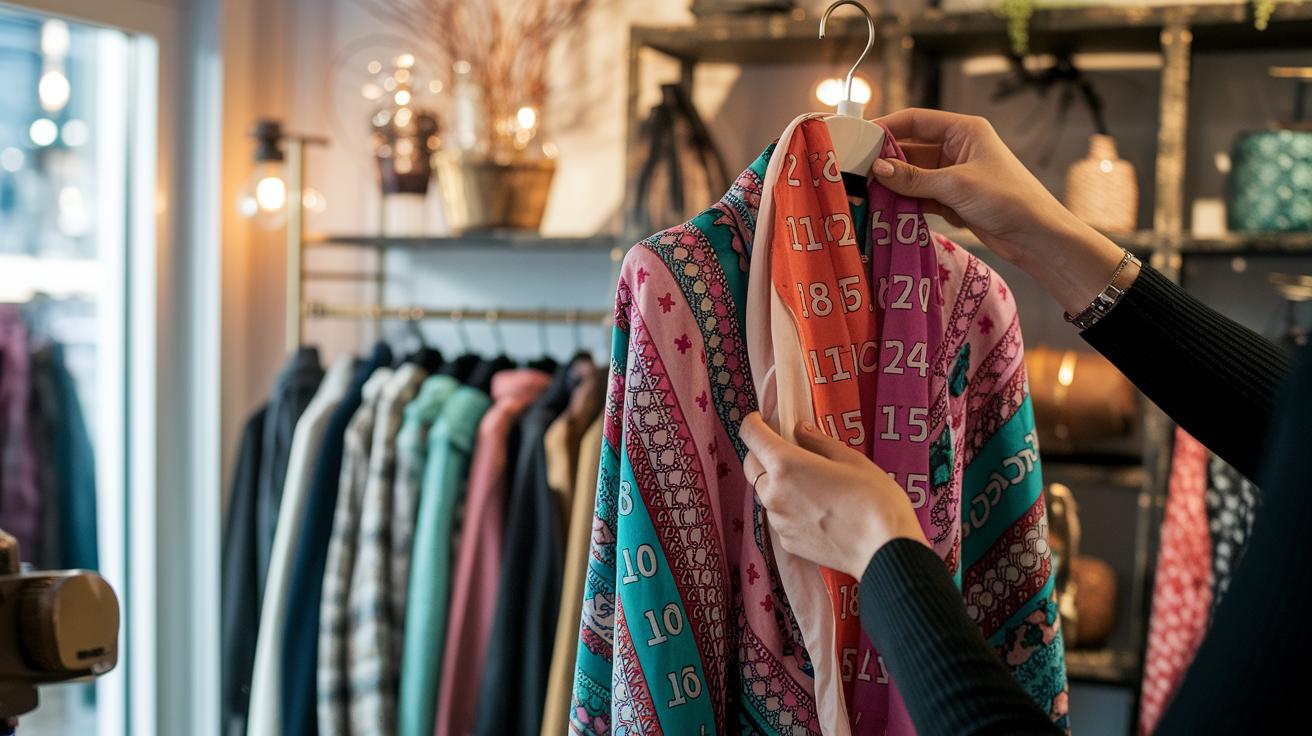
We use a simple 1 to 5 scale to rate different details on an accessory. For example, a color intensity score of 1 means soft, subtle shades, while a 5 points to bright, vivid tones. We use the same scale for pattern boldness and for how rich the texture appears.
But numbers only tell part of the story. We also look at whether the piece fits well with an outfit, if it sets a mood, or if it follows current trends. These personal touches help explain the overall style in a way numbers cannot.
By combining clear scores with honest impressions, we get a full picture of an accessory’s value. We update our method regularly, making sure it stays fair and useful for designers and stylists alike.
Calibration and Validation Methods in a Style Rating Methodology

We start by using careful calibration to keep our accessory scores fair and steady. We pick a range of items, from a bold hat to a patterned pair of shoes, as our benchmarks. Each item gets a number using our simple scoring system. We then compare these average scores to our goal numbers (for example, those based on a 16-point rule). If the scores don't match up, we tweak the weight multipliers so that each accessory's impact is measured correctly. For instance, if a scarf wins extra points for its eye-catching color, we adjust it against other items to keep everything in balance.
We also make sure our system stays on track over time through validation. We have several testers score the same items to check that scores remain consistent (this is called inter-rater reliability). We review past scores periodically and invite feedback from designers and stylists to fine-tune the criteria. This process helps our method keep up with changing trends, so it always delivers clear and trustworthy ratings.
Case Studies Applying a Detailed Accessory Style Rating Methodology
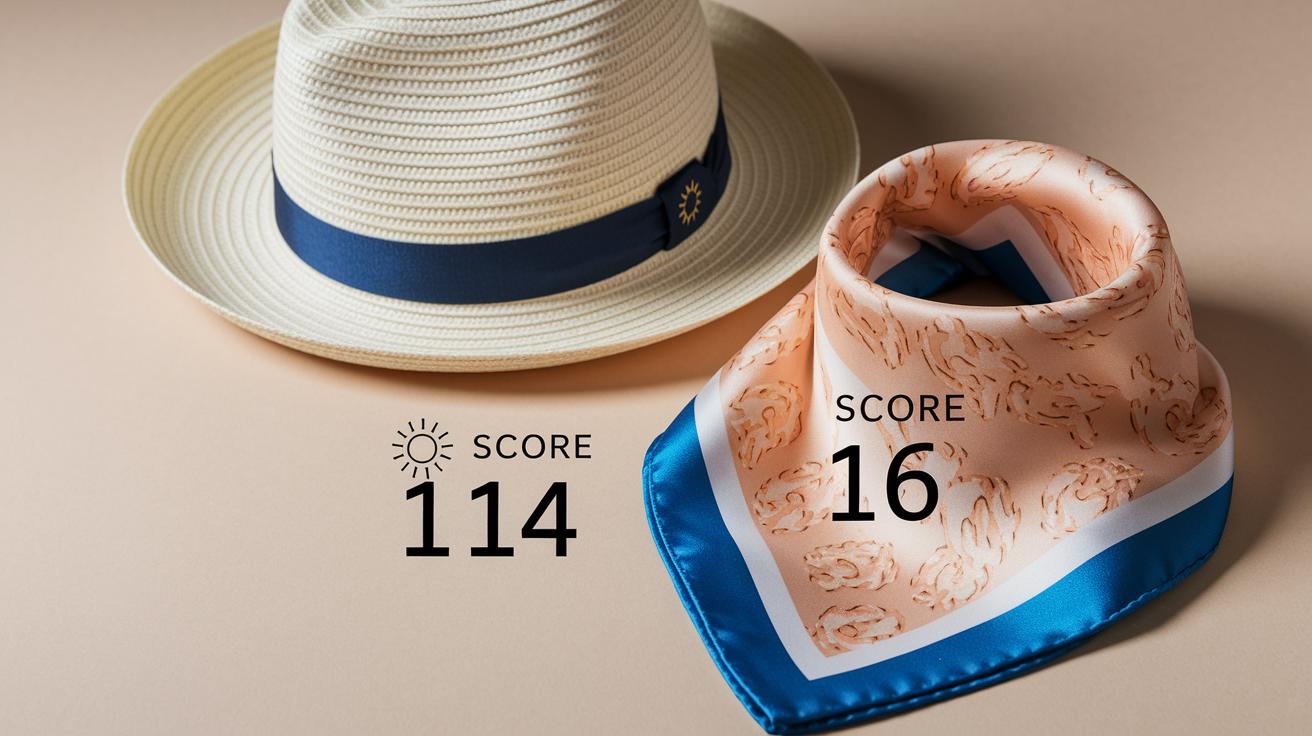
These case studies explain how our scoring system works in the real world. Every accessory starts with a base number, and we add another score to get a balanced final rating. This method clearly shows how each piece can lift an outfit.
Hat Evaluation Example
For hats, we begin with 10 points. We then add an extra style score of 4 (out of 5) to reach a total of 14. This number shows that the hat offers both sun protection and a stylish edge.
Scarf Evaluation Example
Scarves start at 11 points. A top texture score of 5 (out of 5) brings the total to 16. This perfect score shows that a scarf can add a striking pattern and cozy warmth.
Jewelry Evaluation Example
Jewelry starts with a modest 8 points. Adding a mix-metal score of 3 (out of 5) gives a final rating of 11. This score reflects a balance between classic matching and creative mixing.
Handbag Evaluation Example
Handbags also kick off with 10 base points. A functionality score of 4 (out of 5) boosts the total to 14. For more details, check out our luxury handbag reviews. This score highlights a fun design paired with everyday usability.
| Accessory | Base Points | Metric Score | Total Score |
|---|---|---|---|
| Hat | 10 | 4 | 14 |
| Scarf | 11 | 5 | 16 |
| Jewelry | 8 | 3 | 11 |
| Handbag | 10 | 4 | 14 |
These examples give designers and stylists some clear pointers. They show that even small changes in the extra score can shift the overall impact of an accessory. The system measures not just how the item looks but also its practical qualities in creating a complete look.
Final Words
In the action, we built a clear, practical guide focusing on detailed accessory style rating methodology. The article walked through the systematic approach to scoring with measurable metrics and subjective cues assigned for each accessory type.
We broke down the process from base points, type-based impact, and the 16-point rule to final calibration. This framework helps designers and style evaluators pinpoint the best pieces while giving shoppers a straightforward checklist for smart purchases.
Positive results make buying that much more rewarding.