

Ever notice how some shoes seem made just for your feet? Ergonomic footwear does more than look nice. They make each step feel natural and easy. Think of it like walking on a soft cushion that wraps around your foot and eases pressure right where you need it. With a smooth slope from heel to toe and a middle layer that soaks up impact, these shoes help you stay steady all day. In this article, we break down how every smart detail works together to give you real comfort with every step.
Fundamental Principles of Ergonomic Footwear Design
Ergonomic footwear is made to help your foot move naturally while keeping it well supported. It spreads out pressure evenly and lessens strain on your joints with every step. Think of it like a shoe that gently hugs your foot just as your own arch does.
A major part of this design is the heel-to-toe drop. This is the height difference between the heel and the front of the foot, usually between 0 and 12 mm. For instance, a 10 mm drop creates a gentle slope that eases your heel into each step, letting your foot move as nature intended.
The shoe also features a footbed that is shaped to follow the natural curve of your foot. This custom-like cushion supports your arch and boosts stability, much like a perfectly fitted inner sole.
Lastly, the shock-absorbing midsole acts as a soft barrier between your foot and hard surfaces. It helps reduce the impact on your joints during your day-to-day activities. Together, these elements make each step feel comfortable and supported in a natural way.
Ergonomic footwear design Brings Ultimate Comfort
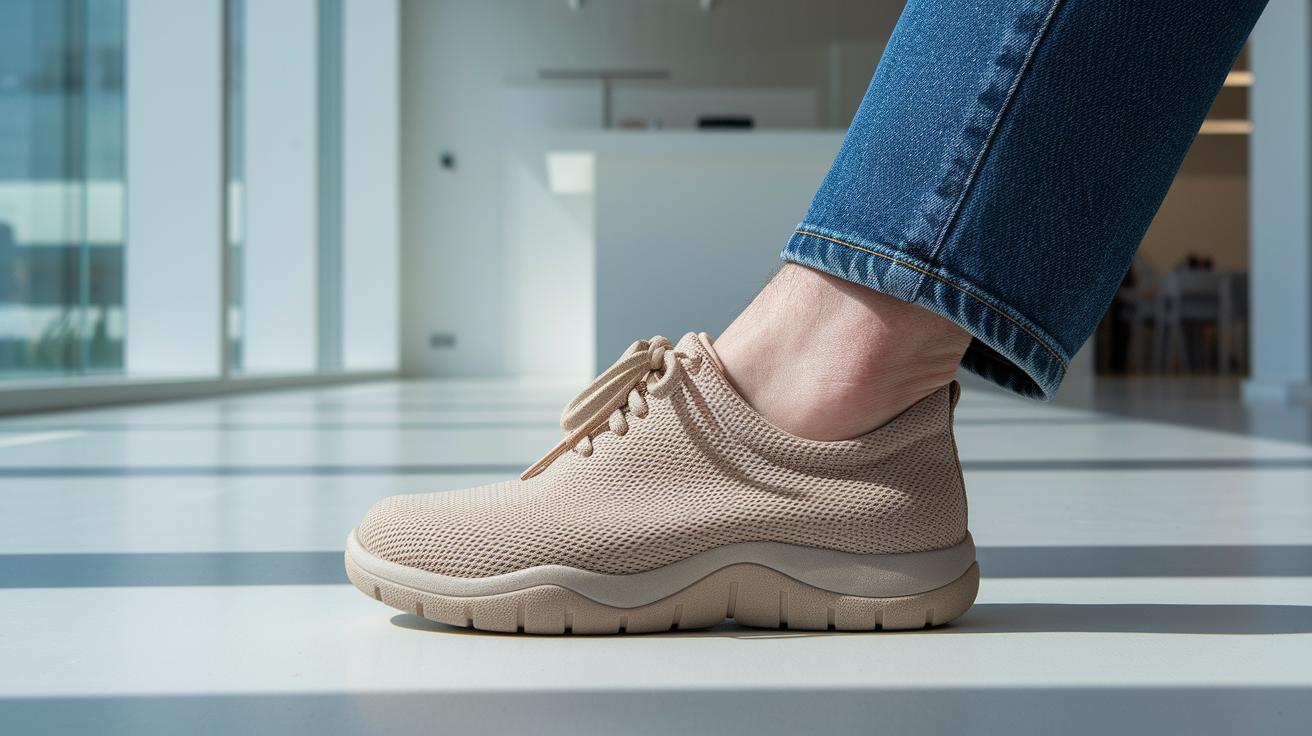
Contoured footbeds lie at the heart of a smart shoe. They follow the natural curve of your foot to spread pressure evenly. It feels like slipping into a custom-built hug with every step. Paired with adjustable arch supports, you can fine-tune the fit to match your own foot shape.
Deep heel cups give extra stability by cradling your heel, which helps keep your balance steady. Flex grooves are cut into the outsole so your foot can bend naturally at the ball. This design makes your steps smooth, just like a well-oiled hinge that moves with you.
Breathable uppers let air circulate around your foot so they stay cool and dry even after long hours on your feet. Each part, from the contoured footbeds to the flex grooves, works together to boost stability, support a natural walk, and ease pressure points.
- Contoured footbeds follow your foot's natural curves
- Adjustable arch supports let you customize the fit
- Deep heel cups cradle the heel for more stability
- Flex grooves allow your foot to bend naturally
- Breathable uppers keep your feet cool and fresh
Materials and Technologies in Ergonomic Footwear
Ergonomic shoes use smart, simple materials to keep your feet comfortable and supported. The midsole often features EVA (a light, springy foam) that gives a cushioned, buoyant feel, while PU foam (a denser, firmer cushion) helps absorb shocks when you walk. Together, they reduce stress on your feet and make every step feel smoother.
Some designs also include gel inserts for extra cushioning in the heel or the ball of your foot. These gel pieces soak up impact during active moments. Additionally, some shoes now use 3D-printed lattice structures in the footbed. This tailored design fits your foot like a personal mold to give you custom support.
The uppers of these shoes are made from moisture-wicking mesh that keeps your feet cool and dry. And with tools like CAD and foot-scanning systems, the fit is refined to match your foot's unique shape. Each material and technology is chosen to support your step, cushion impacts, and keep your walk natural.
Health and Performance Benefits of Ergonomic Footwear
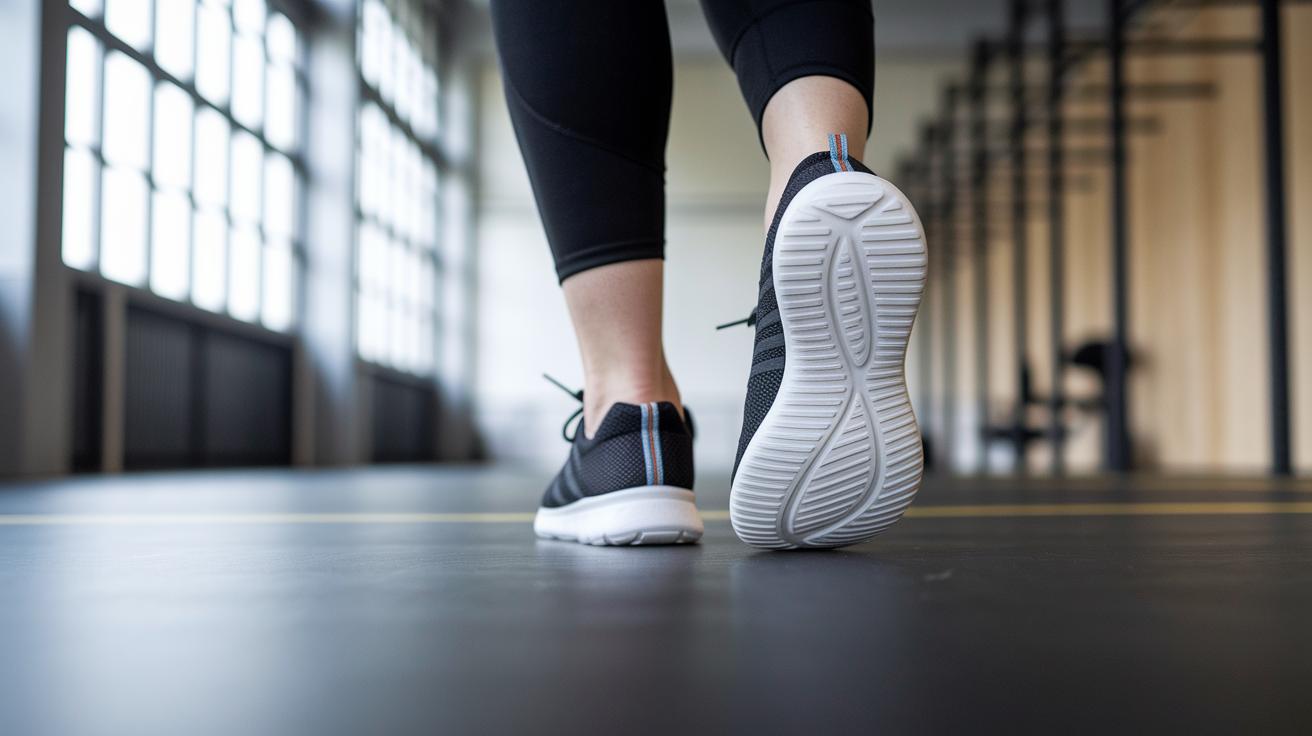
Ergonomic shoes make every step feel smoother and cut down on foot tiredness by about 30%. They work by following the natural shape of your foot, which helps keep your body balanced and can ease discomfort from long hours on your feet or heavy activity.
These shoes help with problems like plantar fasciitis (inflammation along the band from your heel to your toes) and metatarsalgia (pain in the ball of your foot) by adding extra cushioning and support right where you need it. The arch support fits your foot’s curve, so each step feels less strained.
The midsole is designed to absorb shocks, softening impacts and reducing the jolt that can travel up your legs when you move, whether you're working or playing sports. Plus, flex grooves let your foot bend naturally, which helps take the pressure off your joints. All these features work together to keep your feet and body comfy throughout the day.
Selecting Ergonomic Footwear: Fitting Tips and Key Features
First, take a moment to measure your foot. Use a tape measure to check its length, width, and arch height. For example, trace your foot on a piece of paper, mark where your heel sits and where your longest toe ends, then measure the distance between them. This simple step helps you pick a pair that fits well.
Next, think about how your foot moves. If it tends to roll inward or outward as you walk, find shoes that offer extra stability. Look for a solid midfoot lock-down (a feature that holds your foot in place) to help guide your motion.
When you shop, check if the insoles can be removed. Removable insoles let you add your favorite cushioning or custom inserts, so you can adjust the support every time you wear them.
Also, seek out shoes with adjustable closures like laces or straps that secure the fit. A cushioned collar around the ankle and adjustable arch supports can make a big difference. These features work together to give you a fit that feels custom-made, keeping your feet steady and comfortable all day.
Measure, test, and choose the right pair for a fit that feels built just for you.
Evaluating and Customizing Ergonomic Footwear
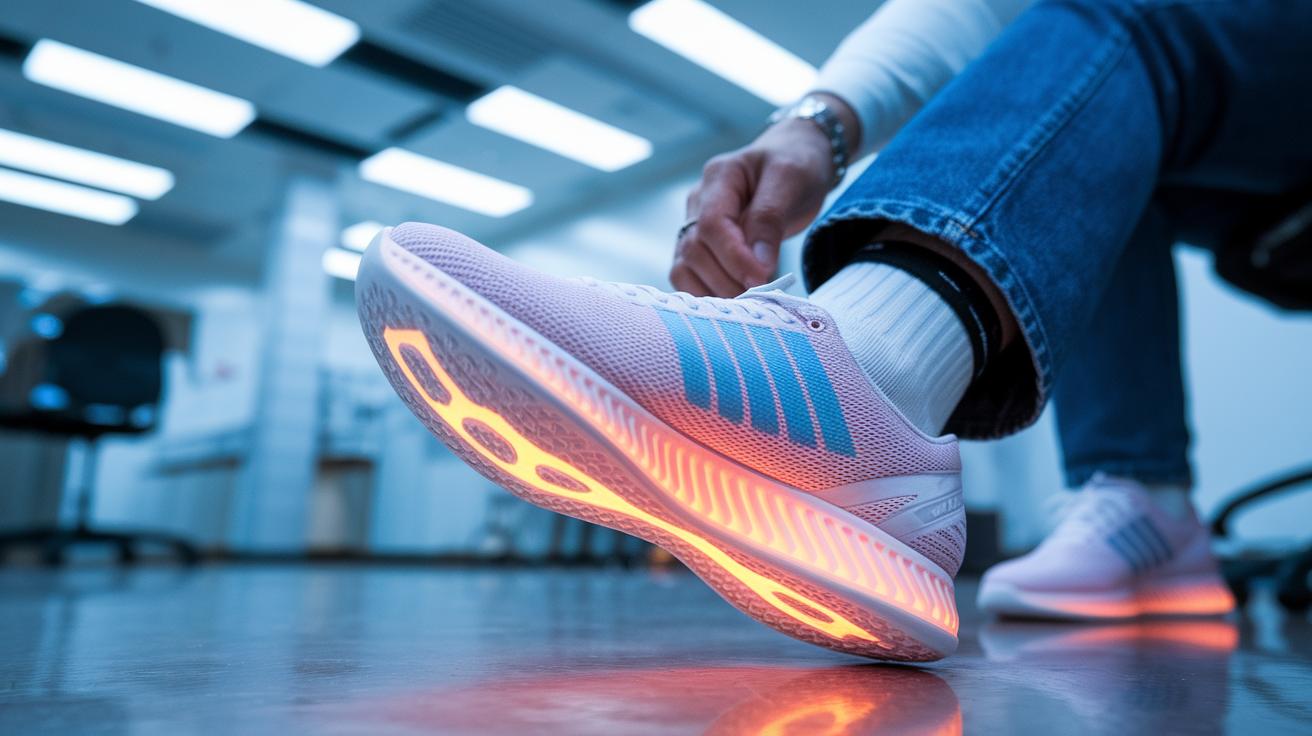
When we test shoes built for comfort, we use simple steps to check how they feel on your feet. One test is pressure-mapping (a way to see which areas of your foot get the most pressure). This helps us know exactly where extra cushioning might be needed. We also watch how you walk with a gait analysis to see if a shoe supports a natural stride. Certifications like ASTM and ISO set clear standards to make sure the shoe meets quality marks.
Experts suggest using both pressure tests and movement analysis to get the full picture. This combined approach shows if a shoe might need a few tweaks or if a different pair might work better for your comfort.
There are a few ways to customize your shoes:
| Option | Description |
|---|---|
| Off-the-shelf orthotic inserts | Pre-made inserts that give targeted support where you need it most. |
| Fully custom footbeds | Footbeds made from 3D scans of your feet for a personalized cushion and fit. |
| Consultation with a podiatrist | Professional advice to fine-tune the alignment and fit of your shoes. |
Each option can help match your foot to its perfect support, making each step more comfortable and reducing joint strain. A few personal adjustments can go a long way in keeping your stride steady and your feet happy.
Final Words
In the action, we broke down the core elements of ergonomic footwear design. We touched on contoured footbeds, cushioned midsoles, and modern materials that work together to support natural movement. We also shared fitting tips and testing methods that help you zero in on the right pair for your unique needs. Each detail works to reduce strain and enhance comfort, paving the way for a more confident purchase. Smart choices in design and fit keep your step light and your mood upbeat.
FAQ
What is ergonomic footwear design?
The ergonomic footwear design means shoes built to match the natural shape of your foot. They typically use a specific heel-to-toe drop, contoured footbeds, and shock-absorbing midsoles to improve support and reduce strain.
How do ergonomic shoes reduce joint strain?
The joint strain reduction in ergonomic shoes comes from their ability to absorb shock and evenly distribute pressure. This design encourages proper alignment, easing fatigue and discomfort in daily use.
What are the key components of ergonomic shoe design?
The key components of ergonomic shoe design include contoured footbeds, adjustable arch supports, deep heel cups, flex grooves, and breathable uppers. Each feature enhances stability and supports a natural gait.
Which materials and technologies are used in ergonomic footwear?
The materials and technologies used in ergonomic footwear include EVA and polyurethane foam for cushioning, gel inserts for targeted support, 3D-printed lattice structures, and foot-scanning systems to achieve a precise fit.
What health and performance benefits do ergonomic shoes offer?
The health and performance benefits of ergonomic shoes include reduced foot fatigue, improved posture, and relief from conditions like plantar fasciitis. Their design also boosts shock absorption and motion control during activities.
How should I select the right pair of ergonomic shoes?
The selection of ergonomic shoes involves measuring your foot length, width, and arch height, examining pronation type, and checking features like removable insoles, adjustable closures, and cushioned collars for a secure fit.
How do I evaluate and customize ergonomic footwear?
The evaluation and customization of ergonomic footwear involve testing methods such as pressure mapping and gait analysis. Options include off-the-shelf orthotic inserts, fully custom footbeds from 3D scans, and consultations with podiatrists for a tailored fit.