

What if your cherished necklace lost its sparkle because it didn't get the care it needs? In this post, we share five simple steps, from how to clean it right to where to store it, to help keep your jewelry looking fresh. A little care now can stop damage early and save you money later. When you follow these easy tips, your accessories will stay bright and shiny for years. Let's dive in and see how a bit of upkeep makes all the difference.
Core Criteria for Evaluating Accessory Care and Maintenance Ratings
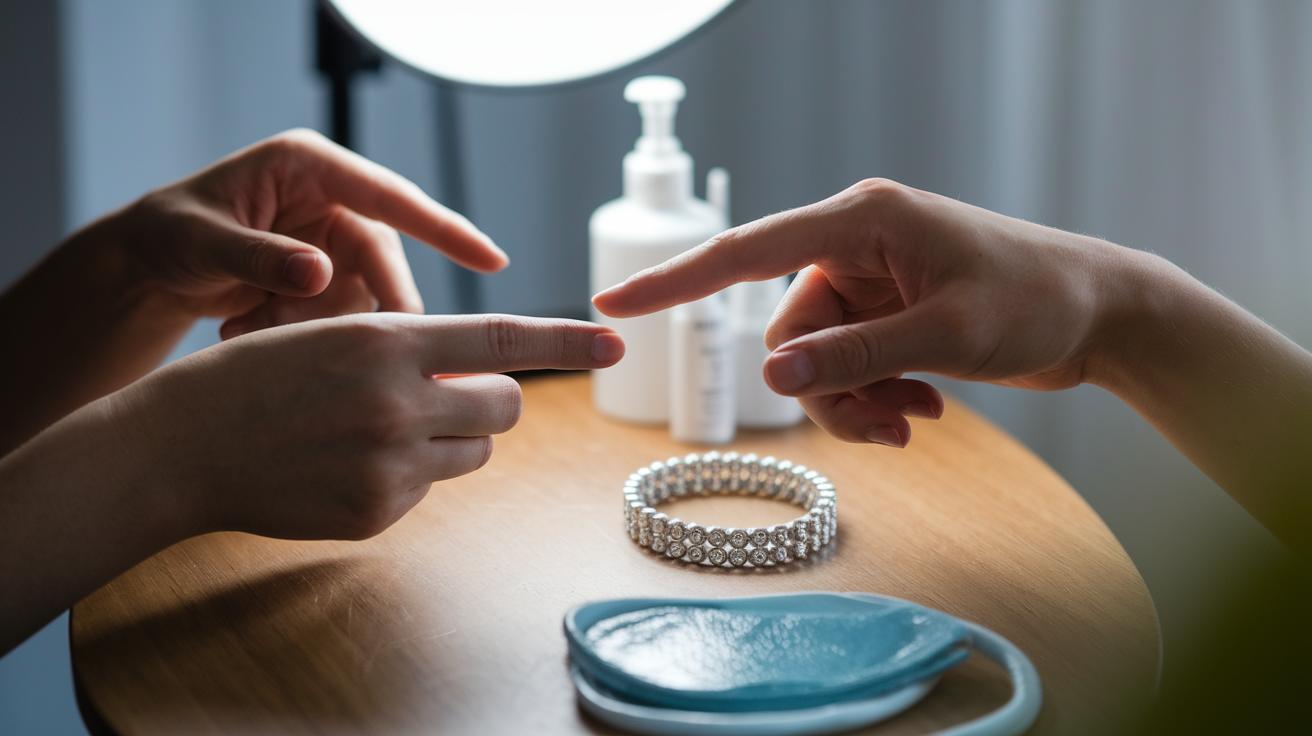
We judge accessory care using five simple measures. First, cleaning effectiveness checks how well an item gets back its shine using the right materials. For example, plated accessories need a soft cloth to gently wipe away dirt without water or chemicals so the plating does not peel.
Next, we look at reliability and punctuality. This means checking that cleaning happens regularly to stop damage before it starts. Then, cost-effectiveness makes sure the cleaning steps work well over time without costing too much.
We also consider handling-protocol adherence. This means following the exact steps when cleaning delicate items like plated pieces or 925 silver (a type of sterling silver). For instance, 925 silver looks best when cleaned often with a silver polishing cloth or trusted polish and kept away from too much water to prevent dulling.
Finally, storage compliance checks that accessories are stored safely. Each piece should be kept apart and wiped clean before being stored so no hidden dirt builds up.
We follow rating methods similar to those in articles like "How Are Designer Handbags Rated." Using the right cleaners and avoiding harmful chemicals is key to protecting these pieces. In contrast, surgical stainless steel items can handle warm water with a neutral detergent if they are dried right away. These steps form a clear and practical guide to long-term accessory care.
Standard Procedures and Benchmarks for Durability Assessment
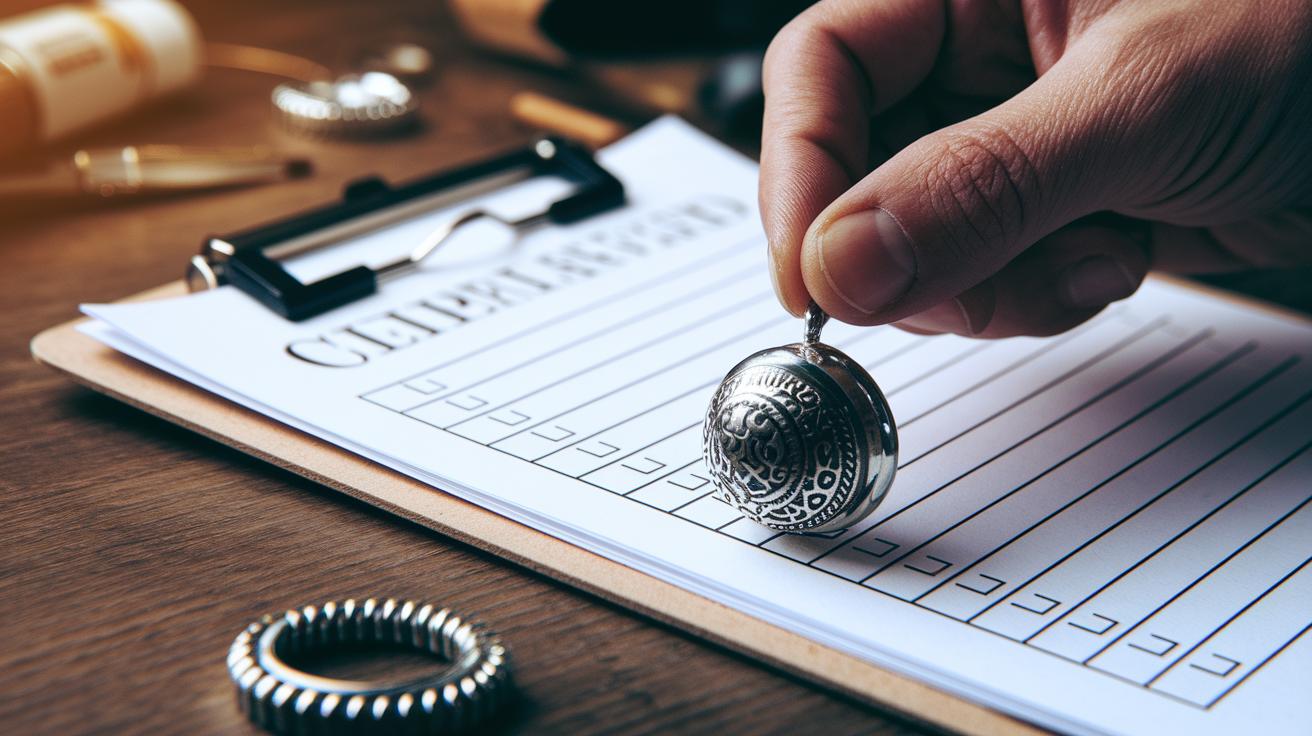
Frequent checks help catch any early signs of wear on accessories. Inspectors can run a fingernail gently along a surface to spot any uneven wear in the plating. They also check for tarnish on items like 925 silver (a common silver alloy) to catch early signs of oxidation and test clasps to be sure they move smoothly.
A clear checklist keeps everyone on the same page. For example, you can list rules such as "less than 5% surface wear is acceptable" and "minimal oxidation with no visible dark spots." You might also include simple steps for cleaning. With these benchmarks, it becomes easier to decide if an item needs quick attention.
Using mobile apps for audits or digital reporting tools makes updating and tracking data a breeze. These tools let you update information in real time and follow the condition of accessories over several checks. They can even remind you when it is time for another inspection.
It is wise to schedule follow-up checks at regular times. Think about re-inspecting after season changes, after travel or renovations, or when you begin to hear regular complaints about quality. This regular approach helps you catch problems early and keeps your accessories looking their best for longer.
Designing and Calibrating Rating Scales for Accessory Maintenance

When you create a rating scale for accessories, use a simple range like 1 to 5. This helps you rate parts like plating, tarnish resistance, ease of cleaning, and storage safety. For example, a 5 means the accessory looks brand new, a 3 shows slight tarnish, and a 1 points to heavy oxidation or damage.
Start by collecting data from several rounds of inspections. This data sets clear standards. If an accessory shows no wear, it should always score a 5. Testers note their findings and match them with a fixed list of descriptors, which makes it easy to rate every part accurately.
Then, decide how much each factor matters. For example, plating health might count for 40% of the final score. This ensures that major problems have a bigger impact on the overall rating. Compare your average scores and adjust the scale to reflect what happens in real life. A clear numeric system helps you spot issues quickly and keep your accessories lasting longer.
Crafting Comprehensive Inspection Checklists for Maintenance Reviews
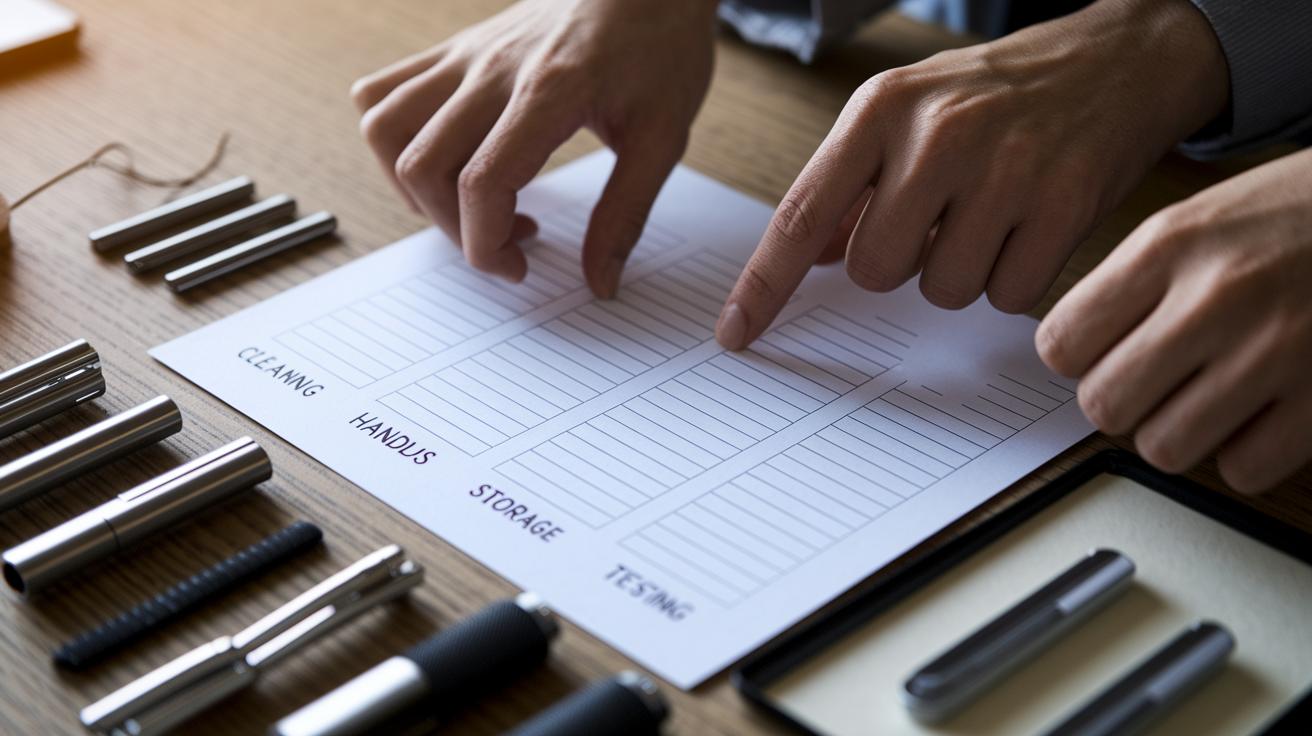
A detailed checklist helps you review accessory maintenance with clear steps. We break the process into four parts to cover every important detail. First, check the cleaning method to make sure the right techniques are used for each material. Next, follow handling rules to give fragile items the gentle care they need. Then, review storage conditions (like temperature and humidity) to keep items safe. Finally, test parts such as clasps and hinges to confirm they work properly.
For cleaning checks, note which cleaning materials are used and how they affect the accessory. For example, a plated item should be wiped with a soft, dry cloth. The handling step reminds you to steer clear of water and chemicals on delicate surfaces. When checking storage, write down the room conditions and ensure items are kept apart to avoid damage from rubbing together. In functional testing, press clasps and hinges lightly to see if they move smoothly.
Using digital tools like tablet apps alongside traditional instruments such as magnifying glasses and tarnish testers gives you accurate measurements. This mix provides real readings on paper and as digital records. A sample table could look like this:
| Item | Measurement | Observation |
|---|---|---|
| Accessory A | 24 mm | Clasp moves smoothly |
| Accessory B | 30 mm | Needs gentle cleaning |
Tracking key numbers makes your process even better. Keep a record of things like the number of issues per 100 items, the time taken for a cleaning cycle, and the cost involved per cycle. These facts help set benchmarks and highlight areas for improvement.
By following this kind of checklist, covering cleaning, handling, storage, and functional parts, and by recording both digital and manual data, you can be sure that your accessory care meets high standards and that your maintenance efforts pay off.
Comparative Care Studies: Evaluating Maintenance Methods for Different Materials

We stick to basic care rules for keeping your accessories looking their best. The table below lays out key details like cost, cleaning frequency, and real user comments without rehashing earlier points.
| Material | How to Clean | Cost per Cycle | Cleaning Frequency | User Feedback |
|---|---|---|---|---|
| Plated Accessories | Gently wipe with a soft cloth; steer clear of water, chemicals, and rough polishing. | About $2 | Weekly | “Think of it like carefully cleaning a sensitive screen with a quick wipe.” |
| 925 Silver | Clean with a silver polishing cloth or a trusted silver polish; use an anti-tarnish pouch for storage. | $2 to $5 | Weekly to Bi-weekly | “Feels like giving the accessory a little spa treatment.” |
| Surgical Stainless Steel | Wash with warm water and a mild detergent; use soapy water for stubborn dirt and dry right away. | Modest expense | Monthly | “Cleans well for tough oil and dirt without any fuss.” |
Best Practices for Developing Ongoing Maintenance Evaluation Protocols

To keep your accessories lasting longer, start by checking them on a regular schedule. We suggest doing an inspection every three months, after each season, and after big events like renovations or long trips. This helps you catch small issues before they grow into big problems.
Make sure everyone who handles these items learns the proper way to care for them. Train both staff and users on how to use checklists and handle accessories gently. A simple reminder could be, "When cleaning a plated item, wipe gently with a soft cloth to keep the finish intact." It is a good idea to run refresher sessions every six months.
Write down every finding in a standard report. In your report, include clear steps if a problem is spotted. For example, you might note: "Accessory X showed a little oxidation. Action: Cleaned with approved silver polish and moved to risk category B." Keeping detailed records makes it easier to follow up and maintain consistency.
Sort your items by how risky they are and check them accordingly. High-risk items need more frequent reviews. Here is a guide to follow:
| Risk Level | Review Frequency |
|---|---|
| Low Risk | Annual review |
| Medium Risk | Bi-annual review |
| High Risk | Quarterly review |
By following these steps, you help ensure that your accessories remain in good shape for a long time. Regular reviews, proper training, detailed documentation, and sorting by risk level keep surprises to a minimum and maintenance efficient.
Final Words
In the action, we explored core criteria, standard checklists, and rating scales. We broke down methods from cleaning protocols to inspection benchmarks for different materials. Each section focused on practical steps from gentle wiping for plated pieces to careful durability assessments using digital tools.
We rounded off with best practices that empower you with solid guidance. By evaluating accessory care and maintenance ratings, you gain the insights needed to make confident decisions and build a lasting, well-maintained wardrobe.
FAQ
Q: Medicare ratings for rehab facilities
A: Medicare ratings for rehab facilities show how well centers meet government care standards by scoring inspections, staffing, and quality metrics to help you compare options.
Q: CMS 5-star rating calculator
A: The CMS 5-star rating calculator scores nursing homes using health inspections, staffing levels, and quality measures, resulting in a simple star score for quick comparisons.
Q: CMS Star Rating lookup
A: The CMS Star Rating lookup lets you search for nursing home ratings based on standard quality criteria, making it easier to compare facility performance.
Q: Nursing home Compare 5 star ratings
A: Nursing Home Compare 5-star ratings summarize a facility’s inspection results, staffing, and quality of care, offering a quick visual guide to overall performance.
Q: Medicare gov nursing home star ratings near me
A: Medicare gov nursing home star ratings near me provide local facility scores based on government evaluations, detailing care quality and service levels to inform your choice.
Q: Nursing home star rating lookup
A: A nursing home star rating lookup is an online tool that displays star scores for facilities, reflecting their results from health inspections and quality measures.
Q: How to calculate 5-Star rating for nursing homes
A: Calculating a 5-star rating for nursing homes requires evaluating inspection scores, staffing, and care quality through a standard algorithm that assigns an overall performance star.
Q: CMS Star Ratings 2025
A: CMS Star Ratings 2025 refer to the upcoming or revised rating benchmarks using updated inspection data and quality criteria to better highlight current performance.
Q: How to measure cleaning quality?
A: Measuring cleaning quality involves checking surfaces for cleanliness, verifying correct disinfectant use, and using standardized checklists to assess overall maintenance performance.
Q: Can you trust star ratings?
A: Trust in star ratings grows when you review the detailed criteria behind them; while they offer a quick guide, a closer look at the underlying measures ensures reliability.
Q: What is the five star quality rating system?
A: The five star quality rating system assigns scores based on facility inspections, staffing, and quality measures, summarizing overall performance with a simple star rating.
Q: How to become a good housekeeping tester?
A: Becoming a good housekeeping tester means learning proper cleaning protocols, using standard checklists, and consistently practicing evaluation methods to accurately rate cleaning standards.