

Quick Verdict:
Your go-to accessory should keep pace with your day.
Ever wondered if your favorite bag or watch can really handle a busy schedule? We put everyday pieces like leather bags and metal watches to the test. We checked how tough the material is, how easy it is to clean, and whether it can face any weather. Our simple checklist makes it clear which items really stand up to daily wear.
In this post, we break down our testing steps so you can pick accessories that are built to last.
Evaluating Accessory Care and Maintenance Ratings: Winning

We use clear, consistent checklists to rate how well accessories take care of themselves. By testing with simple, measurable points, we make sure every item, whether it's leather, metal, or fabric, is judged fairly. This method helps check quality, lifespan, and overall satisfaction for everyone.
Setting solid benchmarks makes evaluations easier. For instance, checking material sensitivity shows how an accessory stands up to everyday wear. Cleaning tests reveal if regular maintenance keeps its finish looking good, and service-life estimates let you know when a little repair might prevent big problems later.
The main points we use for rating accessory care are:
- Material strength (like leather, metal, or fabric)
- How well it works with cleaning and conditioning products
- Resistance to moisture, sunlight (UV), and rough contact
- The frequency and depth of upkeep needed
- How simple it is to perform regular maintenance
- Expected service life and future repair needs
Putting these factors into one rating system gives a clear picture of each accessory's care needs. We base our ratings on real tests and customer feedback, making it easy to see what works well and what might need extra attention.
Accessory Maintenance Rating Systems and Condition Grading Frameworks

Rating systems keep things fair across different accessory types by using simple methods. They rely on tools like inspection checklists, online platforms, and mobile audits to measure wear, cleanliness, and how easy an item is to care for. This process turns detailed inspection results into clear upkeep ratings so you can easily compare items, even if they differ in material, size, or design.
They break the review into two main parts. One part assigns a number, usually from 1 to 10, where 1 means the item is in poor condition and 10 means it looks like new. This makes it easy to see how worn or clean something is.
Numeric Rating Scales
Numeric rating scales take all the inspection data and turn it into a simple score. Whether it is a scale from 1 to 5 or 1 to 10, each number shows a clear level of wear, cleanliness, and maintenance needs. The scores are based on set rules so that each number means the same every time.
Descriptive Condition Grades
Descriptive condition grades use words like Mint, Very Good, Good, or Fair to quickly tell you the condition of an accessory. These grades come straight from the inspection findings and give you an easy snapshot of quality.
By using both numeric scores and descriptive grades, this system gives you precise details along with simple language. This mix keeps maintenance ratings clear and easy to compare no matter what type of accessory you are looking at.
Evaluating Accessory Durability with Wear Resistance Testing

Wear testing is a simple way to check how well an accessory holds up with everyday use. We use machines that mimic real-life stress to see when an item might start to show damage. By counting cycles until failure and measuring scratch depth in millimeters, we can compare how tough different products are. For instance, if a leather handbag lasts through many cycles before showing wear, it earns a higher maintenance score.
These tests help build clear rating scales. An abrasion test using a Martindale or Rub Tester shows how many cycles an item can handle before its surface gets damaged. A scratch test with a Rockwell or Scleroscope measures the depth of any marks in millimeters. A tensile test using a Universal Tester checks how much force it takes to break the item. Flex fatigue tests count how many bends an item can endure until it fails. These simple measurements offer a solid way to compare durability.
| Test Type | Method | Metric |
|---|---|---|
| Abrasion | Martindale/Rub Tester | Cycles to Abrasion |
| Scratch Resistance | Rockwell/Scleroscope | Depth (mm) |
| Tensile Strength | Universal Tester | Force at Break (N) |
| Flex Fatigue | Repeated Bend Test | Number of Bends |
Maintenance Best Practices and Preventative Care Measures for Accessories
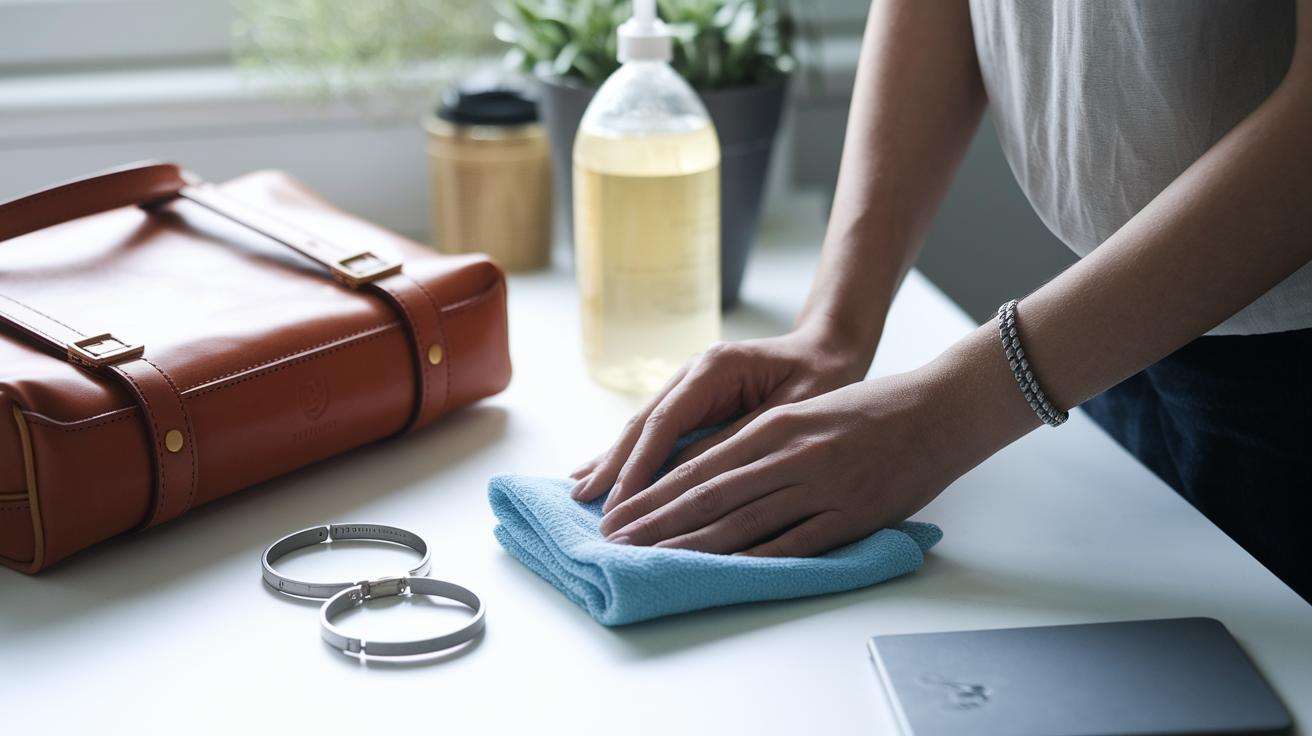
Keeping your accessories in top shape is all about routine cleaning and gentle care. Start with a soft cloth dipped in a mild detergent solution to wipe down surfaces. Avoid harsh scrubbers and soaking the material, which can harm finishes. After cleaning, let your accessory dry in a shady, well-ventilated spot. A quick wipe and air drying can really boost its lifespan.
Next, protect your items with a bit of conditioning. For leather accessories, a light coat of leather oil helps keep them soft. Metal pieces do well with a gentle polish to avoid tarnish. If your accessory is prone to fading, try a UV-protectant spray. Keeping them in a climate-controlled pouch also helps minimize dust and temperature swings.
For high-value accessories, extra care is key. Avoid using chemicals that could strip natural oils or damage the finish. It may be worth scheduling professional servicing every so often to fix small issues before they become big problems.
Finally, stick to regular check-ups to catch minor wear and tear, like frayed straps or loose clasps. Reproof fabric linings and replace small parts when needed. Following these simple steps can keep your accessories performing and looking great for a long time.
Inspection Frequency Guidelines and Condition Monitoring Techniques
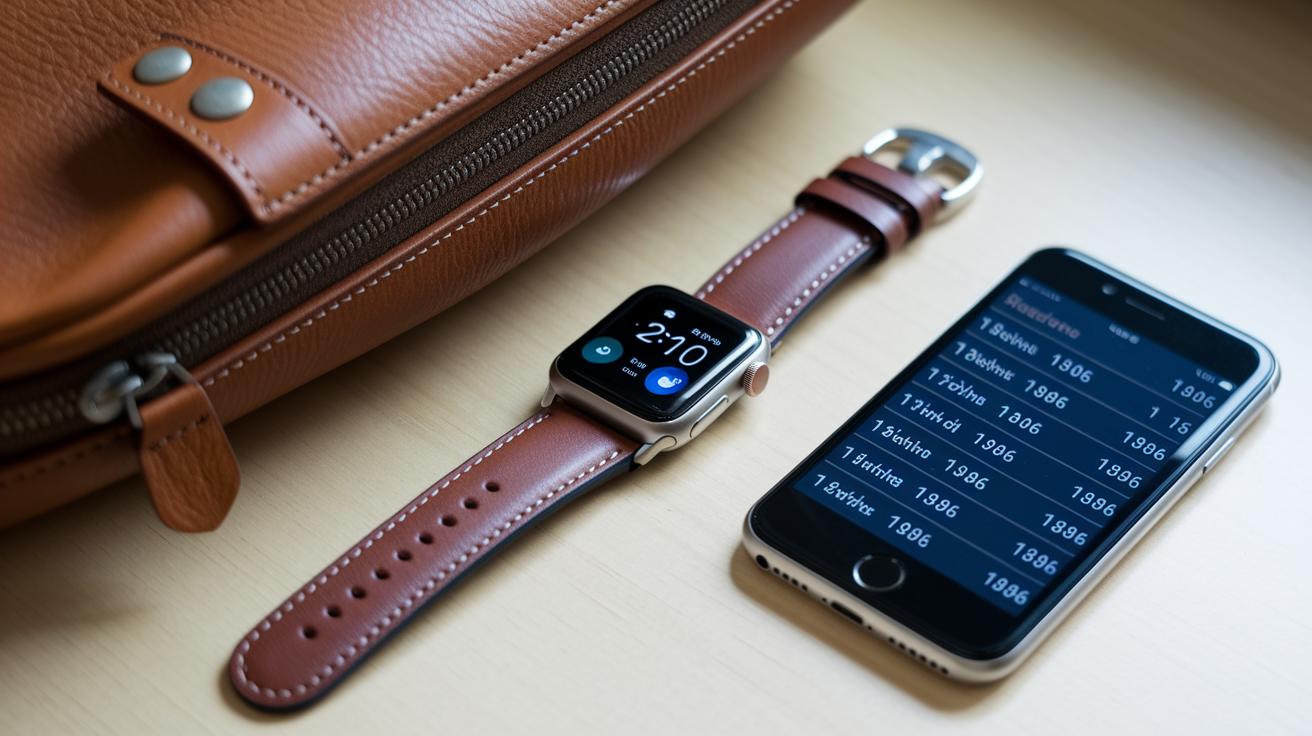
Keeping up with regular checks is key to spotting early wear and tear on your accessories. Using digital logs and simple visual checks, you can easily notice small shifts that add up over time. Mobile audit tools let you snap photos and record the time of each check. This is handy whether you use an item every day or just a few times a season.
Daily checks help catch surface dirt or tiny damage right away. A weekly or monthly look might reveal changes like loosening straps or light rubbing that could affect how well something works. By sticking to a routine, you get clear, timely data that guides repair plans and maintenance schedules. Digital tools add a layer of objectivity that makes assessing wear more exact, helping extend the life of your accessories and stopping small problems from turning big.
| Frequency | Key Actions | Purpose |
|---|---|---|
| Daily | Quick look and remove surface dirt | Avoid further damage overnight |
| Weekly | Clean in detail and add photos | Point out wear trends |
| Monthly | Check and adjust straps and clasps | Keep flexibility |
| Annually | Professional inspection | Plan major repairs |
Integrating User Feedback into Accessory Care and Maintenance Ratings

We depend on real user feedback to check how well accessories are maintained. We gather opinions through online forms, follow-up chats, and service surveys. These simple tools let consumers share what they notice, whether cleaning is tough or if extra care is needed. Their honest observations help us catch problems that routine checks might miss.
We also mix these comments with hard numbers from our inspection reports. We compare key performance figures and detailed check records alongside customer feedback. This way, we can fine-tune our rating scales and care ideas based on everyday use, ensuring our scores truly reflect an accessory's condition over time.
Regular reviews get even better when we add user feedback to the mix. By looking at customer comments and inspection data side by side, we can spot care gaps early. This ongoing blend of real-world input and expert checks helps keep our ratings clear, fair, and true to how the accessory really holds up.
Maintenance Cost-Benefit and Restoration Cost Assessments for Accessory Ratings
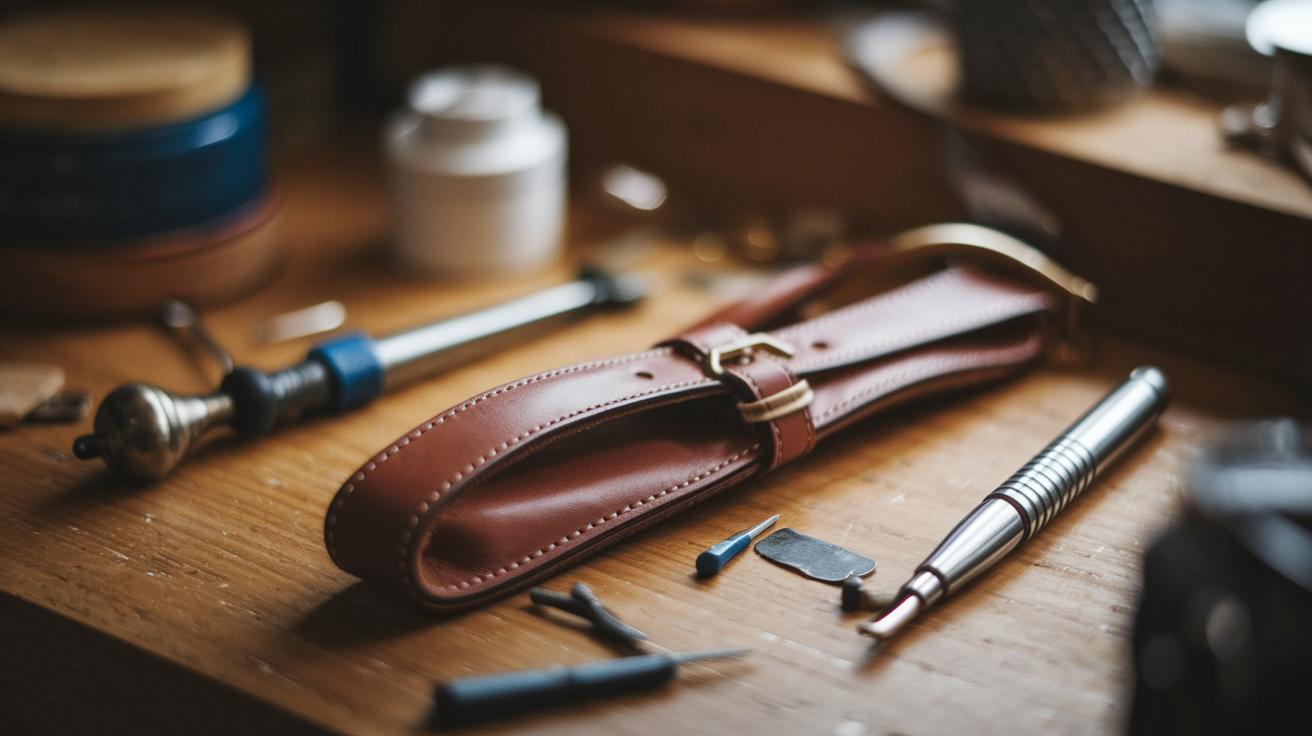
Keeping up with regular care like cleaning and small fixes can save you money. Doing these simple tasks early helps your accessory last longer and prevents the need for big, expensive repairs later. For instance, a tiny tear in leather can be mended quickly and cheaply instead of replacing the whole item. This smart upkeep means lower costs and steady performance over time.
Estimating repair expenses starts with looking at past costs, replacement rates of parts, and how much the accessory is used. Simple models can give you a hint on how long your item will work before needing a major fix. By checking old data on wear and tear, you can get a rough idea of future repair bills. This breakdown makes it easier to plan your budget by weighing regular care expenses against larger repair costs.
Blending these cost insights with overall accessory checks lets you plan your upkeep realistically. When you mix historical cost data with how long an item lasts, you can decide the best time to act. This smart mix of preventive care and planned repairs keeps your accessory in top shape and maximizes its value without overspending.
Final Words
In the action, putting clear checklists into practice, testing for wear and tear, and using real user feedback all help pinpoint each accessory's strengths and limits. These solid steps boost confidence in sizing, durability, and upkeep costs while guiding you through user-friendly grading systems. With hands-on evaluations and regular inspections, you can sidestep surprises and enjoy lasting style. This approach makes evaluating accessory care and maintenance ratings a smart move for a worry-free wardrobe.
FAQ
How do I evaluate accessory care and maintenance ratings in California?
Evaluating accessory care ratings in California means using standardized checklists and key performance indicators to assess durability, cleaning compatibility, and overall upkeep, while incorporating user feedback for reliable, quality measurements.
How can Medicare ratings benefit rehab facilities?
Medicare ratings for rehab facilities reflect patient outcomes, staff performance, and care standards. They help compare facilities by providing clear, data-driven evaluations that support informed decisions.
How do I look up or calculate nursing home star ratings using CMS data?
Looking up or calculating nursing home star ratings with CMS data involves using online tools that analyze health inspections, staffing levels, and quality measures. This system offers a structured, comparative view of facility performance.
How can I find ratings for assisted living facilities near me on Medicare.gov?
Finding ratings for assisted living facilities on Medicare.gov near you requires using location filters and review metrics that combine safety, quality of care, and staffing data, making it easier to compare local options.
What factors are included in the CMS 5-star rating components?
The CMS 5-star rating components include results from health inspections, staffing evaluations, and quality measure performance. Each element is weighted to provide a comprehensive score that reflects facility care standards.
How is cleaning quality measured in care and maintenance evaluations?
Cleaning quality is measured by inspecting surface cleanliness, the effectiveness of cleaning methods, and adherence to sanitation standards. These objective metrics ensure maintenance ratings reliably reflect cleaning performance.
Can I trust star ratings for nursing homes and similar facilities?
Trusting star ratings means recognizing they mix objective inspection data and user feedback. While they offer useful benchmarks for performance, visiting facilities or seeking additional opinions can provide a fuller picture.