

Ever wonder if your expensive clothes really last? Every seam and stitch shows you how well the item is made, no matter what the price tag says.
We suggest a few easy checks: measure the lengths, count the stitches, and gently stretch the fabric. These steps help you catch problems early, so you avoid headaches later.
When you look closely at how a piece is built, you feel more sure about your choice. Strong construction means your clothes can stand the test of time.
Keep reading to learn how to check clothing details and upgrade your style.
Step-by-Step Guide to Evaluating Clothing Construction Quality
When you want to check if a piece of clothing is well made, a clear and simple checklist can help you avoid surprises later. This guide lets you compare a garment against its tech-pack (a document that details the design) and spot issues before they turn into costly returns.
- Measurement Comparison – Look at the garment's dimensions and verify they match the tech-pack specifications.
- Stitch-per-Inch Check – Measure the number of stitches in a given inch (SPI) to ensure the stitching is strong and even.
- Seam Allowance Evenness – Check that the seam allowances are consistent between 1/4 inch and 1/2 inch, with no wavy or uneven lines.
- Tension Evaluation – Feel the stitching for any loose loops or puckering that might show a problem with the tension.
- Stretch-Test – Gently stretch seams on elastic or flexible fabrics to see if they hold up without coming apart.
- Thread Cleanliness Inspection – Turn the garment inside out to spot any clumped or loose threads.
- Sewing Skill Check – Look at how the seams and corners meet to tell if the construction is neat and well executed.
- Seam-End Security – Make sure there are back-tacks or overlock finishes that help secure the ends of seams from wearing out.
Using these eight checks, designers, reviewers, and shoppers can quickly tell if a garment is built to last. Each step gives clues about the care and skill that went into making the piece. For instance, a seam that doesn’t match the tech-pack or an off SPI can be a sign that the garment might not stand up to regular wear. This method works well on different types of fabrics, whether natural like cotton and wool or high-tech synthetics, so you can invest in pieces that truly elevate your wardrobe.
Fabric Quality and Durability Testing for Garment Construction
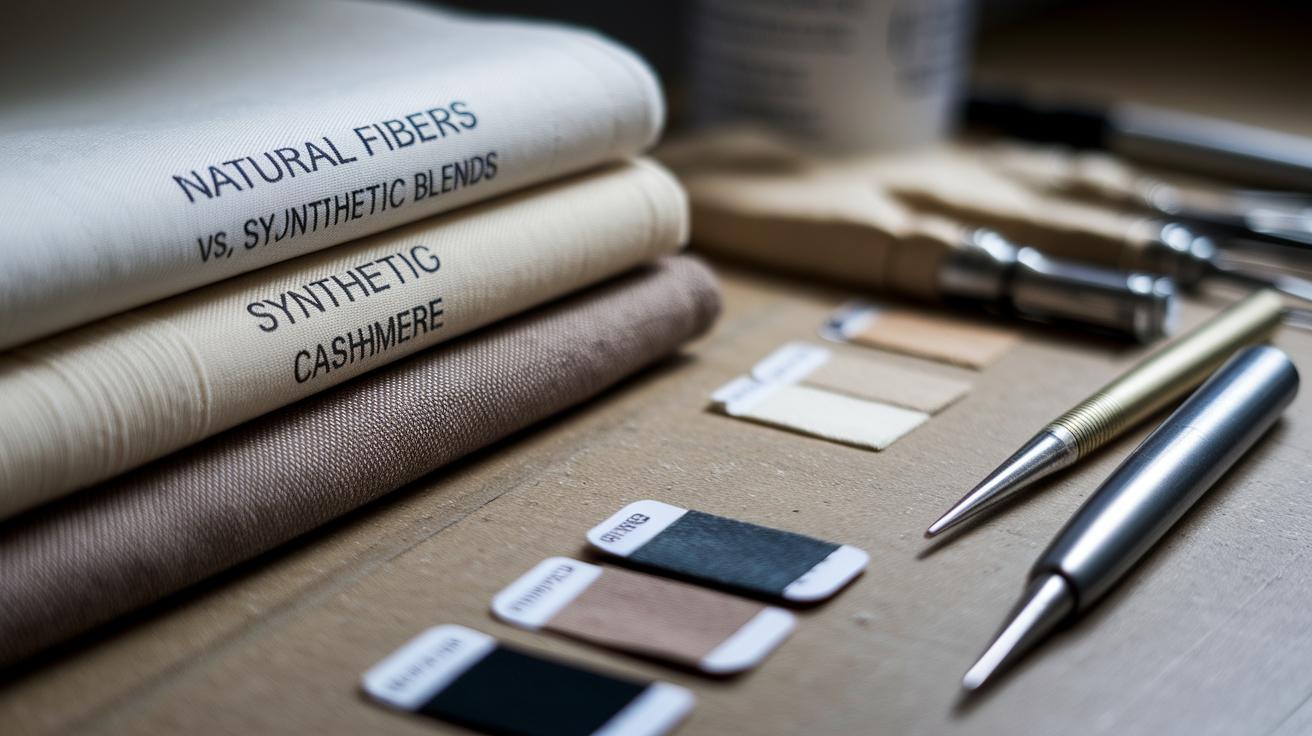
The type of fiber used changes how a garment holds up over time. Natural fibers like wool, cotton, linen, silk, and cashmere let air in and last longer than many synthetic ones. For instance, cotton with longer staple fibers tends to be stronger. Linen dries fast and resists lint, while fine wool (below 25–30 microns) feels soft and stays tough. Even some synthetic blends can add extra resistance to wear.
Testing a fabric shows how long a garment might last. A tensile strength test checks how much force the fabric handles before it breaks. Abrasion tests (using setups like Martindale or Wyzenbeek) mimic everyday rubbing. A pilling rating tells you how likely the fabric is to form tiny balls as it wears. Colorfastness tests show if the fabric keeps its color after many washes. These tests help you compare fabrics and pick ones that can stand up to regular use.
| Test Method | Purpose | Procedure | Typical Values |
|---|---|---|---|
| Tensile Strength | Check fiber strength | Pull until it breaks | Measured in MPa |
| Abrasion Test | See how it wears out | Repeat rubbing cycles (Martindale/Wyzenbeek) | Up to 20,000 rubs |
| Pilling Rating | Measure surface wear | Simulate repeated use | Scale of 1-5 |
| Colorfastness | Check for fading | Expose to light/water | Graded results |
When you see good test numbers like strong tensile strength, low pilling, and solid colorfastness, you can expect the fabric to be durable and reliable for everyday wear.
Inspecting Stitching, Seams and Reinforcements in Clothing Construction
Good seams mean quality clothes. For woven fabrics, look for 12 to 16 stitches per inch (SPI). For knits, count 6 to 8 SPI. For example, if you find 14 SPI on a woven fabric, it usually shows that the clothing is built strong. Even seam allowances and proper stitch tension help the fabric drape well and stop loose loops or puckering.
- SPI Check: Count the stitches to see if a woven piece hits 12-16 SPI or a knit gets 6-8 SPI. For instance, seeing 15 SPI on a cotton dress shows solid building.
- Even Seam Allowances: Make sure the seam edges are even so the fabric stays smooth.
- Balanced Tension: Run your fingers over the seam. It should feel neither too tight to stop the fabric from moving, nor too loose to cause problems.
- Neat Edge Finishes: Check for overlocked edges or clean double-needle stitching that keeps fraying at bay.
- Reinforced Areas: Look closely at spots like pocket openings or cuff bases. Extra stitching, like a bartack, often hides there to handle stress.
Watch out for areas that take extra strain. If a seam starts to pull under a light tug or shows uneven stitching, it might wear out fast over time.
Evaluating Finishing Details and Hardware in Garment Craftsmanship
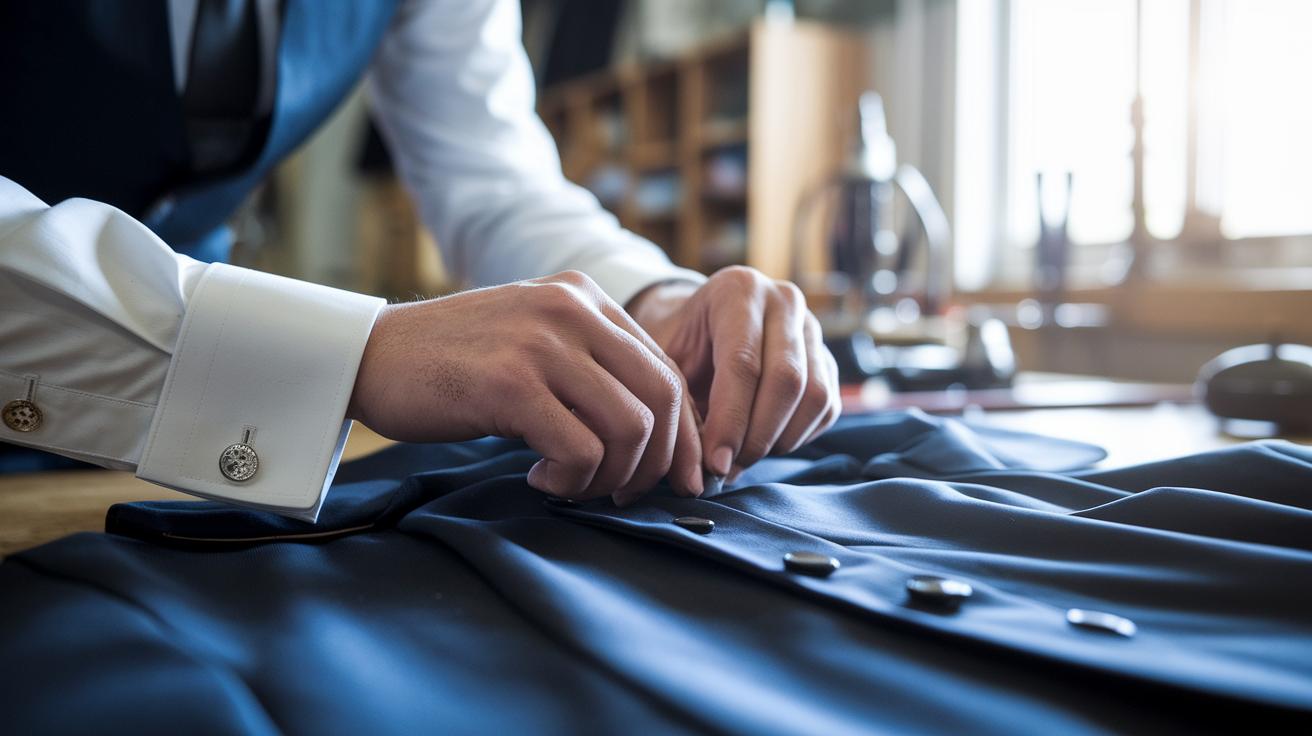
A garment's true quality shows in the little details like buttonholes, cuffs, and zippers. Crisp buttonholes with clean edges and secure stitching set a well-made piece apart. Cuffs with working buttons that fasten neatly prove the maker paid attention to every detail.
Before you call it finished, give the zippers and fasteners a quick test. Zippers should slide smoothly and quietly, while snaps and eyelets need to be secure with no loose threads. These checks make sure the piece looks sharp and can handle everyday wear.
Here are some key areas to keep an eye on:
| Detail | What to Look For |
|---|---|
| Buttonhole Edge Finish | Clean, even cuts with secure stitching |
| Cuff Operation | Buttons that fasten easily and align well |
| Zipper Smoothness | Zippers that glide quietly without snagging |
| Hardware Stability | Fasteners that sit flush and hold firm |
Noticing these details makes you feel confident that the garment was crafted with care, turning an everyday item into a piece built to last.
Pattern Alignment, Fit Verification and Structural Design Assessment
Getting the panels right and lining up the patterns properly makes sure your clothes hang the way they should. Grainlines (the printed markers that show which way the fabric goes) help the garment fall correctly on your body. When each piece matches the tech-pack flat measurements, you can tell every panel was cut with care. A panel that is off or misaligned can upset the look and even create visible seam breaks and twists, which hurt both style and comfort. Trying the garment on a form shows how the fabric moves and if the design keeps its shape when you move.
Panel Alignment Check
Look closely at the printed grainline markers and check the places where seams come together. A good fit means that the prints on adjoining panels line up nicely. For instance, if a jacket is well aligned, you won't see any breaks at the shoulder or lapel, and the fabric will flow naturally, showing strong construction.
Fit Verification Procedure
Measure important areas like the shoulders, chest, and waist on a mannequin or a real person. Then, compare these measurements to the tech-pack guidelines while checking that there is enough ease for movement. This step makes sure that the design, while looking good on paper, also feels comfortable and fits well in everyday wear.
Comparing Production Standards and Construction Methods

Hand-stitched canvas chest pieces are prized for their sturdy, classic look. Craftsmen carefully sew each seam by hand, which means every stitch is done with attention to detail. The canvas itself is naturally flexible and tough, giving the garment a long-lasting, timeless feel.
Earlier, fusible interlinings could have problems with heat or moisture, sometimes causing the glue to break down. Even though modern fusing uses better adhesives and improved methods, it still carries a bit more risk compared to hand stitching. Machine sewing is very efficient, but the final quality depends on the machine, the skill of the operator, and how strict the factory’s quality checks are.
| Construction Method | Durability Profile | Typical Use |
|---|---|---|
| Hand-Stitched Canvas | Very durable and tough | Traditional, high-end tailoring |
| Traditional Fusible Interlining | Moderate durability with heat sensitivity | Everyday garments with standard care |
| Modern Fusing Techniques | Improved durability but reliant on quality control | Streamlined production for modern styles |
When deciding on a method, it comes down to what you need. For pieces that are meant to last a long time and have a classic feel, hand stitching might be worth the extra cost. On the other hand, modern fusing works well when production quality and testing are up to standard.
Longevity Performance, Wear Metrics and Durability Risk Assessment
We test wear to see how well a piece of clothing stands up over time. By putting fabrics and seams under stress similar to everyday wear, we find any weak spots before they become big problems. This type of check looks at the risk of wear, how much a garment resists everyday use, and its overall lasting power. For example, we check if a seam recovers after a 50% stretch, measure how much force the thread can handle (using Newtons to show force), and test surface durability with repeated Martindale rubs. We pay close attention to busy areas like the underarm, crotch, and pocket openings.
- Seam-stretch retention: We stretch the fabric by 50% and see if it quickly returns to its shape.
- Thread tensile strength: We measure how much pull the stitching can take before breaking.
- Abrasion resistance: We rub the fabric up to 20,000 times to see how well it holds up.
- Fabric fatigue: We check how the material holds up after about 100 washes.
- Stress point examination: We focus on spots like the underarm and crotch that face a lot of strain.
- Reinforcement technique audit: We look for extra stitching at pockets and seams to help prevent early wear.
When we run these tests, we watch for any numbers that seem off. If a garment falls short in one or more of these areas , especially in the high-use spots , it could be at a higher risk of wearing out sooner. A garment that performs well in every test is more likely to be durable and last for a long time.
Expert Inspection Criteria Checklist for Evaluating Clothing Construction Quality

This guide helps you review a garment alongside its design tech pack. Follow these steps to check quality from the fabric up to the final fit.
- Check the fabric: Make sure it feels smooth and has no flaws.
- Stitch count: Count stitches per inch (SPI, a measure of stitch density) to ensure the stitching is even and strong.
- Seam margins: Confirm that the seam allowances match the tech pack details.
- Reinforcement test: Look at stress points, such as around pocket openings, to see if they are securely reinforced.
- Buttonhole check: Ensure the buttonholes are neatly trimmed and hold together well.
- Zipper test: Slide the zipper to verify it moves smoothly without catching.
- Panel alignment: Check that the patterns on adjacent pieces line up properly.
- Hardware check: Verify that buttons, snaps, or other fasteners are attached securely and are properly aligned.
- Inside lining: Turn the garment inside out to inspect that the lining is clean and evenly finished.
- Drape and fit: Assess how the garment hangs and moves with the body.
Final Words
In the action, this guide walked through clear steps from measurement checks and stitch quality to fabric durability and finishing details. We broke down the process into simple tasks like checking seam allowances and SPI requirements and even compared production methods. By using a thorough checklist, you can avoid sizing errors and costly returns. Remember, a practical review is key when evaluating clothing construction quality. Happy shopping and enjoy knowing your wardrobe stands up to real-world wear.
FAQ
Q: Evaluating clothing construction quality reddit, PDF, and SlideShare
A: The online platforms like Reddit, PDFs, and SlideShare offer detailed guides and community insights on evaluating clothing construction quality by sharing methods, technical tips, and real-life experiences from users.
Q: How to describe quality of clothes
A: The quality of clothes is described by examining construction details such as stitch consistency, seam allowances, fabric durability, and finishing touches like well-made buttonholes and smooth zippers.
Q: How to identify quality in clothing
A: The method to identify quality in clothing involves checking precise measurements, proper stitch tension, even seam allowances, and finishing details that demonstrate careful garment construction.
Q: What is a fabric quality chart
A: The fabric quality chart compares key factors like fiber strength, durability, pilling resistance, and breathability to help shoppers understand how a fabric will perform in everyday wear.
Q: What does the term “cloth quality name” refer to
A: The term “cloth quality name” refers to standardized descriptions of fabric grades and characteristics that indicate differences in material construction, strength, and performance.
Q: Why do some say clothes are worse now
A: The opinion that clothes are worse now arises from concerns over mass production, reduced attention to detailed construction, and lower durability compared to garments made with traditional, careful methods.