

Ever wonder if spending more means your clothes will truly last? Many folks think expensive items are a waste until they see how well a well-made piece holds up over time.
In this post we break down what makes a garment last. We point out how natural fibers feel soft yet strong against your skin and how double-stitched seams (two rows of stitching for extra security) add durability. We also explain how smart tailoring and quality fabric can add style without breaking the bank.
Read on to find out if your wardrobe is built to last.
Fundamental Criteria for Evaluating Clothing Quality and Longevity
Premium clothes stand out because of smart choices in fabric, construction, and design. High-quality pieces use natural fibers like cotton, wool, silk, and linen, which let your skin breathe and even get better with time. Strong, double-stitched seams and sturdy zippers show that the garment was built to last. A good fit is key too because clothes that are well-measured and tailored put less strain on the fabric and seams, making them last longer. For example, a $150 jacket worn 50 times over five years costs about $3 per wear, which shows the lasting value of a quality investment.
• Pick clothes made from natural fibers that improve with wear.
• Look for careful tailoring and a fit that eases strain on the fabric.
• Check that seams are double-stitched for extra durability.
• Test the hardware like zippers and buttons to ensure they feel robust.
• Think about the cost per wear to see if the price makes sense over time.
By paying close attention to the fabric, the way a garment is made, and its overall fit, you can tell if a piece will hold up well over the years. This careful look at material, stitching, and cost per wear gives you the clues needed to choose items that not only look good but also stand up to everyday use.
Assessing Fabric Strength and Weave Longevity in Clothing

A good fabric holds its shape and feel even after many wears. Lower quality materials depend on a surface finish that wears off quickly. The best fabrics keep their texture, look, and strength even after lots of washing. Different weaves (how the threads are put together) affect how strong the fabric is and how it drapes. For instance, a plain weave is simple, while a glen plaid or shadow stripe weave gives a distinct look and feel. Natural fibers like wool and linen pull moisture away from your skin and help keep you warm or cool, depending on the weather. In contrast, synthetic blends hold up very well against wear but might not let your skin breathe as easily.
| Fabric | Durability Rating | Breathability Score | Care Complexity |
|---|---|---|---|
| Cotton | 3/5 | 5/5 | 3/5 |
| Wool | 4/5 | 4/5 | 4/5 |
| Silk | 3/5 | 4/5 | 5/5 |
| Linen | 4/5 | 5/5 | 4/5 |
| Synthetic Blends | 5/5 | 2/5 | 2/5 |
When picking a fabric, think about your climate and what you do. If you live in a humid area or plan on being active, choose a fabric that pulls moisture away and lets air in. For colder days, select a material that keeps you warm while still being tough enough for everyday wear.
Inspecting Construction Details: Stitching, Seams, and Finishing Detailing
High-quality construction is key to clothes that last. When stitches and seams are done right, you know a piece can stand up to everyday wear.
Stitch Standards
Check for stitches that are even and straight, with about 8 to 12 stitches per inch. This shows careful work. In spots that need extra strength, you might see double-stitching (two rows of stitches) to support stress areas. A handy tip: run your finger along the seam to feel for loose threads or bumps that could cause problems later.
Seam Types and Resilience
Look closely at the seams. Garments made with flat-felled or French seams hide the raw edges, which helps keep them from fraying. These seam types do more than look neat, they help the garment hold its shape over time. Think of a well-made flat-felled seam as extra armor against daily wear.
Hardware and Finishes
Solid hardware is a good sign. Metal zippers and sturdy corozo buttons show that the item is built well. Also, neat finishing touches like trimmed threads and even hems highlight quality work. If you spot loose threads or uneven hems, it might mean the garment wasn’t given proper care during construction.
By examining the way a garment is stitched, seamed, and finished, you get a clear idea of how it will hold up in everyday use. This careful build boosts your style with true lasting quality.
Testing Durability with Wear Trials and Measurement Methods
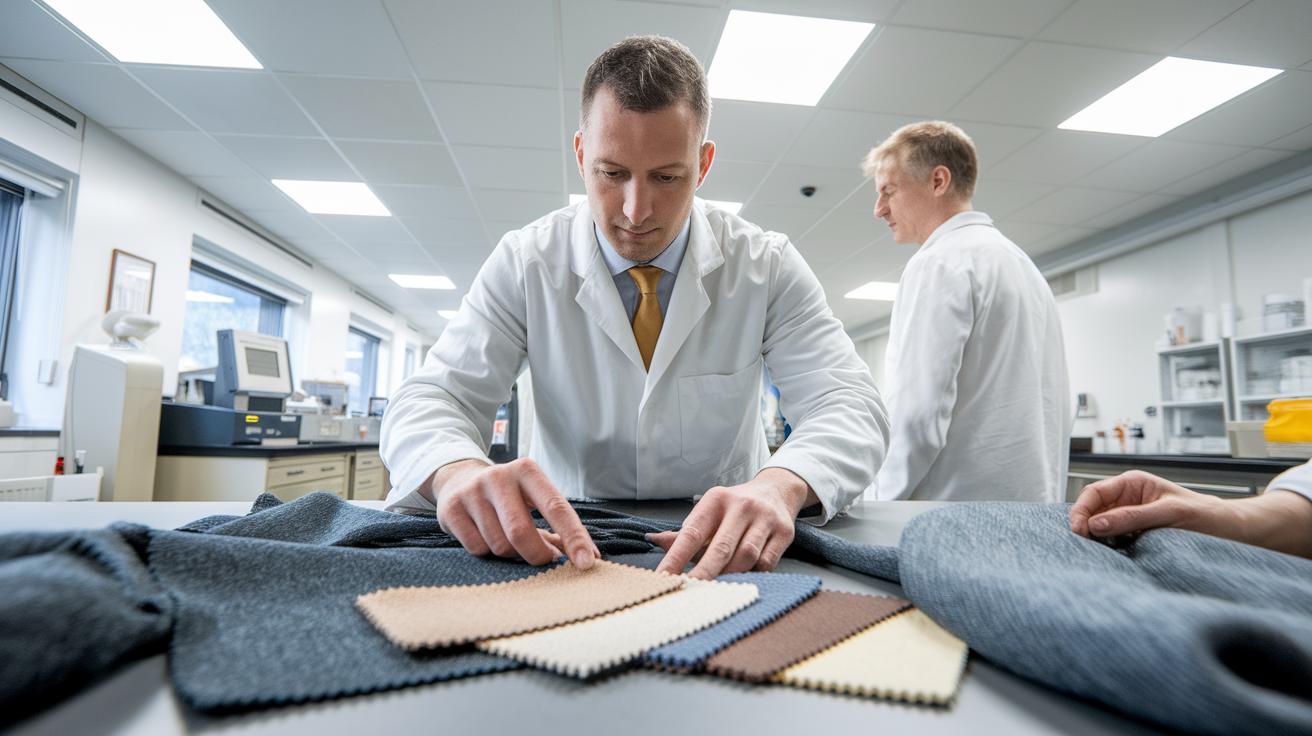
Tests give you a clear picture of how clothes hold up with everyday use. We run lab tests alongside real-life wear trials to see if a piece not only looks good but also lasts. Lab methods like simulated rubbing, pulling tests (to check strength), and exposing the fabric to sunlight (to test fading) help us understand a garment's durability. Wear trials with actual use back up these lab results.
- Abrasion: We test how tough the fabric is by rubbing it until it reaches about 100,000 contacts.
- Tensile: This measures the fabric's strength when you pull on it.
- Colorfastness: We check if the colors stay vibrant after 30 or more washes.
- Pilling: We look for small balls of fuzz that can form on the fabric's surface.
- UV: We see how sunlight might affect the fabric over time.
We also let people wear the garment 20 to 50 times to see how well it holds its shape, resists fuzz, and keeps its soft feel. If the garment keeps its color, shape, and seams stay sound, it means the piece is built to last. Matching lab results with wear tests, like minimal pilling and steady color, shows a reliable piece that can handle everyday challenges.
Comparing Brands and Calculating Cost-per-Wear for Longevity Value
Many well-known brands justify their higher prices with clear, ethical practices. They use open production methods and ethical sourcing that help their clothes last longer. For example, tests showed that some eco-friendly brands can last for two seasons more than common mass-market options. One study found that brands using certified organic cotton and traceable labor records end up with lower upkeep costs over time.
Calculating cost per wear helps you see the real value beyond the sticker price. Simply divide the price by the expected number of wears. For instance, a $200 jacket that lasts for 80 wears comes out to about $2.50 each time you wear it. This simple math, along with checking certification standards like GOTS (Global Organic Textile Standard) or OEKO-TEX (a test for harmful substances), lets you compare brands without getting lost in numbers. For more details, check out the clothing quality vs price guide at https://jankreviews.com?p=1611.
| Brand | Price | Projected Wears | Cost/ Wear | Sustainable Practices |
|---|---|---|---|---|
| Brand A | $200 | 80 | $2.50 | Certified organic, traceable labor |
| Brand B | $150 | 50 | $3.00 | Standard processes |
Maintenance and Upkeep Care to Preserve Clothing Longevity
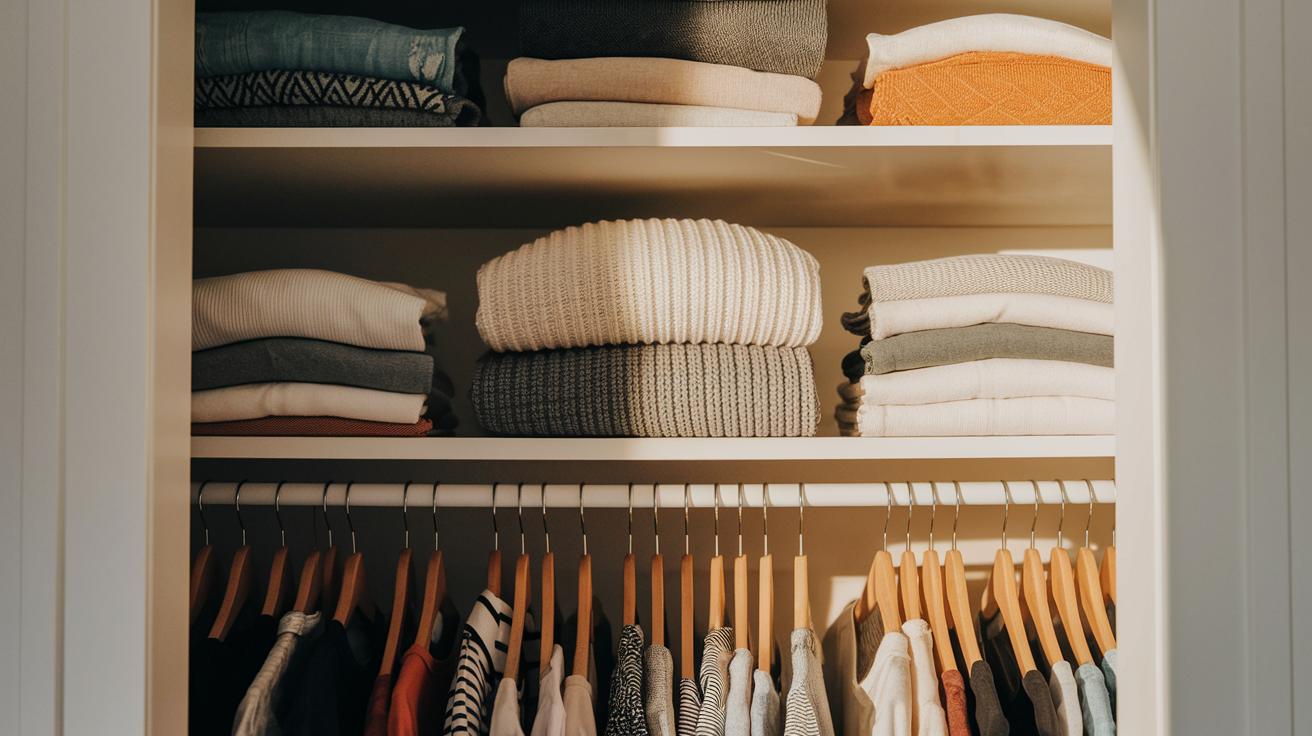
Taking proper care of your clothes helps them stay fresh, hold their shape, and look great for a long time. Good quality clothes need regular care to keep their color, fit, and strength, no matter how well they were made.
- Washing: Follow the care label instructions and use a gentle or eco-friendly detergent to protect both the fabric and its color.
- Storage: Hang delicate items when you can, and neatly fold knitwear to stop them from stretching or putting strain on the seams.
- Repairs: Fix small issues at home, like sewing a loose button or patching a tiny tear, to stop them from turning into bigger problems later.
- Professional Services: Sometimes it pays to visit a tailor to keep your clothes adjusted and looking their best.
A little time spent on careful washing, smart storage, prompt repairs, and occasional professional care means your wardrobe will stay bright and durable over time.
Expert Guidelines and Certification Protocols for Quality Verification
Industry standards and labels give you a clear guide when checking if a garment is built to last. ISO textile standards run tests for strength, color retention (how well the color stays bright) and wear durability. This means each piece is put through checks to make sure it holds up over time.
Certifications like GOTS and OEKO-TEX look at natural fibers and how they are made to ensure they meet eco-friendly and fair production rules. These marks show that the garment comes from a source you can trust.
Experts use these formal tests and labels to tell apart well-made clothes from those that only seem good on the surface. Reviews from fashion analysts and everyday wearers add real-world proof by showing how the clothes perform after many uses.
Noticing these certifications and expert views helps you pick outfits that meet strict quality rules and keep their feel and shape even with regular wear.
Final Words
In the action from inspecting fabric strength, stitching, and fit precision to testing wear trials and CPW, this guide covers all the bases. We broke down core factors like natural fiber benefits, seam details, and expert certifications into clear, simple steps. Maintenance tips also play a big part in keeping your wardrobe in top shape. Keeping these points in mind makes evaluating clothing quality and longevity simpler and more effective for building a smart, durable wardrobe.
FAQ
Evaluating clothing quality and longevity pdf
The pdf on evaluating clothing quality and longevity explains methods for checking materials, stitching, and wear tests to predict how garments perform over time. It offers practical guidelines and measurable criteria.
Design for longevity examples
The design for longevity examples showcase using premium fabrics, reinforced seams, and precise fit to extend a garment’s life. These examples highlight choices that reduce wear and maintain quality with repeated use.
Measuring physical garment durability an assessment of 47 t shirts
The assessment of 47 t-shirts measures physical durability by testing fabric strength, seam quality, and resistance to abrasion. It reveals how material choice and construction influence overall garment lifespan.
Longevity Design
The concept of longevity design focuses on ensuring garments last with quality materials, careful stitching, and well-thought-out construction. This approach aims to create clothing that stays wearable and looks fresh through repeated wears.
Stanford Longevity Design Challenge
The Stanford Longevity Design Challenge promotes creative solutions for making sustainable, durable clothing. It encourages testing, innovative material use, and robust construction methods to boost garments’ lifespan and long-term performance.