

Ever wonder why your favorite jacket seems to have its own tale? Today, shopping is about more than just a low price. We look for pieces that are built well, feel trustworthy, and match our values. Every purchase helps build a wardrobe that can last, no matter what trends come and go. In a world that is always changing, each choice lets us show our true style.
How Evolving Consumer Behavior Shapes Fashion Trends
Nowadays, the way we shop is changing fashion in a big way. Shoppers consider more than just the price; they look at quality, trust in a brand, and special features while weighing dollars against hidden costs. Before fast fashion spread everywhere, people preferred to buy items made to last and valued real craftsmanship over fleeting trends. This change shows that we are shifting from a quick buy mindset to choosing designs that truly work for everyday life.
Rising costs, fresh cultural trends, and tech breakthroughs are also reshaping our shopping habits. We are more informed and take time to explore a product's story along with its price. Social influences and traditional crafting methods now guide our self-expression. In short, many of us choose clothes that match our personal values and unique style instead of following mainstream trends.
We are rethinking our spending by balancing price with long-term benefits. People frequently ask, "Does this piece fit my style? Is it built to last?" In response, designers create collections that mix modern looks with hints of cultural stories. For example, imagine a jacket with simple details and vintage lines. It shows quality without any overhyped branding.
Digital tools that offer live recommendations are also changing the game. These smart tools help us sift through many options to find pieces that match our lifestyles. This cycle means that what we buy today directly influences how every design detail is planned.
Economic and Cultural Forces Redefining Fashion Consumer Behavior
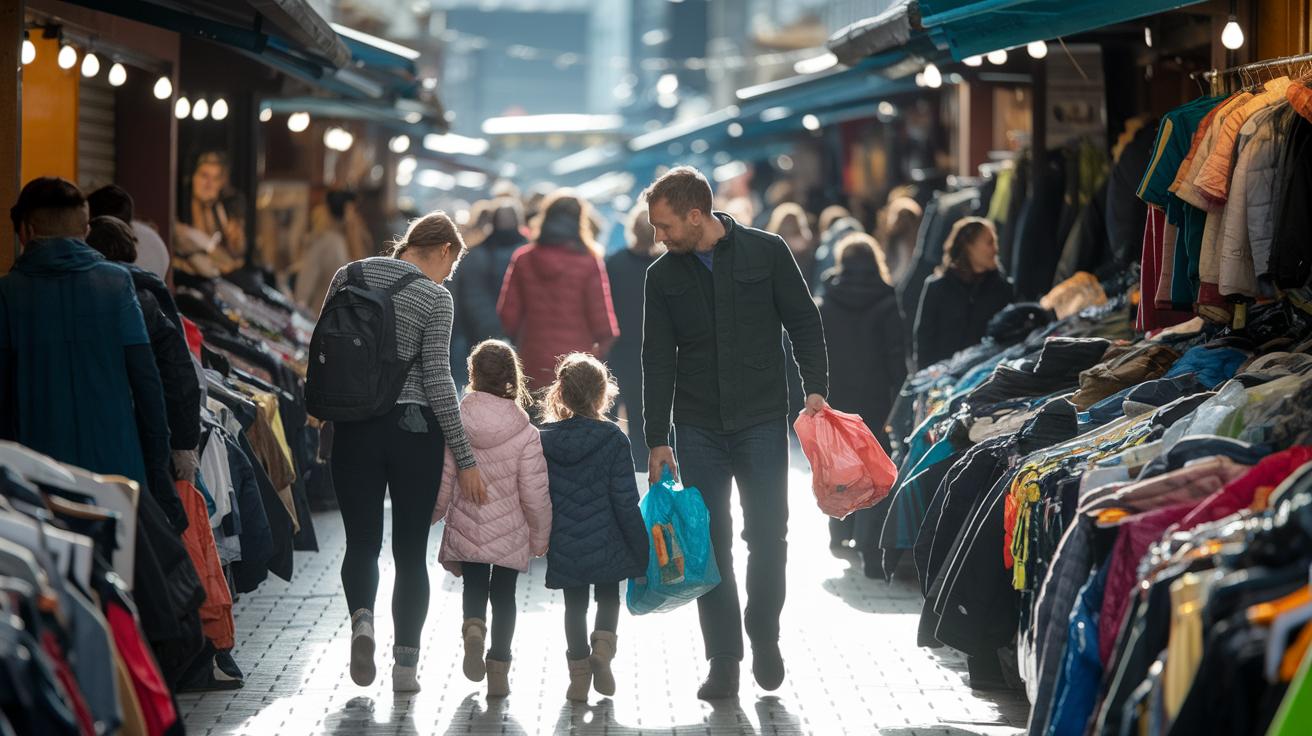
Rising costs and inflation are changing how we spend money. More people now focus on basic needs and cut back on extra items. Some shoppers tighten their belts, while others stick to a higher spending routine by choosing quality pieces that last longer. For instance, a family that used to splurge on trendy styles now opts for reliable, long-lasting items.
Culture also plays a big role. Global streetwear mixes with traditional handmade skills, blending different styles that satisfy a range of tastes. Some people go for simple, budget-friendly basics, while others choose handmade designs that honor their cultural roots. The same product might mean different things, depending on what you value most.
Local trends are strong too. Whether in a busy city or a quiet town, shoppers check quality, style, and cost before buying. They make decisions on the fly as the economy changes around them.
Retailers are catching on. They are fine-tuning their products to appeal to both value-seekers and those who appreciate a nod to cultural heritage. This mix of economic pressure and cultural trends is setting the course for how fashion continues to change.
Technology-Driven Consumer Behavior and Virtual Commerce’s Impact on Fashion Trends
Online shopping has changed how we buy clothes. You can browse and place an order any time you want. One shopper even said, "I grabbed a jacket at midnight using a mobile app – it felt like the store was open just for me." This non-stop buying experience means shoppers expect fast and smooth transactions.
Artificial intelligence now helps predict which trends will be popular. These smart systems track clicks and purchases so brands know which colors, patterns, and fits are a hit. This way, designers can plan and make clothes that shoppers really like.
Digital product creation speeds up the process of showing future collections. Designers use virtual samples to adjust details and textures before making any real garments. Virtual try-ons let you see how an outfit might look on you, like watching a scarf drape around your neck in a digital mirror.
Shoppertainment mixes fun content with shopping. Interactive videos, live streams, and engaging posts take you beyond just looking at pictures. Instead, they offer an immersive experience, helping you decide what to buy while enjoying a lively online show.
Mobile and online checkouts are getting smoother every day. Improved site navigation and quick purchase steps make online shopping both fun and easy from start to finish.
Sustainability and Ethical Consumer Behavior Driving Fashion Trends

People are asking real questions about where their clothes come from. They want to see honest details and know that production fits a circular model. Many brands now use organic fibers (fibers from nature that feel soft and light) and biodegradable fabrics (materials that break down naturally) along with take-back programs to recycle old garments. One designer even created a jacket that naturally breaks down after use. This move not only helps the planet but also speaks to shoppers who value true eco-friendly fashion.
Designers today face a clear choice. They must blend modern styles with practices that care for the earth. Ethical fast fashion is not just a trend; it is a key part of today's clothing design. Many labels now highlight eco-friendly materials to match consumer values. When brands use methods that cut down waste and save energy, they appeal to buyers who care about the planet. Shoppers often say, "I love knowing my clothes are made with care for the planet," a sentiment that is growing every day.
Key elements driving this change include:
- Organic fibers that give garments a natural look and feel.
- Biodegradable fabrics that help reduce long-term waste.
- Take-back programs that promote recycling.
- Resale platforms that keep good quality pieces in circulation.
These practices push brands to rethink their designs. The result is a fresh wave of styles that mix responsible production with new design ideas, showing that ethics and creativity can work hand in hand.
Personalization, Influencers, and Hyperpersonalized Motivators in Fashion
Nearly three out of four shoppers expect brands to match their personal style. In fact, 73% say they want a personal touch with every buy. One customer even said a custom-fit jacket felt like an extension of him, perfectly matching his style. This shows that made-to-measure fits and smart product recommendations (done by computer software that learns your taste) help build loyalty by making each purchase feel special.
Customization now covers everything from tailor-made pieces to smart systems that predict which prints and cuts will look best on you. Many brands add real-time style polls and rewards for sharing your own outfit photos to keep things fun and engaging. Influencers and celebrity partnerships further boost appeal. For example, one celebrity mentioned, "I wore this jacket and got messages saying it matched my vibe perfectly," which drives more interest.
Today, a personal touch in shopping is a must. Shoppers can take part in customizing prints or answering quick surveys, meaning you help shape the final design. The process is clear and friendly, like chatting with a trusted friend. Blending technology with current trends creates a shopping scene where design evolves with your input.
Retailers using these personalized strategies see more customers trying new styles and coming back for more. By combining data insights and creative collaborations, these brands turn shopping into an engaging and personal experience while staying true to your unique identity.
Forecasting Future Fashion Trends through Consumer Behavior Analytics

Brands are turning to real-time sales data powered by AI to catch trends early. They pull insights from live numbers to spot rising styles fast. One designer even rolled out a small collection within days after noticing more searches for a specific look. This quick feedback loop helps keep their collections fresh and closely tied to what shoppers want.
Another tactic, known as anticipatory shopper modeling, digs deep into shifting customer habits. When the numbers signal a change in taste, brands quickly tweak their designs. For example, one brand used minute-by-minute purchase data to adjust fabric choices and cuts to better match new preferences. This strategy turns raw data into a tool for smart planning and production.
Direct-to-consumer methods also play a key role. With tailored, small-batch releases, brands cut waste and boost customer happiness. Meanwhile, interactive shopping experiences and virtual fashion shows open new ways for shoppers to connect with trends. These data-driven moves keep brands agile and ahead in a fast-changing market. For more details on today’s fashion trends, check out latest fashion trends.
Final Words
In the action, consumer choices are shaping fashion in real time. The blog explored how economic shifts, digital innovation, and ethical advances drive style and fit decisions. Buyers now weigh costs carefully while tech makes 24/7 shopping a reality. Sustainability measures and clear size guides remove guesswork from every purchase. Evolving consumer behavior and fashion trends are opening fresh opportunities as brands respond to real data. The industry is moving toward smarter, more personalized collections that fit everyday needs.
FAQ
Frequently Asked Questions
How does evolving consumer behavior shape fashion trends?
The evolving consumer behavior shapes fashion trends by reflecting shifts in culture, technology, and economics. It prompts brands to innovate designs that match modern values and spending habits.
What are some consumer trends examples in fashion?
The consumer trends examples in fashion include the rise of ethical buying, tech-enhanced shopping, personalization, and shifts toward sustainable materials, all influencing the way styles are selected and marketed.
What does The State of Fashion 2025 PDF highlight?
The State of Fashion 2025 PDF highlights forecasts on consumer spending patterns, cultural influences, and tech trends that are steering the market, guiding brands toward more flexible production and marketing strategies.
What insights does The State of Fashion 2026 provide?
The State of Fashion 2026 provides insights into how economic shifts, cultural movements, and technological advances consistently influence consumer choices and brand strategies in the global fashion market.
What are 10 trends in consumer behavior impacting fashion?
The 10 trends in consumer behavior impacting fashion cover spending shifts, customization, sustainability, digital shopping, ethical production, and data-driven design, all driving modern style preferences and market strategies.
What does The State of Fashion 2026 McKinsey report indicate?
The State of Fashion 2026 McKinsey report indicates that economic pressures, virtual commerce, and consumer personalization are key trend drivers, leading brands to adapt product offerings and digital strategies for future success.
What are key fashion industry trends for 2025?
The key fashion industry trends for 2025 involve an ongoing focus on sustainability, personalization, technological integration, and changing consumer spend behaviors, which force brands to continuously adapt to the market landscape.
How are fashion industry trends evolving in 2022?
Fashion industry trends in 2022 evolve thanks to dynamic shifts in consumer behavior, including tighter budgets, sustainability demands, virtual retail experiences, and cultural influences that drive more responsive and innovative design choices.