

Ever notice that store-bought clothes never seem to fit just right? Tailored pieces offer a snug fit that feels like it was made just for you. In this guide, we share simple tips on getting custom clothing that truly matches your shape. We cover how to take your measurements correctly and pick fabrics that move with you. A few small adjustments can make your clothes more comfy and stylish. It's time to build a wardrobe that feels like it was designed just for you.
Mastering Expert Tips for Buying Custom-Tailored Clothing
Custom clothing gives you a personal fit that off-the-rack pieces simply cannot match. Every tailor has their own tricks and "house cut," which means they shape the garment uniquely for you. For instance, John always said his suit never fit right until his tailor adjusted his measurements. That kind of expert advice can really change a suit from ordinary to outstanding.
One big perk of custom clothing is the full-canvas construction. This is when a layer of canvas goes between the fabric and the lining. It adds structure, makes the garment more durable, and creates a natural drape that improves as you wear it. Imagine a jacket that moves with you like a second skin.
Accurate measurements and quality fabrics are key. Getting the chest, waist, shoulders, and sleeve sizes just right means you avoid costly adjustments later. Using materials like wool or cashmere gives you extra comfort and long-lasting wear. Remember, even a small measurement mistake can make a big difference in the fit.
Quality Fabric Selection Tips for Custom-Tailored Clothing
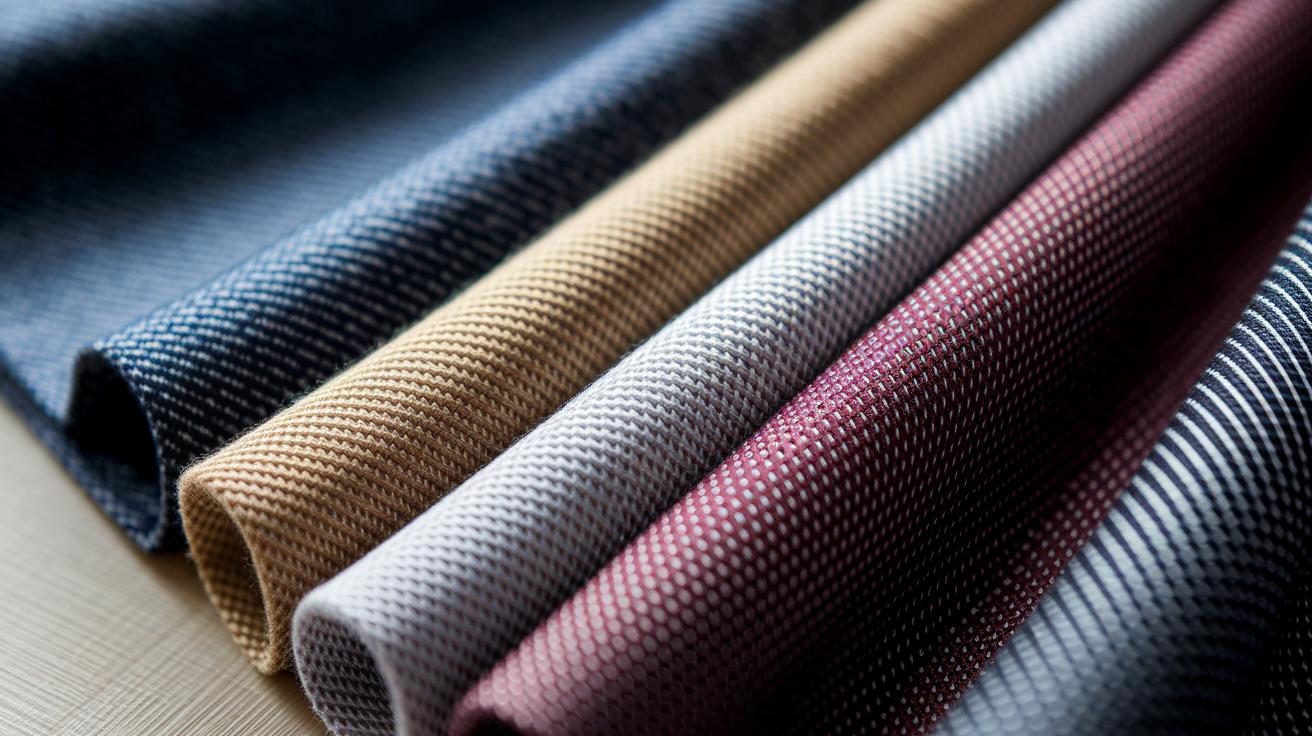
Picking the right fabric is key for a suit that not only looks sharp but also feels great. Each fabric has its own texture and weight that can change how comfortable and stylish your suit is. When you understand your options, you can choose a fabric that fits your daily life and personal taste.
Fabrics usually come in two groups: natural fibers and synthetic blends. Natural fibers like wool and cashmere drape softly and let your skin breathe, while synthetic blends are tough and easier to care for.
- Wool: A timeless option that works well all year and lasts a long time.
- Cashmere: Super soft with a rich look, though it can cost more.
- Mohair: Shiny and resistant to wrinkles, keeping you looking sharp.
- Angora: Light and warm with a delicate feel that needs gentle care.
- Synthetic blends: Budget-friendly and low maintenance, but they might not drape as richly.
The season also matters when choosing a fabric. For warm weather, light and breathable materials help you stay cool. In cooler months, heavier fabrics offer extra warmth. The weight and stretch of a fabric affect how your suit moves with you and holds its shape. Considering these points can help ensure your suit remains a solid investment over time.
Essential Measurement Techniques for a Custom Fit
Preparing for Measurement
Before you start, set up your tools and workspace. Grab a soft tape measure and some tailor’s chalk; these simple items help you get accurate numbers. Make sure you’re in a well-lit room with a full-length mirror. Stand up straight with relaxed shoulders so your muscles aren't tense. A quiet, private space lets you focus on getting the right readings. When you measure your chest, breathe normally, don’t puff out or suck in your breath. Fun fact: a 40-inch chest may need a 42-inch garment to give you room to move without looking baggy.
Recording Key Body Dimensions
Focus on the main measurements:
- Chest: Wrap the tape around the fullest part of your chest. Keep the tape level and snug, but not too tight.
- Waist: Measure around your natural crease. Skip any bulky clothing that might add extra inches.
- Shoulders: Have a friend help you measure from one shoulder edge to the other along your back.
- Sleeve Length: With your arm slightly bent, measure from the shoulder point down to your wrist.
- Inseam: Stand with your legs a bit apart and measure from your crotch along the inner leg.
This careful method means you won’t need immediate alterations and you get a custom fit from the start.
Avoiding Common Mistakes
Watch out for simple errors. A common mistake is measuring over heavy clothes or not keeping the tape at a steady tension. Don’t rush; check each measurement twice for consistency. Also, avoid positions that force you to slouch or stretch awkwardly because these can change your true size. Take your time now so your finished garment fits your natural shape perfectly.
Choosing the Right Tailor with Expert Tailor Recommendations
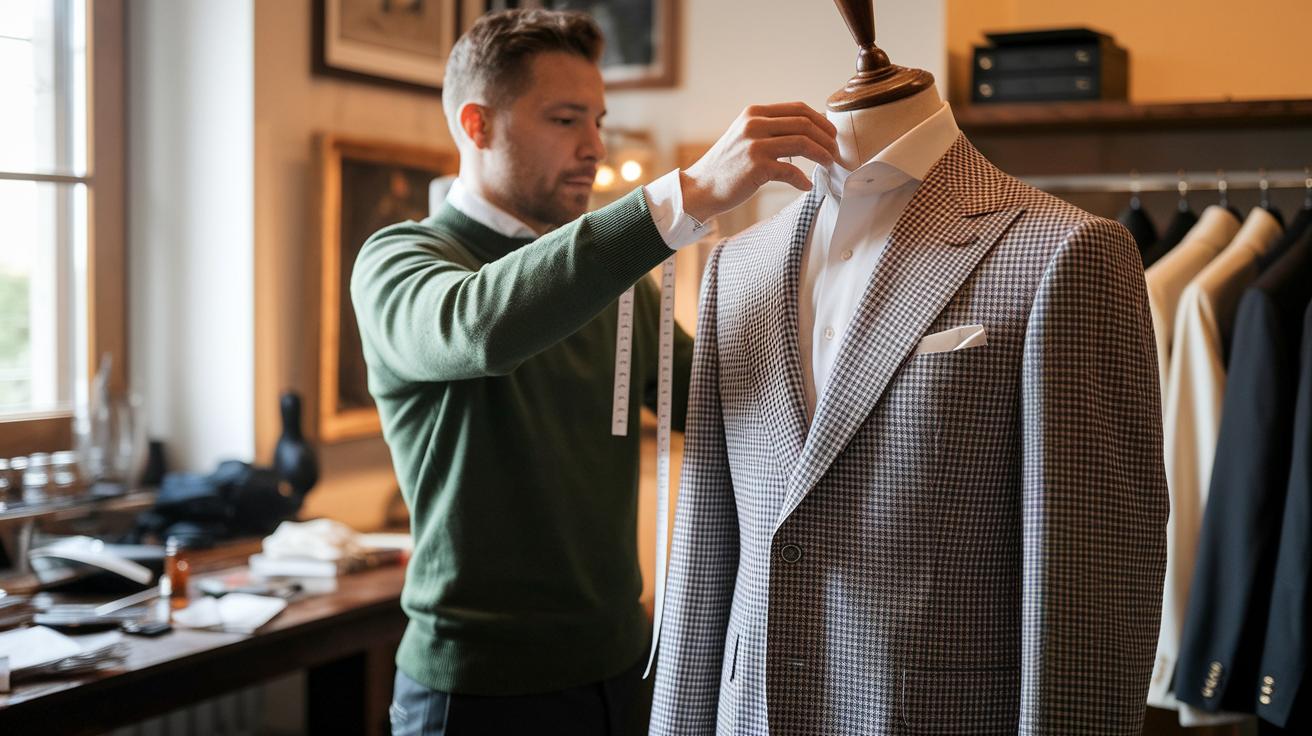
A tailor’s skill and care in every detail can completely change how a suit fits and lasts. Look for someone who uses full-canvas construction (a method that gives the suit its shape with additional fabric layers) and takes time with every stitch. This approach turns a normal suit into one that fits you perfectly and endures.
Ask around, check portfolios, and view sample garments to see real examples of their work. Client reviews and personal referrals are a great way to find tailors with a worthy reputation for quality and trust.
Keeping your personal pattern on file is another big plus. With your measurements stored, your tailor can easily ensure that every suit fits just as well as the first.
- Consistent house cut expertise
- Full-canvas construction know-how
- Clear fitting and alteration policies
- Positive client testimonials
- Ongoing pattern maintenance
Cost and Turnaround Time: Expert Advice on Custom Clothing Investment
The cost for custom clothing comes down to a few key things. The fabric quality, use of full-canvas construction (a solid method that adds durability), and extra design details all weigh in on the price. For example, a simple off-white shirt might cost around $200, while a well-made full-canvas suit can run between $1,200 and $3,000. Add features like custom linings, hand-finished stitching, or special button details and the price can go even higher. This combination of good fabric and careful construction means your piece not only looks sharp, it stands the test of time.
Generally, you can expect a turnaround time of 4 to 8 weeks for these items. Sometimes, extra time is needed when the fabric is given a rest, pressed for a neat finish, or if extra fittings are required. These small delays are part of a process designed just for your measurements, ensuring the garment feels as good as it looks. A few tweaks here and there can make all the difference in comfort and style.
When you plan to invest in custom clothing, remember to budget for both the upfront cost and future maintenance. Regular care like dry cleaning or spot treatment will keep your garment looking its best. You might also want to set aside a bit for future adjustments to maintain that perfect fit. For a simple guide on measuring cost against fabric and construction quality, check out the clothing quality vs price guide (https://jankreviews.com?p=1611).
Personalizing Custom-Tailored Clothing: Designer Material and Style Customization
Core Design Choices
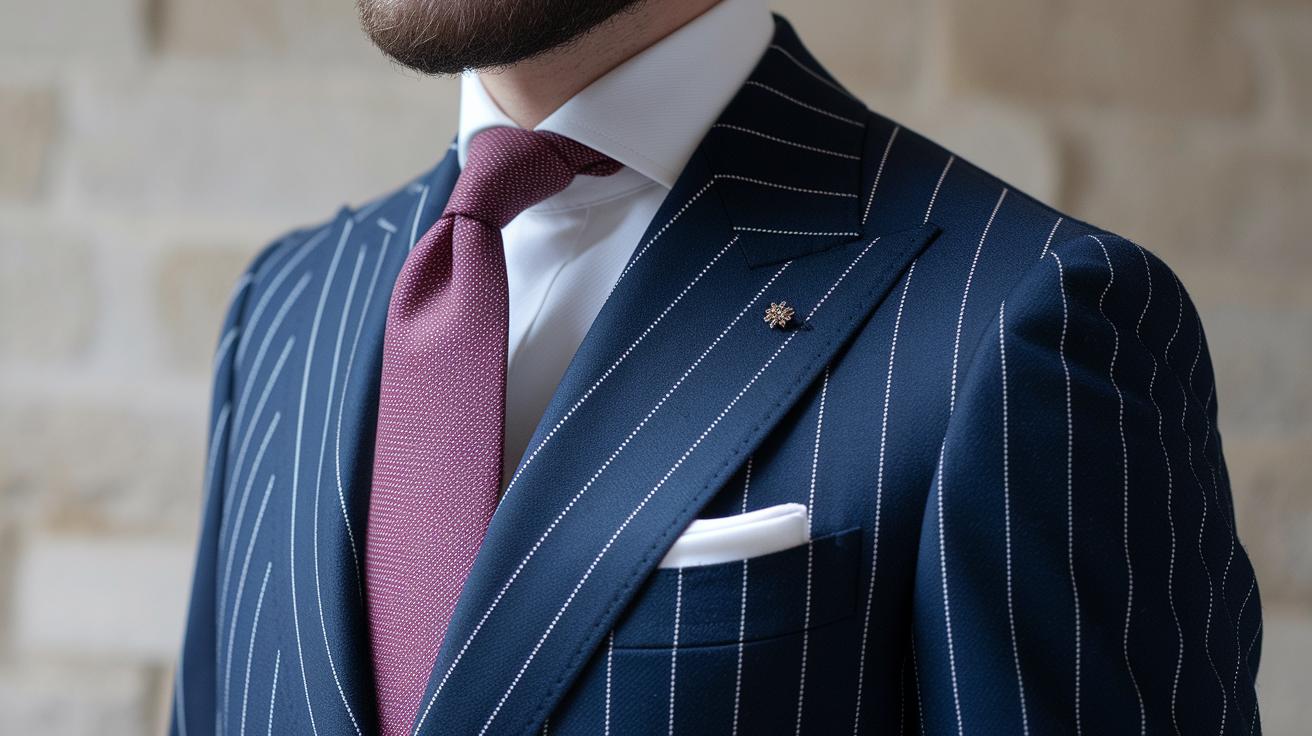
When picking a custom suit, start with the basics. Think about the lapel width, shoulder shape, and overall silhouette. A balanced lapel and a neat shoulder line help lift your frame. A suit with medium lapels and defined shoulders keeps things classic and works well for up to 10 years.
Detail Customization
Small touches go a long way. Changing button materials, pocket shapes, and lining patterns can add your own spin. A pair of different colored buttons or a light pattern on the lining sparks personality without taking over the look. These tweaks let you show your style while keeping the suit smart and traditional.
Balancing Trends with Classics
Mixing in trends needs a careful hand. Use gentle patterns or soft accent colors rather than loud prints. By blending modern details with classic cuts, you get a suit that feels current yet still honors a timeless look.
Bespoke Clothing Maintenance Tips for Long-Lasting Custom Apparel
Keep your custom suit looking its best by treating it with care. Instead of a full dry clean each time, try spot-cleaning small stains on regular days. Dry clean only when necessary because too many dry cleans can wear out the fabric and ruin its shape. If you hand wash a fabric that can handle it, use a gentle method so it doesn't shrink or lose its form. This simple routine helps your tailor-made clothes feel as fresh as the day you got them.
Store your custom clothes the right way to keep them looking neat. Hang your suit on wide, wooden hangers that support the shoulders and stop creases. Put your suit in a breathable garment bag to keep dust away, and rotate your outfits so the fabric can rest. Check sometimes for any needed tweaks, especially if your body shape or posture changes.
Final Words
In the action, we covered custom vs off-the-rack, full-canvas construction, precise measurements, quality fabrics, and choosing the right tailor. Each step builds a better fit and style, while keeping cost and maintenance in mind.
We shared practical, hands-on guidance that cuts return risk and buyer's remorse. Keep these expert tips for buying custom-tailored clothing in mind as you build a fit-friendly, quality wardrobe. Confidence and smart choices start with clear measures and honest details.
FAQ
Frequently Asked Questions
What is a bespoke suit and who can wear one?
The bespoke suit is a fully custom-made garment built from scratch using your measurements. It suits both men and women looking for a personalized, precise fit.
How does a bespoke suit differ from a tailored suit?
The bespoke suit is entirely made from scratch for your body, while a tailored suit adapts ready-to-wear clothing. This creates variations in fit, customization, and craftsmanship.
What is Suit Supply known for in custom clothing?
Suit Supply is recognized for offering both ready-to-wear and semi-custom options. It balances affordability with quality, giving shoppers a taste of personalized style without full bespoke pricing.
What is the typical cost of a bespoke suit?
The bespoke suit cost depends on fabric, construction, and design details. Prices often start around $1,200 and increase with the level of customization and premium materials chosen.
How can I find a tailor near me for a bespoke suit?
Locating a tailor near you involves checking local reviews, viewing sample work, and seeking referrals. This process ensures you find someone experienced in measuring and crafting a truly custom suit.