

Ever notice how some clothes keep looking fresh while others wear out quickly? Good quality clothing is more than just looking good. It relies on tough fibers and smart details like tidy stitching and zippers that hold firm. When you know what to check for, finding pieces that stay true to their shape becomes so much easier. This guide shows how fabric type, construction, and careful finishing touches come together to boost durability and your everyday style.
Factors Affecting Clothing Quality: Elevate Your Style
The quality of clothing starts with what it's made of. Natural fibers like cotton, wool, silk, and linen tend to be stronger and resist pilling better than synthetic ones. Picture a cotton shirt that keeps its shape and softness wash after wash because its fibers are built to last.
What really matters in quality clothing are a few key points: the fabric, how it's made, the little details, the fit, and even what the price suggests. High-quality clothes usually have neat, even stitching and extra reinforcement at stress points. One tester mentioned that the fabric "glides smoothly" and that the secure stitches kept the piece in good shape after regular wear.
Details count too. Think of buttons that stay firmly in place, zippers that move without a hitch, and linings with a perfect finish. Designers often add smart finishing touches that not only boost the look of the garment but also make it more durable. Techniques like darts or cutting on the bias help create a fit that moves comfortably with you.
Remember, a higher price tag might indicate better construction, but regular use and careful washing have a big impact on a garment's lifespan.
Key points to check:
- Fabric type and strength
- Seam integrity with reinforced stitching
- Functional details and thoughtful finishing touches
- Tailored fit for lasting comfort
By keeping these elements in mind, you can shop smarter and choose clothing that feels great today and stands up to everyday wear over time.
Fabric Quality Considerations for Superior Clothing Quality
Natural Fiber Characteristics
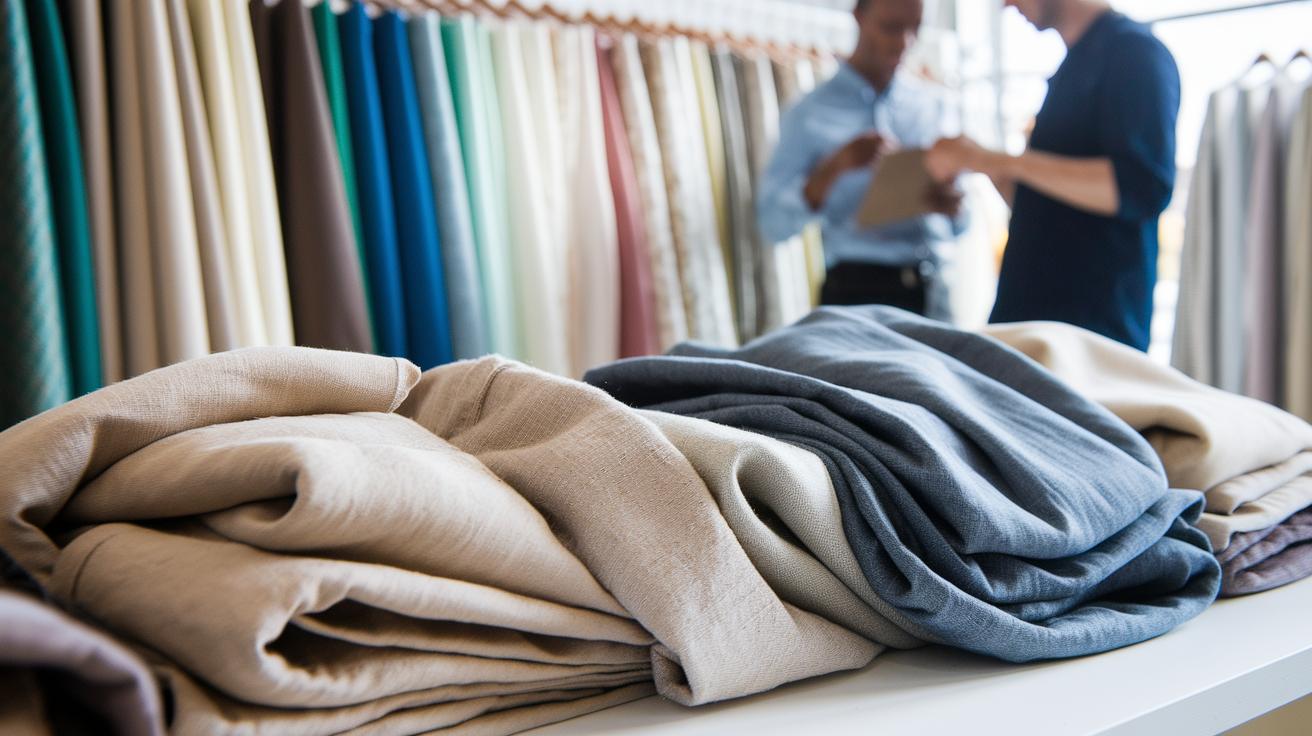
Natural fibers like cotton, linen, wool, and silk feel soft and comfortable on your skin. Cotton absorbs sweat well and stays breathable, making it a top pick for everyday wear. Linen has a crisp feel and takes in moisture while keeping you cool on a hot day. Wool holds warmth and resists wear, so it works great in cooler weather. Silk drapes elegantly with a smooth and shiny finish that you can feel. These fabrics let air circulate around you, which helps keep things comfortable even after many washes.
Synthetic Fiber Characteristics
Synthetic fibers such as polyester and nylon provide reliable strength and a steady look in both color and texture. They hold up well under impact but may develop small balls on the surface (pilling) if not handled with care. Some garments blend natural and synthetic fibers to give you both breathability and durability. Knit fabrics offer great stretch for casual wear, while woven constructions keep a more defined shape. A tighter weave, for example, can give fabrics better tear resistance. For more details on denim quality, check out our guide to choosing quality denim.
| Fiber Type | Key Traits | Durability Rating |
|---|---|---|
| Cotton | Breathable, moisture-absorbing, soft drape | 4/5 |
| Polyester | Uniform filament, impact endurance, may pill | 3/5 |
| Linen | Cool, strong, high moisture uptake | 4/5 |
| Wool | Excellent thermal stability, abrasion resistance | 4/5 |
| Silk | Luxurious drape, natural sheen, limited abrasion | 3/5 |
Choosing the right fabric is all about balance. Factors like yarn count, fiber blends, and whether the fabric is knit or woven all help determine how a garment feels and how long it lasts.
Stitching and Seam Construction in Clothing Quality
Proper stitching is key to making clothes that last. The stitch should be even and straight with the right length to ensure strength and durability. Many quality garments use methods like lockstitch, chain stitch, or overlock stitching. Lockstitch is common because it is reliable and neat. Chain stitch offers flexibility but might unravel if one stitch breaks. Overlock stitching wraps around the fabric's edge to help stop fraying, much like a neatly wrapped edge that stays together under pressure.
Key Stitch Types
Each stitch type brings its own benefits. Lockstitch gives a clean look and works well in areas that need strong support. Although less common, chain stitch adds flexibility for fabrics that need to move easily. Overlock stitching (also known as serging) covers the raw edge to boost durability and prevent fraying. In well-made garments, these stitches are chosen carefully based on the fabric and design needs.
Reinforcement Methods
In areas with a lot of stress, extra reinforcement helps keep seams strong. Bar tacks are tight, small stitches placed on spots like the ends of pockets to secure them. Binding tape is used along raw edges to stop the fabric from unraveling. Double-needle stitching creates two parallel rows to share the load and add strength. These methods help maintain consistent seam strength and keep clothes in good shape even with everyday wear.
Finishing Processes Influencing Clothing Quality
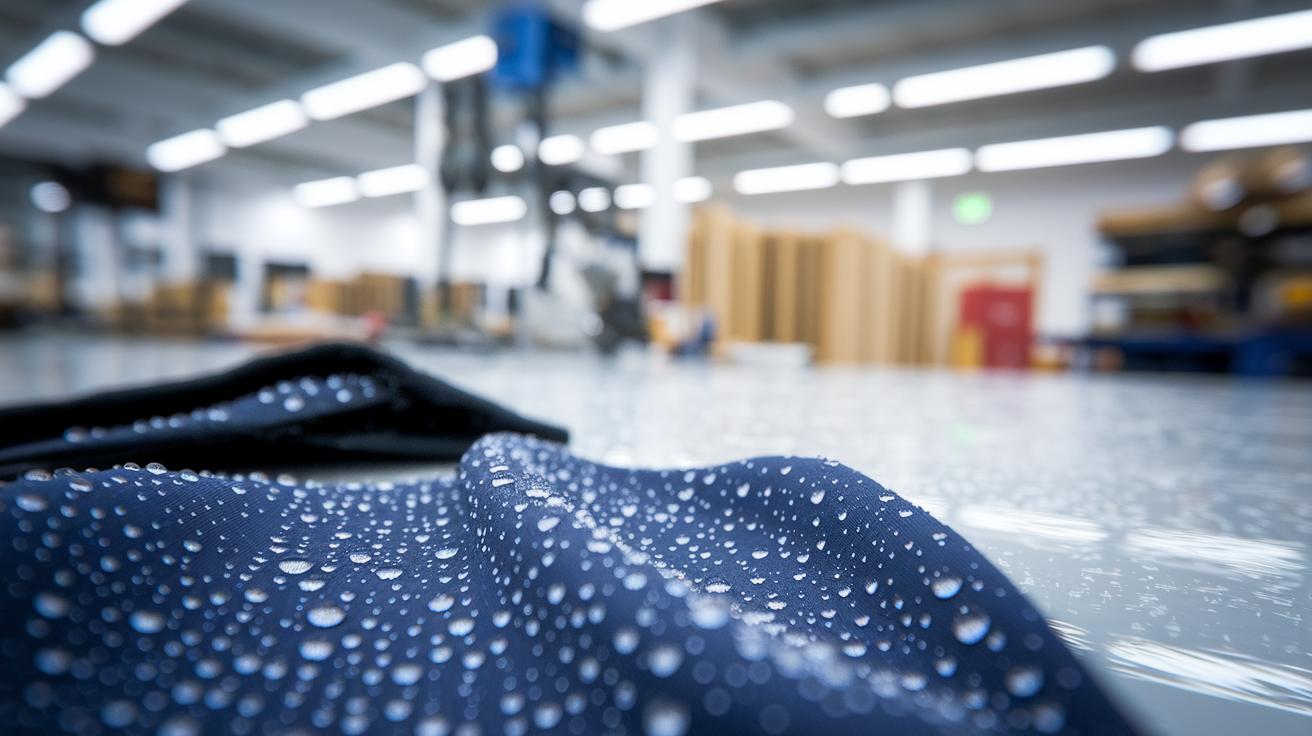
Finishing treatments change how a garment feels and lasts. They add benefits like stain resistance, water repellency, and protection against wear. These treatments work on the fabric's surface so that spills and rough conditions cause less harm. For example, a coat might get a silicone finish that makes water bead off, keeping it looking fresh on rainy days.
Color is locked in at the fiber level through pigment integration. This keeps your favorite dress bright even after many washes. Durable coatings made with fluoropolymers (a type of chemical that forms a tough layer) boost the fabric's strength by shielding it from friction and everyday stress. Testing for color fastness helps ensure the garment holds up well against light, washes, and regular wear.
Some clothes also feature an anti-microbial finish. This finish works to reduce odor-causing bacteria and sometimes adds UV protection, which helps keep the fabric strong and the color vivid. A workout shirt, for example, might use this technique so it stays fresher longer than untreated fabrics. These finishing processes make your clothes perform better and last longer during everyday use.
Quality Assurance and Testing for Clothing Quality
High-quality clothes earn their mark through careful tests in both labs and everyday settings. These tests check if the fabric is durable, safe, and ready for daily wear. One common test is the tensile strength test. In simple terms, this test measures how much pull the fabric can take before it tears. We also use abrasion tests (using a method called Martindale, which rubs the fabric to see if it pills) to spot any surface damage.
The testing process follows strict rules. We use AQL sampling (that is, checking a sample of items to spot any defects) along with standards like ISO or AATCC to ensure every garment meets quality benchmarks. If you like hands-on projects, our guide on how to test clothing durability at home can help you get started.
Inspecting garments also means looking out for issues like skipped stitches or seams that are coming loose. Experts run colorfastness tests to see if colors stay bright after washing and exposure to light. They also measure how much a garment might shrink after a wash and test how well stretch fabrics bounce back. These routine checks catch early signs of wear before they turn into big problems.
Key tests typically include:
- Tensile strength test
- Abrasion resistance test
- Colorfastness test (how well colors hold up against washing and light)
- Shrinkage rate measurement
- Elastic recovery test
Using these tests, manufacturers and shoppers can feel confident that every seam and finish will endure everyday use. This testing process helps bring you apparel that works hard and lasts long.
Design and Fit Impacting Clothing Quality

Good garment construction starts with careful pattern cutting. When designers get the pattern right, each piece fits the same across every batch. This not only makes the garment more comfortable but also means the seams line up neatly on your body. Think about a blazer with perfectly placed darts; every cut is measured to let you move easily.
Tailoring details like darts, pleats, and interfacing (a supportive layer added inside the fabric) work together to shape the garment and spread out stress evenly. This means the piece not only looks good but also feels natural when you move. For example, a well-made dress might include subtle bias cuts (diagonally cut fabric) that allow it to drape gracefully while giving you room to stretch.
Fabric weight is another important factor. A fabric that's too heavy can pull seams out of shape, while a balanced weight supports both comfort and a neat look. The knit technique matters too. A shirt made with a skilled knit will stretch when needed and then return to its original form without sagging.
Thermal stability is also key. This means the fabric can handle heat from drying or ironing without losing its shape. When you combine accurate pattern cutting, smart tailoring, a refined knit structure, and solid thermal stability, you get clothes that hold their shape and work well with everyday wear.
Care and Maintenance Effects on Clothing Quality
Taking care of your clothes keeps them looking great and helps them last longer. Washing in cold water on a gentle cycle keeps colors bright and the fabric strong. For example, a sweater washed this way stays vibrant longer, almost like giving it a mini spa day.
When shirts are pre-treated with shrinking or enzyme processes, they keep their original fit wash after wash. Using tightly spun yarns and a finish that fights pilling also stops those annoying fuzz balls from showing up, leaving the fabric feeling smooth.
How you dry and iron your clothes matters too. High heat can hurt the elastic and put stress on seams, so it's smart to use low heat or let items air-dry. Always check the care label and follow the instructions. For instance, turning delicate garments inside out before washing can help maintain both color and shape.
While everyday wear will show some signs of use, proper care minimizes wear and tear. In short, if you treat your clothes right, you'll keep them looking good and maintain their strength for a long time.
Sustainable Practices Elevating Clothing Quality
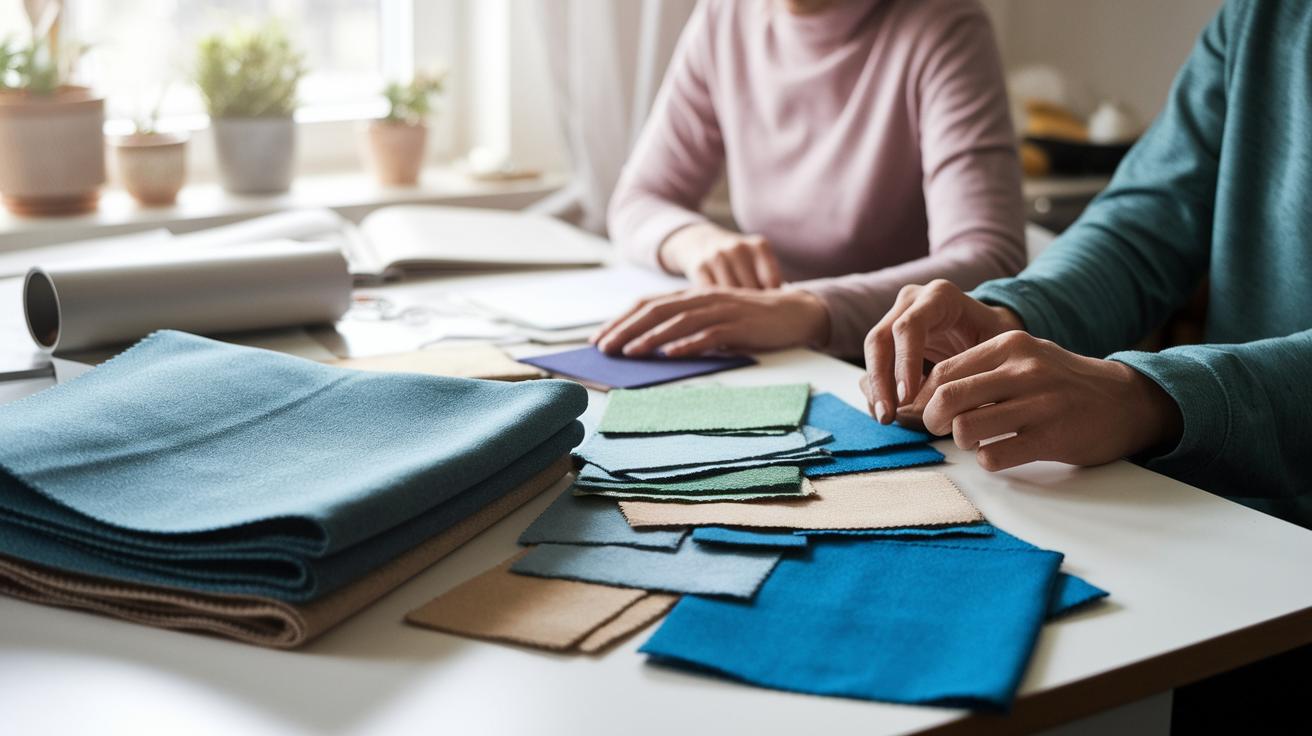
Sustainable practices can protect our planet and boost the quality of our clothes. Using eco-friendly fibers like organic cotton, Tencel (a soft fabric made from wood pulp) and recycled polyester helps cut down on waste and keep clothes performing well. These fabrics feel just as durable without relying on heavy synthetic additives.
Bio dyeing is another neat trick. By using fewer chemicals, the colors blend better and stay bright even after many washes. This means a jacket or sweater will keep its pop and look fresh for longer.
Many makers now plan their designs around recycling. They use up recyclable materials and trusted certifications like GOTS and Oeko-Tex to ensure quality. For instance, a sweater crafted from certified organic cotton tends to hold its shape and color because of careful, responsible sourcing.
Innovation in sustainable methods also means that clothes are built to last. They offer good tear resistance and stay comfortable through everyday wear. When labels show eco-friendly practices, it gives you extra confidence in both style and durability.
By choosing garments made with sustainable practices, you invest in pieces that look good, feel great, and are kinder to the earth. For more details, check out the ultimate sustainable fashion buyer guide.
Final Words
In the action of examining materials, stitching techniques, and finishing processes, we broke down how ins and outs like textile durability, performance analysis, and routine wear affect garment lifespan.
We also tackled design details, accurate fit, and how care routines shape quality over time.
This rundown shows that factors affecting clothing quality are key to reducing return risk and buyer's remorse. Keep these insights in mind to shop smart and enjoy lasting style.
FAQ
FAQ
What determines the quality of clothing?
The quality of clothing is determined by factors like fabric strength, precise stitching, reinforced seams, proper finishing, and overall construction that ensure durability and long-lasting wear.
How can you identify quality fabric?
Identifying quality fabric involves checking the fiber type, weave density, and finish. Look for natural fibers with a smooth, consistent texture that resist pilling and maintain their shape over time.
How can you tell if clothes are well-made?
Well-made clothes show even, straight stitching and reinforced seams. Features like secure buttons, strong zippers, and carefully finished edges indicate thoughtful construction and lasting wear.
What are the differences between high quality and low quality linen?
High quality linen has a dense, even weave and soft, crisp feel, whereas low quality linen typically feels rougher, shows uneven texture, and is prone to pilling due to weaker fibers.
What materials should you look for in clothes?
Good materials include natural fibers such as high-quality cotton, wool, linen, and silk. These fibers offer durability, comfort, breathability, and a natural feel that enhances the garment’s overall performance.
How can you tell if cotton is good quality?
Good quality cotton feels soft yet robust, has long, strong fibers, and maintains a uniform texture. It resists shedding, pilling, and retains its shape and color after multiple wears and washes.
What makes clothes last?
Clothes that last combine high-quality materials, precise construction, reinforced seams, and proper finishing treatments. These elements work together to withstand routine wear and repeated laundering while staying in shape.
How do you differentiate good fabrics from bad fabrics?
Good fabrics exhibit a consistent weave, even texture, and minimal pilling, whereas bad fabrics often have uneven construction, poor finishing, and a tendency to pill or lose shape quickly.
What is the 3-3-3 rule for clothing?
The 3-3-3 rule for clothing is a guideline that suggests giving equal attention to fabric quality, seam construction, and finishing details when assessing the overall durability and performance of a garment.
Is 100% cotton or a 50/50 blend better?
Choosing between 100% cotton and a 50/50 blend depends on your needs. The 100% cotton option offers a natural feel and breathability, while a blend provides wrinkle resistance and easier care.
What four factors affect the type of clothing people wear?
The type of clothing people choose is influenced by comfort, fabric durability, design fit, and care requirements, with each factor playing a role in everyday wearability and long-term performance.