

Have you noticed how some accessories get better with time while others break down fast? It usually comes down to the quality of the materials, everyday use, and even the weather. A real leather strap or sturdy metal band feels solid compared to parts made with cheaper materials. In this post, we explain these factors so you can choose accessories that keep up with your bold style over time.
Primary Drivers of Accessory Longevity
Accessory durability comes from many factors working together to keep items looking good and working well over time. The material is a big deal. For example, a quality leather strap used daily can last one to three years with gentle care, while metal straps made from stainless steel or titanium can handle years of use. Modern synthetics like rubber and silicone are built to fight off corrosion, UV light, and moisture, making them great for tough conditions.
How you use your accessory also matters. Daily wear means repeated bending, rubbing, and the occasional bump, which can lead to small tears or weakened joints. Sweat and constant movement speed up wear and aging. Simply wiping your accessory with a damp cloth and a bit of mild soap can clear away oils and grime, helping it stay in shape longer.
The environment plays a big role too. High humidity might cause metals to rust, while UV rays can fade colors and break down fibers in leather and plastic. Temperature changes can make leather stiff and synthetics brittle. Thinking about the material type, how you use and care for your accessory, and the conditions it faces can help you pick pieces that not only look good but also stand up to everyday life.
Material Selection and Accessory Durability
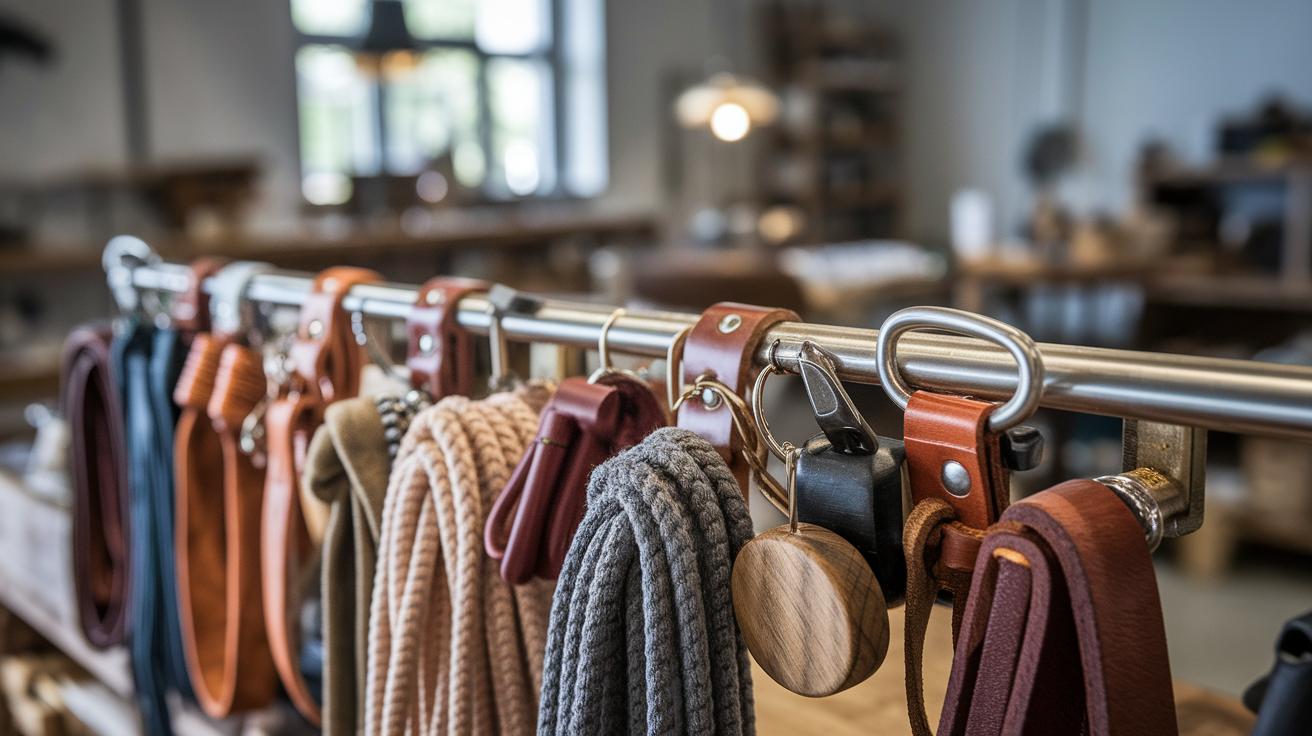
Picking good materials is key to how long an accessory will last. High-quality stainless steel, solid wood, and thick natural fibers are used because they stand up well to rust, bumps, and daily use. For example, a stainless steel buckle or a solid wood charm usually holds up well even with regular handling.
Rubber and silicone are popular too. They work in wet, hot, or cold weather because they repel water and handle temperature changes smoothly. Simple design tricks like seamless links and closed-loop fittings also help make the accessory tougher by stopping weak spots from forming.
Designers who check for quality choose materials that not only look nice but also keep performing for a long time. By weighing the quality of each material, they create accessories that can handle everyday wear while keeping their style.
Usage Patterns and Wear Impact on Accessory Lifespan
Wearing your accessories daily can make them age faster. Items like leather watch bands or bracelets that meet moisture and sweat show wear sooner. For example, a leather strap used during workouts may develop small cracks and lose its soft feel. Pieces worn in calmer settings tend to have fewer micro-tears.
Actions like bending a bracelet or sliding a ring can cause tiny splits over time. Studies show that frequent use makes materials tired, and even a sturdy metal cuff can lose its strength and shine if it bumps against hard surfaces repeatedly.
Simple changes in your routine can help extend the life of your accessories. If you wear a bracelet every day, try giving it a break now and then so it can recover from the constant stress.
| Factor | Impact |
|---|---|
| Daily Wear | Increases moisture exposure and can cause micro-tears |
| Repeated Bending | Creates small splits and abrasions |
| Impact | Leads to material fatigue and reduced strength |
Environmental Exposures Affecting Accessory Longevity
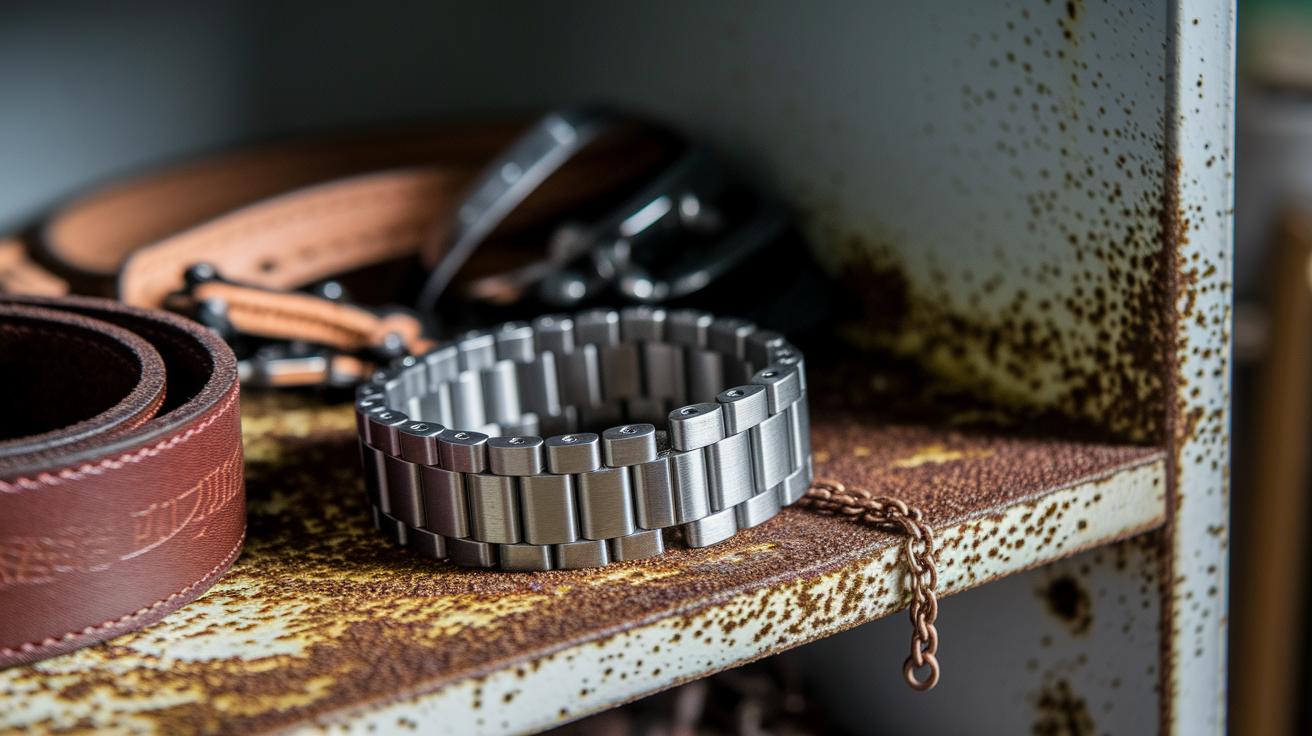
Accessories can wear out faster when they face tough weather. Moist air or high humidity can make metals rust and encourage mold on leather or natural fabrics. For example, a metal watch chain kept in a damp room might start rusting in just a few months.
Sunlight also harms accessories. UV rays fade colors and weaken the fibers in plastics, fabrics, and leathers. Wearing a bright leather bracelet in direct sunlight repeatedly can wash out its color and reduce its strength.
Temperature swings add another risk. Hot weather can soften synthetic parts, while cold makes them brittle and more likely to crack. Leather items may even crack if left in freezing conditions too long.
The best way to help your accessories last is to keep them in a stable environment, avoid long exposure to harsh conditions, and clean them gently on a regular basis.
Maintenance Best Practices for Maximizing Accessory Lifespan
Taking a few minutes each day to clean your accessories makes a big difference. A damp cloth and a bit of mild soap easily remove oils, dirt, and sweat that can wear items down. For example, gently wiping your leather watch strap after a long day helps keep it soft and its color steady.
Stick to gentle cleaning methods. Harsh chemicals like strong detergents, perfumes, or lotions can damage finishes and even break down the material. If something starts to lose its shine, it might mean you need a gentler approach. A quick tip: try the cleaning method on a small, hidden spot first.
Keeping your accessories organized also matters. Use separate pouches, soft trays, or padded organizers so items don’t rub or tangle with each other. For instance, storing a bracelet in a lined, divided tray can prevent unwanted scratches.
Follow these easy daily steps:
- Wipe your accessories with a slightly damp cloth after use.
- Use only mild cleaning agents.
- Store each item in its own pouch or soft-lined tray.
These simple practices help your accessories last longer while keeping them looking sharp.
Protective Measures and Storage Solutions for Accessory Care
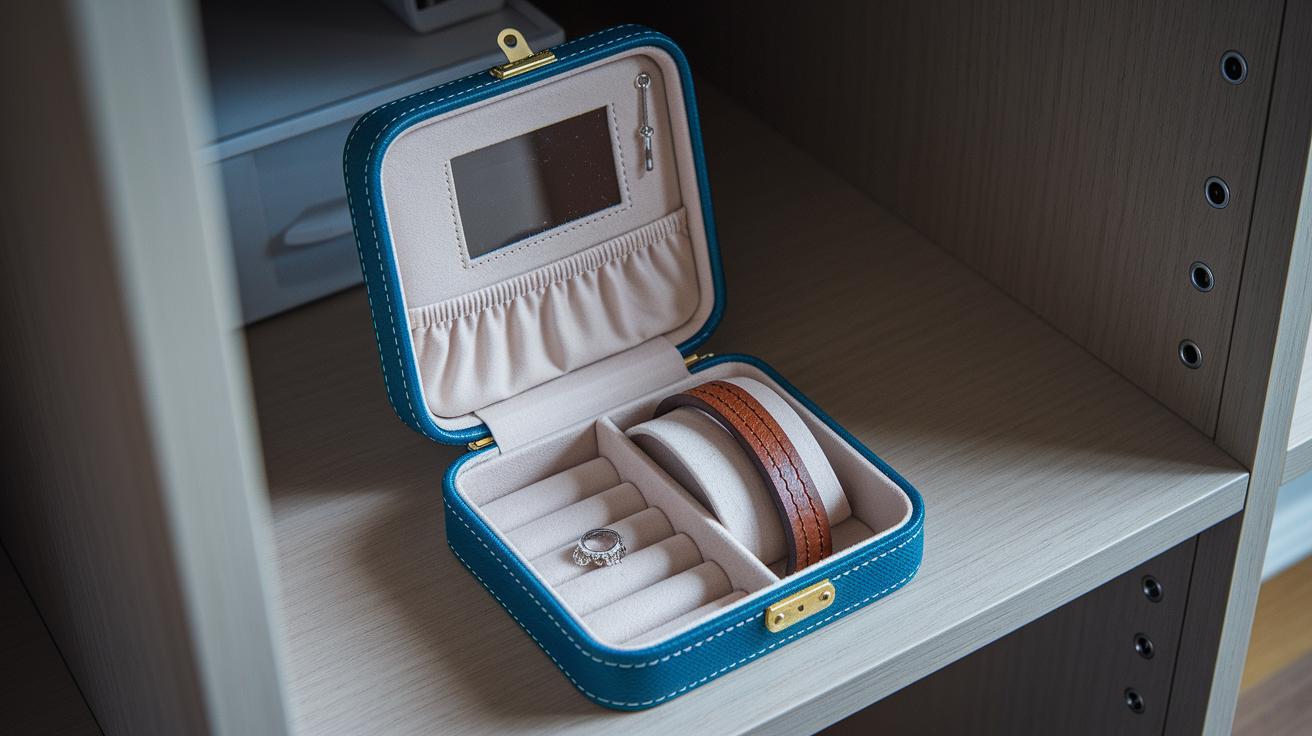
Taking care of your accessories starts with smart storage. Keeping them in cool, dry, and dark places stops damage from sunlight and moisture. For example, a small jewelry box tucked away in a closet can help prevent fading and rust.
Using anti-tarnish strips or silica gel packs is another easy trick. These little helpers soak up extra moisture and protect metal from corrosion. If you live somewhere damp, throw a silica gel pack into your box for extra safety.
Also, try using soft-lined trays, padded organizers, or separate cases. A cushioned pouch for a leather bracelet, for instance, can stop it from cracking when it rubs against harder items.
Try these steps:
- Keep accessories in cool, dry, and dark spots.
- Use anti-tarnish strips or silica packs to control humidity.
- Store items in soft-lined trays or cases to reduce bumps and scratches.
Each of these steps helps your accessories stay in top shape over time.
Quality Standards and Testing Methods for Accessory Longevity
Certification labels like Cradle to Cradle and B Corp show that an accessory was made with lasting quality in mind. These marks tell you that the makers followed clear rules for ethical production and durability. In plain terms, it means the accessory is built to work well for a long time, not just look good.
To figure out how tough an accessory is, manufacturers run stress tests that mimic everyday use. For example, bending tests check if a bracelet stays strong when twisted again and again. Abrasion tests see if the surface can handle lots of touching and rubbing. Tests using humidity chambers expose items to moisture to check for rust or material breakdown. One tester noted that "after 50 bending cycles, the clasp still worked perfectly." These tests show you straight facts about what to expect from your purchase.
Life-cycle analysis is another key method. It simulates months or even years of wear and tear. Evaluators watch how materials hold up with regular use and different weather conditions. Combining these tests with long-term studies helps shoppers pick accessories that mix style with real-life durability.
By using clear testing methods and well-known benchmarks, you get a good idea of an accessory's strength against everyday challenges.
Final Words
In the action, we broke down how material choices, usage habits, and environmental exposures shape your accessory’s durability. Everyday care, proper storage, and quality checks also influence how long your items stay attractive. We shared smart maintenance tips and stress the value of focusing on factors that affect accessory longevity. Stick to these pointers to build a dependable wardrobe that not only meets your style needs but stands up to daily wear with lasting performance. Enjoy making practical choices that bring long-term style confidence.
FAQ
What are the 5 factors that influence longevity?
The five factors influencing longevity include material type, usage patterns, maintenance routines, environmental exposure, and construction quality. Each factor plays a role in how long an accessory stays functional and attractive.
What are the six indicators of longevity?
The six indicators of longevity include material durability, wear patterns, construction integrity, maintenance effectiveness, environmental resilience, and results from quality tests. These measures help determine overall accessory performance.
What factor has the greatest impact on determining longevity?
The factor with the greatest impact is material type. It directly affects resistance to wear and exposure, setting the stage for an accessory’s durability over time.
What are the four keys to longevity?
The four keys to longevity are material selection, usage habits, regular maintenance, and proper storage. These essentials work together to keep accessories functional and looking good for longer.