

Have you ever wondered if a fashion show feels like magic or if it is just smart planning? A fashion show designer takes a plain runway and turns it into a live story using creative ideas and careful details. They handle everything from moodboards (visual planning boards) to lighting, ensuring each moment feels just right.
In this post, we explain what a fashion show designer does and the skills needed to put together an eye-catching display. Get set to see behind the scenes of a cool career that brings runway dreams to life.
Defining the Role of a Fashion Show Designer
Fashion show designers plan every runway show from the very start. They kick things off with a clear idea and work with stylists and dance experts to choose the looks and movements that bring a collection to life. They mix creative vision with solid planning so the show flows well and feels real.
They also handle the set and lighting, making sure that creative ideas match the space. This job means not only setting up great ways to show off clothes but also managing busy backstage work. Designers team up with tech experts and guide smooth changes during the show.
They use basic design tools along with simple layout ideas to turn a plain runway into an exciting experience. They take charge of planning the display and handling event details to keep every part of the show on theme. Their work means checking every final detail and working with suppliers and crews to get things right.
Their main tasks include:
- Creating boards that show the style and mood
- Scouting venues that boost the theme
- Coordinating model casting to match the show’s energy
- Managing tech details to ensure sound, lighting, and staging work well
- Reviewing the show afterwards to learn and improve for next time
Essential Skills and Creative Process for Fashion Show Designers

Expert fashion show designers work step by step to turn a runway idea into a real show. They mix creative ideas with clear planning to build a presentation that tells a simple, memorable story. They combine art, crafts, smart lighting, and space planning so every show feels unique.
Moodboarding & Concept Development
This phase sparks ideas and sets the mood. Designers collect pictures and thoughts that show the style they want. They choose a matching color theme and plan the layout for the runway.
- Collect inspiring images from fashion archives and everyday scenes.
- Pick a color theme that fits the designer's vision.
- Draw a rough plan for where models, props, and set pieces should go.
For example, a designer might say, "I found my ideas during midnight walks, watching the city lights." This mix of creativity and planning builds a strong foundation for the show.
Technical Blueprint & Production Coordination
Once the vision is clear, designers turn to the technical details. They create clear, detailed plans that everyone can follow. They draft schematic layouts and design lighting that highlights special moments.
- Create CAD schematics (computer-aided drawings that show detailed designs) for the runway and set pieces.
- Design lighting plans to accent important parts of the show.
- Prepare sound cue sheets that line up music and live stream moments.
Rehearsal, Choreography & Final Adjustments
In rehearsals, the plan comes to life on the runway. Designers decide the order of model walks while testing music and lighting cues.
- Arrange the order of models to keep a smooth flow.
- Mix in music or live stream elements for extra impact.
- Adjust the pace and space during practice runs.
This careful process makes sure the final show looks great and feels perfectly timed.
Showcasing Standout Fashion Show Designer Portfolios
A designer’s portfolio is a real peek into their creativity and know-how. It shows you everything from big runway events to small, intimate boutique shows. You get a glimpse of both behind-the-scenes work and the polished final images. A great portfolio mixes artistic ideas with smart planning. It not only grabs your attention but also shows the careful coordination needed to make an event shine.
Think of it like a mini story where your design vision meets everyday details. Just as lists like "5 Set Designers Working in Fashion Worth Knowing" point out unique talent, a good portfolio connects creative ideas with real, measurable outcomes.
Designers should consider including these key things in their collection:
- Concept boards with mood notes explaining the theme
- High-quality images showcasing both the show and backstage moments
- Technical drawings that break down lighting and rigging (how equipment is set up)
- Collaborations with celebrities or influencers on the runway
- Post-event details like attendance numbers or media reach
Trends and Innovations in Modern Fashion Show Design
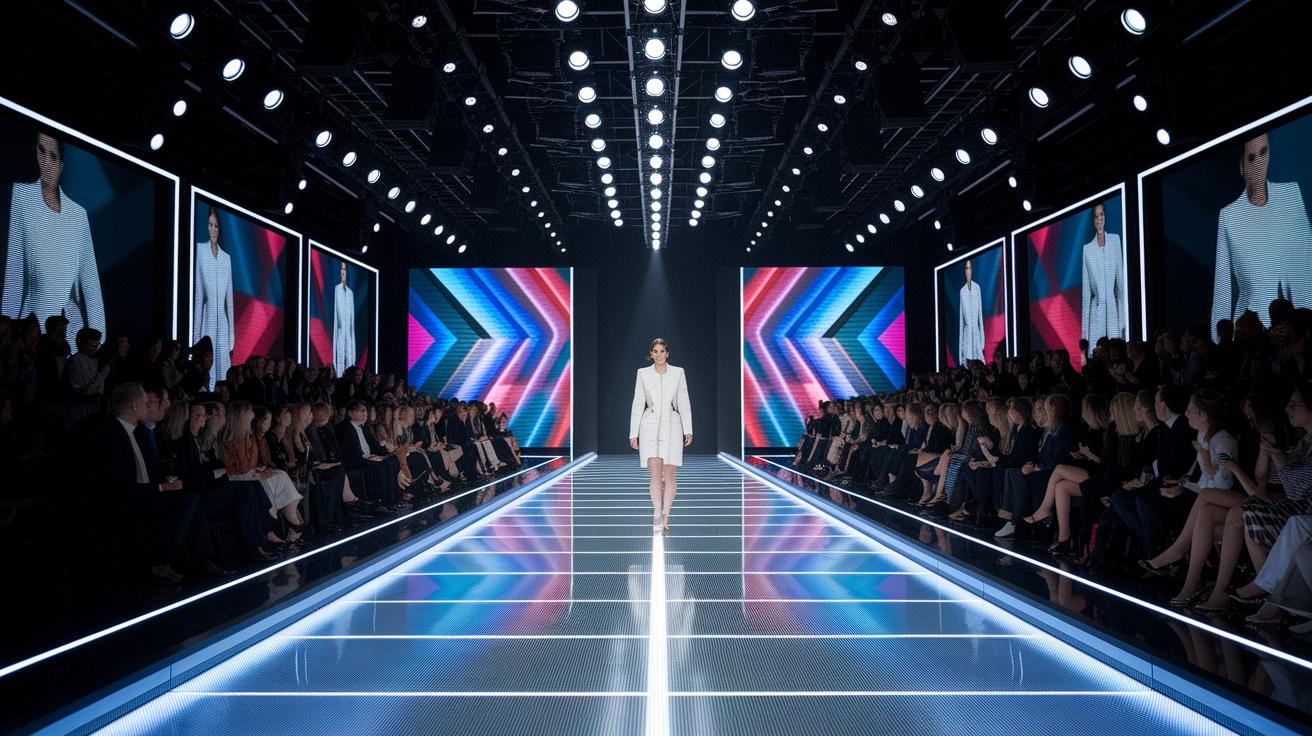
Recent fashion shows for Spring 2026 from Balmain, Meryll Rogge, and CFCL show a clear mix of tech and live events. Designers now combine real-life and online elements to create runways that let you join in whether you are in the crowd or watching online. Live feeds and social media are part of the experience, making the shows lively and interactive. For more details on these seasonal trends, check out the "2023 spring fashion trend report" (https://jankreviews.com?p=551).
The set design in these presentations is also very important. Designers use technology to build stages that feel alive, with changing lights and backgrounds that move with the music. This creative style makes the event more than just a clothing display; it is an experience that touches all your senses. Each show is meant to be seen, felt, and enjoyed in a new way.
- Live VR/AR model interactions
- Motion-sensing lighting sequences
- Interactive stage elements activated by audience devices
- Sustainable set materials with modular components
Building a Career Path as a Fashion Show Designer
Getting a formal education can really help you start a career in show production. ELLE Education offers well-known diploma and certificate programs, short seminar courses, and an online campus all focused on fashion production design. These classes teach you the basic skills you need, like setting up lighting, planning sound cues (signals for sound), and drawing set layouts. You'll also get a chance to work with experienced designers and learn how to manage busy production schedules. Hands-on projects and real-world training build your confidence and expand your portfolio, making the jump from school to the runway much smoother.
- Secure internships with trusted show producers
- Build a mentor relationship in creative arts
- Enter design competitions for feedback on your work
- Learn how to manage budgets and production timelines
- Practice syncing music with stage action
- Network at industry trade events
- Keep a record of every project for your portfolio
Entering Design Competitions
Competitions are a great way to test your ideas in a real setting. Look for contests that match your design style and career goals. Put together clear concept decks that show your vision and your plan for the technical details. Use feedback from the judges to polish your work. Taking part in competitions often helps build your reputation and connects you with creative professionals and mentors. Track your progress and celebrate each small win as you grow in your fashion show design career.
Final Words
In the action, this article broke down the many roles a fashion show designer plays, from concept boards and venue scouting to stitching together mood, tech, and choreography. We explored creative workflows, standout portfolios, and even career tips.
Each section helps you see the detailed steps behind planning show-stopping events. The guide leaves you feeling ready to tackle your next design project with confidence.
FAQ
What does “fashion show designer 2022” refer to?
The term “fashion show designer 2022” refers to professionals who craft runway experiences by merging creative vision with technical planning to showcase current collections in modern events.
What is an open fashion show and open girl fashion show?
An open fashion show welcomes public participation and viewership, while an open girl fashion show specifically focuses on inclusive events that highlight young female designers and models in a relaxed, accessible setting.
What is a fashion runway show or catwalk fashion show?
A fashion runway show, also known as a catwalk fashion show, is an event where models display clothing collections on a runway, designed to illustrate the designer’s vision in a live setting.
What can be expected at the Gucci fashion show 2026?
The Gucci fashion show 2026 is set to present innovative collections and cutting-edge set designs, blending tradition with modern techniques to highlight the brand’s evolving style.
What are fashion shows to watch and what makes them popular?
Fashion shows to watch highlight top designers and fresh styling ideas. They often feature imaginative presentations and digital integration that attract audiences with their striking visuals and creative narratives.
What is a fashion show game?
A fashion show game simulates the experience of designing and managing a runway event, allowing players to curate collections, style models, and organize energetic show presentations.
What is a designer fashion show?
A designer fashion show is an event where a creator presents their collection through careful planning of the set, lighting, and model choreography to convey the mood and story behind the garments.
Who are the big 4 designers and the top 10 fashion designers?
The big 4 designers typically refer to industry giants noted for setting trends, often including names like Chanel, Dior, Gucci, and Louis Vuitton. Top 10 lists vary but feature established and emerging names that continuously push creative boundaries.
How does one participate in a fashion show as a designer?
Participating in a fashion show as a designer involves building a standout portfolio, networking within industry circles, submitting designs to show organizers, and often gaining experience through internships and mentorship opportunities.