

Ever wonder how designers know which styles will catch on next? They use something called fashion trend forecasting. This means they study past sales and shifts in culture (like big changes in what people care about) to find out which looks will be popular soon. It works like a simple roadmap that helps brands release new styles right when shoppers are excited. This smart planning cuts down on waste and creates collections that really click with people. In this post, we break down how forecasting turns trends into must-see fashion moments for everyone.
How Fashion Trend Forecasting Predicts Future Styles

Fashion trend forecasting is all about guessing which styles will be popular next. Experts look at past sales numbers, design trends from before, and changes in culture to see what might work well. They mix hard data with a good feel for trends, like spotting a familiar color or a vintage look starting to make a comeback.
This kind of forecasting helps brands decide how many items to make and when to launch new collections. By planning ahead, companies can cut down on waste and avoid making too many items. For example, when a brand notices early signs of a trend, they can adjust their lineup so that fresh pieces arrive right when shoppers are most interested. This smart planning builds a strong and honest connection with customers.
These predictions also decide what ends up in stores, on runways, and in social media feeds. Designers and retailers use trend forecasts to pick the right fabrics, colors, and cuts for upcoming collections. The blend of data, cultural insights, and a spark of creativity guides these decisions. In the end, this careful approach helps the whole fashion world create styles that really click with people.
Short-Term vs Long-Term Fashion Forecasting Approaches

Fashion forecasting comes in two types. Short-term forecasting focuses on what styles will hit in the next season or two. It uses current sales numbers, clues from designer runways, and pop culture hints to pick out key details like colors, fabrics, and shapes. Long-term forecasting looks further ahead, usually 18 to 24 months, to see big shifts in technology and what consumers care about. These shifts can shape whole collections.
| Approach | Time Horizon | Focus | Key Methods |
|---|---|---|---|
| Short-Term Forecasting | 1-2 Seasons | Details like colors, fabrics, silhouettes | Sales figures, runway buzz, pop culture cues |
| Long-Term Forecasting | 18-24 Months | Cultural and technological shifts | Customer value changes, broader market signals |
Looking back at past trends is key for both methods. By studying old sales data and cultural movements, forecasters build a clearer picture of what styles work. This history makes the predictions more reliable, whether a designer is quickly reacting to current trends or planning a collection for the future.
Essential Techniques for Fashion Trend Analysis
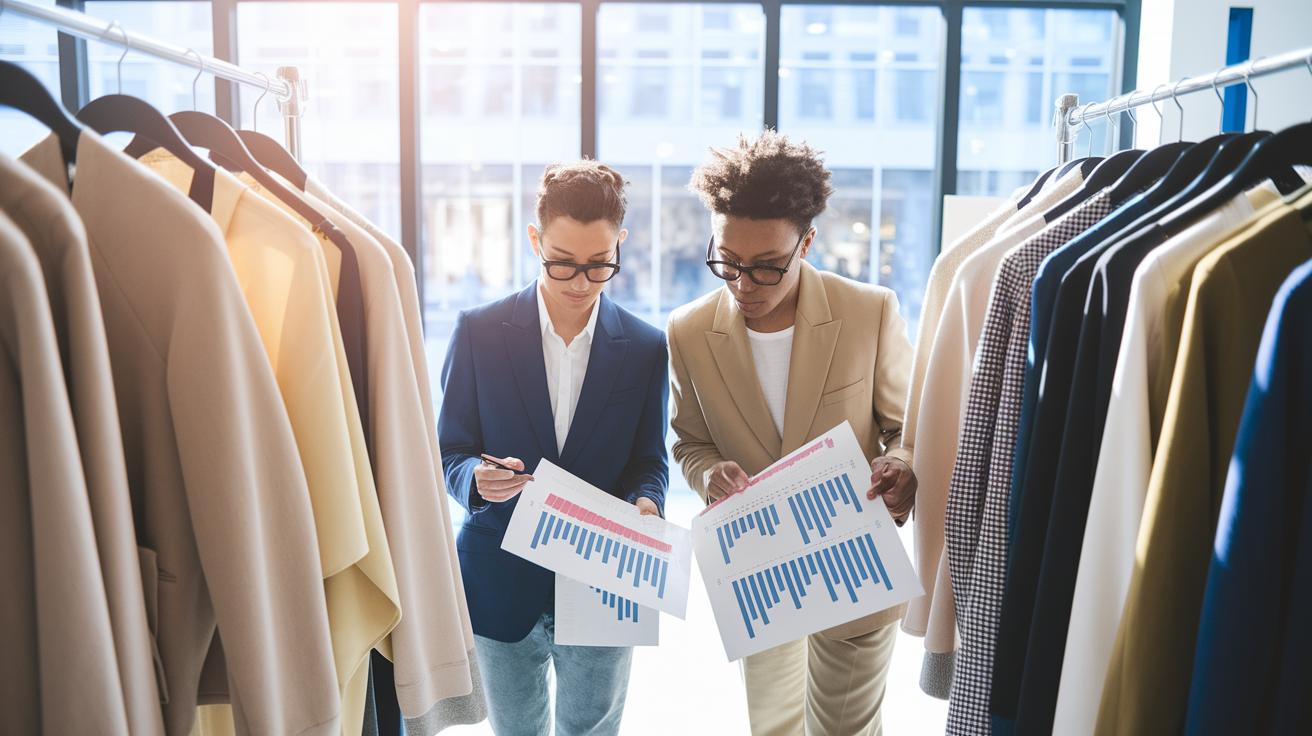
Fashion trend analysis mixes hands-on research with number-backed insights to spot the next big style. Experts watch market numbers and customer actions to see which looks might take off. They gather clues from past sales, designer shows, and everyday street styles. For example, a sudden love for a retro look might first pop up on social media before it makes it to the runway.
- Market research
- Consumer behavior insights
- Runway shows
- Social media tracking
- Color and fabric forecasts
Market research means checking past sales and buying habits to spot trends that come back. Consumer behavior insights tell us which styles people search for online and choose to buy, giving clues about lasting appeal. Runway shows let us watch designer previews where a fresh twist on a classic look might catch on quickly. Social media tracking keeps tabs on posts and trending hashtags to see which niche styles are growing popular. Color and fabric forecasts use cultural signals and nature cues to predict the next wave of hues and materials.
When these methods work together, they give a complete picture of what people want. Each technique links up with the others, forming a web of clues that helps designers and brands plan collections that match real tastes. This approach builds a strong base for predicting trends, letting both new and established designers confidently shape styles that shine in the market.
Fashion Trend Forecasting: Bold Styles for Success

Digital forecasting is changing how brands spot the next big trend. Smart AI tools now scan social media posts, runway shows, and customer opinions as they happen. They blend machine learning (computers learning from data) with visual checks to sort through many posts, pictures, and sales numbers. This approach helps to spot shifts in colors, fabrics, and overall style. Designers can adjust their collections early, well before trends hit the mainstream.
| Tool Name | Method | Primary Use |
|---|---|---|
| Social Media Analytics Platform | Analyzes social posts, hashtags, and influencer updates using AI | Tracks customer mood and finds trends fast |
| Retail Data Dashboard | Examines sales numbers and search trends | Identifies changes in customer demand |
| AI Image Recognition | Uses machine learning on runway and street style images | Finds new fabrics and silhouette details |
| Predictive Modeling Software | Forecasts trends with data analysis | Predicts style elements like color schemes and fabric choices |
Using these digital and AI tools makes forecasting both quicker and more accurate. Designers can react fast to new trends using clear, real-time data. This not only cuts down on overproduction but also makes sure collections match what shoppers want right now. With big data in trend analysis, brands keep ahead of market changes and create styles that are fresh and on track.
Seasonal Trend Predictions and Forecasting Techniques
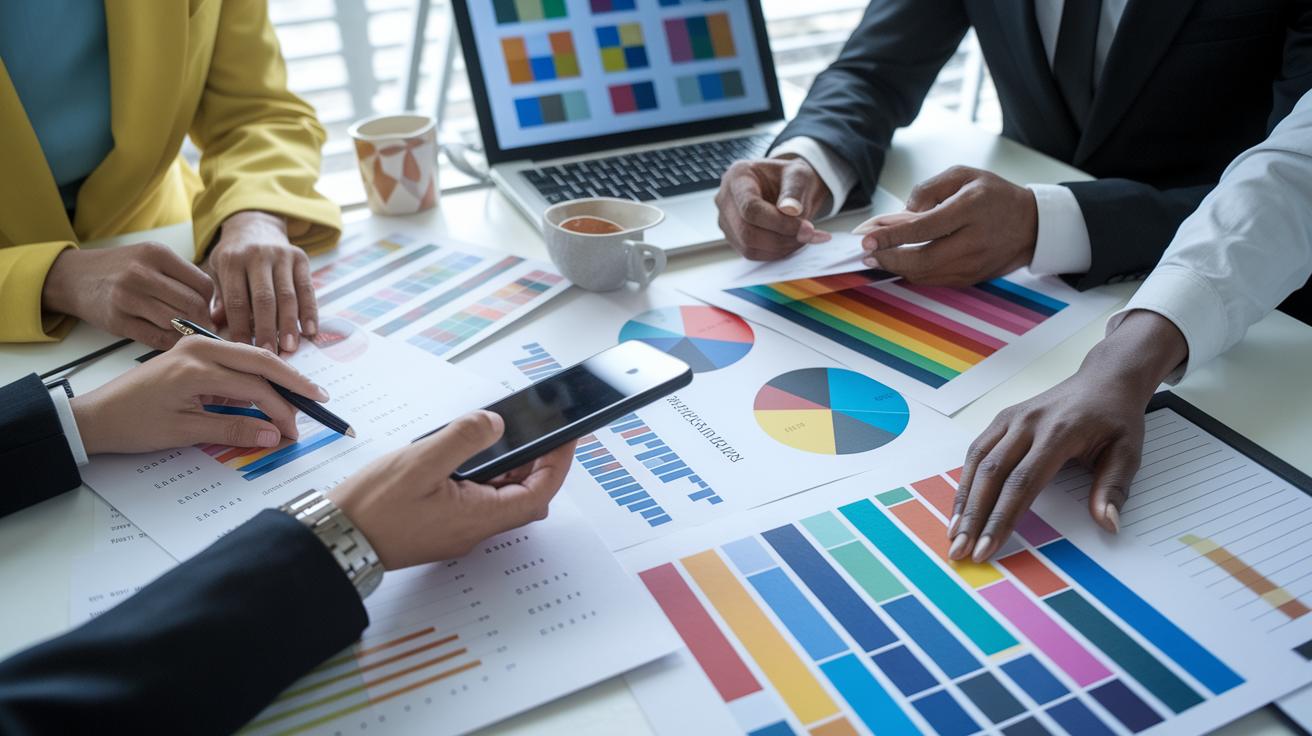
We base seasonal trend predictions on clear data points like sales numbers, runway reviews, and real-time social feeds. Experts look at sales details to catch changes in what shoppers want. They also check fashion week reviews that show new colors, fabrics, and textures coming soon. Social media buzz, including trending hashtags and influencer posts, gives extra clues about styles that people love. For instance, a rise in chatter about bright colors can mean those hues are ready for a comeback.
We also use simple analysis to fine-tune these forecasts. The idea that old styles, like 1970s flares, can return with a modern twist is a key part of our thinking. Reviews of new collections mix together designer pieces, street style snaps, and store sales data to tell a clear story about upcoming trends. By combining past trends with today's signals, we help brands match their collections with what people are really looking for.
Global Influences and Sustainable Trend Forecasting

Social media apps like TikTok, Instagram, and Facebook set the pace for global fashion trends. Influencers and local posts spark new ideas that quickly catch on around the world. These platforms give a fast look at which styles are popular with different groups.
Local trends and posts from everyday users show us real-time changes in what people like. Designers and brands use these insights to meet new demands, making collections that blend local style with global appeal.
Sustainability is now a big part of how we predict trends. New materials like plant-based leather, fabrics that biodegrade (break down naturally), and designs that reuse old pieces are changing fashion. Designers look at these eco-friendly options to refresh traditional collections. This shift not only meets the growing demand for greener products but also pushes for better production practices to reduce harm to our planet.
Ethical trend tracking goes one step further by checking what shoppers want in eco-friendly items. By watching data on recycled materials and responsible sourcing, experts can predict which collections will match ethical standards. This smart approach helps brands decide on designs and stock sizes that appeal to conscientious shoppers.
Leading Agencies and Experts in Fashion Trend Forecasting
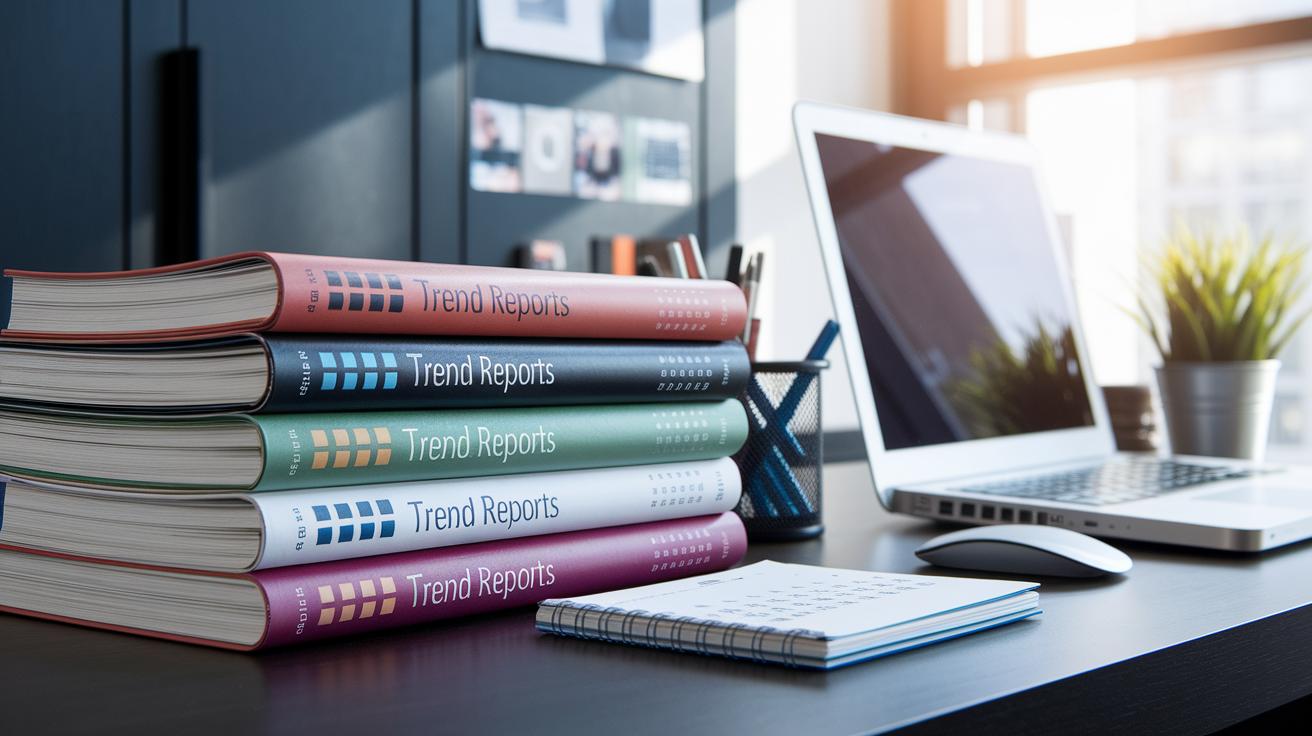
Top agencies like WGSN, Stylus, Trendstop, and Heuritech create trend reports that help brands shape their designs and production plans. They mix hard market data, observations from runway shows, and consumer insights to build forecasts that are both current and look ahead. Their work is detailed and thorough. For example, WGSN can cost up to $25,000 a year, reflecting the deep research and clear reports they offer for managing inventory and design strategies.
These premium services are a top pick for established brands that need accurate insights to stay competitive. Even fast fashion retailers benefit, as a quick turnaround from design to shelf is key to keeping up with shopper demand. Live industry events and runway seasons also add real-life snapshots that further refine these forecasts.
Fashion editors at major magazines and celebrity influencers add to the mix by sharing firsthand experiences from fashion weeks and exclusive events. Their clear take on emerging trends helps designers and buyers make faster decisions. This blend of insights makes it easier for brands to bridge the gap between high fashion and everyday style.
Career Opportunities and Skill Sets in Fashion Trend Forecasting

Jobs in fashion trend forecasting include roles like trend forecasters, fashion analysts, and color specialists. How much you earn depends on your agency and location. These roles need people who can quickly spot changing styles and turn what they see in customer habits into clear ideas. Even at the entry level, being able to observe small shifts in culture makes a big difference.
Key skills for these jobs include working with data using tools such as Excel (spreadsheet software) and other specialized platforms, researching cultural trends, picking out strong visuals, and explaining ideas in a clear way. It is important to dig through sales data to find new trends and then share those findings in a simple manner. Knowing your way around analytics tools and understanding basic statistics help you manage large sets of data and notice subtle changes in the market.
People can follow different paths to get into this field. Some choose degrees in fashion merchandising, while others take courses focused on trend forecasting. Certifications, like the FGI Fashion Forecasting Certificate, are also a good option. Internships with forecast consultancies give you real-life practice with market and runway analysis. These hands-on experiences let you put what you learn into action, sharpen your skills, and prepare you for a fast-paced industry that values both the number crunching and creative sides of fashion.
Final Words
In the action, we dove into the heart of fashion trend forecasting. The post showed how mixing data, cultural cues, and creative insight predicts what comes next. We broke down short-term and long-term methods, shared key analysis techniques, and discussed digital tools that speed up forecasts. Sustainability signals and expert insights round out the guide, making it easier to shop smart and build a reliable wardrobe. These clear takeaways help reduce sizing errors and buyer's remorse, keeping future style decisions on track.
FAQ
What do forecast years like 2025, 2026, and 2027 reveal about future fashion trends?
The forecast years indicate designers use past data and cultural cues to predict upcoming popular colors, fabrics, and silhouettes. These predictions help brands prepare future collections that match consumer tastes.
What is trend forecasting in fashion?
Trend forecasting in fashion means predicting future styles by analyzing historical trends, market data, and cultural influences. This process guides brands in creating collections that resonate with consumer preferences.
Where can I find fashion trend forecasting websites, PDFs, or books?
Fashion trend forecasting resources are available through specialized websites, downloadable PDF guides, and industry books. These materials provide practical insights and methodologies to understand emerging style trends.
What courses and certifications are available for fashion trend forecasting?
Fashion trend forecasting courses and certifications cover data analysis, market research, and cultural study basics. They offer hands-on training and prepare students for careers by building essential forecasting skills.
How can I become a fashion trend forecaster?
Becoming a fashion trend forecaster requires learning data evaluation, cultural research, and design trends. Gaining experience through internships and specialized courses helps build the skills needed in this field.
What career opportunities exist in fashion trend forecasting?
Career opportunities include roles such as trend forecasters, fashion analysts, and color specialists. These jobs demand a mix of analytical skills and creative insight to guide brand strategy and product collections.
What is an example of trend forecasting in fashion?
An example of trend forecasting is analyzing runway collections, social media signals, and sales data to predict that relaxed silhouettes and soft pastel colors will emerge as a key trend in an upcoming season.