

Fast Fashion Overview
Ever wonder how fast fashion stays ahead of trends? This industry uses fast turnarounds and online sales to quickly serve what shoppers want.
In 2023, fast fashion hit around $30 billion in value and is heading toward $40 billion by 2025. Big brands like H&M and Zara release more than 52 collections a year to keep up with consumer demand.
We break down the market size, growth trends, and what drives the energy behind every trend in this lively scene.
Fast Fashion Trend Report: Market Size, Growth, and Consumer Demand

Fast fashion is booming. The market was worth about $30 billion in 2023 and is expected to grow to $40 billion by 2025. This shows how quickly the industry can switch up trends and meet what shoppers want today.
Online shopping drives a big part of this growth. In 2023, the e-commerce fashion market hit a value of $672 billion. With a 14.2% yearly growth rate until 2025 and over 71 million online conversions reported by 150 top brands in 2021, digital sales are a key force behind this trend.
| Description | Value |
|---|---|
| Segment Value | $30B in 2023, projected to reach $40B by 2025 |
| Forecast CAGR | Revenue expected to grow from $150.82B in 2025 to $214.24B in 2029 at 7% |
| Conversion Volume | Over 71 million e-commerce conversions (150 top brands) |
| Micro-Season Count | More than 52 collections released annually |
Customer demand really shapes how stores operate. Big names like H&M, Forever 21, and Zara, along with top department stores, use early-access drops and influencer campaigns to catch the eye of trend-hungry shoppers. Quick changes, a constant online buzz, and a wide range of styles help these brands go beyond what consumers expect.
Apparel Trends Analysis and Rapid Season Cycles in Fast Fashion

Fast fashion labels are taking a fresh approach by updating their collections all year. They now drop more than 52 new collections each year. This means ideas from the runway become store items in just days. Shoppers see new trends almost every time they visit, and inventories change fast to match what people like right now.
Social Media and Ultra-Fast Fashion
Apps like Instagram and TikTok play a big role in showing off the latest styles. Influencers post trendy outfits that spark quick interest among their followers. Their posts create a buzz, and brands respond with speedy micro-season drops. This online-to-offline cycle keeps fast fashion moving at a rapid pace.
Other brands use smart tools like AI and real-time sales data to keep up. For instance, companies like Shein turn data into design ideas, cutting the time it takes to get new items on the shelves. This mix of quick ideas and fast production ensures that every new drop feels fresh and in tune with today’s style.
Consumer Behavior Trends Shaping Fast Fashion Demand

Today's fast fashion buyers love quick, low-cost updates that help them stay trendy. Many young shoppers take style tips from social media stars, which makes influencer suggestions very popular. They want to wear new looks without spending too much.
Retailers now use smart tools (like AI that learns your tastes) to track shopping habits and suggest items just for you. Social media posts from your favorite influencers also nudge you to try new styles. This mix of technology and online trends makes it easier to find clothes that match your lifestyle and budget.
At the same time, more shoppers are asking for honesty about how clothes are made. They value clear stories about sustainable practices and fair work conditions. This shift in expectations is changing how brands earn trust and build lasting relationships.
Sustainability Concerns and Environmental Impact in Fast Fashion
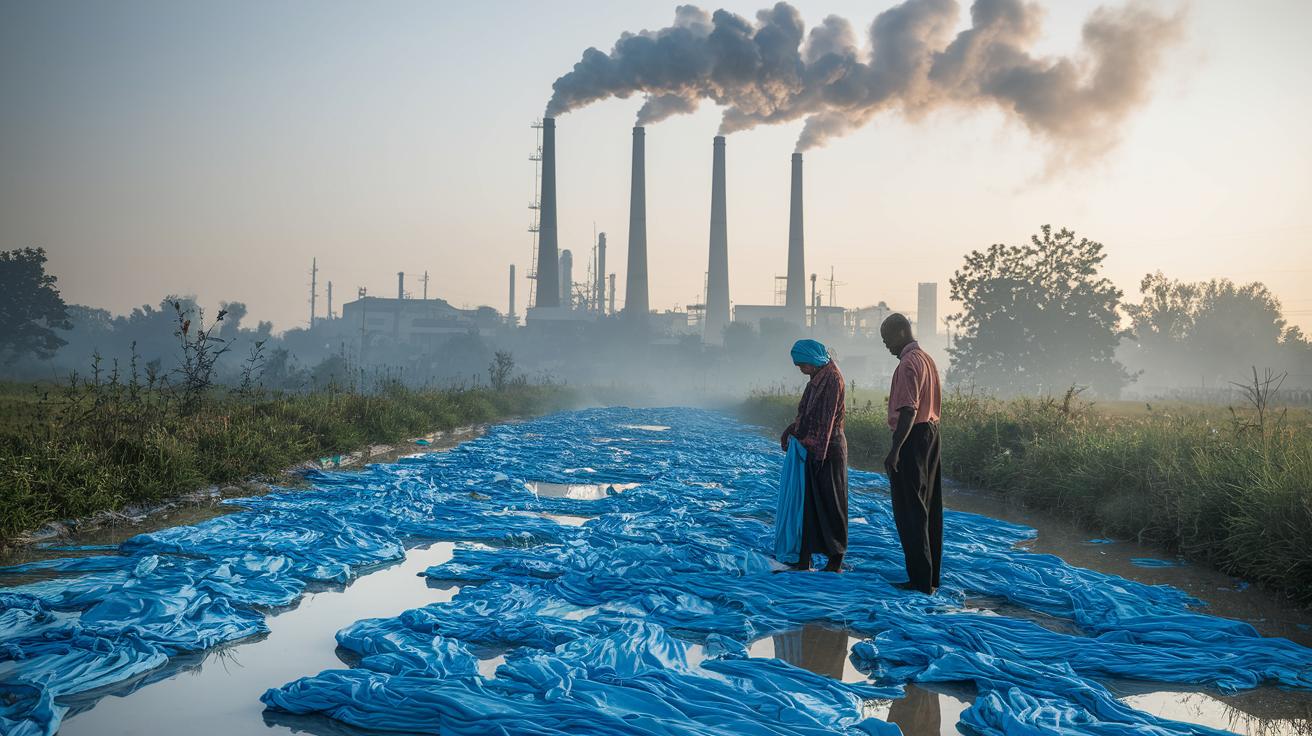
Fast fashion harms our environment in many ways. It creates about 10% of the world's carbon emissions. That is even more than the combined emissions from international flights and ships. This high level of greenhouse gases puts extra stress on our climate.
Making clothes also uses a lot of resources. For example, a cotton shirt takes about 700 gallons of water, while a pair of jeans needs up to 2,000 gallons. These production methods lead to enormous waste. Every year, fast fashion sends roughly 500,000 tons of microfibres into our oceans, comparable to the waste from 50 billion plastic bottles. On top of that, around 85% of textiles end up in landfills. These numbers clearly show the environmental toll of fast fashion.
| Impact Metric | Value | Environmental Consequence |
|---|---|---|
| Carbon Emissions Share | ~10% of global emissions | More than international flights and ships together |
| Water Usage per Item | 700 gallons for a cotton shirt; 2,000 gallons for jeans | Stresses local water reserves |
| Microfibre Release | 500,000 tons per year | Equals waste from 50 billion plastic bottles |
| Landfill Rate | 85% of textiles | Massive build-up of waste in dumps |
Some brands are taking steps to lower their environmental impact. Many are launching collections made from recycled materials and starting take-back programs for old clothes. For example, Zara plans to use only sustainably sourced linen and polyester by 2025. This move shows that even fast fashion can work towards being more eco-friendly.
Technological Innovations Accelerating Fast Fashion Trends

Technology fuels fast fashion. It shapes how trends are tracked and how clothes are made. AI picks up on customer clicks and browsing habits so brands can adjust products and stock on the fly. New digital tools also help designers cut waste and speed up making prototypes. In short, smart tech backs every quick season drop.
Artificial Intelligence and Predictive Analytics
AI checks past purchases and social signals to predict next-month styles. It looks at clicks, likes, and browsing data to spot what’s trending. This helps brands offer product picks that really fit your taste. Real-time dashboards mean teams can change production schedules fast.
3D Printing and On-Demand Production
3D printing lets designers make custom pieces with almost no waste. It speeds up making prototypes by producing just what is needed, lowering the risk of overproduction. Brands can experiment with new designs and switch to on-demand production quickly. This method offers a flexible way to meet sudden shifts in customer demand.
Looking ahead, teaming up AI with 3D printing could change how fast and cost-effective fast fashion becomes. Together, these innovations streamline production, cut waste, and deliver collections that match trends almost instantly.
Future Predictions and Forecast Accuracy in Fast Fashion Trend Reports
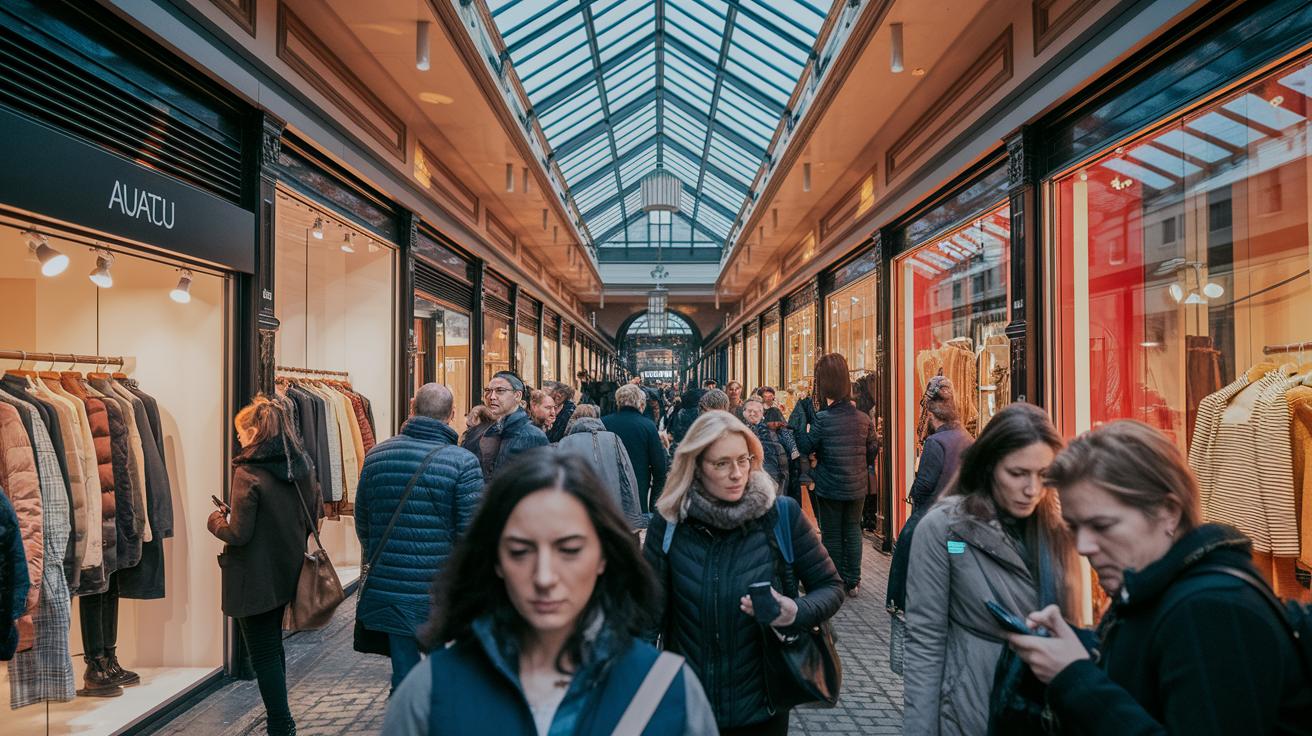
Fast fashion forecasts show a bright future. Experts now predict that the fast fashion segment could hit around USD 40 billion by 2025, while overall apparel sales may reach about USD 214.24 billion by 2029. They expect a compound annual growth rate (the average yearly increase) of about 7% in apparel, with the online fashion market growing at 14.2% each year through 2025.
Analysts make these predictions by using up-to-date numbers from sales, social media buzz, and big economic signals. They gather data on online shopping habits and pay close attention to changes in digital chatter, supply chains, and new regulations. They also watch how new sustainability rules and laws in places like New York and the EU might change the market.
- Market growth rates
- Social signal metrics
- Regulatory shifts
- Sustainability initiatives
- Supply-chain data
The reliability of these forecasts depends on how fresh and accurate the data is. With real-time updates and advanced methods, the predictions are often spot-on. However, the fast and ever-changing world of fashion, along with sudden rule changes and new demands for sustainability, can make the market unpredictable. This means analysts have to keep tweaking their models to stay in tune with real-world trends.
Emerging Fast Fashion Brands and Budget Clothing Innovations
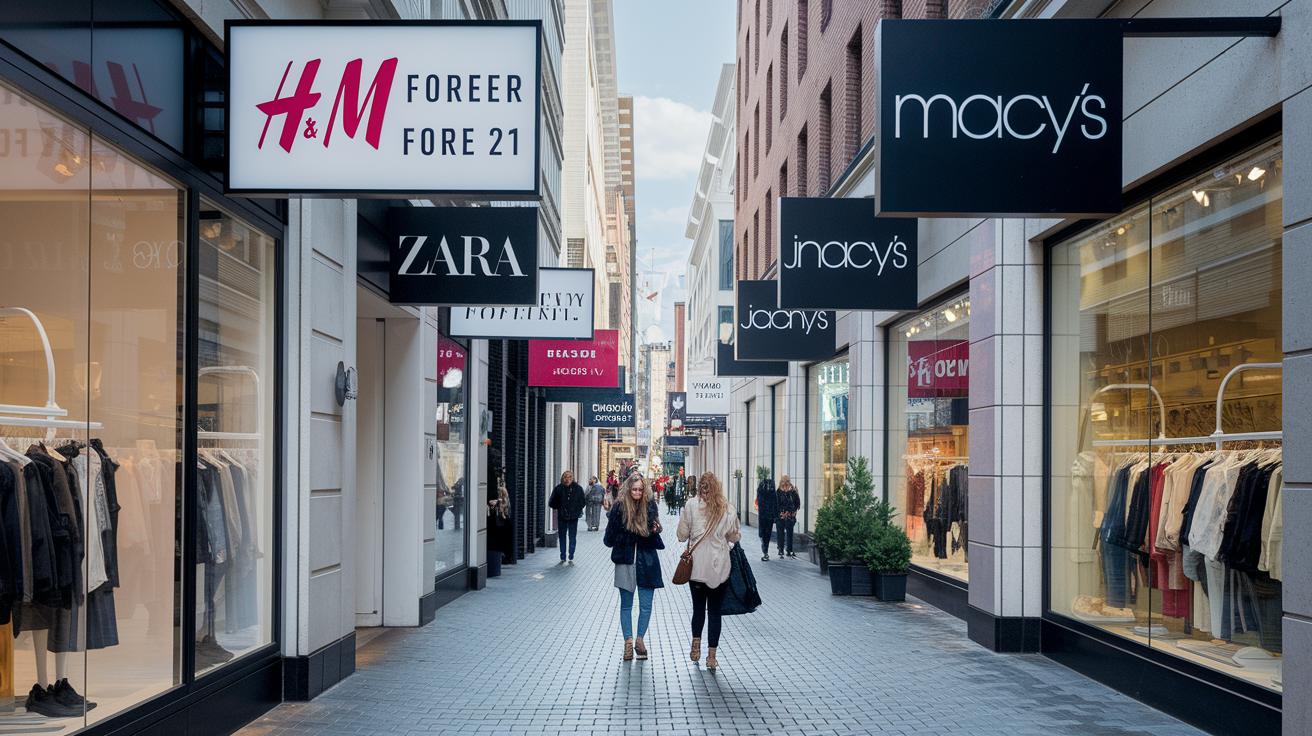
H&M, Forever 21, and Zara lead fast fashion by offering low prices that grab the attention of trend chasers. Stores like Macy's, JCPenney, and Kohl's also keep up with changing styles, making it easy for shoppers on a budget to find something new. Shein works differently; by using quick, data-driven methods, they bring fresh styles almost every day. This fast pace means you can always count on affordable options and the latest trends.
Second-hand shopping is growing too. Platforms such as ThredUp, Vinted, and Depop let you find sustainable, low-cost clothing without buying new. Many new brands are now trying recycling and upcycling methods to make special, limited collections. These smart moves not only offer good value but also match the rising interest in eco-friendly fashion.
Final Words
In the action, the fast fashion landscape shows rapid market growth and booming e-commerce momentum. The numbers speak clearly:
• Rising fast fashion segment value
• Forecasted 7% apparel revenue growth
• High e-commerce conversion volumes
• Over 52 micro-season drops yearly
Consumer behavior and tech innovation combine to drive this trend. The fast fashion trend report highlights dynamic market shifts that boost confidence in strategic purchasing. The outlook remains upbeat and full of opportunity.
FAQ
Frequently Asked Questions
What is fast fashion?
Fast fashion is a quick-production clothing model that churns out current trends at low prices by rapidly designing, manufacturing, and distributing styles to meet immediate consumer demand.
Why is fast fashion so popular?
Fast fashion is popular because it offers trendy, low-cost options that allow shoppers to update their wardrobes frequently, supported by strategic store drops and strong online marketing.
What are key fast fashion statistics and trends?
Fast fashion reports note a segment value of USD 30 billion in 2023, with projections of reaching USD 40 billion by 2025 and overall industry expansion set to grow significantly by 2029.
What fast fashion trends drive industry growth?
Fast fashion trends include over 52 micro-season releases annually, the extensive use of influencer marketing, and data-driven production cycles that rapidly address evolving consumer preferences.
Which brands lead the fast fashion market?
Leading players such as H&M, Forever 21, Zara, and department stores like Macy’s and Kohl’s dominate fast fashion by continually refreshing inventories and leveraging both physical and digital sales channels.