

Quick Verdict
Small adjustments can turn a painful walk into a comfortable stroll.
Why You Might Feel Pain
After a long day, your feet might ache because your shoes don't fit right. Tight or loose shoes can cause calluses and blisters that make every step hurt.
Simple Fixes for Happy Feet
- Ease into new shoes slowly so they mold to your feet.
- Pair your shoes with soft, cushioned socks that help reduce friction.
- Check your fit regularly to catch issues before they turn into pain.
Even a few small changes can help your feet feel better and keep you moving comfortably all day.
Core Footwear Comfort Tips for Pain-Free Steps
Getting the right shoe fit is key to avoiding pain. Shoes that match your foot size and width stop them from pinching or slipping. When you wear new shoes, they might feel stiff. Give them 3 to 7 days to soften up and adapt to your feet. Also, choose breathable socks. They pull moisture away (in about 10 minutes) so your feet stay dry.
Making sure your shoes and socks work together helps stop problems like calluses and blisters. If you spend most of your day on your feet or you run a lot, these small details matter. Runners should swap out their shoes every 300 to 500 miles or every 6 to 12 months. This helps keep the cushioning and support working right. A few quick fixes and regular checks can boost your everyday comfort.
- Check your shoe size and width with a Brannock Device or later in the day when your feet are a bit swollen.
- Break in new shoes slowly over several days.
- Wear breathable socks to manage moisture.
- Try cushioning insoles for extra shock absorption.
- Add gel pads to share the weight from your heels and forefoot.
- Use heel grips to reduce slippage by about 40%.
- Use toe protectors to stop blisters.
- Look over your shoes often and switch between pairs so the midsoles get time to recover.
Keep an eye on your shoes. Look for worn-out treads or signs that the midsole is compressed. Rotating two or three pairs can help your shoes keep their cushioning and last longer.
Insole Support and Custom Insert Solutions for All-Day Comfort
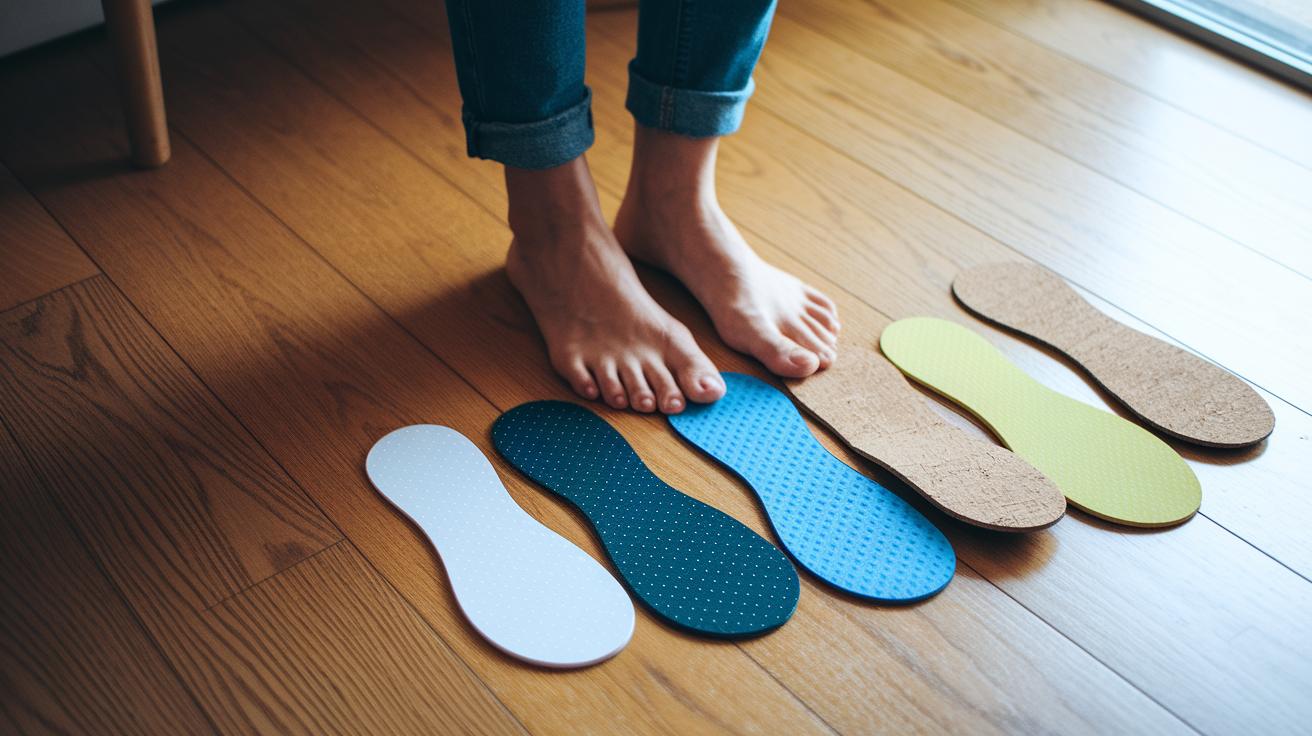
Finding the right insole can make a long day on your feet feel a lot easier. There are different materials to choose from, such as foam, gel, cork, and memory foam. Foam insoles are light and give you a fair amount of shock absorption. Memory foam, on the other hand, molds to your foot for a custom feel. Gel insoles are known for soaking up shock, which is great if you are into high-impact activities.
New custom inserts now let you use heat-moldable orthotics that shape to your foot in just 30 seconds with a quick scan. This means you can easily adjust how firm or cushioned your insole feels. For example, gel metatarsal pads can absorb 25-45% more shock than regular foam, which helps ease sensitive spots.
| Insole Type | Shock Absorption Rating | Best Use |
|---|---|---|
| Foam | Moderate | Everyday Wear |
| Gel | High | Sports & Running |
| Memory-Foam | Variable | Custom Comfort |
For the best fit, make sure to test your insole with your shoes and adjust the arch support as needed.
Shoe Cushioning Strategies and Midsole Technology Insights
EVA foam is a common midsole material that bounces back about 20-30% of the energy you put into it. It also weighs around 20% less than many other materials, giving you a lighter feel for everyday steps and low-impact activities.
On the other hand, PU midsoles (polyurethane) are built to last. They tend to hold up 10-15% longer, making them a sturdy choice when you need extra durability for longer wear and heavier loads.
Air-cushion units cut down impact by roughly 15%. They work by spreading out the force away from hard-hit spots, which helps whether you're taking a relaxed walk or pushing through a high-energy workout.
New foam blends mixed with TPU beads (a type of strong plastic) boost bounce-back by about 10%. This means you get a soft, cushioned feel paired with just the right amount of firm support.
Dual-density midsoles add extra stability for both your heel and the front of your foot when the pressure changes. This design brings together comfort and structure so your feet can feel natural and supported all day.
Orthopedic Fit Guidelines and Arch Stabilization Methods
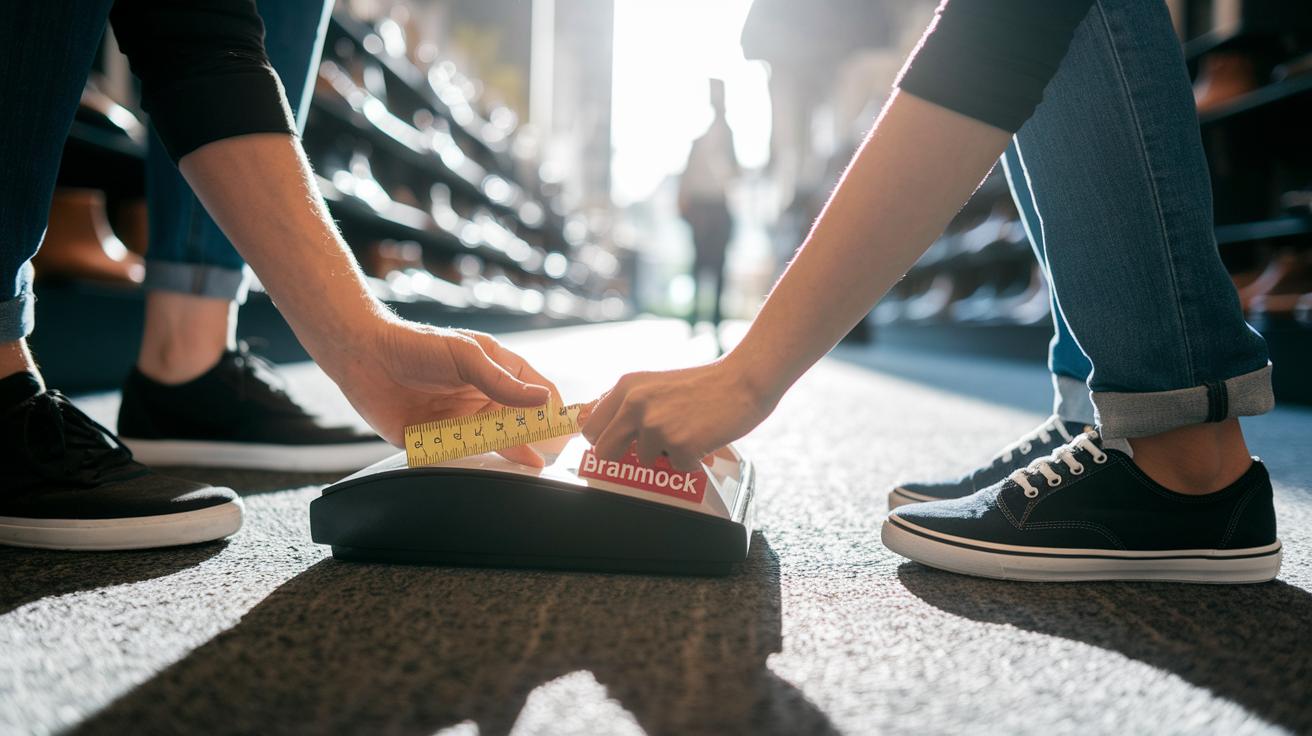
Start by measuring your feet at the end of the day when a little swelling gives your true size. Use a simple tool like the Brannock Device (a tool that measures your foot’s length and width) to make sure you leave at least 5 mm of space at the heel and 3 to 5 mm at the toes. This extra room helps prevent your shoes from pinching or crowding your feet.
Keeping your arches supported is key for proper alignment. Arch stabilizers can reduce your inward foot roll by 15 to 25%. Lightweight wedges can adjust that roll by 4 to 6%. Many shoes now come with heat-moldable liners (soft insoles that warm up and shape to your foot) in about 30 seconds. These design touches work together to give you a fit that feels custom and eases pressure where you need it most.
Gait Analysis and Alignment Tools
Try a quick gait check in a store or record your walk on your smartphone. Look for too much inward rolling of your feet, as that can show where extra pressure builds up. Checking your gait like this helps you choose shoes that keep your body properly aligned.
Regularly reviewing how you walk can keep your feet supported and prevent discomfort. It ensures your shoes work well with your foot’s natural shape. Always keep an eye on your alignment.
Footwear Comfort Tips for Blissful Steps
Try out new lacing styles to change how your shoes feel on your feet. Using diagonal lacing can ease pressure on the ball of your foot by moving tight spots away from sensitive areas. A heel-lock (a method to keep your heel steady) can reduce slipping by almost 40%, keeping your foot snug. Elastic laces also help your shoes stretch when your feet swell during the day. I tried a heel-lock in my sneakers and felt a more secure fit that cut down on fatigue during my afternoon walk. All these tricks together give you a snug, flexible fit that lowers stress on your feet.
Adding padding can further ease pressure points. Silicone toe sleeves protect bunions (bony bumps on your toes) from rubbing against your shoes, and metatarsal pads spread the pressure over a larger area. I once used a metatarsal pad under my forefoot, and it made my steps feel much softer during a long day. By mixing these lacing tricks with the right padding, you can ease common pressure spots and keep your feet comfortable all day.
Footwear Materials and Breathability Techniques for Fresh Feet
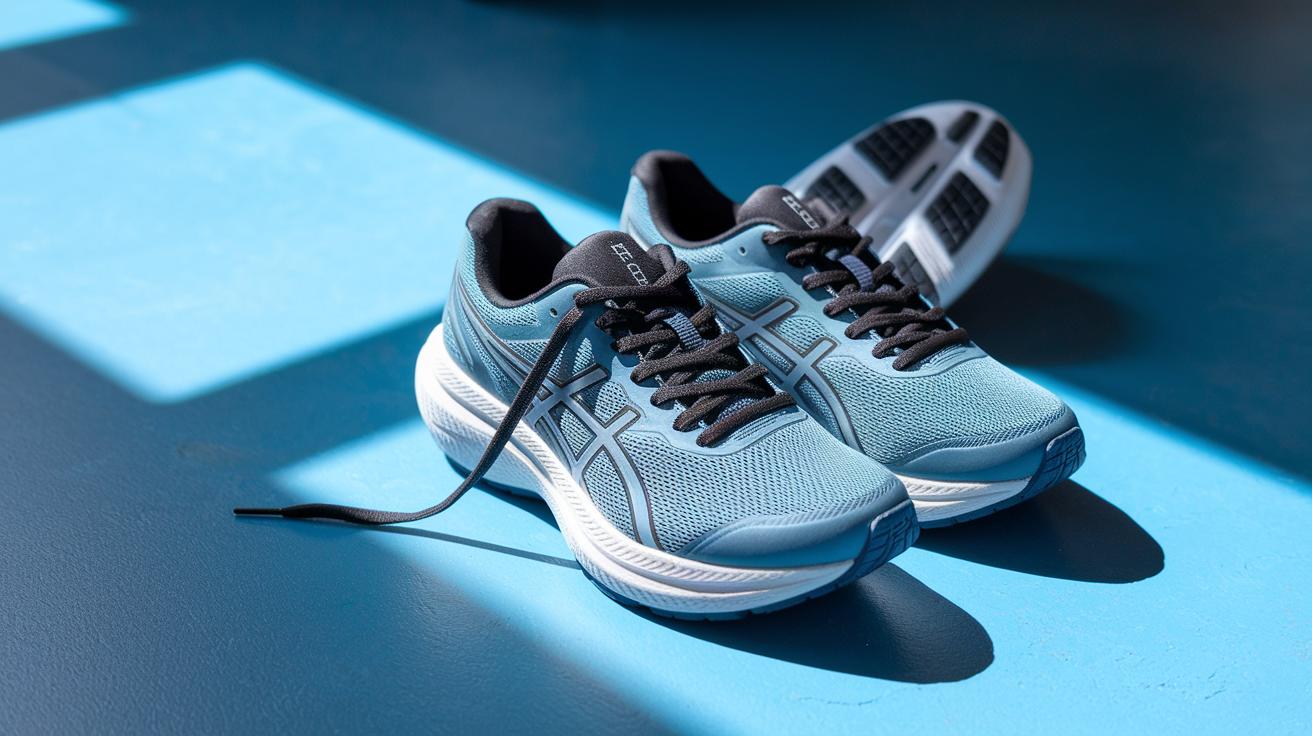
Shoes with mesh uppers let air flow through easily and keep your feet cool. Mesh fabrics can increase airflow by about 50% compared to leather. This means heat is less likely to build up on long days. Plus, moisture-wicking liners dry sweat in under five minutes so your feet stay dry and comfy.
Materials that manage temperature also help keep feet comfortable. For example, merino wool adjusts to stay within about 10°F of your body heat. It acts as insulation when it's cool and helps cool you down when it gets warm. Sock linings with anti-microbial properties cut odor-causing bacteria by around 80%. Together, these features improve airflow, handle moisture well, and keep your feet feeling fresh with every step.
Breaking-In, Maintenance and Durability Tips to Sustain Comfort
Rotate your shoes regularly to give the midsoles a break. For leather or structured shoes, try using a shoe tree after about four hours of wear. It helps the shoe keep its shape and soak up moisture. Cedar shoe trees even add a fresh, natural scent while keeping the interior dry.
Keep your shoes clean and properly stored to extend their life. Clean leather shoes every six weeks with a mild soap and conditioner to keep them soft and stop them from cracking. Use a dry cleaning brush for suede shoes to lift dirt, and gently scrub textile shoes with cold water and a soft brush.
A quick tip: press down on the midsole and see how quickly it bounces back. If it stays flattened, meaning over 50% of the foam is compressed, the cushioning is likely worn out. Make sure to store your shoes in a cool, dry place away from direct heat and, if you can, in breathable shoe bags. This routine not only cuts down on wear but also shows you when it's time to think about a replacement for best comfort.
Final Words
In the action, this post nailed the basics of getting your shoes right. We boiled it down to proper sizing, break-in methods, and moisture-smart socks. You learned real insole support tips, cushioning strategies, and best practices for orthopedic fit with genuine guidance.
Every tip from smart lacing to material upkeep helps reduce return risk and boost daily comfort. Follow these footwear comfort tips to shop smarter and step with confidence every day.