

Have you ever noticed that some watches keep ticking for years while others fall apart quickly? Not every watch is built the same.
Our guide breaks down the key parts of a quality watch. We look at the movement (the inner mechanism that makes the watch tick), a strong case that protects the internals, a clear crystal that shields the face, and a strap that hugs your wrist just right.
Each part matters. Together they give you a watch that feels reliable and lasts over time. Follow our simple tips to spot a well-made watch among the many out there.
Essential Components Defining Quality Watch Craftsmanship
Quality watches prove their value by excelling in six key areas. The movement is the heart of the watch, whether it uses a mechanical system with gears, an escapement (a part that regulates movement), and a balance wheel, or a quartz mechanism powered by a battery. The case acts as a strong shell that shields all the inner parts and is usually made from metals like titanium, stainless steel, gold, platinum, or ceramic.
The crystal is the clear cover that protects the dial and hands. It is typically formed from sapphire glass, mineral glass, or acrylic. The strap or bracelet not only keeps the watch on your wrist but also shows off its finishing touches, with common materials including soft leather, sturdy rubber, or carefully linked metal.
The weight of the watch gives you a feel for its build quality. Some modern designs are lighter, while more traditional ones may have a heavier feel that speaks to their robust construction. Accuracy is another crucial feature. A quality watch usually keeps time very well, within a narrow range of +6 to -4 seconds per day, and this precision is often certified by standards like COSC or METAS.
Simple list of key parts:
- Movement
- Case
- Crystal
- Strap/Bracelet
- Weight
- Accuracy
When all these components work in tune, the watch not only looks great but also stands up to daily wear. For example, imagine a watch with a solid mechanical movement, a smooth titanium case, a scratch-resistant sapphire crystal, and a well-made leather strap. This blend of features delivers both reliable performance and stylish appeal.
Engineering Precision in Watch Movement and Assembly Techniques
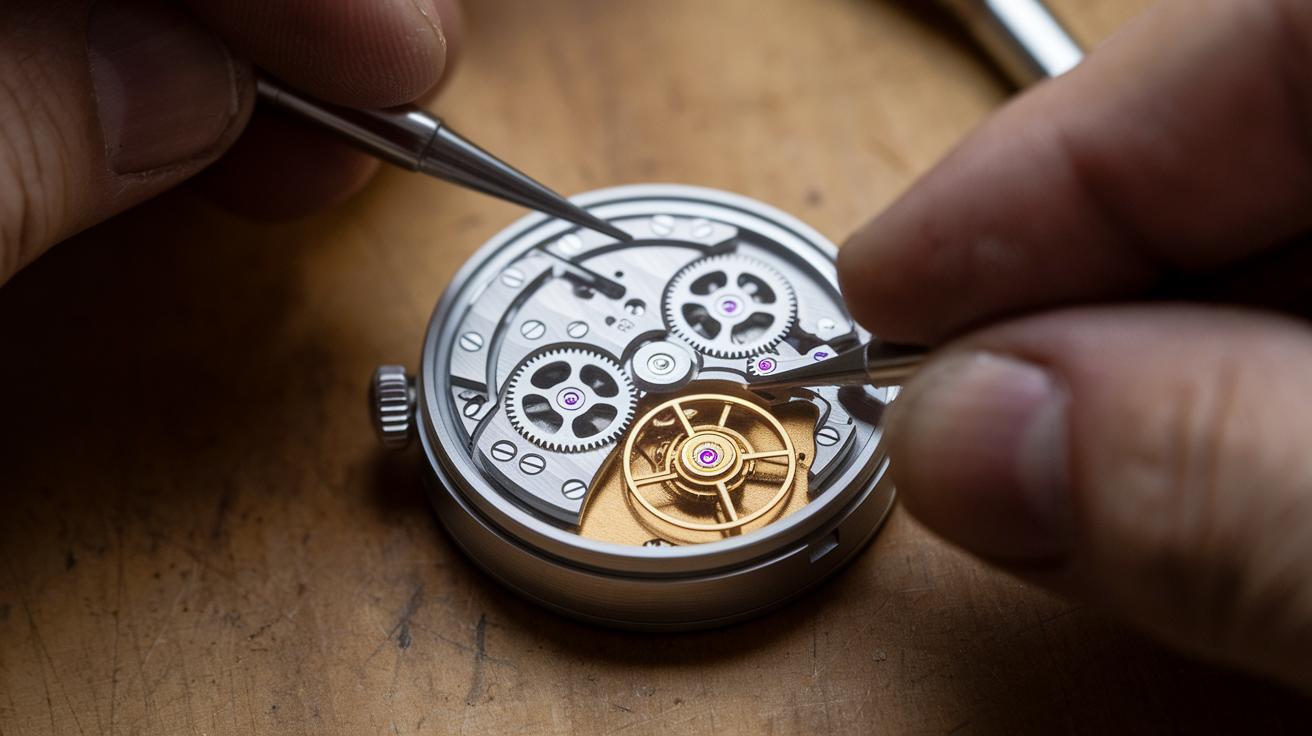
Mechanical watches use a network of tiny parts that work together, powered by the energy of a wound spring. Unlike quartz watches that use a battery to work digitally, mechanical watches run on a natural chain reaction. Think of it like comparing a simple digital clock with a small orchestra, where every gear plays its part to create a steady rhythm.
Assembly is where precision really shows. Skilled watchmakers use special tools to make sure every cog and wheel fits just right. They install jewel bearings (small gems that help parts slide smoothly) to lower friction at key points. They set up the escapement (the part that releases energy in timed bursts) so the energy comes out just right, and they adjust the balance wheel to create even ticks. Tiny screw tweaks help reduce drag in the gear train, and careful manual winding gets the mainspring tension just perfect. This attention to detail not only boosts performance but also helps the watch last longer.
Key steps in creating a reliable watch include:
- Jewel bearing installation
- Escapement synchronization
- Balance-wheel optimization
- Precision screw adjustment
- Manual winding protocol
Every balance and adjustment fine-tunes the watch to keep time consistently in different conditions. With proper upkeep, these watches can be trusted to perform well over many years.
Selecting Top-Tier Watch Materials for Cases, Crystals, and Straps
A good watch uses well-chosen materials to last long and look sharp. A sturdy case and a crystal that resists scratches protect the inner parts and keep the watch looking fresh. The strap offers comfort and shows off the brand's careful design.
| Component | Material Options | Key Benefit |
|---|---|---|
| Case | Titanium, Steel, Gold, Ceramic | Strength and corrosion resistance |
| Crystal | Sapphire, Mineral, Acrylic | Scratch and shatter resistance |
| Strap | Leather, Rubber, Metal | Comfort and wear resistance |
Finishing touches are crucial in a high-quality watch. A consistent coating, like protective PVD or DLC (special finishes that protect surfaces), keeps scratches at bay and the color intact. Exact edge details on the case and crystal show skilled craftsmanship. Together, all these elements create a watch that is both durable and visually impressive.
guide to quality watch craftsmanship: Timeless precision
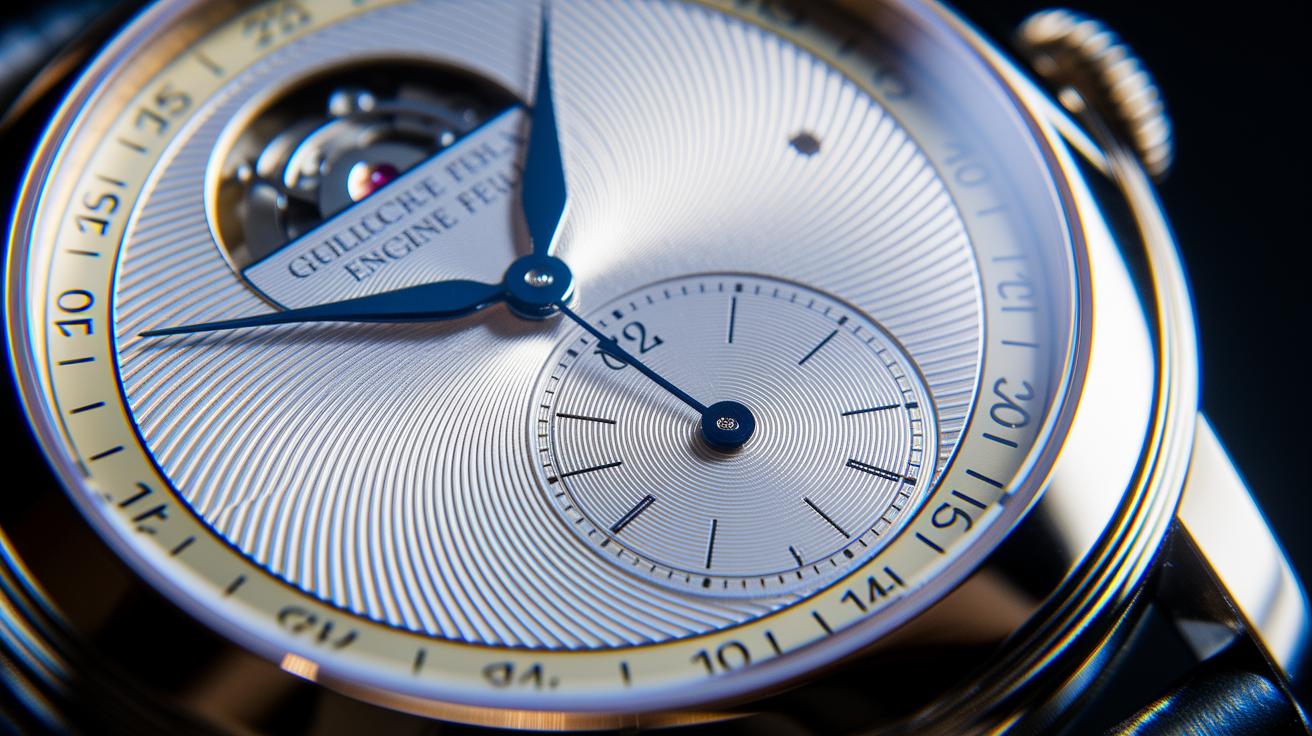
A watch dial can be more than a simple time checker. The right finishing touches turn it into a tiny work of art. Sunburst brushing makes the dial catch the light with soft, gradual color changes. Guilloché engine turning carves tiny patterns that add depth. Grand feu enameling layers fine glass powder for a warm glow. And hand engraving gives the dial a personal mark, done carefully under a magnifying glass so each line stays neat.
These finishing tricks make a quality watch stand out and last longer. Key elements to look for include:
- Guilloché engine turning
- Grand feu enamel
- Applied indices
- Hand engraving motifs
For a quick check, use a small magnifier and look closely. A quality dial has smooth, even patterns with crisp lines and no rough spots.
Watch Calibration Processes and Performance Standards in Chronometry
Certification benchmarks clearly state how accurate a watch needs to be. Mechanical watches must keep time within +6 to -4 seconds each day. Quartz models, on the other hand, are expected to drift only around ±10 seconds over a whole year. COSC certification means the watch gets tested in five different positions at temperatures between 8°C and 38°C. This proves that it meets a strict performance standard. Some watches even earn METAS approval by undergoing extra tests like checking magnetic resistance and precision after exposure.
Calibration uses a timing machine to measure the watch's rate. Then, technicians adjust the beat error (the small mistake in each tick) and balance the amplitude (even out how the parts move). This careful tuning keeps the watch running consistently and builds trust in its performance.
Steps in the process include:
- Initial rate measurement
- Beat-error adjustment
- Amplitude optimization
- Final verification
Water-resistance and shock tests also matter. They ensure the watch keeps accurate time when wet or when it faces sudden impacts.
Traditional and Modern Methods Shaping Watchmaking Craftsmanship
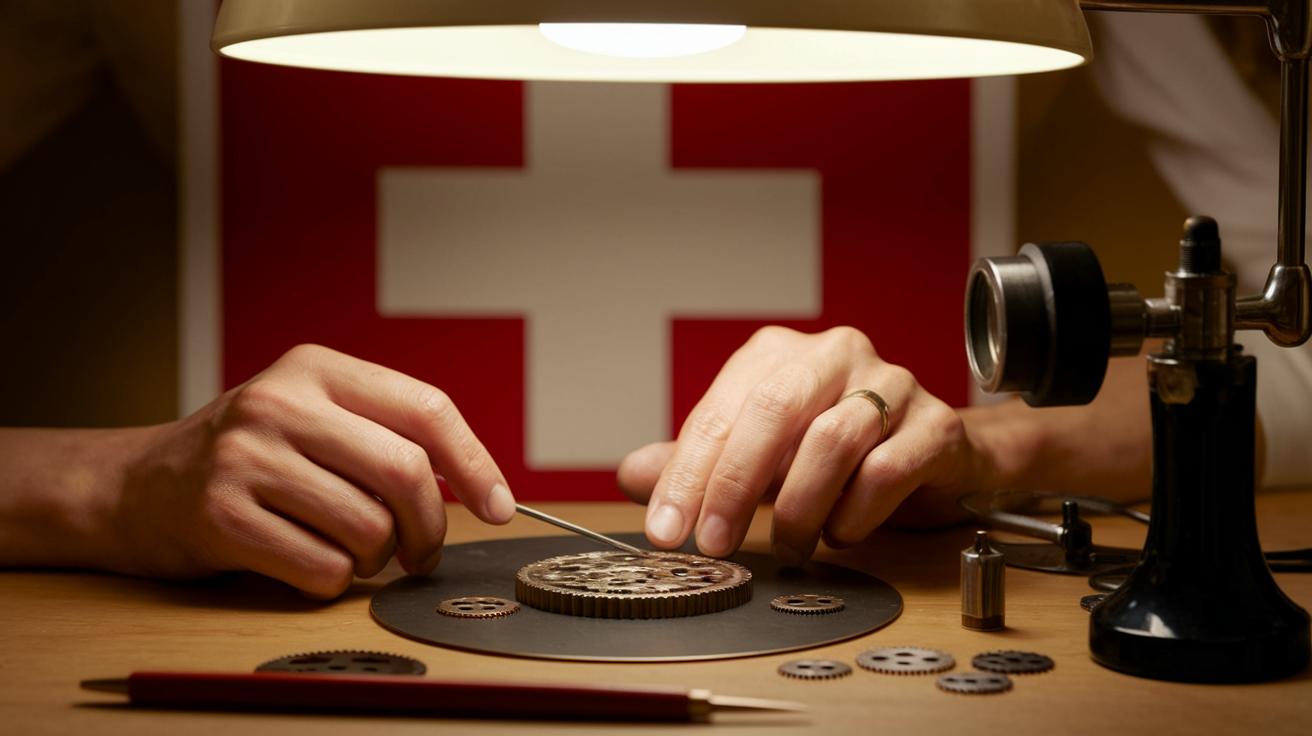
Timekeeping has come a long way. In the 1700s, makers used simple designs like verge escapements and basic lever systems. These early ideas helped create the precise mechanics that we see in Swiss watchmakers today. Their work still shapes modern watch design.
Legacy Maker Techniques
Traditional watchmakers hand-finish every detail. They file parts and polish edges with care. In Swiss workshops, skilled craftsmen work slowly to make sure each piece fits just right. This time-tested method has been passed down through the years.
Modern Production Innovations
Today, watch companies mix computer tools with handwork. They use CAD/CAM (computer-aided design and manufacturing) to cut parts perfectly. Then they add personal touches to boost quality. This mix keeps luxury within reach while meeting strict standards.
Using both old and new methods gives you a watch that is both precise and carefully made. It respects history and fits today’s quality needs. The result is a timepiece that lasts long and feels timeless.
Watch Quality Control Standards and Testing Procedures in High-End Horology
Luxury watch makers run each piece through a careful process that checks every little detail. They measure each part and then test the watch to see if it handles water, bumps, and magnets. This means you get a watch that stays accurate and reliable.
- Each part is measured to make sure it fits perfectly.
- The gear system is tested to confirm smooth, steady movement.
- Water tests use pressure to check that the seals work correctly.
- Impact tests simulate bumps to see if the watch can take knocks.
- Exposure to magnets verifies that the watch stays on time.
- Timing is checked in six different positions to ensure consistent accuracy.
- Final calibration and environmental tests confirm the beat rate and overall performance under different conditions.
These careful checks help ensure that every watch remains true to its promise of quality and precision.
Evaluating Watch Quality Standards for Informed Purchasing
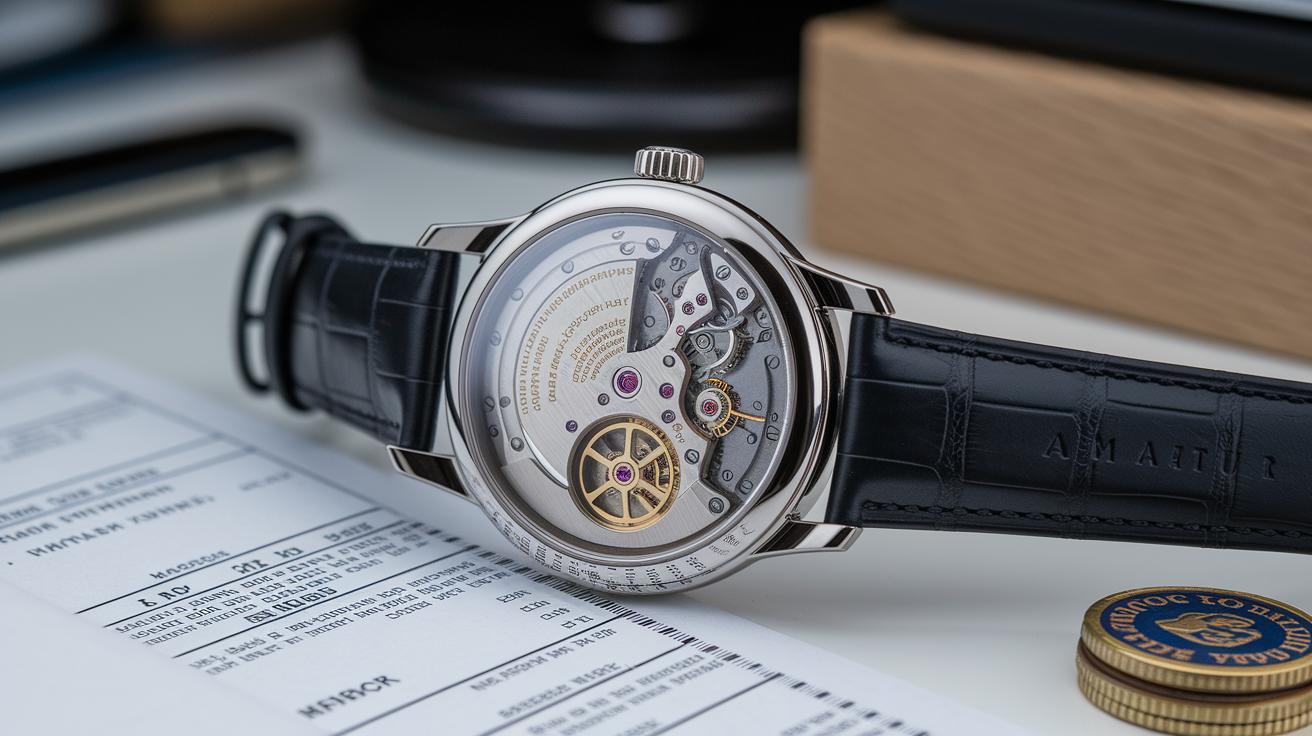
When shopping for a good watch, keep an eye on five simple things:
- The movement inside the watch
- The materials used on the case and crystal
- How well it is finished
- Whether it meets certification standards
- The history and reputation of the brand
Here is a quick look at what to check:
| Factor | What to Check | Ideal Indicator |
|---|---|---|
| Movement | Type and clear certification | COSC (Swiss Official Chronometer Testing Institute) or master chronometer |
| Materials | Quality metal, crystal, and strap | Titanium, sapphire crystal, full-grain leather |
| Finish | Dial details, neat engraving, and polished case | Even appearance without defects |
A good watch should do two things: work accurately and look like it suits your style. For instance, a watch with a high-quality movement and proper certification should also have design details that match your personal taste. Many mid-range brands offer these certified movements and well-polished cases without breaking the bank. Look for a match between the watch's features and its overall build. By checking these points, you can pick a watch that not only looks nice but also runs reliably.
Watch Maintenance and Service Best Practices to Sustain Craftsmanship Quality
Keeping your watch in top shape means regular care. Most experts suggest a service every 3 to 5 years. This helps when your watch needs fresh oil for its inner parts, new seals and gaskets, and a quick timing check. Regular upkeep stops little problems from turning into costly fixes later.
Key maintenance steps include:
- Lubricating the movement
- Adjusting the timing
- Replacing seals and gaskets
- Polishing the crystal and case
- Cleaning the strap or bracelet
It is important to choose a certified service center. These centers follow the brand’s instructions and use original parts. That way, your watch gets the proper care it needs. Always check that they provide a clear service record and guarantees. This approach gives you peace of mind and keeps your watch running accurately for years to come.
Final Words
In the action, we broke down the six key elements that shape quality watch craftsmanship. We covered everything from movement and case materials to dial finishing and precise calibration. Each step, from classic hand techniques to modern precision, builds trust in your timepiece. This guide to quality watch craftsmanship helps you spot a well-made watch and make smart purchases. Enjoy the confidence of knowing the details that matter and choose your next watch with a keen eye for durability and style.
FAQ
Q: What is the best guide to quality watch craftsmanship?
A: The best guide to quality watch craftsmanship explains how to evaluate key components like the movement, case, crystal, and finishing details. It provides clear tips to identify a well-built watch.
Q: What does a men’s guide to quality watch craftsmanship cover?
A: The men’s guide to quality watch craftsmanship outlines important elements such as robust movement, sturdy cases, and refined straps. It helps men choose a watch that stands up to both style and everyday wear.
Q: What can you expect from Tudor watches in terms of quality?
A: Tudor watches are known for combining solid mechanics with reliable materials. They focus on precise movement, durable cases, and quality finishing for a refined but sturdy timepiece.
Q: What defines a luxury watch brand?
A: A luxury watch brand is defined by superior materials, precise engineering, and detailed finishing. It features certified accuracy and a heritage of excellent craftsmanship that justifies its premium status.
Q: What are entry-level luxury watches under $1,000?
A: Entry-level luxury watches under $1,000 offer quality components, solid movement, and smart design. They give newcomers a taste of refined craftsmanship and style without a steep price tag.
Q: What should a beginner’s guide to watches include?
A: A beginner’s guide to watches covers basic features such as movement type, material quality, accuracy standards, and care tips. It simplifies the details to help new buyers make an informed choice.
Q: What is the Watch brand pyramid 2025?
A: The Watch brand pyramid 2025 ranks brands according to quality, craftsmanship, and value. It serves as a useful tool for comparing brands based on their performance and style benchmarks.
Q: What are entry-level luxury watch brands?
A: Entry-level luxury watch brands offer affordable options that still deliver reliable mechanics and quality finishing. They provide a balanced introduction to luxury timepieces with a focus on practical design.