

Ever wonder if your clothes are really built to last? It all comes down to the fabric. Quality fabric is more than just pretty, it stands up to daily wear and feels soft against your skin.
Imagine a fabric that feels light and silky, flowing like a thin scarf on a warm day. In this guide, we show how testing for strength, stretch, and softness can help spot materials that look great and last long.
Smart fabric choices can make your wardrobe work harder for you.
High quality fabric for clothing Sparks Exceptional Style
When judging fabric quality, we focus on clear markers that tell you how well it holds up day to day. We test fabrics for how they handle wear and tear and check how soft they feel when you move. Simple tests like the bursting strength test (it checks how much force the fabric can take before it breaks) and the stretch & recovery test (it sees if the fabric bounces back after you pull it) show us if a fabric will keep its shape and resist rips with regular use. For example, a crisp denim might seem stiff at first, but it softens and becomes more comfortable with each wash.
Good fabric is more than just tests. It comes from smart material choices and careful construction. Natural fibers and well-made blends give you breathability and a soft, luxurious feel. Think of a silky fabric that drapes as gently as a light scarf on a summer day. This kind of material feels great against your skin and holds up well over time, making it a solid pick for stylish yet durable clothes.
| What We Check | Why It Matters |
|---|---|
| Fiber origin and purity (100% vs blends) | Determines quality and consistency |
| Strength tests (bursting strength, tear resistance) | Shows how well the fabric holds up |
| Fabric density (gsm rating) | Gives an idea of the fabric’s weight and feel |
| Hand feel and drape quality | Indicates softness and how the fabric moves |
| Moisture management and breathability | Keeps you cool and dry |
| Pilling and stretch-recovery resilience | Ensures the fabric stays smooth and true to shape |
These indicators help us find fabrics that not only look good but also last through everyday wear. With a focus on both style and durability, you can trust that smart fabric choices lead to clothes that keep you looking sharp, day after day.
Comparing Natural and Synthetic High Quality Fabric for Clothing

High quality fabrics come in two types: natural fibers and synthetic materials. Natural fibers, like cotton, silk, wool, linen, cashmere, and hemp, offer a soft feel and let air flow through, which keeps you cool and comfortable. Synthetic fabrics, such as polyester, acrylic, and nylon, are made through chemical processes and are known for their stretch and vibrant colors. Some fabrics mix both types to try to offer the best of each.
Natural fibers breathe well and help keep your body temperature steady. Light cotton, for instance, feels as cool as a gentle summer breeze, while cashmere wraps you in cozy warmth when it's cold. They tend to sit lightly on the skin and offer a naturally soft touch.
Synthetic fabrics, on the other hand, are engineered to stretch easily and hold color longer. This means your clothes can keep looking bright wash after wash with less care. However, they might not move air as freely, so they can feel a bit less breezy. Blends work to bridge this gap by offering comfort along with the easy care and durability of synthetics.
For the best outcome, pick the fabric that matches your needs: choose natural fibers for a light, breathable feel or synthetic fabrics for a tight, vibrant, and low-maintenance look.
Top Natural Fabrics for Premium Apparel Quality
Cotton Varieties and Benefits
Cotton is a favorite for many sturdy styles like denim and chinos. Many high-quality items use 100% cotton, which gives a firm feel at first and softens with each wash. Some blends add 2-5% elastane or silk (a natural fiber that feels gentle), which makes the fabric stretch gently without losing its breathability.
Linen and Breathable Clothing
Linen is loved for its light, open weave that helps you stay cool on hot days. Imagine a crisp linen dress that feels as light as a summer breeze. Linen does wrinkle easily, so mixing it with cotton or wool helps keep the look neat while still feeling fresh.
Silk Strength and Luxury
Silk may look delicate, but it is one of the strongest natural fibers. It feels smooth to the touch and brings a refined look to any outfit. Silk naturally keeps you cool in the heat and warm when it's chilly, making it a versatile choice. Think of a vintage silk scarf that quietly adds a touch of luxury to your style.
Wool Grades: Merino, Cashmere, Alpaca
Wool comes in different grades. Merino wool is known for not pilling and is easy to care for. Cashmere offers a soft feel and great insulation, which is perfect for cooler weather. Alpaca wool is a strong and eco-friendly option that adds durability to everyday wear. Each type has unique benefits depending on what you need.
Hemp as a Sustainable Fiber
Hemp is a smart choice if you're into eco-friendly fabrics. It grows with little water and without pesticides, making it a more sustainable option. Hemp is as strong as linen and gives off a natural, earthy vibe. It works great for casual pieces that want to be both stylish and kind to the environment.
Synthetic and Semi-Synthetic Premium Textiles for Clothing

Fully synthetic fabrics like polyester, nylon, and acrylic are designed to be tough and stretchy. They hold bright colors well and keep wrinkles at bay even after many washes, which is great for everyday wear. These fabrics give clothes a neat, structured look with a bit of stretch that helps the garment shape itself. However, they can sometimes trap moisture, making them less cool on hot days, and the chemicals used to make them may bother very sensitive skin.
Semi-synthetic textiles try to offer the best of both worlds. For example, Lyocell, often called Tencel, is made from eucalyptus with non-toxic chemicals and is fully biodegradable. It feels a lot like cotton and drapes nicely. Viscose, also known as rayon, feels soft and fights wrinkles, though its shorter fibers might mean it won’t last as long. Modal, which is made from longer fibers, breathes well, shrinks less, and has a better environmental profile because it uses recycled chemicals. These fabrics are a smart choice if you want modern style without ignoring eco-friendly methods.
Durability Testing and Care Guidelines for High Grade Fabric Clothing
Premium fabrics need good care to keep them looking fresh. We check durability with tests like the Bursting Strength Test (which shows if the fabric breaks under pressure) and the Stretch and Recovery Test (which shows if the fabric bounces back after being stretched). Using the right care instructions, like washing wool and silk on gentle cycles at 30 °C and using cold water for clothes with elastic, helps the fabric keep its strong yet smooth feel. This means your clothes perform well every time you wear them.
Taking care of your garments makes them last longer and keeps them comfortable and true to shape. Following these simple tips means each piece stays tough and ready for everyday wear:
- Do a home durability check every three months.
- Always follow the wash instructions on the label.
- Air dry or lay your clothes flat to prevent stretching.
- Iron with the right heat for the fabric type.
- Store your items in cool conditions with moisture and pest protection.
Regular checks help spot small issues before they turn into big problems, keeping your stylish wardrobe in top shape over time.
Sourcing High Quality Fabric for Clothing
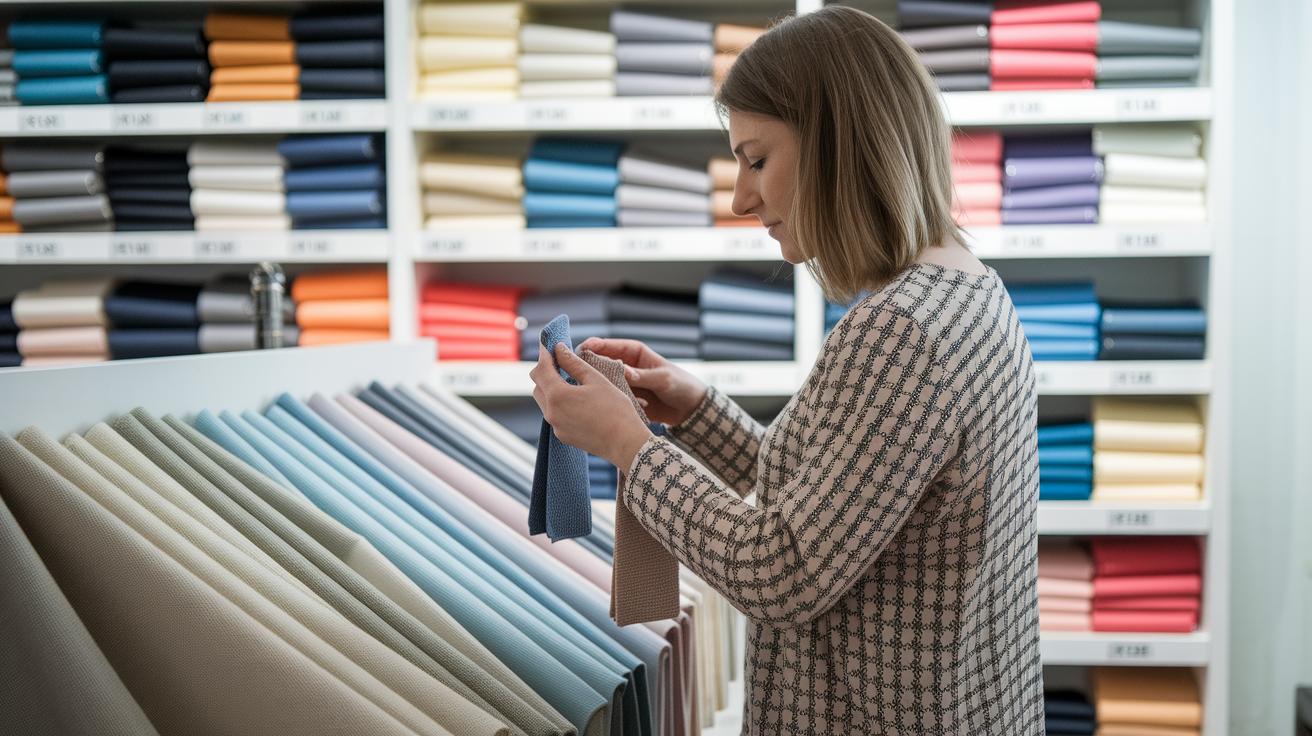
Reliable fabric sources come in many forms. You can shop online at fabric marketplaces that list lots of details, hit up boutique suppliers with handpicked collections, or visit wholesale distributors. Local retailers let you feel the fabric so you can check its drape and hand feel before buying. These choices work well whether you are looking for everyday wear or a special piece built to last.
When checking out a source, look for certifications like GOTS (Global Organic Textile Standard, which means the fabric meets strict environmental and safety rules) or OEKO-TEX (a label that shows the fabric is free from harmful chemicals). Asking for a few sample swatches lets you get a real sense of the texture and weight without a big order. Keep an eye on minimum order limits and clear return policies to avoid surprises later on. Retailers that share quality guarantees and customer reviews help you feel confident in your purchase.
Price can vary a lot with high quality fabric. Premium cotton blends usually cost between $20 and $50 per yard, while luxurious silk tends to run from $30 to $100 per yard. Knowing these ranges can simplify your search when you’re balancing budget with performance. Always check reviews and quality assurances before picking a vendor. Whether you shop online or in person, a little research goes a long way in making sure your fabric meets both your style and performance needs.
Final Words
In the action, we broke down how to judge premium materials by exploring fiber origins, strength tests, GSM ratings, and hand feel. The review compared natural versus synthetic fibers, shared care tips, and offered sourcing advice to reduce returns and fit issues.
We showed that practical info helps tie style with durability and comfort. With these hands-on tips, you can shop confidently for high quality fabric for clothing that meets your fit and performance needs.
FAQ
What is considered high quality fabric for clothing?
The highest quality fabric for clothing shows strong fiber purity, durability through tests like bursting strength and stretch recovery, and a soft, smooth hand feel paired with good moisture management.
What types of fabrics do high-end designers use?
High-end designers use fabrics like silk, cotton, and premium synthetics such as lyocell and modal that offer strength, a luxurious touch, and balanced performance for both style and function.
Where can I find high quality or designer fabric for clothing?
High quality and designer fabrics are available through online fabric marketplaces, specialized boutique suppliers, wholesale distributors, and local retailers where you can touch and feel the material before buying.
How do durability tests and quality indicators affect fabric selection?
Durability tests like bursting strength and stretch recovery, along with checks on GSM ratings, hand feel, breathability, and pilling resistance, help prove that a fabric meets premium quality standards.
Which fabric is often seen as the king of fabrics for clothing?
Many view silk as the king of fabrics because of its natural strength, smooth texture, and temperature regulation, although the best choice can depend on specific wear needs and design preferences.