

Ever wonder if that fancy designer piece is really the real deal? Many shoppers miss the small clues that show a piece is genuine luxury instead of a knock-off.
In this guide we walk you through what to check for. Look at special brand marks, how the piece feels in your hand, and even its weight. We explain why clean joins, clear markings, and proper certificates matter when judging quality. Read on for simple steps to help you pick a quality piece every time.
Key Steps to Check Quality in Designer Jewelry
Start by checking four main things: authenticity, craftsmanship, materials and weight, and documentation. Authenticity means you should look for the brand's unique marks or subtle inscriptions that show the piece is genuine.
Craftsmanship is about how the jewelry is put together. Look closely at the joins, engravings, and finishes. They should be smooth, clear, and polished, showing that care went into the making.
Materials and weight are important too. Real designer pieces should feel solid and heavy because they use precious metals like gold, silver, or platinum instead of lighter, plated options.
Finally, check the documentation. Certificates or papers that come with the jewelry should detail the metal content and gemstone details. This extra proof helps confirm that you are getting a quality piece that can stand up to everyday wear.
Spotting Authenticity Through Hallmarks and Stamps
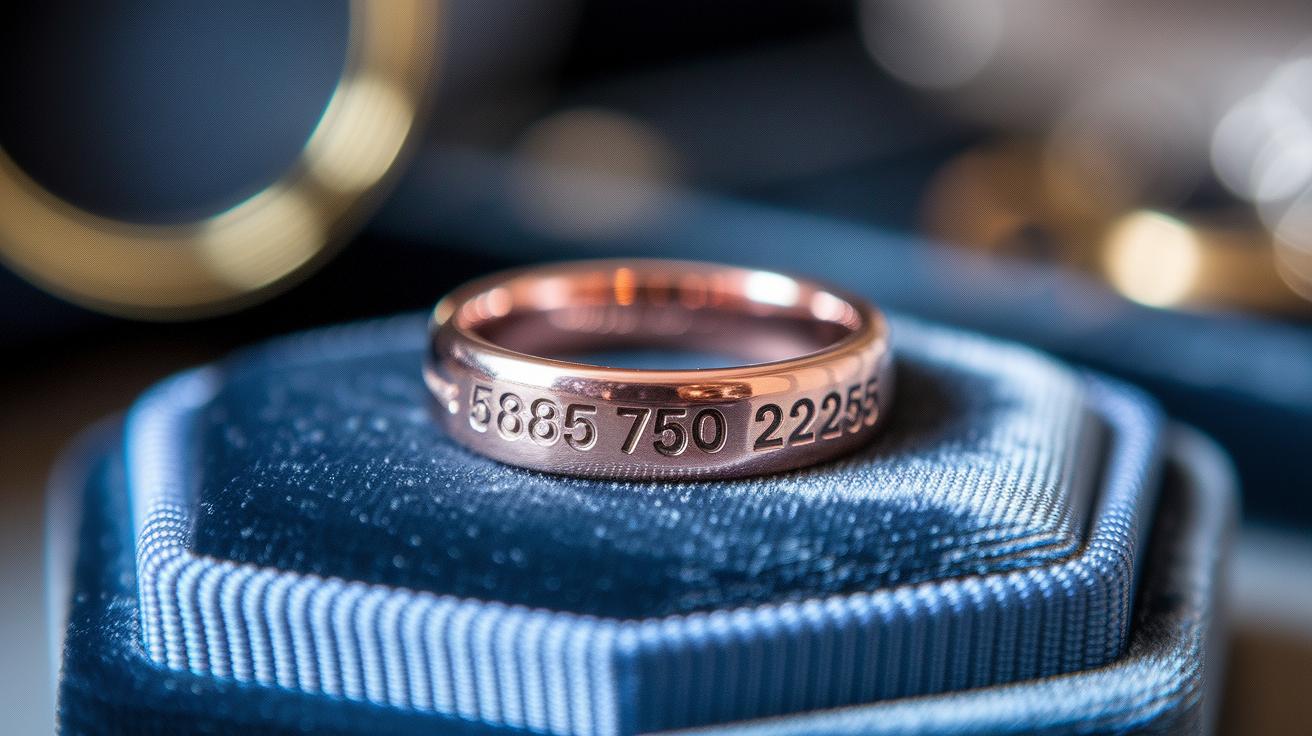
Stamps are a fast way to check if a piece is real. They show the metal type and its quality with numbers like "585" for 14K gold, "750" for 18K, or "925" for sterling silver. These numbers also hint at the brand's classic style, so they help you spot genuine designer details. A true ring has a stamped mark that shows its metal purity, not a printed label.
The most common stamps are for gold and silver. Quality pieces have these marks in small, hidden spots to confirm the metal content. Always look for stamps that meet the usual standards and avoid items where the mark seems off.
| Hallmark | Metal | Fineness |
|---|---|---|
| 585 | Gold | 14K |
| 750 | Gold | 18K |
| 925 | Silver | Sterling |
It is also smart to check any engraved logos or monograms. Real pieces usually show these marks clearly and quietly, which is another way to confirm their authenticity.
Evaluating Craftsmanship and Attention to Detail in Designer Jewelry
Good craftsmanship is clear in every detail of quality jewelry. When you hold a piece, notice how its parts come together. The joints are smooth, and the engravings look clean. These small details tell you that a real person took the time to make it well.
Here are five simple things to check:
- Smooth solder joints with no extra metal
- Neat and even engraving or carving
- Consistent shine and texture (called patina)
- Gemstones set even with the surface
- No signs of tool marks or glue
Each detail matters. A smooth joint keeps the piece sturdy and less likely to wear out early. Uniform carvings and a steady finish help the jewelry look refined over time. Even small flaws can reduce both its look and value. Trust your eyes and hands when you check out a piece. A well-made piece feels solid, and every little detail adds up to a lasting and beautiful accessory.
Assessing Materials, Weight, and Overall Build Quality
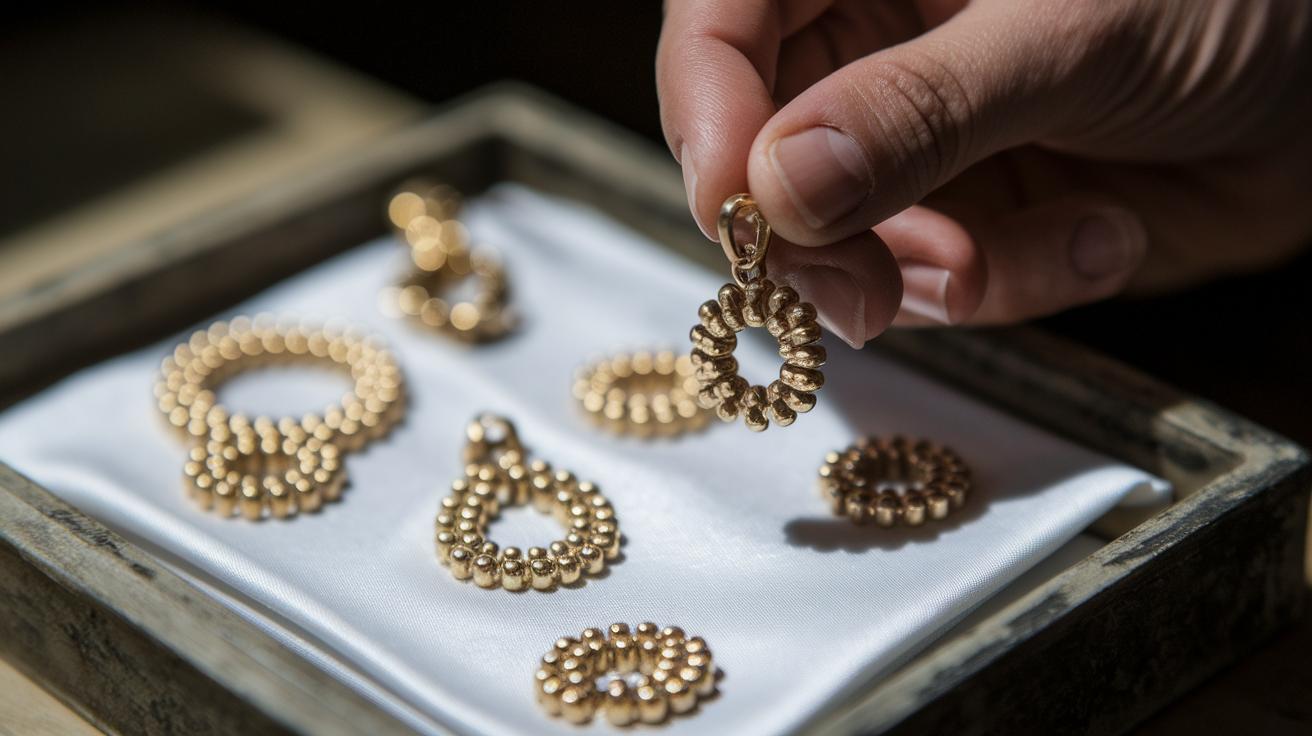
Hold the piece in your hand and check its weight. Compare it to a trusted item to see if it feels solid and well-made. Gently twist or flex parts like the clasp or hinge. If they move slightly without creaking, it likely means strong solder joints and a secure build.
Look closely at the metal details. Make sure the joins on clasps, rings, and earring backs are smooth and even. Run your finger over the soldered spots; they should feel flat without gaps that let moisture in. Also, note if the finishing looks consistent and refined, which shows that quality was a priority during construction.
Verifying Gemstone Quality in Designer Pieces
Begin by checking each stone's cut, color, and clarity. A good cut makes a gem sparkle, while natural color variations add personality. Look for tiny marks inside (called inclusions) because a few of these can make a stone truly unique. Also, compare stones with each other to see if they shine the same way. Many designer brands use high-quality natural or lab-grown gems like diamonds, sapphires, emeralds, rubies, or pearls. Comparing your piece with trusted standards helps ensure you’re getting genuine quality.
Next, take a close look at how the gemstones are set in the jewelry. Solid pieces will hold each gem securely without overusing glue. Check that each stone is firmly in place with no gaps or loose edges, as these can lead to damage over time. Remember, small chips or natural marks are normal in high-grade gems, while a completely flawless look might hint at a synthetic stone. A careful inspection of the setting shows the craftsmanship and helps confirm the piece is authentic.
Reviewing Authentication Papers, Certifications, and Seller Reputation
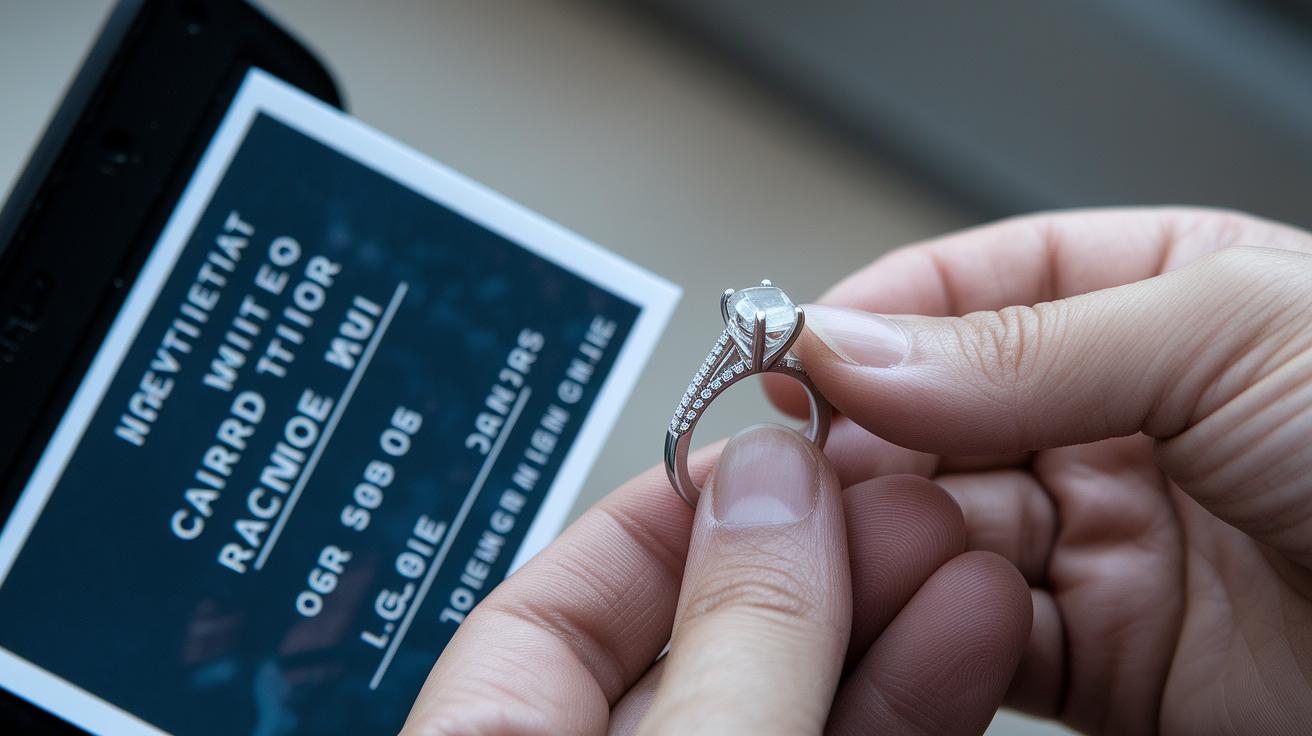
Certification papers matter a lot when checking if your jewelry is real. If a piece has diamonds or gems over 0.5 carats, you should see a certificate from a well-known lab like GIA (a gem lab that checks quality) or IGI (another trusted lab). These papers list details like carat weight, clarity, and color. They also include a serial number that must match the piece. When you look at these documents, make sure every detail fits what you see. For instance, if the paper says the gemstone is 0.8 carats with certain clarity ratings, the stone should show those traits when you hold it against the light. This way, you know the piece meets high standards.
Checking the seller's reputation is just as important before you buy. Look at customer reviews, check trusted industry listings, and read return policies closely. A seller with lots of positive feedback and open practices gives more confidence about the piece's authenticity. If anything seems off, don't hesitate to ask for an independent appraisal. An expert can confirm that the certificate details match the actual jewelry, which adds an extra layer of trust in your investment.
Common Red Flags and When to Seek Professional Appraisal
Be on the lookout for clues that a piece might not be real. For example, if you see stone settings held together with glue, logos that are off-center, or parts that look too shiny compared to rough areas, these could be red flags. A very low price compared to other items is also a warning sign. Missing marks or paperwork, like quality certificates, add to the concerns. Even small hints, like uneven gemstone placements or a piece that feels too light for its size, are worth noticing.
If you spot any of these issues, it makes sense to get a professional opinion. Talk to a certified gemologist or jeweler who can do tests like acid tests or X-ray checks (which look at what the item is made of). This professional appraisal gives you the peace of mind you need before buying something meant to last.
Final Words
In the action, we walked through the steps to judge designer jewelry quality. We covered checking craftsmanship, materials and weight, authentic hallmarks, and key documents. Each section offered clear ways to spot issues like loose settings or missing certifications. We also flagged warning signs and suggested professional checks when needed. This guide shows how to check quality in designer jewelry by breaking down the process into manageable steps. Enjoy the journey of finding pieces that match your style and deliver true value.