

Ever wonder why some slip-on shoes hurt your feet instead of treating them right? We get it.
A good pair has a soft cushioned insole, firm arch support, and a flexible sole that feels like a gentle hug with every step.
In this guide, we break down the must-haves for slip-on shoes so your feet feel as good as they look. Keep reading to learn how to pick shoes that turn every walk into a comfy adventure.
Essential Comfort Criteria for Slip-On Shoes
Cushioned Insoles
Cushioned insoles soak up shock from walking or standing all day. They soften each step and ease pressure points so your feet feel like they're cushioned by a soft, form-fitting pad.
Arch Support
Built-in arch support holds your foot in its natural shape to reduce tiredness. It feels like a custom insert that gently cradles your arches, keeping you comfortable even during long wear.
Flexible Soles
Flexible soles let your feet move naturally with every step. They bend and flex like a soft, responsive mat that adapts to the curves of your foot, so you never feel boxed in.
Breathable & Stretch Fabrics
Materials such as mesh and stretch fabrics boost airflow and allow a gentle give where you need it most. They keep your feet cool and free from tight, constricting spots, much like a light summer breeze.
Tailored Fit Features
Details like heel grips, padded collars, and seamless interiors work together to prevent pinching and offer a secure yet roomy feel. It is like a perfect, gentle hug for your foot that supports every move.
Getting the Right Fit: Sizing Tips for Non-Lace Slip-Ons
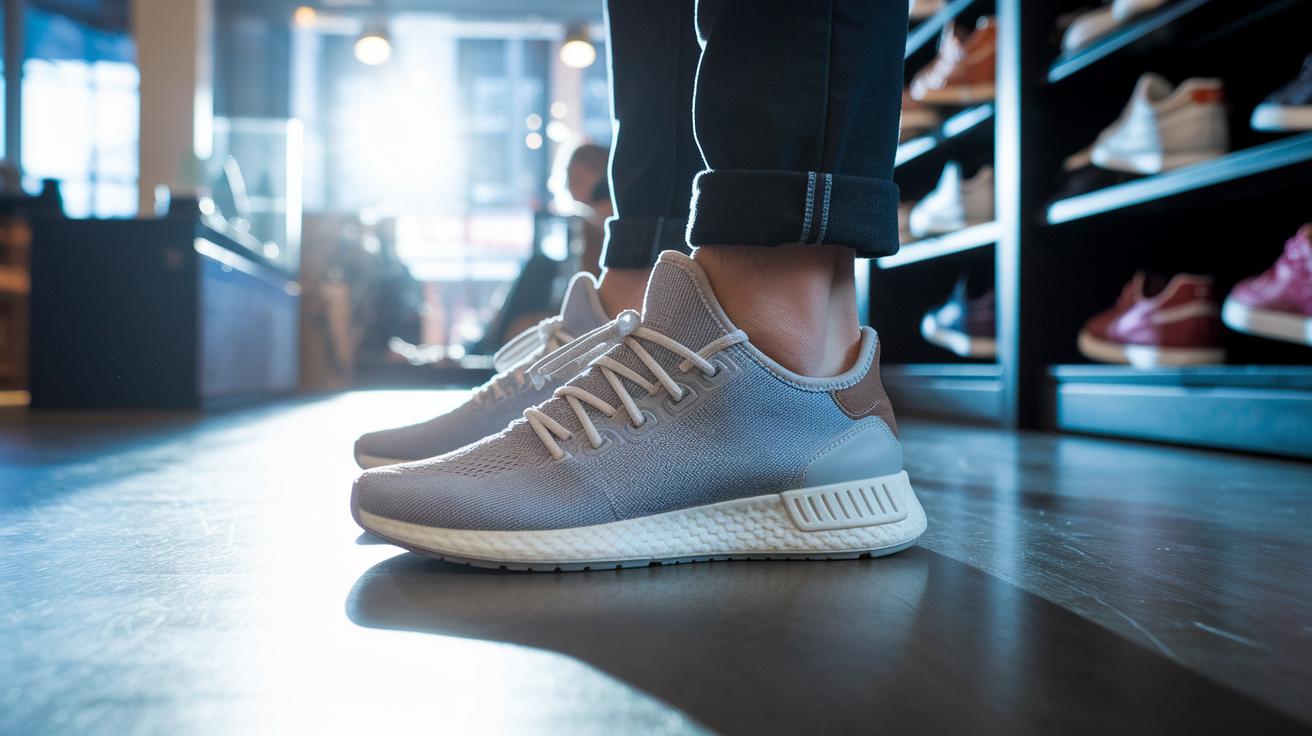
Begin by sliding your foot all the way into the shoe. It should feel snug but not tight, with no pinching anywhere. Make sure your heel stays in place while your toes still have room to wiggle. A good fit means the heel moves less than ¼ inch when you walk, so it won't shift during long wear.
Try on your shoes at the end of the day when your feet are a bit larger. This trick helps you choose a size that stays comfortable all day long. Also, think about your foot shape. If your feet are wider, go for styles with a roomier toe box and a flexible upper that molds to your natural curve.
Here are a few easy steps to check the size:
- Slide your foot in fully to feel for a balanced fit at the heel and toes.
- Walk around to see if the shoe moves naturally with each step.
- Look for non-binding closures that hold securely without feeling too tight.
Each of these tips works together to give you a shoe that is easy to wear, comfortable, and just the right fit.
Comparing Slip-On Materials and Sole Technologies
When you shop for comfy slip-ons, the fabric and sole design really make a difference. Leather gives you a classic look and a firm structure that holds shape over time, but it only lets a bit of air through. Suede feels super soft and lets your feet breathe, keeping them cool. Canvas and mesh are light and bend with every move, almost like a second skin. Fun fact: some canvas slip-ons flex like a well-worn sneaker.
Shoe makers are stepping up their sole game too. New cushioning systems like VersoShock and VersoCloud (advanced cushion tech that softens each step) help absorb shocks and bounce energy back, which means less strain during long walks. Plus, silicone-grip outsoles boost traction, so you can feel steady whether you are on a wet sidewalk or a smooth indoor floor.
Here is a quick breakdown of the common materials and technologies so you can find the perfect match for your style and needs:
| Material/Technology | Feature | Benefit |
|---|---|---|
| Leather | Durable and structured | Keeps shape over time with limited breathability |
| Suede | Soft and porous | Feels gentle and lets air flow through |
| Canvas/Mesh | Light and flexible | Offers natural movement and cool comfort |
| VersoShock/VersoCloud | Advanced cushioning | Absorbs shock and returns energy with each step |
Matching the right material with smart sole tech makes it simple to find slip-ons that keep you comfortable all day.
Top Slip-On Styles and Brands for All-Day Comfort
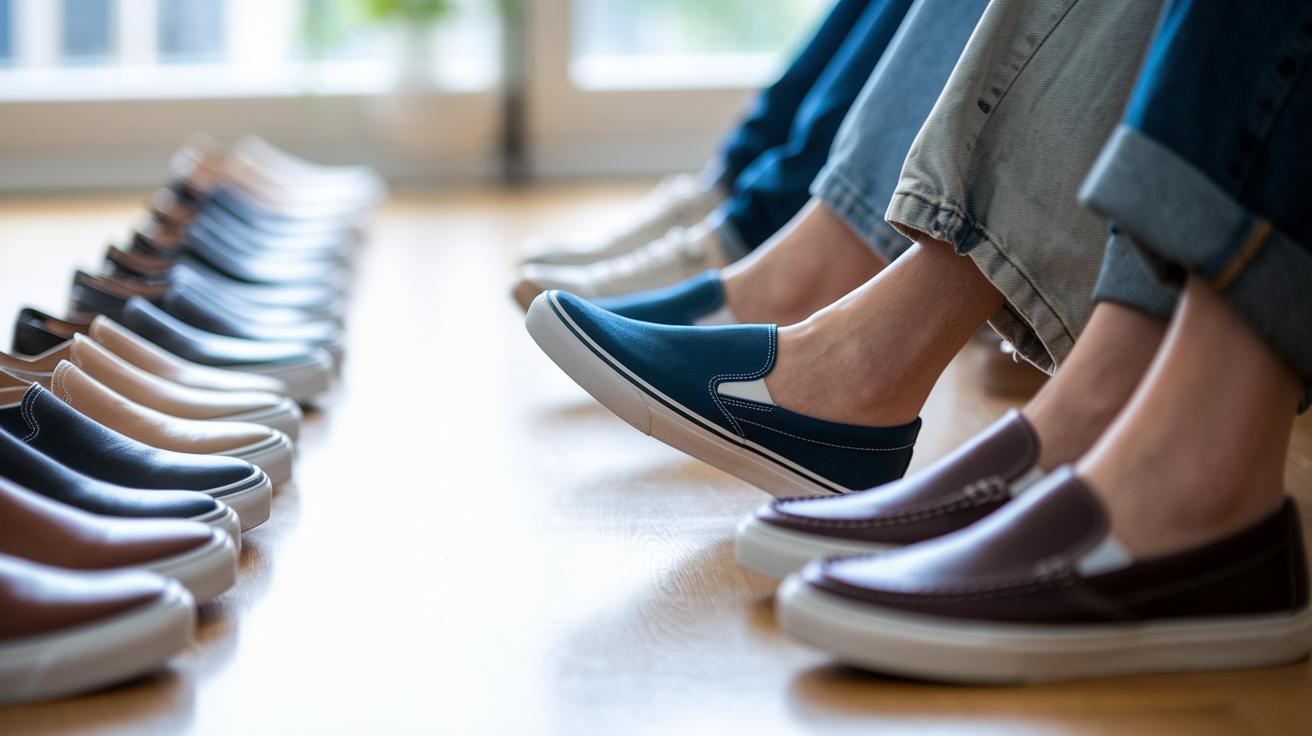
Slip-on sneakers, usually around $79.95, make a good entry point. They come with cushioned insoles and a light design that keeps your feet feeling fresh even on long walks. They offer a sporty vibe that works well for daily errands or casual outings.
Leather loafers give you a mix of durability and style in the mid-range price zone. They are built tough with a neat finish and a structured fit that holds up during both casual meet-ups and smart-casual office days. Even after a full workday, they keep their shape.
Espadrilles add a breezy, laid-back touch to your look. Made from soft and flexible materials, they let you move easily from a relaxed brunch to a creative office without any fuss. They need little to no break-in time, so you can wear them right away.
Moccasins are another solid choice for everyday casual wear. They gently mold to your foot for a natural fit and offer the convenience of slip-on ease. They can easily handle a day of running errands or a relaxed outing.
For post-workout recovery, recovery shoes are a standout option at roughly $170. They feature extra cushioning, supportive arch systems (that help keep your feet steady), and breathable uppers. These models, often from brands known for their supportive and comfortable shoes, are made to ease foot fatigue after a tough workout.
When and Where to Wear Slip-On Shoes for Maximum Comfort
Slip-on shoes are your everyday go-to for a blend of comfort and ease. They let you slide your feet in and out quickly, making them perfect for driving, running errands, or traveling. Imagine breezing through airport security without struggling with laces after a long security line. It may seem small, but it really helps when you're on the go.
We found that these shoes work well for casual meet-ups like brunch or a quick coffee run. They also fit in at a laid-back office or even an evening outing. Their relaxed style means you can wear them with anything from smart trousers to casual chinos. The design has come a long way, combining comfort with practical style.
Try these styling tips:
- Pick a pair with soft cushioning and flexible soles for daily wear.
- For a dressier look, opt for leather slip-ons paired with neat trousers.
This way, you can keep comfortable throughout your day, whether it's a busy morning commute or a relaxed evening out.
Final Words
In the action, our guide explored cushioned insoles, supportive arch designs, flexible soles, breathable fabrics, and snug fit features that keep you comfortable all day.
We looked at proper sizing methods, compared materials, and discussed top brands so you can match style with performance for every outing.
Rely on these insights on how to choose comfortable slip-on shoes to make smarter, stress-free purchases.
Enjoy your new finds and step into lasting comfort every day.
FAQ
How do you choose comfortable slip-on shoes for walking?
Choosing comfortable slip-on shoes for walking means looking for cushioned insoles, supportive arches, and flexible soles. These features help absorb shock and offer all-day comfort, while breathable materials keep your feet cool during long walks.
What types of slip-on shoes are available for men, like loafers and espadrilles?
Men’s slip-on shoes include loafers, espadrilles, slip-on sneakers, and moccasins. Each offers unique benefits—from structured leather for durability to breathable canvas for flexibility—catering to varied style and comfort needs.
What are the most comfortable slip-on shoes?
The most comfortable slip-on shoes combine cushioned insoles, built-in arch support, and flexible, slip-resistant soles. They often feature padded collars and seamless interiors, ensuring a secure fit and reducing foot fatigue during extended wear.
Who makes quality slip-resistant shoes recommended by podiatrists?
Podiatrists often recommend brands that focus on comfort and slip resistance. These brands incorporate cushioned insoles, supportive arch designs, and secure fit features, ensuring protection and stability throughout your daily activities.
How can you make slip-on shoes more comfortable?
Making slip-on shoes more comfortable can involve adding cushioned insoles or gel inserts and ensuring a proper fit by breaking them in gradually. This process allows the shoe to adapt and reduce pressure on your feet.