

Ever end up with online orders that just don't fit right? Missing one key measurement can turn shopping into a guessing game. In this guide, we break down easy steps to match your numbers with a brand's size chart. We explain how to take your measurements, look at fabric details (like how a fabric feels), and even how to contact a seller if you need help. When you know your body’s size and understand the brand's sizing, you can shop confidently and skip those unwanted returns.
Steps to Select the Right Fit for Online Clothing Purchases
When shopping online, there is no one-size-fits-all. A medium in one brand might feel like a large in another. This happens because every brand measures differently. It helps a lot to know your own measurements and look at the brand's chart before you buy. Also, consider how the piece is sewn, its length, and where the hem sits. If the chart is missing details, drop the retailer a quick message.
Here are some steps to help you find a good fit and cut down on returns:
- Use a soft tape to measure your bust, waist (a couple of inches above the belly button), and hips at their widest parts.
- Compare your numbers with the product’s measurement chart.
- Check the notes about the cut to see if the style is meant to be snug or loose.
- Look at the fabric information to spot if a material might stretch or shrink.
- Read the return policy, including the return window and any fees, before you decide.
Follow these steps to shop smarter and save yourself from the hassle of returns.
Accurate Body Measurements for Online Clothing Fit
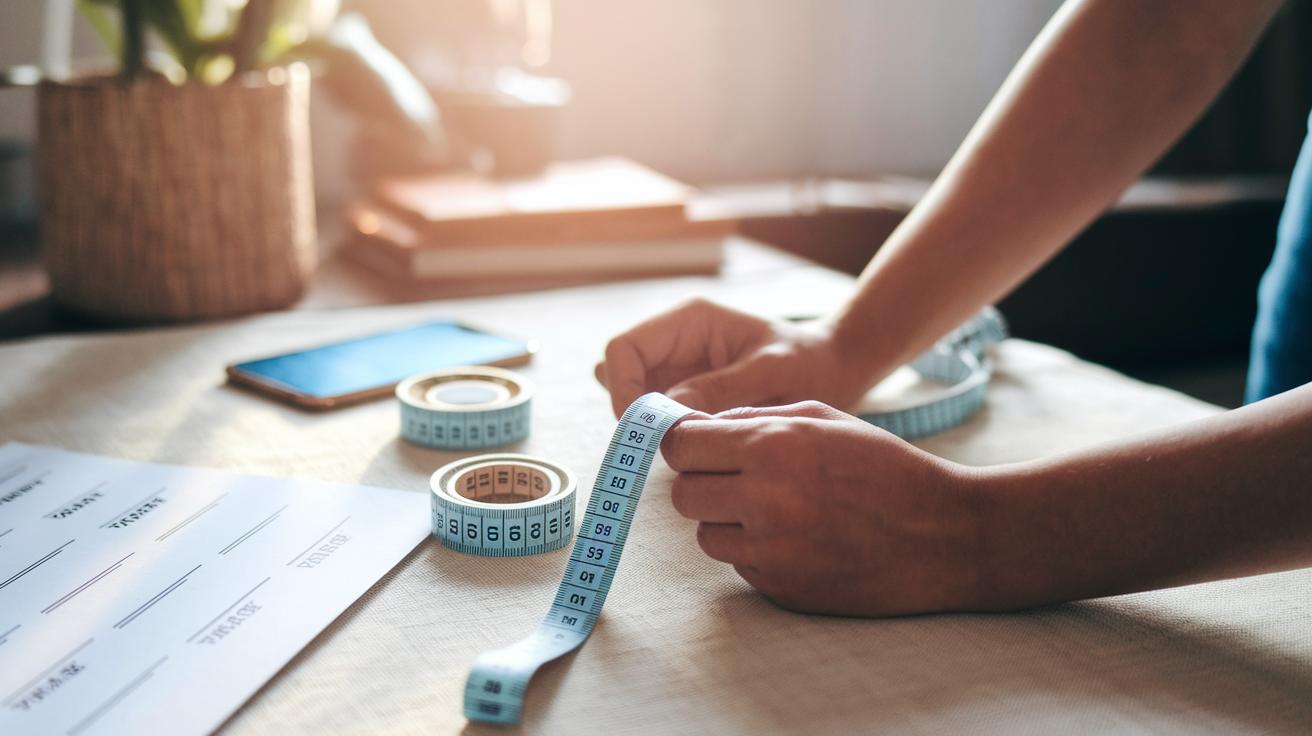
Getting your measurements right helps you find clothes that really fit. A soft tape measure is your go-to tool for this. Measure your bust, waist, hips, chest width, shoulder span, and both your arm and leg lengths. Then match these numbers to the brand's sizing chart to avoid bad fits and extra returns. Keeping a record makes future orders much simpler.
- Measure your bust at its fullest point. Wrap the tape comfortably around your back.
- Find your natural waist a few inches above your belly button. Ensure the tape lies flat.
- Measure your hips at their widest part. Follow your body’s natural curve.
- Write down your chest width and shoulder span for a clear picture of your upper body.
- Note your arm and leg lengths to help choose clothes that match your build.
- Keep all these numbers in a notebook or digital app for easy future reference.
Interpreting Size Charts for the Right Fit in Online Clothing
When shopping online, always check the detailed measurement chart each brand provides instead of relying on sizes like S to XL. A medium in one brand might fit like a large in another. Look at the numbers for chest, waist, hips, sleeves, and length in inches or centimeters. If the chart is missing details, email or call the retailer to ask for more specific numbers. This extra step helps you pick the right size and avoid surprises when your order arrives.
A good size chart might look like this:
| Measurement | Inches | Centimeters |
|---|---|---|
| Chest | 38-40 | 96-102 |
| Waist | 30-32 | 76-81 |
| Hip | 40-42 | 102-107 |
Using these numbers makes it easy to match the chart with your own measurements. Keep a record of charts from brands that fit you well so you have a reference for your future orders. This method cuts down on returns and helps you nail your fit every time.
Comparing Brand Sizing Consistency for Online Clothing Fit

When buying clothes online, a medium from one brand might feel like a large from another. Many brands use different measurement scales. Always check the charts for key numbers like chest, waist, and hip measurements. Some brands have a tighter, more structured cut, while others lean toward a relaxed fit.
Tracking your past orders can build a clear size profile for each brand. If you notice your favorite brand’s medium feels snug while another's medium is looser, use that info next time. Writing down your measurements from previous buys can really help.
Here’s a quick checklist to guide you:
- Compare detailed measurement charts side by side.
- Record your order details to see how each brand fits.
- Note if a brand tends to run tight or loose.
- Check if measurements are in inches or centimeters.
- Look for extra details like sleeve or length sizes.
- Adjust by ordering one size up or down based on what worked before.
Using these tips will help you choose sizes that fit better and cut down on returns.
Using Customer Reviews to Improve Fit Accuracy When Buying Clothes Online
Customer reviews can fill in the gaps that size charts often miss. They can point out if an item runs small, has long sleeves, or if the waist sits high. Many reviewers add photos to show how a garment drapes and stretches on different body types. Looking at these pictures gives you a clearer idea of how the item might fit you. It helps to focus on feedback from people whose measurements are close to yours since their advice can be a practical guide when choosing a size.
Here are some tips to make the most of customer reviews for fit:
- Read several reviews to spot common trends.
- Look for photos that capture the garment in action.
- Pay attention to comments about details like sleeve length or waist fit.
- Compare insights from reviewers who share similar body measurements.
Virtual Fitting Tools and Digital Solutions for Online Clothing Fit

Many websites now let you try on clothes virtually before you buy them. With augmented reality, you can see a 3D image of yourself wearing the item. This means you can get a feel for how a jacket drapes on your shoulders or how a dress falls on your body.
The process is simple. You enter your measurements, like bust, waist, and hips, using a soft tape at home, and the tool creates a digital model of you. Some platforms even offer a feature to scan your body, giving you a closer match to your actual shape. In plain terms, the system uses your numbers and a smart algorithm to suggest the best size.
One user mentioned, "I felt more confident ordering when I saw a 3D simulation of how the dress fit me." This kind of technology helps lower the guesswork and reduces the chance of returns or ill-fitting items.
Overall, these digital tools simplify online shopping by letting you experiment with different sizes and styles from the comfort of your home.
Planning for Returns and Fit Risk Management in Online Clothing Shopping
Before you add an item to your cart, check the store's return policy. Look for a window of at least 30 days so you have plenty of time to try it on. If a store only offers 14 days while others give you more time, you might end up stuck with a garment that doesn't fit.
Also, make sure that return shipping is free. This will help you avoid extra costs if the clothing doesn't work out. Watch out for any rules that might exclude sale or custom items, or any restocking fees that could lower your refund.
And don't forget the environment. Extra returns mean more shipping and more energy use. Taking a moment to plan your purchase can help you avoid hassle while staying eco-friendly.
Fabric Composition and Stretch Considerations for Online Clothing Fit

When shopping online, knowing how the fabric behaves can save you from surprises. For example, 100% cotton holds its shape and has very little stretch, which means it won’t move with you much. On the other hand, a cotton-spandex blend with about 5% spandex offers a bit of stretch so the fabric drapes more fluidly and feels softer on your skin.
Always take a look at the fabric details and care instructions on the product page. Some items, like knit linen, may shrink slightly, about 2% after pre-shrinking. It helps to measure your clothes before and after washing so you can spot any unexpected changes. Paying attention to these fabric details is a smart way to pick the right size and avoid hassles with returns.
Final Words
In the action, we covered essential steps for selecting a better fit when buying online. We walked through taking accurate body measurements, using size charts wisely, and comparing brand sizing personal experiences. We looked at customer reviews, digital try-ons, and planning returns to manage fit risk. We also discussed the impact of fabric composition on the final fit. These insights aim to help you feel confident in your purchase and guide you on how to choose the right fit when buying clothes online. Enjoy your shopping experience!
FAQ
How to choose the right fit when buying clothes online for women and men?
Choosing the right fit online means comparing your measurements to each brand’s size chart, checking garment cut details, and reviewing fabric stretch notes to match your preferred look and comfort.
How to buy clothes online that fit?
Buying clothes online that fit requires knowing your body measurements, reading product details closely, looking at customer feedback on fit, and reviewing return policies for a stress-free shopping experience.
How to shop online for clothes for the first time?
Shopping online for the first time means starting with accurate measurements, using detailed size guides, reading reviews from similar shoppers, and choosing retailers with hassle-free returns.
How to measure yourself to buy clothes online?
Measuring yourself for online purchases means using a soft tape to record bust, waist, and hip measurements, then comparing these numbers with the retailer’s sizing charts for a better fit.
How to know your dress size without measuring?
Knowing your dress size without measuring can rely on past purchase experiences and trying to match your usual fit to a retailer’s size guide as a rough estimate of your size.
What is the 3-3-3 rule for outfits?
The 3-3-3 rule for outfits suggests keeping your look balanced with three key elements, which can help create a visually pleasing outfit by focusing on proportion and simple styling.
What is the 5 5 5 rule for clothing?
The 5 5 5 rule for clothing is a guideline that emphasizes balancing design details, including color accents and layers, providing a straightforward approach to coordinating your outfit.
What is the 7 point rule for clothes?
The 7 point rule for clothes is an approach covering essential fit and style factors, from measurements and fabric details to silhouette and balance, ensuring your outfit works well together.
How do sizing and fit vary among popular online brands like ASOS, Old Navy, SHEIN, Urban Outfitters, H&M, and ZARA?
Sizing and fit vary among brands; each retailer has its own measurement chart and style cut, so checking customer reviews and comparing size guides helps determine the best size for your shape.