

Have you ever noticed that even expensive shoes can leave your feet sore? It isn't just about style. True comfort means your shoes let your feet move easily and hold them up all day. Simply wiggle your toes or take a short walk on different floors to see if they really fit. In this guide, we share easy tests to help you pick shoes that keep your steps feeling light and happy.
Key Methods to Evaluate Footwear Comfort
Good shoes let you move without pain. They protect your feet during sports, work, and everyday life. A proper fit helps your feet stay healthy while you move, run, or walk. Instead of guessing, you can use simple tests to know if your shoes are right for you. For example, try the Toe Wiggle Test. Right after you put them on, wiggle your toes. If they move easily like a light breeze, the fit is just right.
It helps to check your shoes on different surfaces. And do the fitting later in the day when your feet are at their fullest size. This matters because more than 60% of adults experience discomfort from poor-fitting shoes.
Here are five easy tests to review shoe comfort:
- Toe Wiggle Test: Let your toes move freely.
- Heel Slip Test: Make sure your heel stays in place without too much lift.
- Width Test: Check for a roomy fit across your foot.
- Arch Support Test: Ensure the arch is well-supported (this helps spread your weight evenly).
- Walk Around Test: Walk for a few minutes on different surfaces to catch any pressure spots.
These steps cover the essentials of proper shoe fitting and pressure relief. They give you a quick way to rule out shoes that might strain your feet. Using these tests, you can find a pair that meets your support needs and offers comfort from the very first wear.
Fit Measurement Guidelines for Evaluating Footwear Comfort
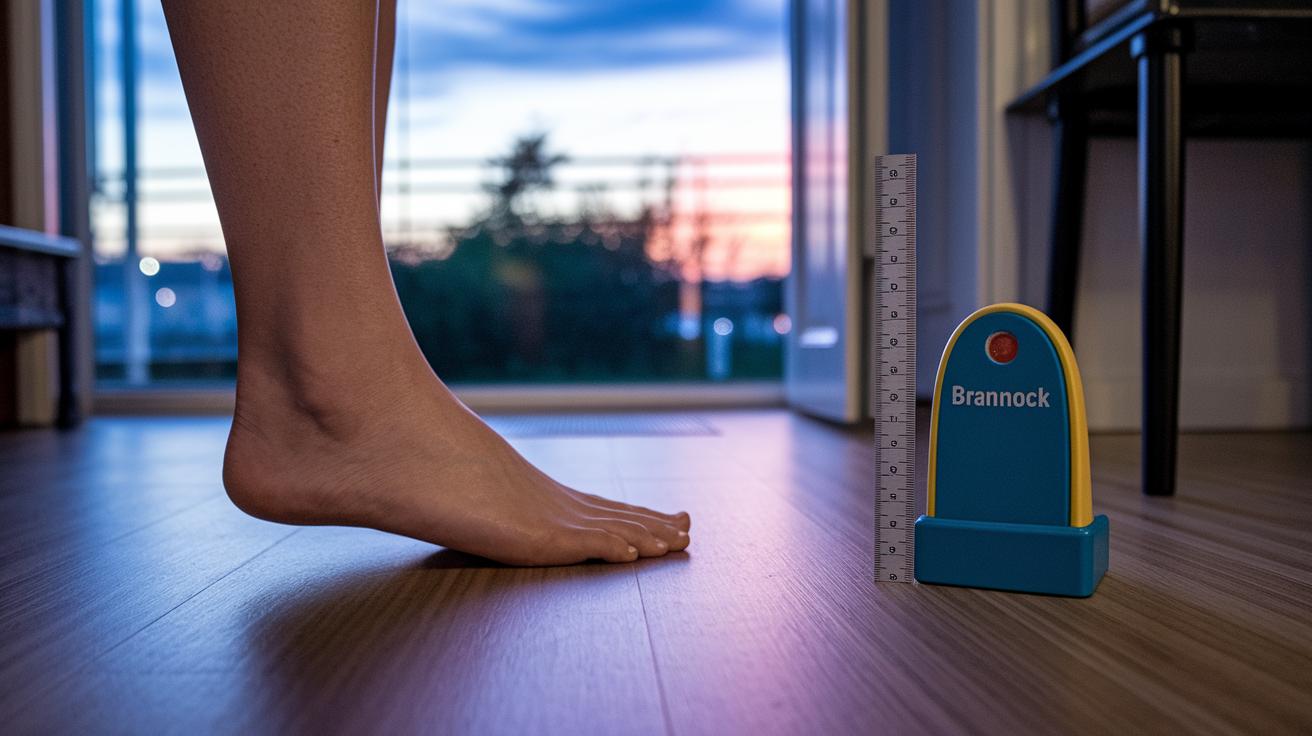
Make sure you measure your feet at the end of the day. Your feet tend to swell a bit as the day goes on, so using a Brannock device (a tool for measuring foot size) or a simple ruler in the evening gives you a true reading. Always check both feet and use the larger measurement for choosing your size.
Leave about 0.5 inches of extra space between your longest toe and the front of the shoe. This little gap lets your toes move naturally and helps prevent issues like blisters or hammertoes. You can also do a quick 3-second pinch test along the top of your foot to see if any spots might feel tight later.
These simple steps help stop your heel from slipping and ensure your shoes support your feet comfortably throughout the day.
| Measurement Step | Recommended Standard |
|---|---|
| Foot Length | Measure in the evening; leave about 0.5″ extra space |
| Foot Width | Measure both feet and choose the size of the larger one |
| Pressure Check | Pinch along the instep for 3 seconds to check for tight spots |
Arch Support Analysis for Enhanced Footwear Comfort
Good arch support spreads your weight evenly, which helps cut down on tired legs after a long day. Shoes that support your arch the right way can make running feel easier and help keep common injuries at bay by keeping your body lined up right. Whether your arches are flat, normal, or high, each one has different needs. Flat arches often do well with extra cushioning in the middle of the shoe, while high arches need a firmer base to stop the foot from rolling inward too much. With proper support, every step feels smooth, and pressure spots are kept low so you can move without pain.
Identifying Your Arch Type
First, figure out your arch type with a simple test like the wet test or by looking at your footprint. Wet your foot and step on a piece of paper. A full print usually means you have flat arches. If you see a curve with a thin band in the middle, you might have high arches. A gentle curve often points to normal arches. Knowing this helps you pick shoes that mix the right amount of cushioning and firmness.
Performing the Arch Support Test
Once you know your arch type, check your shoes by either pinching lightly along the arch or taking a short walk. Notice if the cushion under your arch squishes too much or feels too stiff. A well-supported arch should feel naturally padded without any tight spots or too much wiggle, keeping you comfortable and stable all day.
Cushioning Quality Test to Assess Footwear Comfort
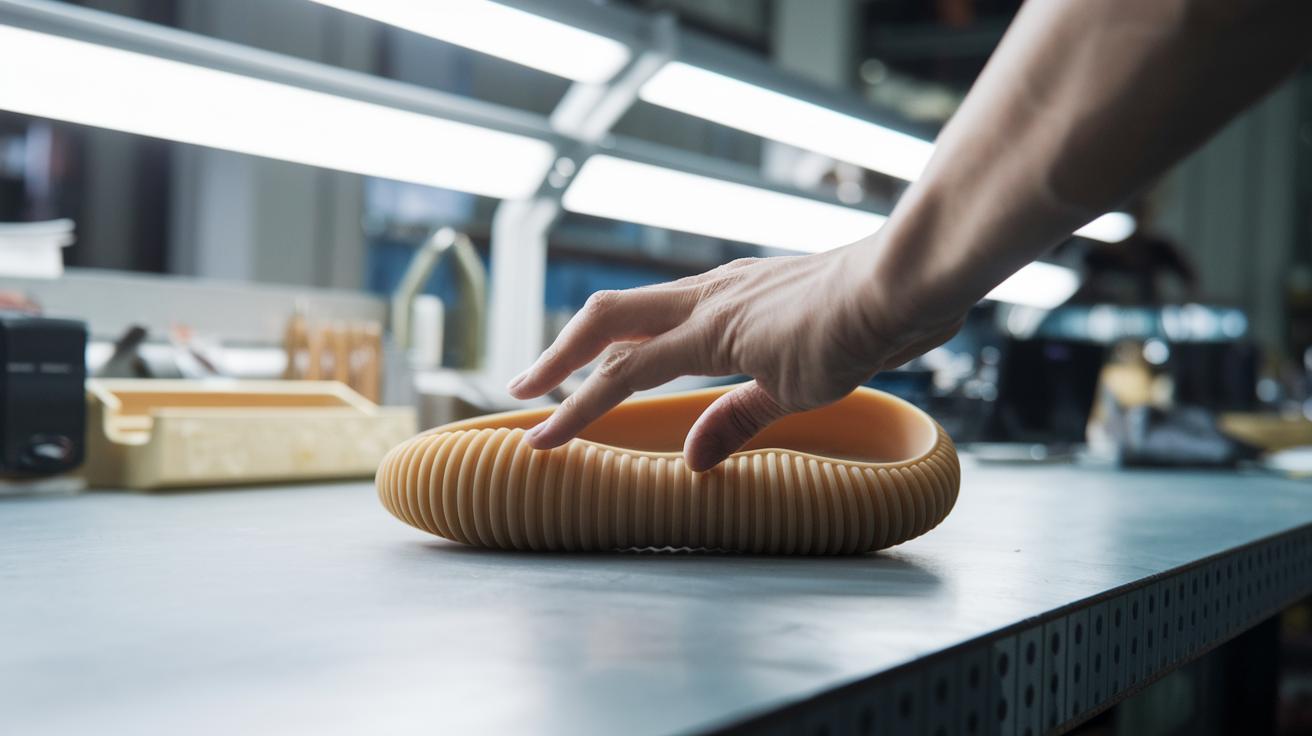
To check a shoe's midsole cushioning, start by testing common materials like EVA foam, memory foam (a foam that holds the shape of your foot), or gel. A simple hand-press can show you how firm the cushioning is and how quickly it bounces back.
Try these four tests:
- Press down on the midsole with your fingers to feel how soft it is and how fast it returns.
- Roll your foot over the shoe to see if the cushion compresses evenly.
- Walk on a hard surface to notice how much shock the midsole absorbs.
- Feel different parts of the shoe to check for any spots that feel too firm.
After these quick tests, take a longer walk to see how the cushioning works over time. Notice if the cushion feels too stiff or overly soft while you move. Testing on hard surfaces can show if the midsole gives steady support, helping keep your steps comfortable all day.
Stability Check Techniques and Pressure Distribution for Footwear Comfort
Try walking in your shoes for about 10 to 15 minutes on different surfaces like carpet, hardwood, and concrete. Good shoes have firm heels and structured midsoles (the supportive layer inside the shoe) that keep your foot steady while you move. As you walk, notice if any spots feel too hard or too soft. Watch out for a slipping heel or if your foot struggles when you change direction. Testing your shoes in real-world conditions helps uncover design issues that might not be obvious during a quick try-on.
Keep a comfort journal for one week. Write down any discomfort you feel and note if pressure spots shift over time. Record how your foot behaves on longer walks and during everyday activities. These notes can help you compare different models and decide if the shoes truly provide the stability and balanced pressure you need for comfortable, pain-free steps.
Material Durability and Interior Lining Impact on Footwear Comfort
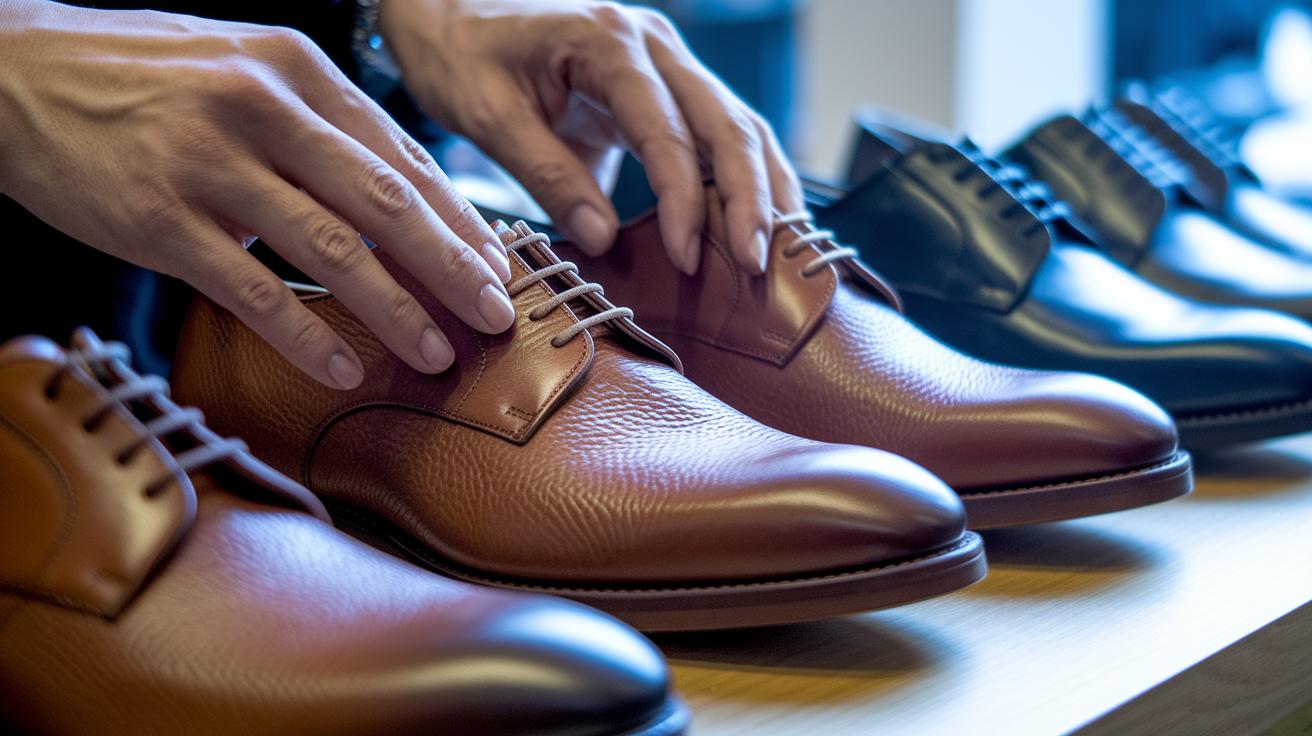
When you try on shoes, start by checking the outer materials. High-quality leather feels soft and gives a bit of cushioning. It also breathes well and stays flexible over time. Run your fingers along the surface and press the shoe gently, feel for the smooth texture and listen for any odd creaks when you bend it. Look near the seams for any small weak spots that might tear later.
Next, check the inside lining. The inner material helps move sweat away from your skin and keeps your feet feeling fresh. Synthetic linings do a good job at wicking moisture, but they might not feel as soft as natural fibers. A lining that remains soft even after many wears helps prevent odors and makes long days more comfortable.
Finally, test how the shoe holds up under pressure. Press lightly on the cushioning to see if it bounces back or flattens out quickly. This simple test shows early signs of wear. By taking a moment to feel and test your shoes, you can be sure they blend solid comfort with good hygiene over time.
Break-In Period Analysis and Comfort Rating for Footwear
Breaking in new shoes is crucial for long-term comfort. When you first try them, they should feel supportive without causing any pain. If you feel discomfort right away, the fit might be a bit off. Leather shoes may need a few wears to soften, while synthetic ones often adjust more quickly. Keeping a simple daily log for a week helps you catch any stubborn hotspots, blisters, or fatigue. Using a basic 1–10 comfort scale each day shows whether your shoes are getting better or staying uncomfortable.
Tracking Comfort Over Time
Make a habit of writing down your shoe experience every day. Note the date, your activities, how long you wore them, and rate your comfort from 1 (very uncomfortable) to 10 (super comfy). Jot down any pain or pressure points you notice. This simple record lets you see how your shoes break in and if any discomfort fades over time.
Setting Up a Comfort Rating Scale
Set up an easy 1–10 rating system that works for you. A score of 1 means severe discomfort, while 10 means they feel great. Use this scale daily and keep track of any changes. Over time, these ratings will help you compare different pairs of shoes and choose the ones that truly bring happy steps.
Final Words
In the action, we ran through key methods to assess shoe comfort with tests like toe wiggle, heel slip, and pressure checks. We shared fit measurement tips, arch support insights, cushioning tests, stability checks, and durability reviews. These clear, hands-on steps help you grasp how to evaluate footwear comfort without the guesswork. Practical guidance like this keeps you informed and ready to pick shoes that feel right from day one. Happy shoe hunting and may your next pair bring true ease and lasting fit.
FAQ
How to evaluate footwear comfort pdf
Evaluating footwear comfort in a PDF often details tests like toe wiggle, heel slip, width, arch support, and walk evaluations. It also explains measurement tips, proper toe room, and pressure mapping for a structured review.
Are my shoes too small or do I need to break them in
Determining if shoes are too small or need a break-in involves checking for persistent tightness, little toe wiggle room, or pain even after a short wear; ongoing discomfort may indicate an improper fit.
How much room should be in the toe of a shoe running
Running shoes should have roughly a half-inch of extra room at the toe box. This space allows for foot expansion during runs and helps prevent discomfort and blisters.
How to choose the right shoes for your feet online
Choosing the right shoes online starts with accurate foot measurements, understanding your arch type, and reading detailed size guides and reviews to match your specific fit and comfort needs.
Shoe fitting accessories
Shoe fitting accessories include Brannock devices, insoles, and detailed size charts. They help measure foot length, width, and arch height, ensuring a more accurate and comfortable shoe fit.
Shoe fitting guide
A shoe fitting guide explains how to measure feet at the end of the day and assess tests like toe wiggle, heel slip, width, and arch support to determine whether a shoe meets your comfort and stability needs.
How much room should be in the toe of a walking shoe
Walking shoes should offer about a half-inch of extra space at the toe, allowing for natural foot expansion and reducing the risk of pressure points and discomfort while walking.
Too big how much room should be in the toe of a shoe
Even if a shoe feels too big, the recommended toe room is roughly half an inch. Excess space beyond this may lead to instability, causing your foot to shift and possibly result in blisters.
How to check shoe comfort?
Checking shoe comfort involves performing tests like toe wiggle, heel slip, and width and arch support assessments. Then, take a short walk to evaluate cushioning, pressure distribution, and overall fit.
What is the 3 shoe rule?
The 3 shoe rule suggests trying on three different models to compare fit, support, and cushioning. This side-by-side evaluation helps narrow down the best option for your unique foot shape.
What are the methods for assessing footwear comfort a systematic review?
A systematic review assesses footwear comfort by combining tests for pressure distribution, toe wiggle, heel slip, cushioning rebound, and real-world wear trials to provide a comprehensive comparison of different shoes.
What brand of shoe is the most comfortable?
No one brand guarantees the most comfortable shoe for every foot; comfort depends on individual fit needs, such as room, arch support, and cushioning, so trying multiple brands is the best approach.