

Quick Verdict
A bag should feel as good as it looks. Too many stylish bags end up feeling like they were made to fall apart.
How We Check Quality
We keep an eye on the little things. Check for smooth, full-grain leather (the top layer that shows the natural grain). Look closely at the stitches and count them. Feel the zippers and clasps to ensure they are sturdy.
Why This Matters
These details tell you if a bag will last through daily use. A well-made bag handles wear and tear much better than one with sloppy construction.
Our Tip for You
Before you buy, give the bag a quick once-over. Trust your eyes and hands. A bag that stands up to a simple quality check is one you can rely on.
Core Principles for Spotting Quality in Handbags (Materials & Stitching)
When you pick up a quality handbag, you can tell by its materials and stitching. Look for neat, even stitching at about 8 to 12 stitches per inch. Full-grain leather shows a natural pattern that gets better with time. Good bags have edges that are folded and stitched neatly instead of just being painted. Stress points like straps and handles are often reinforced so they last.
A well-crafted bag also uses smart material choices and solid construction. The stitches are even and flat, with the right thread tension so there’s no puckering or loose ends. Thread color might match the bag or be a subtle contrast. Good metal hardware on the bag should slide smoothly and feel strong.
- Even stitching (8-12 stitches per inch)
- Full-grain leather that develops a natural patina
- Flat, even thread with no puckering or loose ends
- Neatly folded and stitched edges instead of painted ones
- Reinforced stitching at stress points
Use this simple checklist when examining a bag to be sure of its quality. For more tips, check the insider’s guide to evaluating accessory quality – https://jankreviews.com?p=1601.
Evaluating Materials in Handbags: Leather, Textiles, and Finishing
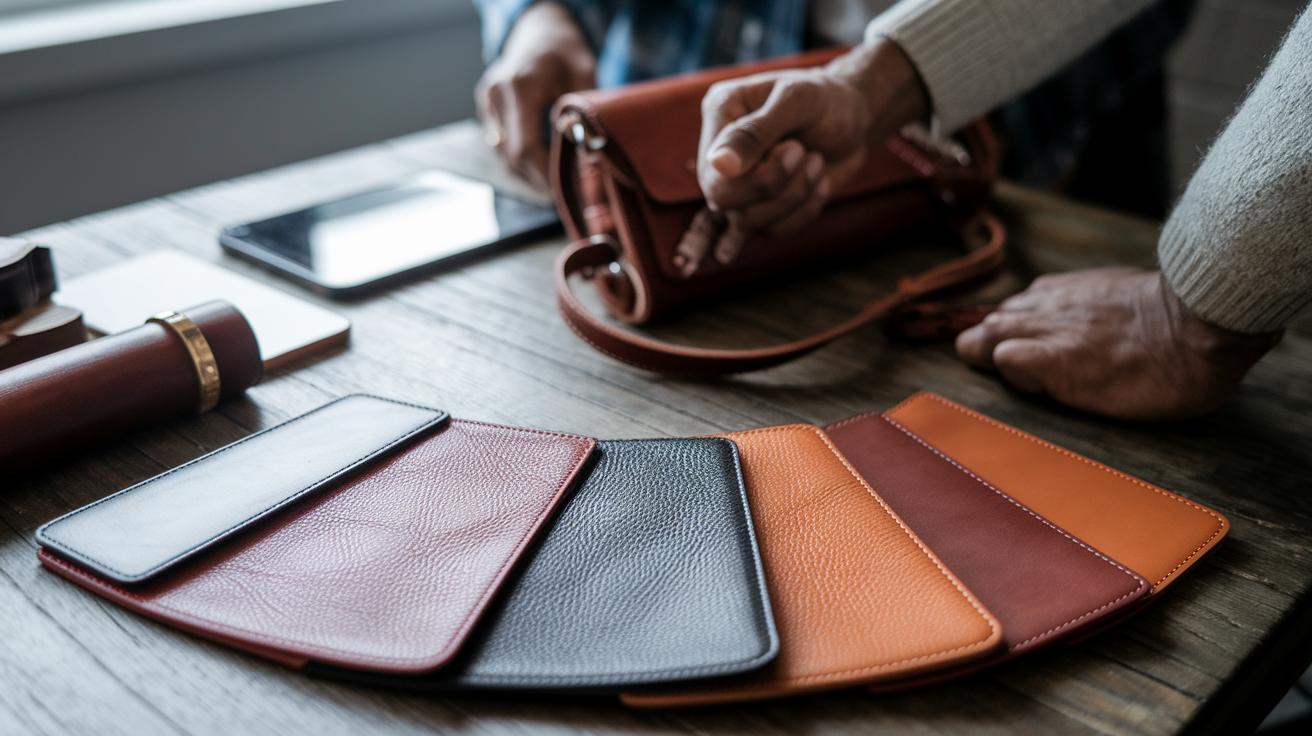
Full-grain leather stands out for both style and durability. It keeps its natural texture and gains a unique shine as it ages. Top-grain leather is smoother, but it may not resist wear as well. Genuine leather feels different from bonded leather, which is made from leftover scraps and shows wear more quickly. The type of leather you choose really affects how well the bag holds up in everyday use.
How the leather feels and looks plays a big part in its strength. Thicker leather with a natural texture feels rich and tends to last longer. Check the interior lining too, it should be made from quality leather that resists tearing and is easy to clean with a damp cloth. When you run your hand along the inside, a smooth yet sturdy surface shows the bag is built for long-term use. Matching quality on the outside and inside means the maker cared about every detail.
Many bags also use tough fabrics like high-denier canvas or engineered materials. These textiles help repel moisture and provide structure without losing style. Finishing touches such as embossing or a wax treatment boost durability and make cleaning a breeze. Feeling these textures and noting these details can help you decide if the bag is right for both daily use and occasional outings.
Inspecting Stitching Quality in Handbags: SPI, Tension, and Uniformity
Stitching shows how well a handbag is made. When the stitches are evenly spaced and the thread holds tight, the bag not only looks neat but also lasts longer. Many skilled artisans began by mastering simple, precise stitching before they became famous.
Luxury handbags often have around 8 to 12 SPI (stitches per inch, a measure of how detailed and consistent the stitching is). Smooth, flat stitches without any puckering signal that the thread tension is just right. Designers sometimes use thread colors that blend with the bag or stand out on purpose to enhance the design.
Machine stitching creates a uniform finish, while hand-stitched reinforcements add strength in busy areas like handles and straps. These hand-finished touches bring a special detail, such as a subtle change in thread color, that shows off the maker's skill. When machine and hand stitching work together, they produce a bag that is both durable and carefully crafted.
Assessing Seam Construction in Handbags: Reinforcement at Wear Points
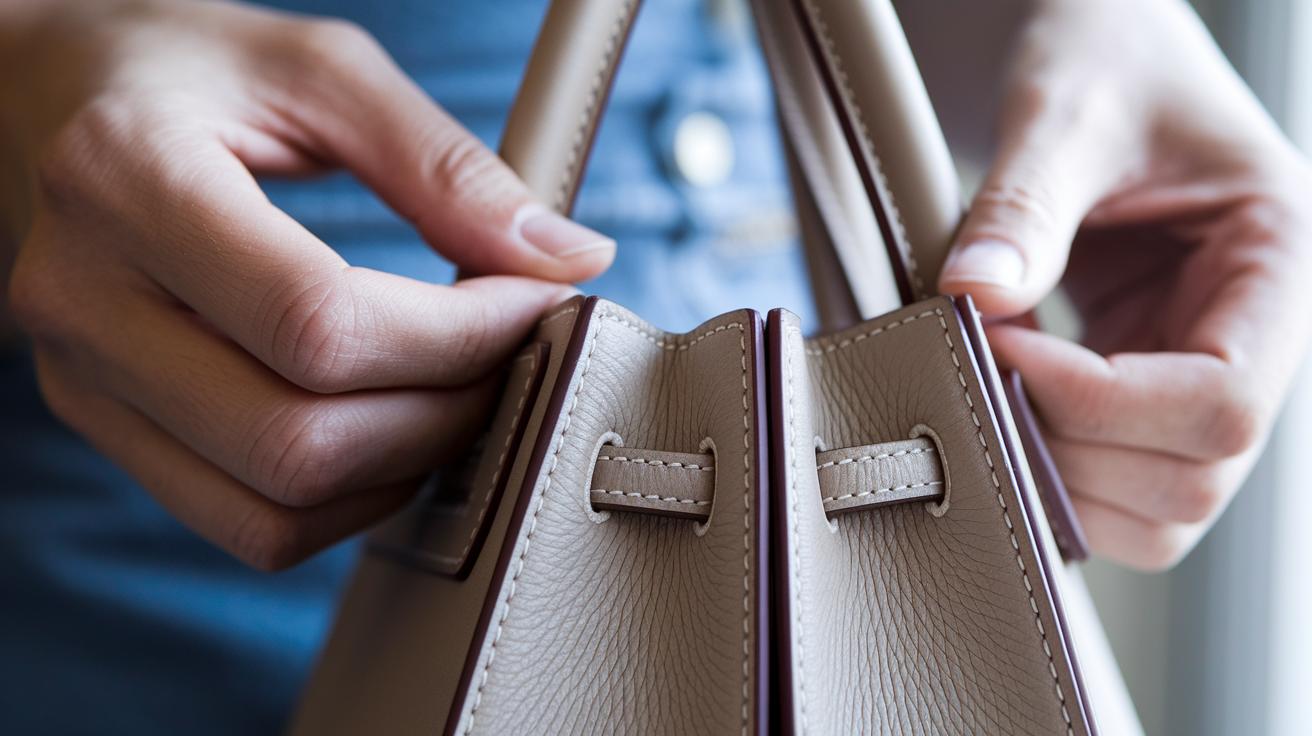
When you check a handbag, look at the edges. High-quality bags usually have neatly folded and stitched edges. This simple step holds the material well and stops it from wearing out. Painted-on edges can chip or fade when they are used a lot.
Straps, bases, and handles often face a lot of stress. Experts usually add extra stitching like double-stitching or a bartack (an extra strong stitch) in these spots. These extra stitches help spread out the stress so the seams stay strong over time.
Before buying, give the bag a gentle tug at its seams and edges. A light pull can expose any gaps or loose areas. Check that the stitching is even and tight. If you see any signs of loose work, that could be a red flag for the bag’s durability.
Examining Hardware & Edge Finishes in Handbags for Quality Assurance
Hardware is key to a handbag's strength and style. Good bags use sturdy metals like brass or stainless steel for zippers, buckles, and feet. These metals give the bag extra durability and a polished look.
Check the details closely. Metal zippers should slide smoothly without sticking. If a zipper catches or jams, it might not last long. Plastic or painted parts often chip with regular use.
Also, look at the edges. Quality bags have edges that are folded and stitched. This simple design stops the material from peeling and helps the bag hold up over time.
The inside lining matters too. Top-notch bags usually have a leather lining instead of a coated fabric. Leather is tougher, resists tears, and is easier to clean day after day.
Handbag Quality Checklist: Materials & Stitching Indicators

Use this guide when you handle your bag. Try sliding the zippers, gently tugging the seams, and running your hand along the folded edges. These steps help you catch any small issues that you might miss at first glance. For example, run your finger along a seam to check if the double-stitch holds steady under light pressure.
| Checkpoint | Inspection Detail |
|---|---|
| Grain pattern | Natural, even, no blemishes |
| Leather scent | Distinctive, not chemical |
| SPI count | 8–12 stitches per inch, even spacing |
| Seam reinforcement | Double-stitch or bartack at stress points |
| Edge finish | Folded and stitched, no painted edges |
| Hardware function | Smooth-sliding metal zippers, secure clasps |
| Interior lining | Quality leather or sturdy textile, easy to clean |
Use this guide as your go-to checklist when checking a handbag. Feel the texture, examine the stitching closely, and make sure the edges are neatly finished during your testing.
Final Words
In the action, we broke down clear markers for identifying superb handbag craftsmanship. We examined materials, detailed stitching and seam integrity, and even hardware and edge finishes that matter. Our guide and checklist show every step needed to check a bag’s build before you buy. This hands-on review explains how to spot quality in handbags (materials and stitching) so your next purchase is both smart and dependable. Keep these points in mind as you shop, and enjoy finding pieces that truly last.
FAQ
How to spot quality in handbags materials and stitching youtube
The inquiry about spotting quality on YouTube highlights video guides that zoom in on uniform stitching, natural materials, and reinforced stress points which indicate a handbag’s durability and authenticity.
How to spot quality in handbags materials and stitching 2021
The question regarding 2021 guides suggests that even then, experts focused on clear stitching patterns, consistent stitch counts (8–12 SPI), and solid hardware to identify genuine, well-constructed handbags.
What is the best fabric for making handbags?
The inquiry into the best fabric recommends premium textiles like high-denier canvas or engineered fabrics; they offer structure, moisture resistance, and lasting wear if properly finished.
What is the most durable material for a bag?
The question on the most durable material typically points to full-grain leather, which maintains its natural grain, ages gracefully, and provides lasting strength through regular reinforcements.
What are the qualities of a good handbag?
The inquiry about good handbags implies a mix of even stitching, authentic materials, reinforced wear points, clean edge finishes, and reliable hardware to ensure both style and durability.
How can you tell if a bag is genuine leather?
The question of identifying genuine leather involves checking for a natural grain, a consistent texture, and a distinctive, non-chemical leather scent, which together signal true leather quality.