

Quick Verdict
Not all sunglasses are built equal. The best pairs have crisp, clear lenses, sturdy hinges, and reliable UV protection.
How to Check
• Look for lenses that stay sharp without any warping.
• Open and close the hinges to ensure they slide smoothly.
• Find a marking like UV400 (which means they block harmful rays) for added eye safety.
Takeaway
With a few simple checks, you can pick a pair that looks good and truly protects your eyes every day.
Essential Quality Indicators for Sunglasses
When you shop for sunglasses, clear, sharp lenses are a must. Good lenses deliver a steady view without any blurring. They use the right solar filters (which help balance bright light and reduce eye strain). To test them, hold the glasses against a straight edge and check for any warping or soft spots. Look for a UV400 label; it means the lenses block both UVA and UVB rays to keep your eyes safe. The CE mark also shows they meet strict international safety standards. For more tips, check out the insider’s guide to evaluating accessory quality (https://jankreviews.com?p=1601).
The next thing to check is the construction of the hinges and frame. Quality sunglasses use sturdy parts like nylon, acetate, or metal alloys. Open and close the arms several times. They should feel smooth and steady, without any wobbling or grinding sounds. This simple check tells you that they are built to last.
Altogether, these tests make sure you pick sunglasses that work well every day. Clear lenses deliver sharp vision, strong UV protection guards your eyes, and solid hinges keep the frame in shape. With these quick checks, you can be confident in your choice for both style and protection.
Evaluating Lens Clarity in Premium Sunglasses
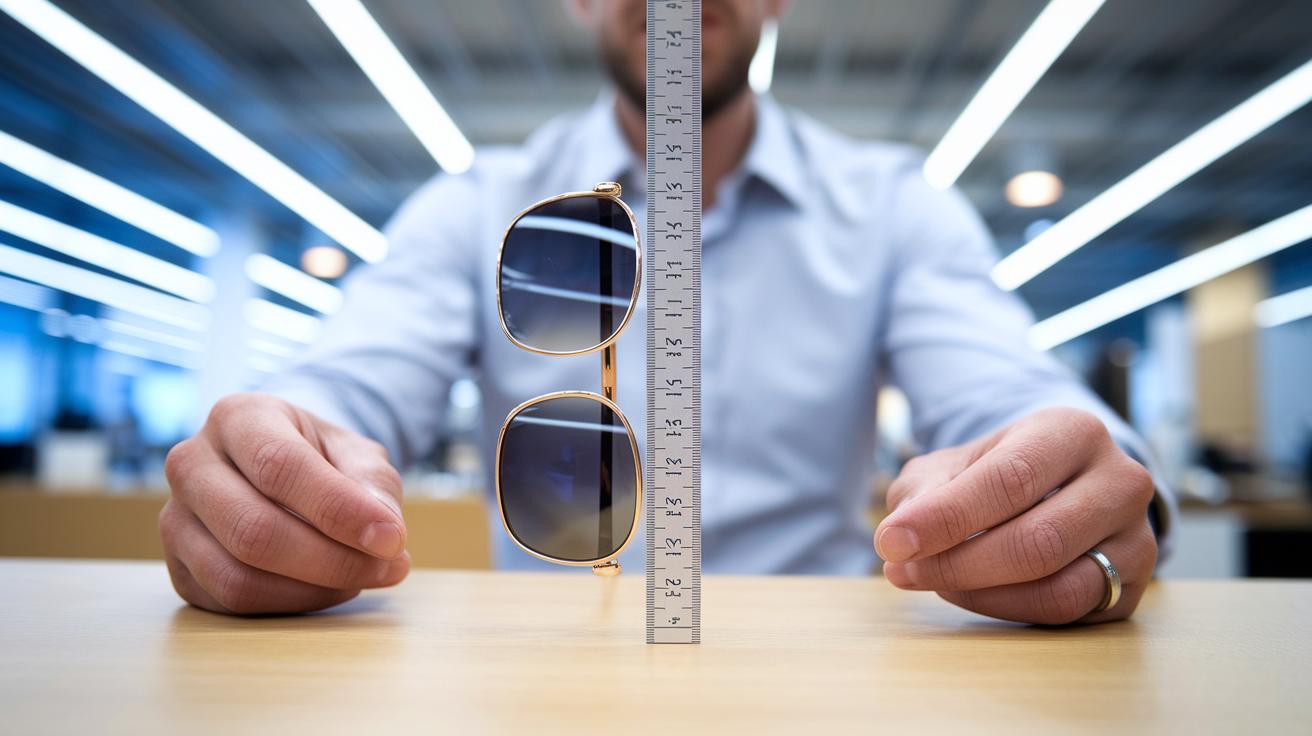
When you look through top-quality sunglasses, the view should feel clear and natural. Good lenses keep images balanced in different lighting, cut down glare, and steer clear of distortions.
- Hold your sunglasses next to a flat, straight edge. If the line looks bumpy or uneven, the lens might be warped.
- Check the label for the solar filter rating. High-end models often use Category 3 lenses, letting 8 to 18% of light through to reduce brightness while keeping details sharp.
- Try looking with and without the polarization. Polarized lenses lessen glare, but make sure they also protect you from UV rays.
- Look for marks like CE or ANSI Z80.3. These stamps mean the lenses have passed tough tests for optical clarity and safety.
Certification stamps and detailed ratings show that the lenses have been rigorously tested, giving you extra confidence in their quality.
Verifying UV Protection Ratings on Sunglasses
Blocking harmful UVA and UVB rays is a must because these invisible beams can cause cataracts and macular degeneration over time. Good quality sunglasses block rays up to 400 nm (nanometers, which measure light wavelength) and usually have a label like UV400 or 100% UV protection. Clear labeling matters because vague phrases like "blocks harmful rays" might not really meet safety rules.
• Look for a label that clearly says "UV400" or "100% UV protection" to know the lenses meet international UV standards.
• Do a quick home test with a UV flashlight. Shine it on your lenses and see if the light dims a lot; a big drop in brightness means the UV filter is working.
• Have a professional check them. An optometrist uses a UV meter (a tool that measures UV light) to make sure both UVA and UVB rays are blocked as promised.
Certified lab test results and safety marks, like the CE stamp, give extra assurance that the lenses have passed strict tests. While at-home checks are handy for a quick look, professional testing really boosts your confidence in your sunglasses. Relying on trusted certifications and lab reports ensures that your sunglasses not only look good but also keep your eyes safe.
Assessing Hinge Durability and Frame Construction

Good sunglasses need strong hinges and smart frame materials. The hinges use spring systems or stainless-steel pins (small metal pieces that secure the arms) to hold them in place, showing the hinge is built for regular use. Materials like nylon, acetate, or lightweight metal alloys add toughness and bend, which helps spread the weight evenly over the bridge and temples. One tester said, "The hinge felt smooth and steady, like a well-tuned clock," which shows how the right design boosts lasting comfort.
At home, open and close the sunglasses at least 20 times to check the hinge’s flow. Watch for smooth movement without any grinding or wobbling, and feel that the pressure along the temples stays even. A frame that fits snugly but still flexes means it will keep its shape over time. One tester remarked, "Every cycle showed stable, reliable tension," giving you a clear idea of what a good test should feel like.
Expert Tips for Choosing High‐Quality Sunglasses
Start by trying on the sunglasses to make sure they sit evenly on your nose and ears. They should feel balanced with no tilting or slipping. Next, check the label to confirm they block 100% of harmful UV rays (often marked as UV400) and, if you need it, look for a clear note about polarization.
Take a close look at the build quality: the hinges should feel sturdy and the frame made from solid materials. Make sure the weight is spread evenly across the glasses so they remain comfortable all day.
Lastly, review the warranty details and consider the brand's reputation to be confident in your long-term support and quality.
Final Words
In the action, we broke down each quality check. We covered lens clarity tests, reliable UV ratings, and sturdy hinge assessments. Each section helped show how practical tests reveal what works and what does not.
Our guide shows how to tell if sunglasses are high quality (lenses, hinges, UV ratings) with clear, hands-on checks. With these tips, you can shop smart and choose sunglasses that look good and protect your eyes. Enjoy making confident, lasting choices!
FAQ
What does a UV sunglasses test image show?
The UV sunglasses test image shows how the lenses perform under UV light. It confirms whether the lenses effectively block harmful rays and maintain clear vision.
How can you tell if sunglasses have UV protection at home?
The method to tell if sunglasses have UV protection at home involves checking for labels like “UV400” or “100% UV Protection” and sometimes using simple at-home tests with a UV flashlight.
What is a UV protection test method for sunglasses?
The UV protection test method uses a UV flashlight and label inspection. This approach ensures the lenses block both UVA and UVB rays, indicating proper UV filtering.
How do people on Reddit suggest checking sunglasses for UV protection?
The discussion on Reddit suggests using label verification for UV400 and practical, at-home tests with UV light. This method helps confirm that the lenses block harmful rays effectively.
What does a Category 3 UV rating for sunglasses mean?
The Category 3 UV rating means the lenses balance light transmission and effective UV filtering. They let in enough light for everyday use while protecting your eyes against harmful UV rays.
Are All In Motion sunglasses UV protected?
The question about All In Motion sunglasses examines brand-specific claims. They typically claim UV400 protection, but verifying the label or certification is the best way to be sure.
How can you check UV protection on glasses at home without UV light?
The method to check UV protection without UV light is to review the product label for “UV400” or “100% UV Protection.” These markings indicate that the lenses block all harmful UV rays.
How do you know if your sunglasses are polarized?
The method to know if your sunglasses are polarized is to watch for reduced glare on reflective surfaces or perform a digital screen test. A noticeable dimming effect when tilting the lenses usually indicates polarization.
How can you tell if sunglasses are high quality?
The way to tell high-quality sunglasses is by checking for clear, distortion-free lenses, proper UV protection labels like UV400, and durable frames with robust, reliable hinges.
How do you check if sunglasses are UV400?
The approach to check if sunglasses are UV400 is to inspect the label or ask for certification details. UV400 means the lenses block all radiation below 400 nm for full UV protection.
What type of sunglasses work best for glaucoma?
The kind of sunglasses best for glaucoma offer 100% UV protection and reduced glare. Models with polarized lenses can help ease eye strain and improve overall visual comfort.
Which is better, UV400 or polarized sunglasses?
The comparison shows UV400 lenses block harmful UV rays, while polarized lenses reduce glare. For overall eye protection and comfort, sunglasses that combine both features are ideal.