

Quick verdict: New fabric tech helps your favorite shirt fight spills and stains.
Why we tried it: In 2024, scientists and designers joined forces to make everyday fabrics stronger. They added tiny particles that work like mini shields on each fiber. These shields push water, oil, and dirt away as you wear your clothes.
Tester notes: Imagine a shirt that stays looking fresh even after a messy day. Some of these fabrics even come with smart features like built-in sensors and a finish that resists wrinkles. They feel like your usual fabric, but with extra protection.
Pros:
- Resists spills, stains, and dirt.
- Keeps its look even after many wears.
- Built-in smart features in some pieces.
Cons:
- May require special care based on the new technology.
Bottom line: This new fabric boost is changing how we care for our clothes. It makes them tougher and simpler to manage in our busy lives.
Breaking Down Innovations in Fabric Durability Technology
The year 2024 has brought new ideas to how fabrics work. Scientists and designers have teamed up to make everyday materials tougher. They now use tiny particles to create mini-shields on each fiber. These shields keep out stains, water, and everyday wear. Some fabrics even push water, oil, and dirt away, meaning spills like coffee might not need a quick wash anymore.
These small particles have sparked smart fabric ideas too. Some clothes now have built-in sensors that adjust when it gets hotter or when you sweat, keeping you comfortable all day. Antimicrobial finishes (that stop bacteria) help the fabric stay fresh after hours of wear. And advanced polymer coatings (a thin plastic-like layer) keep wrinkles away so you always look sharp. Even luxury fabrics are getting an upgrade with easy-care features and eco-friendly methods.
Tests on these new materials are eye-opening. High-grade cotton now has a double-rub durability rating of up to 51,000, showing it can handle a lot of wear and tear. These tough fabrics are great not just for everyday wear but also for jobs in healthcare, defense, and industry. Each new step brings us closer to clothes that can handle daily challenges while cutting down on cleaning and waste.
Material Innovations Shaping Fabric Durability Technology
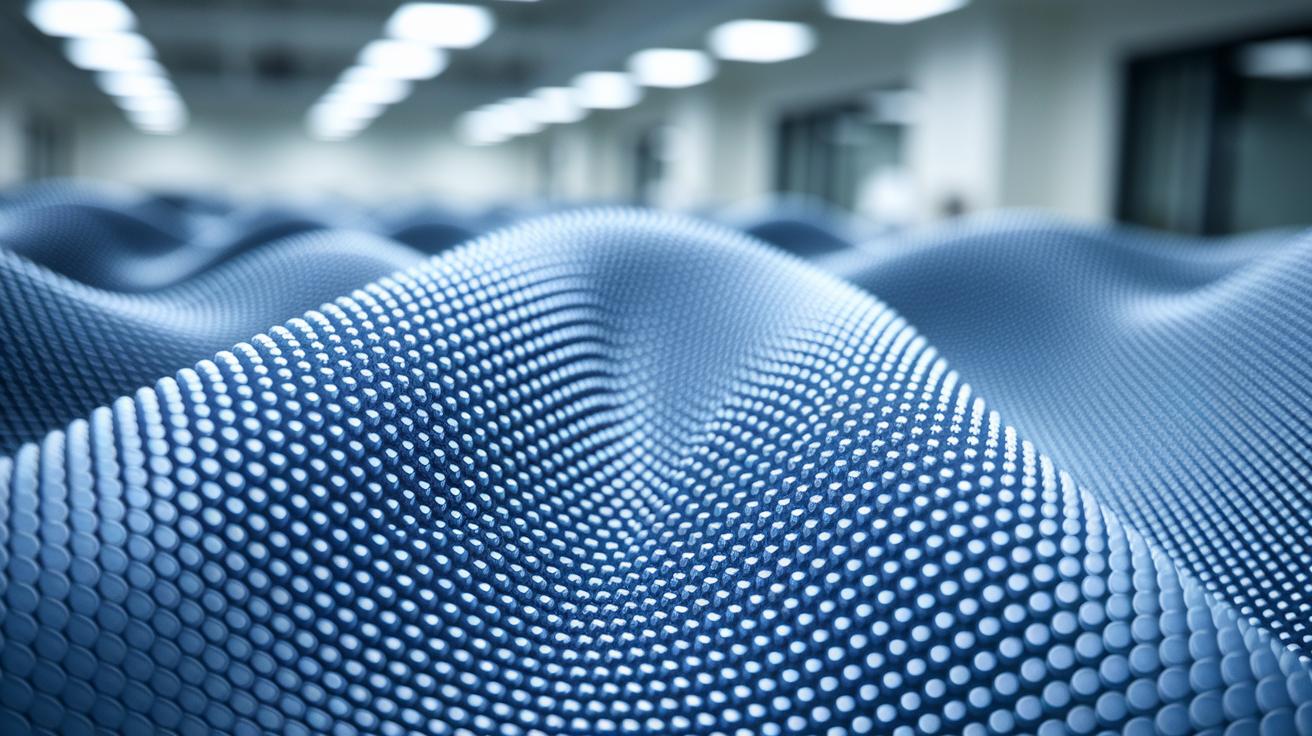
Recent fiber research has changed how we care for clothes. New methods let fabrics push off stains and spills while staying soft and easy to breathe in. Designers now work high-performance bits right into each fiber, making clothes tougher without losing comfort.
- Using tiny nanoparticles in fibers to help them clean themselves and fight stains.
- Crafting PFAS-free fabrics like Titan and CORDURA that are both eco-friendly and built to last.
- Applying special polymer coatings that make liquids bead off without clogging air flow.
- Running color tests on a tiny scale to keep finishes bright and even.
- Developing small microcapsules that can mend little tears on their own.
These upgrades mean fabrics can now fight off everyday spills and wear with less upkeep. By boosting both the protective coating and the fiber itself, manufacturers are shaping clothing that stands up to daily challenges, whether for everyday wear or tougher jobs, and lasts longer overall.
Manufacturing Advances in Fabric Durability Technology
Lamination is a game-changer in making fabrics that can handle tough conditions. Manufacturers layer materials to block water, wind, and even flames. This sturdy approach works well for medical gear, military uniforms, car parts, and building materials. Digital design is another big step forward. Digital printing on recycled polyester (a process that reuses old plastic) creates bright, lasting patterns with a low impact on the planet. Together, lamination and digital printing give fabrics the strength and look needed for many hard-wearing uses.
New tools like precision looms and smart weaving methods add extra strength to fabrics. These machines build special interlacing patterns that help the cloth resist wear and tear. Packing the fibers tighter through modern densification also helps the material stand up to everyday use without falling apart.
| Technique | Benefit |
|---|---|
| Lamination | Blocks water and resists flames |
| Digital Printing | Lasting, color-rich finishes |
| Advanced Weaving | Boosts structural strength |
| Densification | Improves resistance to wear |
Brands are quickly embracing these new methods because they scale well and deliver proven performance. Factories can now add these techniques into their process with ease, making sure every product meets high standards. This change means fabrics not only look good but also keep up with demanding, everyday use over time.
Testing and Standards for Fabric Durability Technology
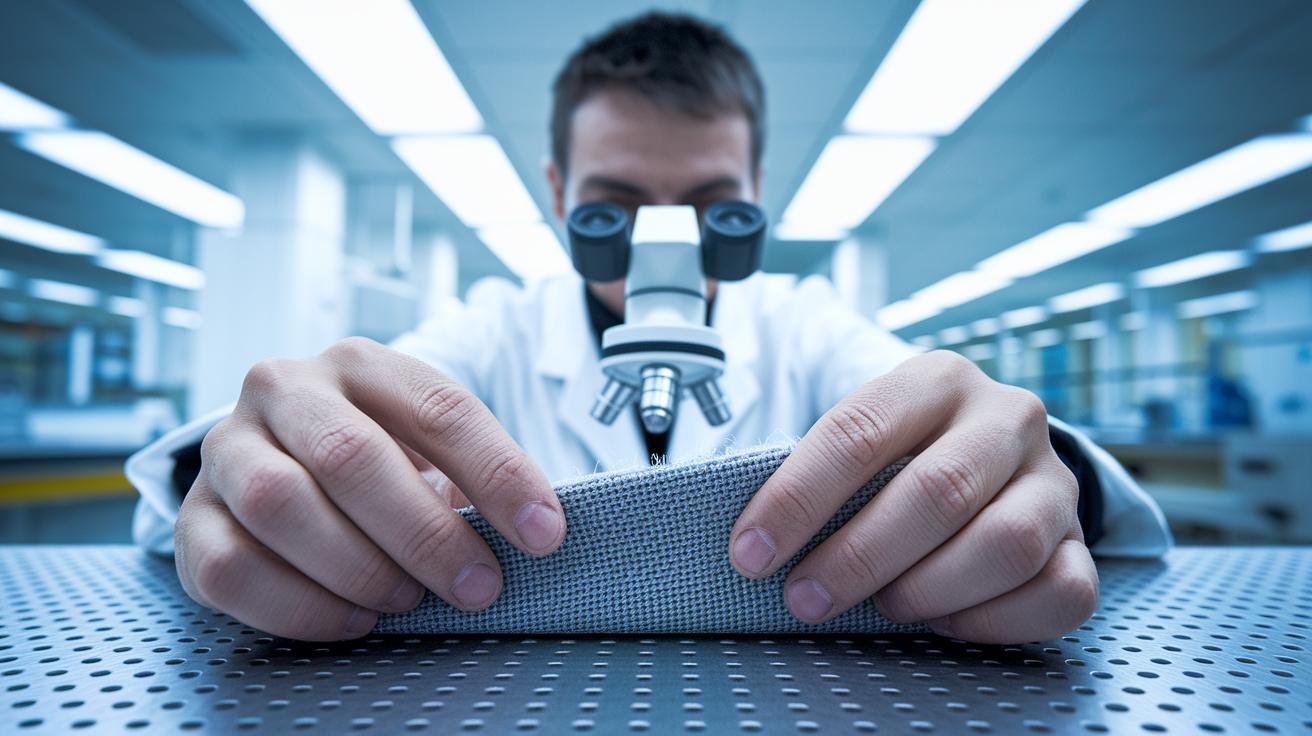
Labs now push fabrics to the limit with tests that rub them up to 51,000 times on high-end cotton. They also check how a fabric handles being pulled, rubbed, or pilled (when little fuzz balls form). This hands-on method shows how tough a fabric really is during everyday wear.
They use fast aging tests that mimic years of use in just a few days. These tests also check how the fabric holds up to frequent washing and heavy use. At the same time, labs watch how these methods affect the environment.
New certification steps are now part of the process as rules get stricter. Today, tests look at how well the fabric keeps its chemical bonds and whether it has a finish that resists UV rays. This blend of careful testing helps ensure that new textiles meet high durability standards and last longer in demanding everyday situations.
Industry Applications of Fabric Durability Technology
Fabric durability technology is changing how many industries work by making products tougher and easier to care for. Many fields, from defense to healthcare, now use smart textiles that resist stains, repel liquids, and keep their strength over time. This means products can handle tough conditions while cutting down on maintenance and replacement costs.
In defense and industrial settings, fabrics like INVISTA CORDURA® and Phoenix™ recycled nylon are stepping up protective gear. Fire-retardant coatings are now common in construction and car interiors, where safety is a top concern. In healthcare, antimicrobial finishes on uniforms and bedding help reduce bacteria and keep environments cleaner.
Commercial spaces and sportswear makers are also getting benefits. Upholstery fabrics with recycled content, like those from ZigZagZurich Earth, offer both durability and style for offices and homes. Plus, sportswear now often features moisture-wicking and abrasion-resistant weaves. This helps athletes stay comfortable and perform well, even during demanding activities. Overall, these innovations save money by extending product life and lowering upkeep costs in everyday use.
Sustainable and Future Directions in Fabric Durability Technology

Green finishes and recycled materials are changing the way we think about lasting fabrics. Manufacturers are using eco-friendly treatments that lower the environmental impact while keeping clothing looking sharp. They often mix recycled wool, linen, cotton, and hemp to create durable and stylish textiles. New PFAS-free fabrics offer high performance with a smaller impact on nature, showing that durability and sustainability can work together.
Smart computer programs now help designers see how fabrics will hold up in everyday life. These tools make it easier to develop eco-friendly treatments that last and reduce waste. Industry leaders are using these new methods to build sustainable practices right from the fiber stage to the finished product.
Trends point to a future where fabric production follows a full recycling loop by 2025. This means that soon, our clothes and textiles will not only be tough but also designed with nature in mind.
Final Words
In the action of fabric durability evolution, our guide touched on rapid advances like nanoparticle treatments, smart materials with moisture management, and tougher manufacturing techniques. We covered testing standards and real-life applications in various sectors, all aimed at extending garment lifespans. The field of innovations in fabric durability technology is moving fast, paving the way for clothing that lasts longer while staying eco-friendly. These developments bring more confidence when shopping online, so you can expect higher quality and a better fit every time.
FAQ
What are the top 10 innovations in fabric durability technology?
The top 10 innovations include nanoparticle molecular bonds, advanced polymer coatings, and smart fabrics with embedded sensors. They help fabrics resist stains, moisture, and wear, extending garment life.
What new textile innovations are there?
New textile innovations use water-, oil-, and dirt-repellent treatments and antimicrobial finishes. They give fabrics self-cleaning properties and enhanced durability without sacrificing comfort.
What textile innovation ideas are shaping fabric durability?
Textile innovation ideas center on moisture management techniques, abrasion resistance methods, and protective coatings. These ideas create fabrics that last longer and maintain their look and feel.
What fabric innovations are leading to new materials for clothes?
Fabric innovations drive new materials, such as nano-enhanced fibers and advanced polymer finishes, that offer improved durability, self-repair abilities, and enhanced resistance against daily wear.
How does textile innovation support sustainability?
Textile innovation supports sustainability by developing eco-friendly finishes, recycled fiber integrations, and biodegradable coatings. These methods reduce environmental impact while boosting fabric performance.
What is FABRIC innovations ltd known for?
FABRIC innovations ltd is known for its work in high-performance textile research. They focus on creating advanced fabric treatments that improve durability and meet the demands of various industries.
How do fabric technology companies contribute to durability?
Fabric technology companies contribute by integrating smart sensor technology and precise coating methods. They continuously improve testing protocols to ensure fabrics withstand stress, moisture, and everyday use.