

Ever really looked at your accessories? Most of us miss the small details that show if something is made to last. A quick check of the fabric, stitches, and metal parts can help you tell if a bag or belt can handle daily wear.
In this post, we share five clear signs that point to quality in the items you wear and carry. With these simple checks, you can shop smart and avoid wasting money on pieces that come apart too quickly.
Essential Quality Markers in Everyday Accessories
Good quality markers help you figure out if an accessory will hold up day after day. They let you see if an item is built well by checking the fabric, the way it’s sewn, the hardware used, the design features, and even the brand's name.
When you look at these points, you can tell if an accessory is made to last:
- Material Quality
- Craftsmanship and Stitching
- Construction and Hardware
- Design Integrity and Functionality
- Brand Reputation and Price
For example, a well-made leather accessory will have an even grain and develop a unique look with time. Neat stitching with even seams means it is less likely to fray, keeping the piece strong. Smart hardware, like secure buckles, shows that the item can handle everyday wear. A thoughtful design provides useful pockets or compartments, making the accessory handy for everyday tasks. And a trusted brand usually offers a fair price without cutting corners on quality.
By keeping these quality markers in mind, you can pick accessories that not only look good but will also work well over time.
Assessing Material Composition for Everyday Accessories
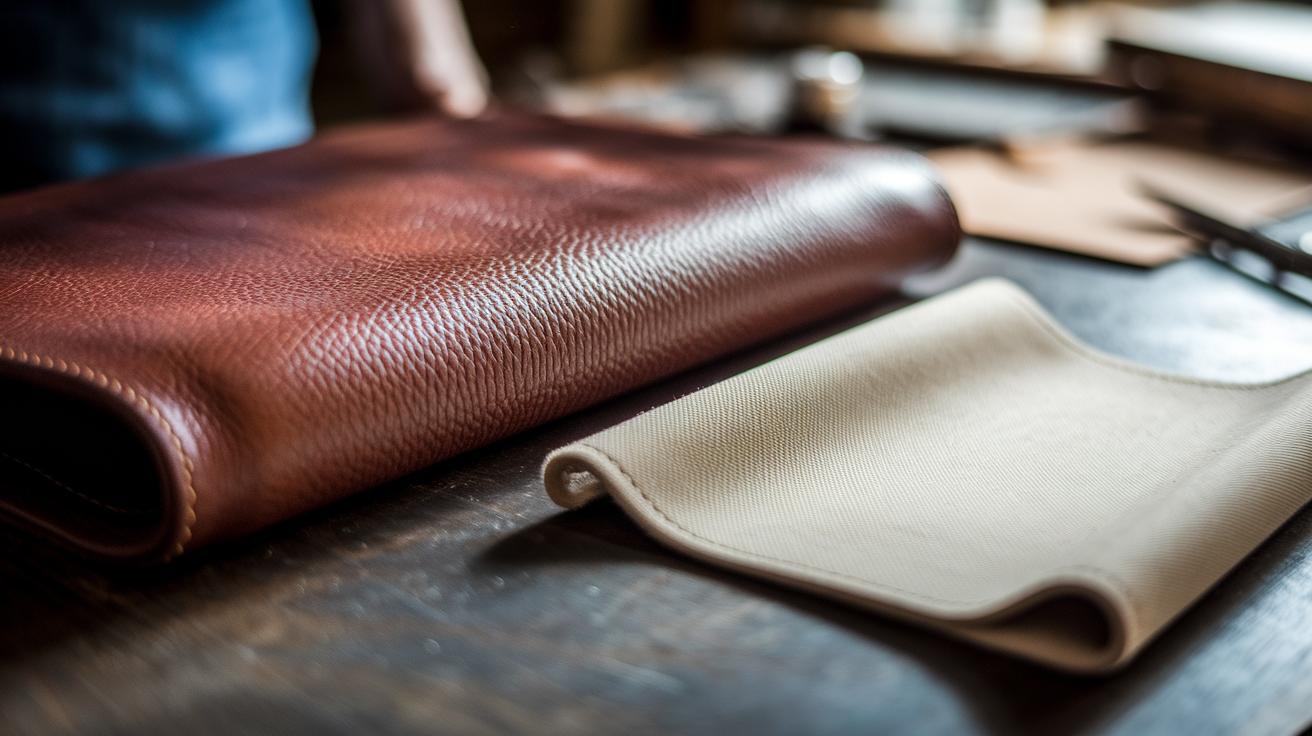
When you pick an accessory, the material makes a big difference. We often see full-grain leather for its strength, tightly woven canvas for toughness, and high-grade suede for its natural feel. Some synthetic fabrics can work too if they mimic a real grain pattern and keep water out. Think of these as the building blocks for a lasting piece.
Look for real signs of quality when checking leather and textiles. Full-grain leather should have a smooth, even texture with no thinning at fold points and develop a steady patina over time. Canvas should feel sturdy and not show signs of fraying. Suede needs to feel soft and uniform, not fuzzy or uneven. For synthetics, make sure the pattern looks like real grain and water beads off as it should. A simple test is to run your fingers over the surface and see if it feels even. I was surprised by how high-quality leather feels like a tough glove that softens with use.
Also, check the tags to verify where the material comes from and if eco-friendly tanning practices were used. This way, you know your accessory is built with care and responsibility.
Evaluating Craftsmanship Standards in Everyday Accessories
When you shop for accessories, it helps to know if they are built to last. Taking a closer look at the details, like the stitching and how parts line up, can tell you a lot about the care put into the item. For instance, a bag with even, tight stitching shows that the maker paid attention to every little part.
| Aspect | Quality Indicator |
|---|---|
| Stitching | Even 8–12 stitches per inch without any loose threads |
| Seam Alignment | Symmetrical seams with no puckering |
| Edge Finish | Smooth and sealed edges |
| Hardware Attachment | Secure rivets and zippers that sit flat |
Checking these details gives you a good idea if the accessory can handle daily use. When the stitching is neat and the seams line up perfectly, it clearly shows the item was made with care. I once noticed that clean, finished edges not only look smart but also help prevent the accessory from coming apart. Strong hardware, like well-attached rivets or flat zippers, also shows the design was tested for everyday challenges. This attention to detail lets you shop with confidence, knowing your accessory is made to last.
Durability Testing Techniques for Everyday Accessories

We start by putting accessories under real stress. For example, pull on a strap with 10 to 15 pounds of force for 60 seconds. This simple test shows if the strap stretches or breaks and reveals whether the material and bindings can handle everyday use.
Next, check the fabric with abrasion tests. Bend the fabric along its key fold lines about 100 times to spot early wear. You can also rub high-contact areas using a nylon cloth with about 2 pounds of pressure for 200 rubs, a method similar to the Martindale test. Look carefully for any color transfer or rough patches that hint at quick wear.
Finally, test the hardware. Open and close the zipper 50 times while checking that it moves smoothly and does not catch. Also be sure that all rivets and closures remain firmly attached. Loose hardware can cut an accessory's lifespan short, so this step is essential to know if the item is tough enough for daily challenges.
Reviewing Design Integrity and Style Authenticity in Everyday Accessories
Good design means mixing style with real-life function. When you check an accessory, look at its pockets and compartments to be sure they fit everyday items like phones and keys. The straps should be comfortable and the weight balanced so it feels easy to carry all day. In short, the design should work well in your daily routine without losing its style.
It also helps to check that the accessory stays true to its brand. Look for clear logos, neat pattern matches, and matching finishes on hardware. These details show the maker paid close attention. Consistent colors add to a polished look that you can trust, and clear photos online let you see how it performs in real life. All these clues give you confidence that you’re picking something both practical and stylish.
Consumer Experience Insights for Quality Assessment in Everyday Accessories
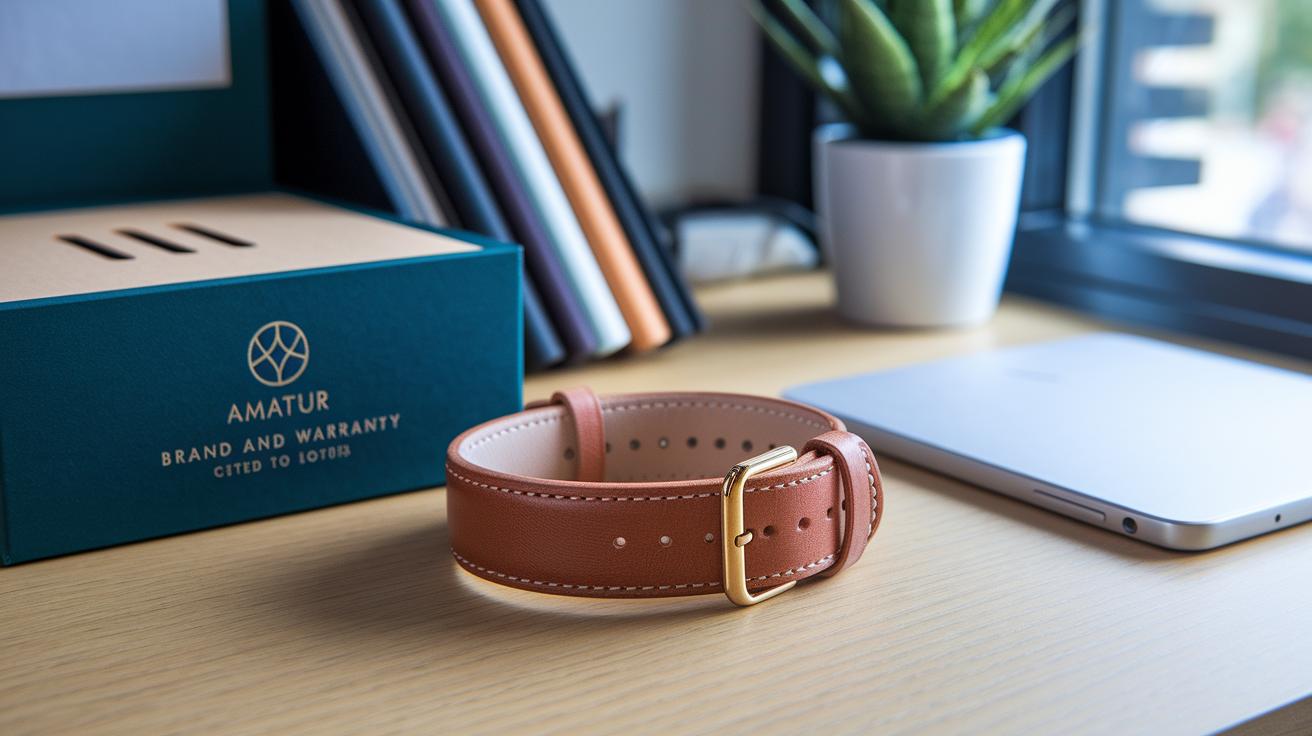
When a brand backs its accessories with solid warranties and easy returns, it shows they trust their products. Clear policies like these mean the company is confident in the materials and how each item is put together. Fast post-purchase service and a promise that products will last tell you the brand takes quality checks seriously. With these signs, you can feel sure the accessory will work well for years.
Consumer reviews tell you a lot about how an accessory performs day to day. Many users point out that items rated 4 stars or above often hold up after two years of regular use. Skimming through reviews can reveal common issues or little wins from real-life use. Consistent praise for durability and functionality confirms the accessory meets quality standards.
A fair price combined with long-lasting design is another key sign of quality. When an accessory costs reasonably and rarely needs replacing, it shows that the item was built to last. By watching for these signs, you can make a smarter buying choice that gives you lasting value.
Final Words
In the action of evaluating everyday accessories, we broke down the key markers for assessing quality in everyday accessories. We covered material quality, craftsmanship, construction, design integrity, and brand reputation. Each quality indicator helps you decide if an item meets your needs. Trusting these everyday evaluation criteria means fewer surprises after your purchase. Enjoy shopping with the confidence that comes from knowing exactly what makes an accessory truly worthwhile.
FAQ
Q: What are the key markers for assessing quality in everyday accessories?
A: The key markers include material quality, craftsmanship and stitching, construction and hardware, design integrity and functionality, and brand reputation tied to price.
Q: What factors should be considered while selecting accessories?
A: Selecting accessories requires evaluating material durability, precise craftsmanship, reliable construction, practical design, and a trusted brand with a fair price.
Q: Why are accessories important for completing an outfit?
A: Accessories are important because they add style, functionality, and balance to an outfit while reflecting quality through material and construction details.
Q: How does mastering tools impact the crafting of fashion accessories?
A: Mastering tools ensures accurate stitching and secure hardware attachment, which leads to better longevity, a neat finish, and overall quality in the accessory.
Q: How do industry reports like the McKinsey Fashion report 2026 influence accessory quality standards?
A: Industry reports highlight trends such as sustainable practices and innovative materials that inform quality standards and help shape consumer expectations for everyday accessories.
Q: What insight does a conceptual framework of contemporary luxury consumption offer for accessory selection?
A: It shows that accessory selection should balance quality craftsmanship, reliable materials, and smart design to deliver both premium style and lasting functionality.
Q: How does the luxury customer journey ending at the point of sale affect accessory design?
A: It affects design by emphasizing clear, tangible benefits such as durability, verified materials, and well-executed construction that meet customer expectations at purchase.