

Ever notice how some clothes hold up while others fall apart after just a few wears? It all comes down to the fabric. Our guide explains which materials stay strong day after day, whether it's natural fibers like cotton and wool or tougher, engineered fabrics like Cordura (a strong, durable fabric). You'll learn simple care tips so your wardrobe stays fresh and lasts longer. Ready to choose quality that truly endures?
Long-Lasting Clothing Materials at a Glance
Natural fibers stand the test of time while feeling great. Well-made cotton has a light, hollow design (small air pockets help it breathe) and can last 5 to 10 years or more with proper care. Linen grows softer and looks better over 10 to 20 years. Wools like merino, cashmere, or alpaca resist fuzz balls (pilling) and work well in many climates. Silk, the strongest natural fiber, helps keep you cool or warm as needed.
Engineered fabrics and high-end synthetics are built tough for everyday wear. Materials like Cordura and Kevlar (both made to be strong and tear-resistant) handle rough use without ripping or wearing out. Full-grain or top-grain leather gets better with time and adds a mix of durability and style. These choices are smart for anyone looking to build a lasting wardrobe.
- Cotton
- Linen
- Wool
- Silk
- Leather
- Cordura/Kevlar
These six materials set the bar for long-lasting clothing. Each material has its own perks for different needs. Natural fibers are great for comfort and breathability, while premium synthetics are made for hard use. Whether you want soft fabrics, solid performance, or an eco-friendly option, this mix gives you choices that can handle everyday wear and tough use.
Understanding Fabric Durability and Material Differences
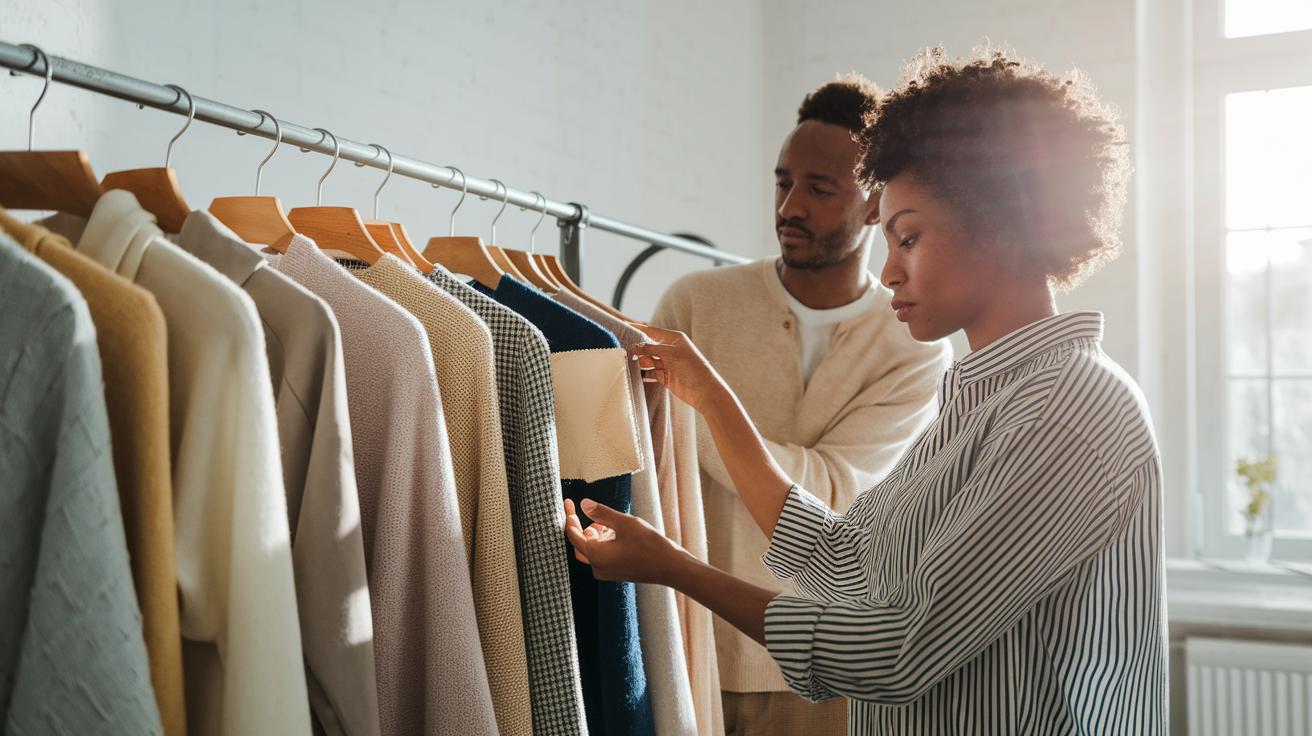
Natural fibers come from plants, animals, or minerals. They let air flow and pull away moisture. Cotton, for example, has hollow fibers that help keep you cool. Linen, on the other hand, feels soft and protects against the sun, getting even nicer with each wear. Wool and silk adjust to your body temperature and develop unique looks over time, all while handling everyday use despite some natural flaws.
Synthetics are made from chemicals like oil or coal. They are built strong for heavy use, with polyester being a common and affordable option. However, polyester does not let air pass as easily, so it may feel less cool. Engineered fabrics such as Cordura or Kevlar are crafted to resist tears and scrapes, making them great for rough conditions. In short, synthetics are all about sticking to their promise of lasting toughness.
Blended fabrics try to mix the best traits of each fiber while cutting costs. For instance, blending cotton with polyester lowers production costs but can lose some of cotton's natural breathability and moisture-wicking power. These mixes might not feel as natural or comfy, too. Environmental factors also come into play; cotton may need 10,000 to 20,000 liters of water per kilogram, while polyester can produce 2-3 times as many carbon emissions and even shed tiny plastics. In the end, the strength, weave, weight, and finishing methods all influence how long a fabric will last.
Top Natural Fibers for Long-Term Wear
Using natural fibers in your wardrobe gives you comfort that lasts and materials that stand up to everyday wear. Here are five fibers that offer a mix of durability, good performance, and eco-friendly benefits.
Cotton: pros, cons, care note
Cotton feels soft and breathable because its fibers let air flow. When you look for quality cotton, you get a fabric that can last 5 to 10 years. It is easy to wash and feels friendly against your skin. However, lower-quality cotton (short-staple varieties) can pill or shrink with repeated washes. For the best life, machine wash on a gentle cycle and check the label.
Linen: pros, cons, blend tips
Linen is tough. It can last between 10 and 20 years and protects you from UV rays, making it great for sunny days. Its natural airy texture is a plus, though it wrinkles easily. One way to cut down on wrinkles is to mix linen with a bit of cotton or silk without losing that cool, breezy feel.
Silk: pros, cons, handling advice
Silk is surprisingly strong and helps keep your body cool in the heat and warm in the cold. Its smooth texture feels luxurious, and it holds up well if you take care of it. But be careful: silk needs gentle treatment. It’s best to hand wash or dry clean silk to keep it in top shape.
Wool: pros, cons, best varieties
Wool, from sources like merino, cashmere, or alpaca, offers lasting warmth and style for 10 to 20 years. High-quality wool like merino or cashmere resists pilling and feels soft even after many wears. Some types, such as alpaca, come with lower environmental impact. Watch out though, as some wool garments need special washing to avoid shrinkage or too much felting.
Hemp: pros, cons, eco benefits
Hemp is as durable as linen and beats it in eco-friendliness, thanks to minimal water and pesticide use. Its rougher texture makes it a long-lasting choice, though it might feel tougher than you expect. Hemp blends work well to add comfort while keeping its strength.
| Fabric | Estimated Lifespan | Key Pros | Key Cons |
|---|---|---|---|
| Cotton | 5–10 years | Breathable, comfortable | May pill or shrink |
| Linen | 10–20 years | UV protection, cool feel | Wrinkles easily |
| Silk | Long-lasting with care | Temperature regulating, strong | Needs careful washing |
| Wool | 10–20 years | Resists pilling, versatile | Requires special washing |
| Hemp | Comparable to linen | Eco-friendly, durable | Can feel rugged |
Leading Synthetic and Technical Fabrics for Endurance

Polyester is one of the most popular synthetic fabrics. It is made to be affordable and works for everyday wear. But most basic polyester items only last 1 to 3 years. Making polyester uses a lot of energy, and washing these clothes can release tiny plastic bits into our water. Plus, polyester does not let air pass through well, so it may not be the best choice for long wear in hot weather. These limitations have pushed some brands to improve on the design with technical fabrics.
Technical synthetics are built for tougher use. Nylon, for example, has strong wear resistance and offers decent breathability. Materials like Cordura and Kevlar deliver strong, rugged performance for gear that sees harsh treatment. There are also eco-friendly options such as lyocell (also called Tencel), which is both breathable and biodegradable. Modal, made from long fibers, is less likely to shrink and tends to last longer than ordinary viscose.
| Fabric | Details |
|---|---|
| Polyester | Great for casual wear but usually lasts only 1–3 years |
| Nylon | Offers strong abrasion resistance and keeps you comfortable |
| Cordura/Kevlar | Built for heavy-duty use with extra strength |
| Lyocell (Tencel) | A breathable, eco-friendly fabric that breaks down naturally |
| Modal | Lasts longer with less shrinkage compared to regular viscose |
Fabric Blends: Balancing Durability and Comfort
Fabric blends combine different fibers so you can enjoy each one's benefits without breaking the bank. Sometimes a blend might lose a bit of the natural feel, but it adds strength or stretch that can be useful.
-
Cotton/polyester:
- Pros: Lowers production costs and keeps prices down.
- Cons: Reduces the natural airflow and moisture absorption of pure cotton.
-
Cotton/spandex:
- Pros: Adds stretch, making movement easier with a snug fit.
- Cons: The extra synthetic fibers can slightly change cotton's soft feel.
-
Linen/cotton:
- Pros: Cuts down on wrinkles while keeping a cool, breezy texture.
- Cons: Might not be as crisp or offer the same UV resistance as 100% linen.
-
Wool/synthetic:
- Pros: Boosts strength and durability for clothes that need to handle rougher wear.
- Cons: Can lose some of wool’s natural warmth and might pill over time.
-
Viscose/Modal:
- Pros: Provides a soft, smooth finish and a firmer fabric structure than regular viscose.
- Cons: May not be as durable in the long run compared to pure fibers.
Choosing your blend depends on what matters most, whether it’s cost, comfort, performance, or ease of care. Experiment with different combinations to find the right balance between wearing comfort and lasting durability.
Key Factors Affecting Clothing Material Resilience
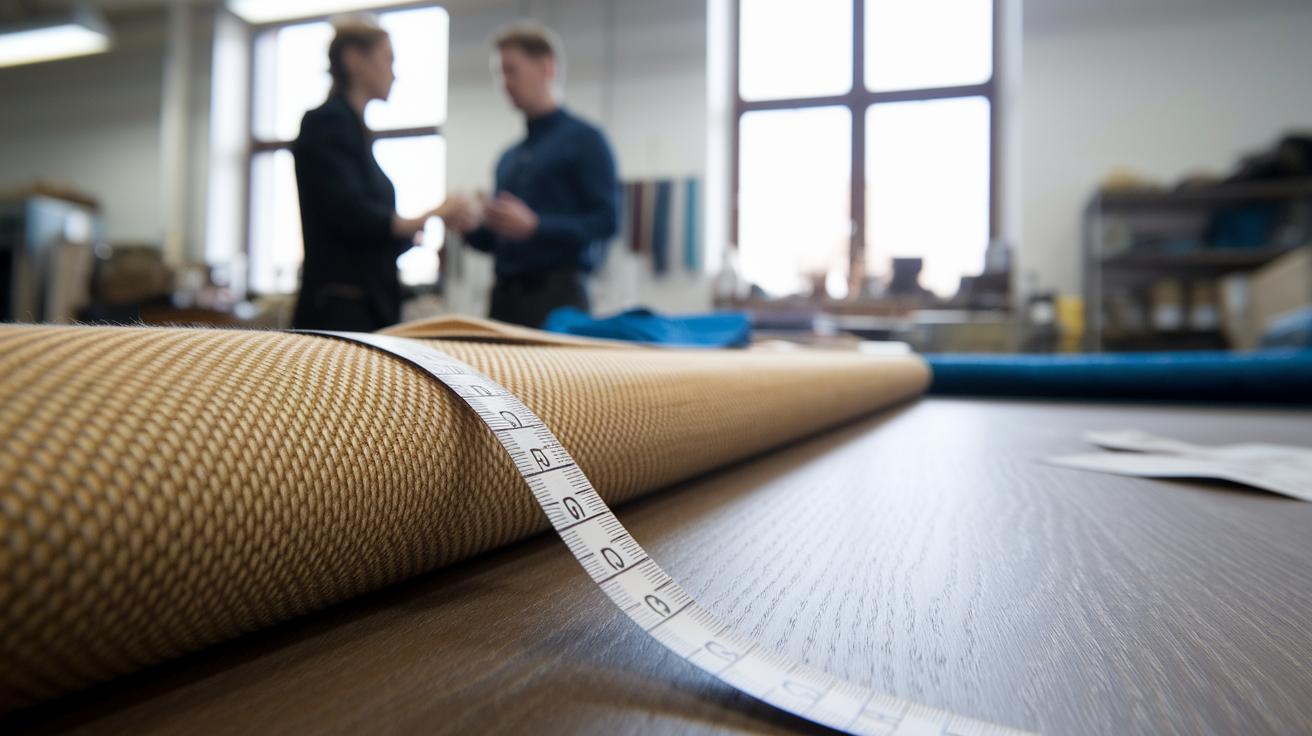
The way a fabric is woven makes a big difference in how long it lasts. For example, a plain weave gives you decent durability, but a twill weave is tougher and handles rubbing better. Satin weaves feel smooth, though they might start to show wear sooner.
The strength of the fibers is important too. Fiber strength means how well a fiber holds up when you pull on it. Strong fibers help the fabric resist tearing during everyday use.
Fabric weight also matters. We measure weight in GSM (grams per square meter, or how heavy the fabric feels). Heavier fabrics usually mean a tighter, well-made weave that can last longer. But if it’s too heavy, it might not be as comfortable for daily wear.
Finishing treatments like coatings or anti-pill finishes can boost a fabric’s durability. These treatments protect the material from little balls of fuzz or rubbing damage, helping your clothes keep their look even after many washes.
Apparel Care and Maintenance for Prolonged Lifespan
Taking care of your clothes can make them last longer and keep them looking fresh. Simple habits like careful washing, drying, storing, and fixing little snags help your favorite pieces continue to perform well and feel comfy.
- Use a gentle machine wash cycle on quality cotton items for everyday wear.
- Check labels closely; if it says "Dry Clean Only", it may need that extra bit of care.
- Steer clear of high dryer heat to protect against shrinking and damage to the fabric.
- Choose pH-neutral or mild detergents to keep the material smooth and colors bright.
- Line-dry delicate pieces to reduce rubbing and help them hold their shape.
- Fold items instead of hanging them to avoid stretching.
- Repair small tears right away to stop the damage from growing.
- Condition leather often to keep it soft and to ward off cracks.
Regularly checking your clothes for early signs of wear helps you catch problems before they become major. By using these care tips as part of your routine, you not only extend the life of your wardrobe but also save money and keep your style in top form.
Climate and Use Case Recommendations in Enduring Apparel
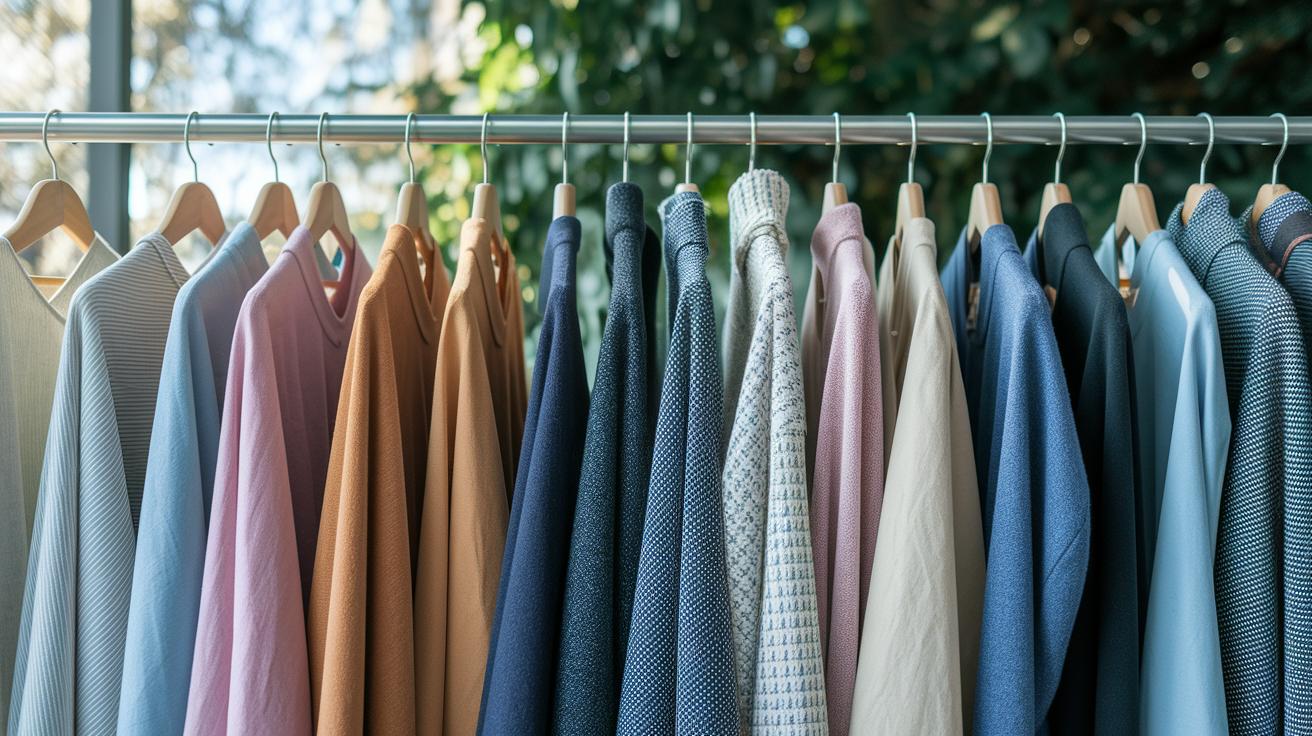
Your activities and the weather play a big role in picking the right fabric. On hot days, choose materials like linen, lightweight cotton, or lyocell (a smooth fabric made from wood pulp). They breathe well and keep you cool even in the heat.
For colder weather, stick with merino wool or cashmere. These fabrics trap heat efficiently without adding too much bulk, making them great for layering in winter.
If you lead an active lifestyle, you need fabrics that can keep up. For gym workouts or sports, try cotton blends with spandex. This mix gives you extra stretch and breathability. When you head outdoors, look for materials such as Cordura or nylon with a DWR finish (a water-repellent treatment) that hold up to rough conditions and harsh weather. At home, heavy-duty polyester or treated cotton not only last long but also add a refined touch to your upholstery and curtains.
- Summer basics: Linen, lightweight cotton, lyocell
- Winter layering: Merino wool, cashmere
- Workout gear: Cotton/spandex blends for extra stretch and breathability
- Outdoor equipment: Cordura or nylon with a DWR finish for tough performance
- Home furnishings: Heavy-duty polyester or treated cotton for durability with style
Sustainable and Eco-Friendly Durable Textile Options
Eco-friendly textiles offer lasting wear while caring for our planet. Recycled polyester, for example, cuts down on petroleum use and still stands up to everyday wear. Lyocell is made from eucalyptus tree fibers using safe, non-toxic chemicals (a way to reuse waste) to create a soft and airy fabric that breaks down naturally after a long life. Modal also earns its spot by recycling solvents in production, which cuts waste and makes a fabric that resists shrinkage. Hemp uses little water and few pesticides, resulting in a strong textile that holds up well with regular use. For more details on eco-friendly textiles, check out what is sustainable fashion at the provided link.
Alpaca wool is another smart choice. It is produced using fewer resources when compared to traditional wools and maintains its quality over many seasons. As more designers and makers embrace these options, they balance environmental care with the need for clothes that last. Whether you pick recycled polyester, lyocell, modal, or hemp, you get fabrics that perform every day and help lower the ecological impact while keeping your wardrobe durable.
Shopping Strategies: Selecting Quality Materials and Reading Labels
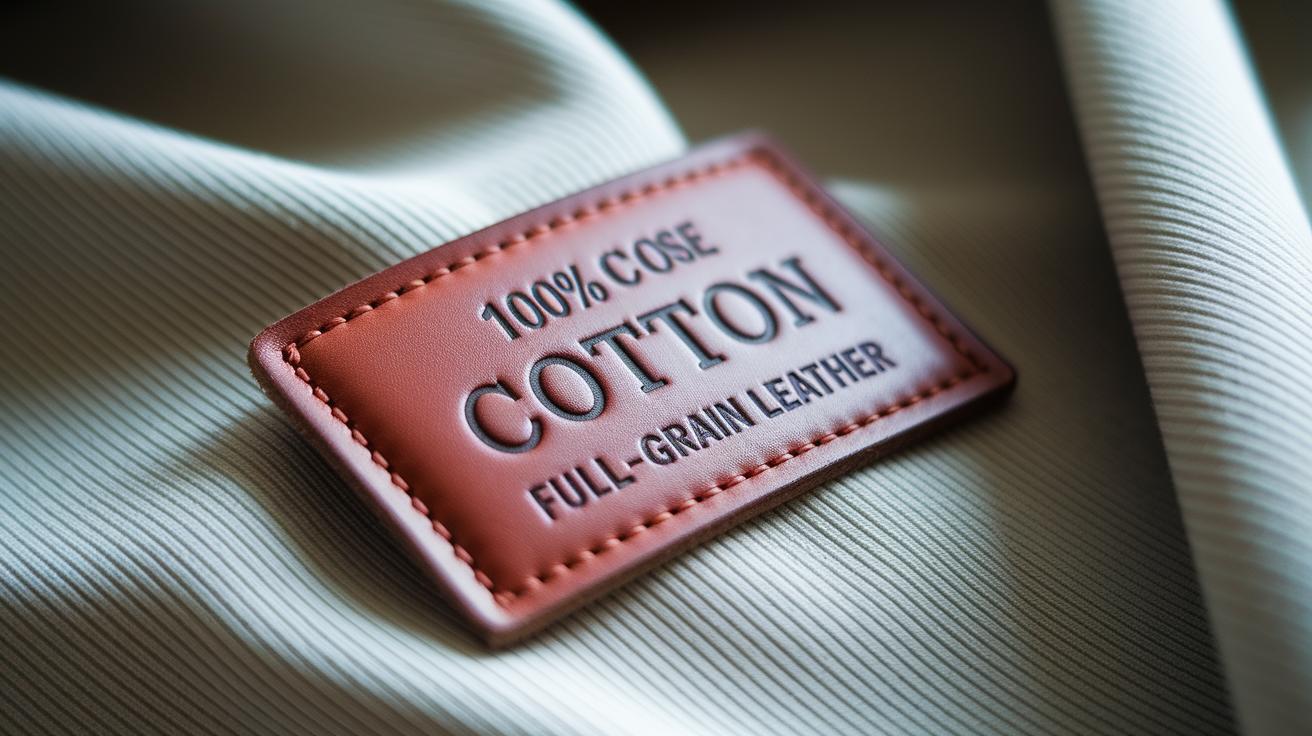
Labels give you a quick peek into a garment's true quality. When you see a tag that says "100% Cotton" or "Full-Grain Leather," it tells you the fabric is real and built to last. When a label uses vague phrases like "Performance Fabric," it usually means the material is a synthetic blend that might not breathe well or feel as good on your skin.
Looking close at the tag can help you avoid surprises later on and ensure you're spending money on something that will stand up to wear and tear.
- Look for clear fabric details like "100% Cotton" or "Full-Grain Leather."
- Check the GSM (grams per square meter, which tells you how heavy and durable the fabric feels) and stitch density for a hint about quality.
- Inspect the seams to be sure they have neat, secure stitching.
- Avoid labels with unclear terms like "Performance Fabric" that may hide synthetic blends.
- Read the care instructions; clear guidance often means the item is made to last.
- Compare prices with the label details, higher costs often mean the materials are stronger and more reliable.
Trusting well-known brands and checking for warranties can also protect your investment. Clear, detailed labels mean you're getting a garment designed to offer lasting strength and style.
Final Words
In the action, we broke down how natural fibers and synthetics stand up over time, explaining each material's durability and their care needs. We highlighted classic choices like cotton, linen, wool, silk, leather, and top-notch synthetics.
The guide showed you clear facts on fabric performance and care tips to cut down on returns and regrets. Our long lasting clothing materials guide is here to help you shop with confidence. Enjoy adding quality pieces to your wardrobe that look and last great over time.
FAQ
Frequently Asked Questions
What are the best long lasting fabrics for clothes?
The best long lasting fabrics for clothes include natural fibers like high-quality cotton, linen, wool, and silk, alongside tough synthetics such as Cordura and Kevlar that are built to resist everyday wear.
What is the most durable fabric for clothing and which materials last the longest?
The most durable fabrics for clothing often feature materials that hold up over time, like leather that improves with age, linen with its long lifespan, and premium synthetics engineered especially for heavy-duty use.
What are the top strongest fabrics and which material is known as the strongest?
The top strongest fabrics are technical materials like Cordura and Kevlar, which offer exceptional tensile strength, while silk is noted as the strongest natural fiber with temperature-regulating benefits.
What does durable fabric mean in the context of clothing?
Durable fabric means a material that is built to last by resisting wear, maintaining its shape, and enduring repeated use and laundering without significant damage.
Which fabric is considered the best clothing fabric overall?
The best clothing fabric balances comfort, ease of care, and strength, making choices like high-quality cotton and linen popular for daily wear while offering reliable performance.
What is the most durable fabric for bags?
The most durable fabric for bags is typically a robust synthetic like Cordura or a well-made leather, both known for their ability to withstand heavy, everyday use without tearing.
What is the 3-3-3 rule for clothing?
The 3-3-3 rule for clothing suggests rotating three similar items and washing them after three wears to maximize their lifespan, although practices can vary based on the garment and care instructions.
What fabrics should you stay away from?
Fabrics to avoid are low-quality synthetics or loosely woven materials that tend to pill or wear quickly, as they usually do not hold up well under frequent wear and washing.
Is a 60% cotton, 40% polyester blend acceptable?
A 60% cotton and 40% polyester blend offers good durability and resistance to shrinkage, though it may not provide the full breathability of 100% cotton garments.