

Ever wonder if your watch is built tough enough for everyday wear? Our guide gets right to the heart of what makes a watch reliable. We explain how metals like stainless steel (a hard, rust-resistant metal), titanium (a light but strong metal), and ceramic keep your watch safe from scratches, rust, and knocks. With clear comparisons and honest details, we show you what to check for in a durable finish. Stick with us to see if your watch truly earns its spot on your wrist.
Material and Build Quality Fundamentals in Watchmaking
Choosing the right material for a watch is key to its long-lasting performance. The case faces everyday wear, so it needs to handle scratches, rust, and knocks with ease. Watchmakers use everything from sturdy stainless steel to luxurious gold, and each material brings its own weight, feel, and finish that can affect durability.
Build quality works hand in hand with material choice. Every step matters, from cutting and machining to the final protective coating. Finishes like PVD (physical vapor deposition, a method that applies a thin protective layer) or DLC (diamond-like coating) help even basic materials resist tough conditions. Checking how long each part lasts and how well the finish holds up is a smart way to compare watches. Whether you pick a sleek titanium or a bright ceramic, good construction means the watch will easily stand up to daily use.
| Material | Key Property | Durability Score |
|---|---|---|
| Steel | Robust and corrosion-resistant | 4 |
| Titanium | Light, hypoallergenic, and strong | 4 |
| Gold | Luxurious with moderate strength | 3 |
| Platinum | Dense with high scratch resistance | 3 |
| Bronze | Distinct patina forming over time | 3 |
| Ceramic | Scratch-resistant and color-stable | 5 |
| Carbon Fiber | High rigidity and lightweight | 4 |
| Sapphire Crystal | Exceptional clarity and hardness | 5 |
If you want to learn more about how each material performs, check out the later sections that explain the construction steps and quality tests.
Stainless Steel Performance and Corrosion Resistance in Watches
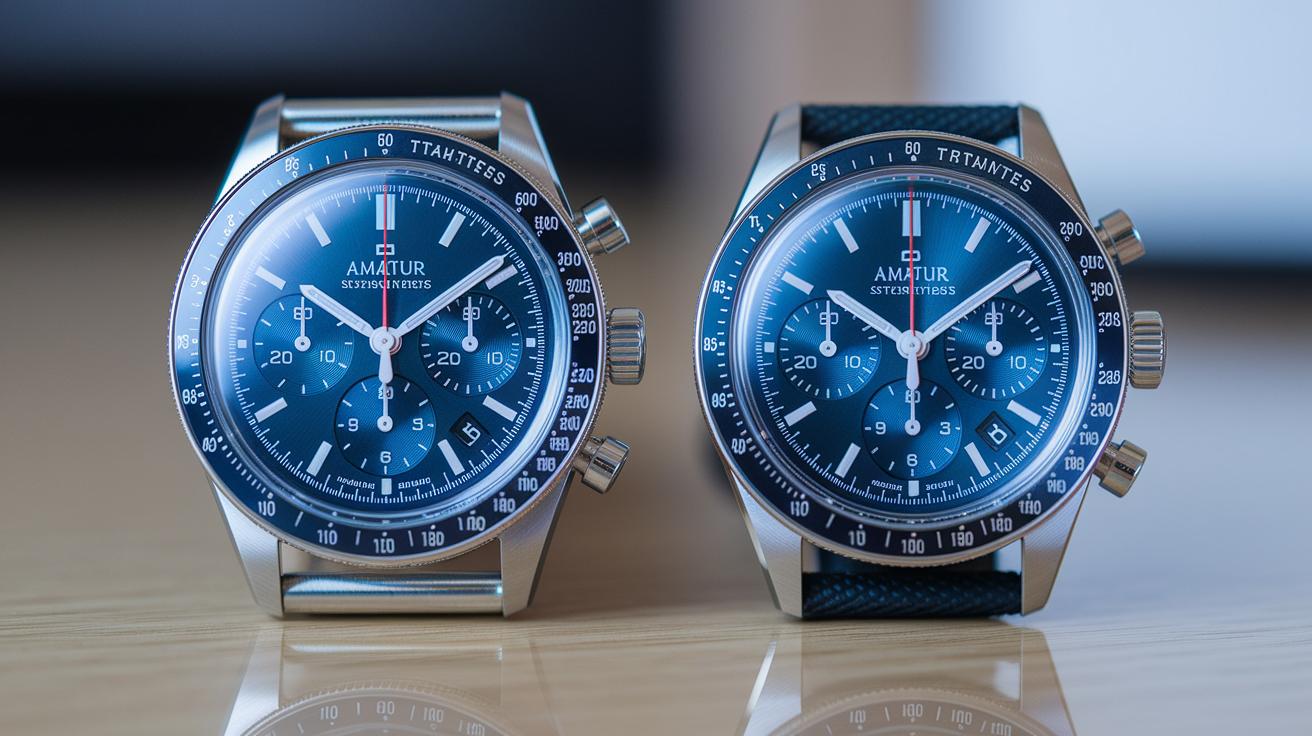
316L and 904L are the types of stainless steel most often used in watch cases. 316L is a solid all-rounder because it is strong, easy to machine, and stands up to rust. In comparison, 904L contains more chromium (a metal that boosts shine and rust resistance), giving it a brighter look and a bit more protection against acidic conditions. Both types form a thin chromium oxide layer that repairs itself if damaged, keeping the watch surface clean.
- Strength: It stays sturdy for daily wear.
- Polish: It holds a bright, neat finish.
- Hygiene: The smooth, non-porous surface helps keep dirt off.
- Cost: 316L offers great value.
- Weight: It has a nice heft that feels reassuring.
That said, stainless steel cases can feel heavy after a long day and show scratches more easily than softer materials. They might not be the best for those looking for an ultra-light or scratch-resistant watch.
| Grade | Chromium % | Hardness | Typical Use |
|---|---|---|---|
| 316L | 16-18% | High | Mid-range and sport |
| 904L | 20-23% | Moderate | Luxury designs |
Titanium and Aluminum’s Lightweight Durability for Watches
Titanium started out as a go-to material in tough tool watches where being light and strong was a must. Its success in rugged designs opened the door for watches that blend high performance with a light feel. Over time, titanium earned a reputation for not rusting easily and being kind to sensitive skin.
Titanium:
Titanium is about 45% lighter than steel while still being very strong. This means watches made with it feel comfy on your wrist all day long. It rarely causes allergic reactions, making it a good choice for people with sensitive skin. Many early tool watches used titanium for its strength and its ease of shaping. It holds up well under pressure and finishes with a clean look that suits both sporty and dressy styles.
7075 Aluminum with DLC:
7075 aluminum, used in aerospace and treated with a DLC (diamond-like carbon, a protective coating) finish, creates an ultra-light and tough material. The DLC boost helps the aluminum fight off corrosion, which is great if you lead an active life or spend time in harsh environments. This smart blend not only performs well but also keeps a sharp look over time.
| Material | Weight vs Steel | Corrosion Resistance | Cost |
|---|---|---|---|
| Titanium | 45% lighter | High | Moderate |
| 7075 Aluminum with DLC | Slightly lighter | Very High | Low |
Ceramic, Composite and Specialty Materials in Watch Cases
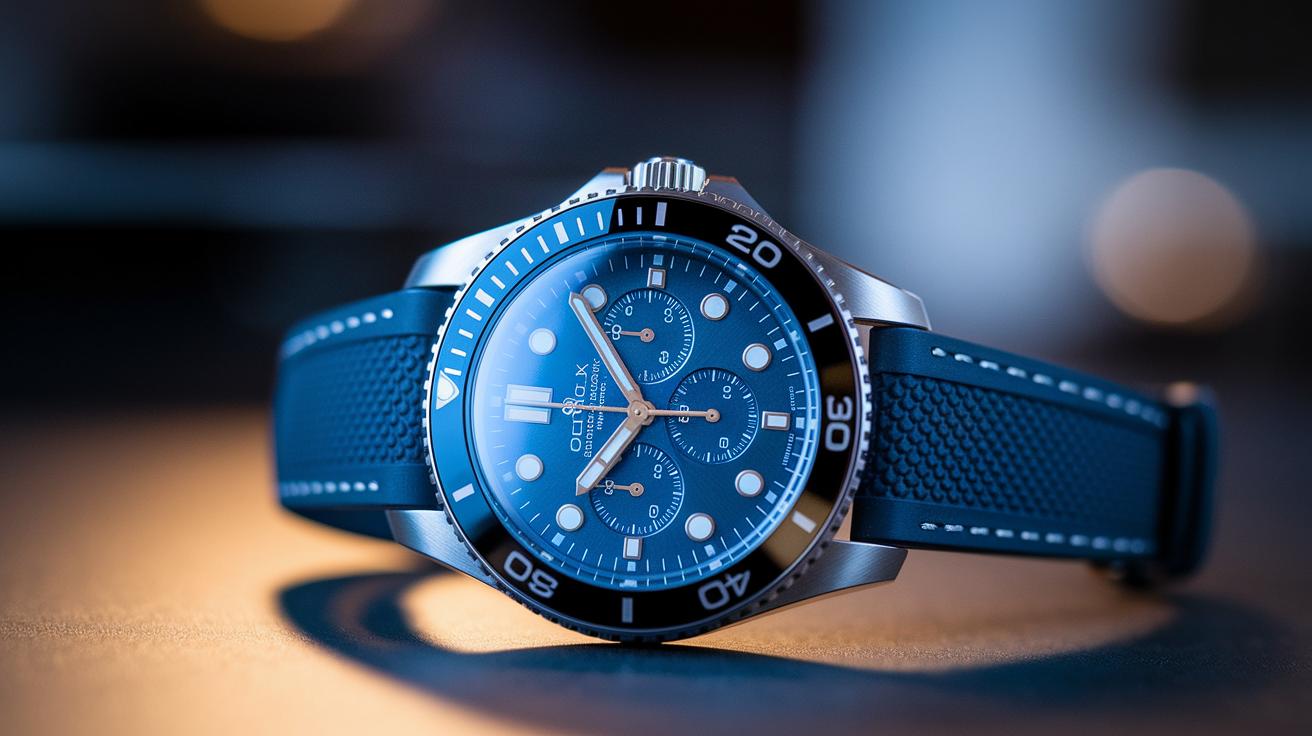
Watch cases made without metal often use smart materials that resist scratches and have a cool look. They also help lower weight and reduce the chance of skin irritation.
- Zirconium-oxide ceramic: Super hard, resistant to scratches, and holds its color well.
- Bioceramic: A mix of ceramic powder with castor oil-based plastic that feels more comfortable.
- Carbon fiber: Offers strong support and gives a modern, sleek look.
- Synthetic sapphire crystal: Keeps the dial safe with clear and tough protection.
- Tantalum: Stands up well to corrosion with a unique bluish-grey finish.
Different materials can work best for different styles of watches. For example, dress watches often use ceramic and sapphire for a refined look. Sport watches do well with carbon fiber and bioceramic because they are light and tough, while luxury models might use tantalum to add durability and a touch of exclusivity.
| Material | Hardness Rating | Key Drawback |
|---|---|---|
| Zirconium-oxide ceramic | Very High | Brittleness under extreme shock |
| Bioceramic | High | Less proven long-term durability |
| Carbon fiber | High | Limited formability and dated look |
| Synthetic sapphire crystal | Exceptional | High production cost |
| Tantalum | Moderate | Heavier and costlier to machine |
Movement Craftsmanship and Assembly Quality in Watches
Good watchmaking starts with every moving part doing its job just right. A well-built mechanical movement works like a team where every gear and spring is perfectly in sync. When you check a watch, you want to see a smooth polish, evenly aligned gears, and tight builds. Even a tiny mistake can mess up long-term accuracy, so quality shows right away.
- Visual finish: Look for even polishing and careful details.
- Beat error: See if the movement keeps a steady rhythm.
- Amplitude: Make sure the balance wheel swings just right.
- Escapement noise: Listen for soft clicks that show precision.
- Gasket fit: Check that seals fit neatly with the case.
- Screw torque: Confirm small parts are tight but not over-squeezed.
- Rotor play: Watch for any extra wiggle in the rotor.
OEM movements are made to a brand's own standards, giving each watch a unique feel. ODM movements, made in bulk, are very consistent and hit high marks for precision.
A top-notch mechanical watch usually only loses or gains a few seconds each day. That little drift shows the care put into building a clockwork masterpiece.
Water Resistance and Durability Testing Protocols for Watches
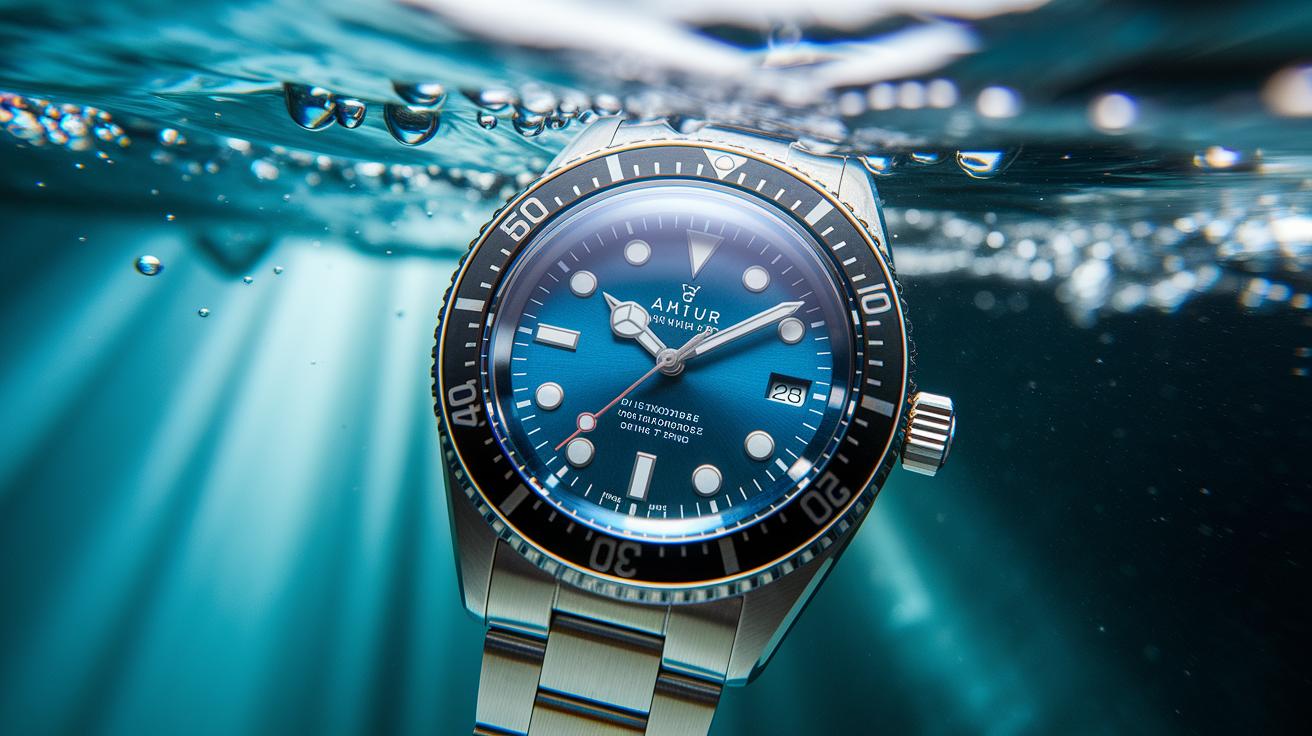
Water resistance tells you how deep a watch can go without water seeping inside. Watches come with ratings like 30 m, 50 m, 100 m, or over 200 m. These numbers show you if the watch is made for a quick splash or for diving deep. They use synthetic gaskets (rubber-like seals) to keep water out of the inner parts.
Before hitting the market, makers put watches through real-life tests. They dunk them at set pressures, use rooms full of humidity, and change temperatures to see if the watch can handle water in different ways. These tests help prove the watch will stay sturdy and work well even when wet.
| Rating | Depth (m/bar) | Test Protocol | Ideal Use |
|---|---|---|---|
| 30 m | 30 m / 3 atm | Light splash and brief immersion | Everyday wear |
| 50 m | 50 m / 5 atm | Immersion tests at moderate pressure | Showering and swimming |
| 100 m | 100 m / 10 atm | Thermal cycling and humidity chambers | Water sports and snorkeling |
| 200 m+ | 200 m+ / 20 atm+ | Extended immersion and high-pressure tests | Professional diving |
It is a smart move to check the synthetic gaskets from time to time and swap them out as the manufacturer suggests, so your watch always stays at its best.
Maintenance Tips to Preserve Watch Material Integrity
Taking good care of your watch will keep it looking fresh and working well. Regular cleaning and gentle checks stop early signs of wear and help your watch stay water resistant.
- Wipe metal cases with a soft microfiber cloth to clear off smudges without scratching.
- Skip harsh cleaners on PVD/DLC finishes (a special coating) to keep their protective layer intact.
- Treat leather straps with conditioner often to avoid cracking and keep them soft.
- Clean rubber straps using mild soap and water to protect against sun damage and fading.
- Do simple pressure tests now and then to be sure water resistance remains strong.
- Store your watch in a dry, steady spot to reduce moisture damage.
- Bring your watch to a professional for servicing every so often to fix internal wear.
- Regularly look over gaskets and seals for any signs of discoloration or looseness. For more ideas, check out Affordable Watch Reviews for models built to last.
Keep an eye out for small changes, like a bit of discoloration or a soft spot in the strap, and run a pressure test to catch any leaks early. This simple routine helps maintain both the style and performance of your watch.
Selecting Watches Based on Material and Build Quality Criteria
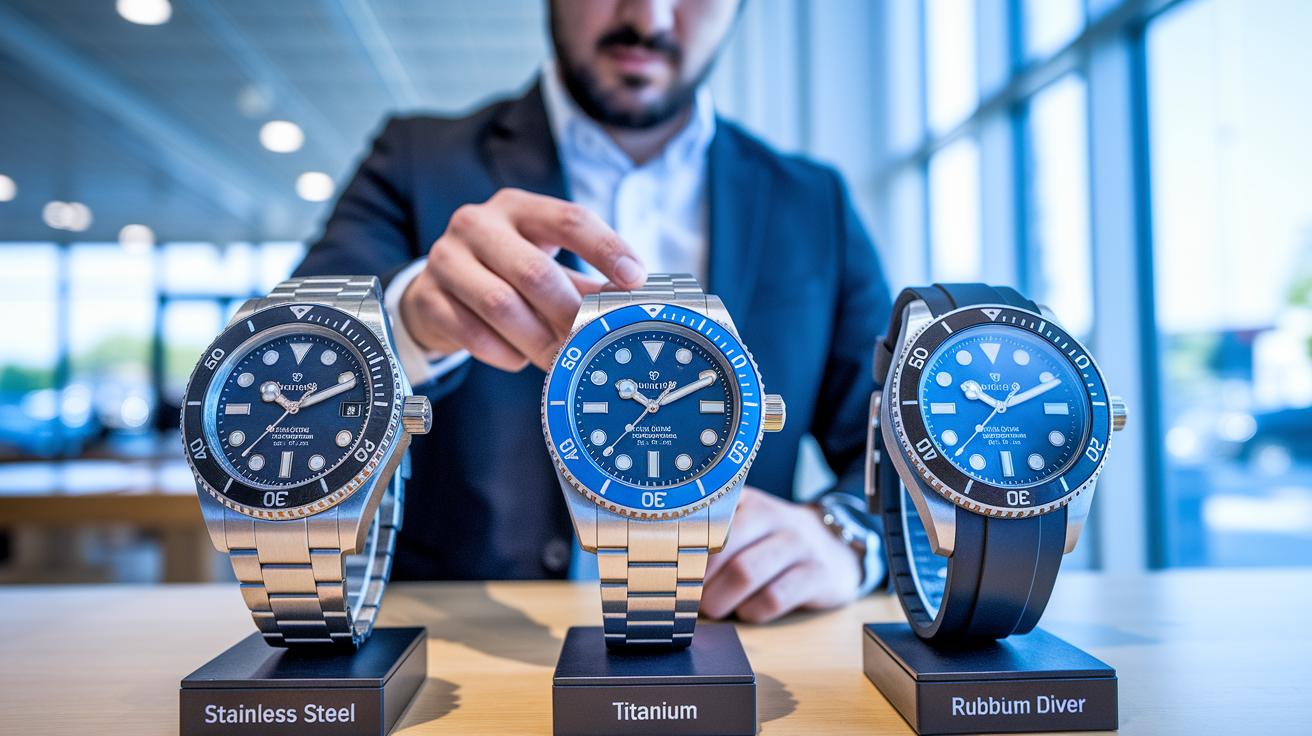
Your daily routine plays a big role in picking the right watch material. If you mainly work in formal settings, a polished stainless steel watch or one made with precious metals gives you a neat and durable look. For those who dive or spend time in harsh conditions, materials like stainless steel or titanium are a smart pick since they hold up well in water. And if you lead an active lifestyle, a watch with a lightweight titanium case and rubber straps can handle shocks and stay comfy, all while keeping the price in check.
It helps to balance the materials with how long the watch will last and how much you are willing to spend. People on a tight budget will find many watches that offer a good mix of cost and endurance. Consider whether you need a watch for dress events, diving, sports, casual wear, or a luxury statement. This lets you compare upkeep, durability, and price side by side.
| Use Case | Recommended Material | Durability Rating | Approx. Price Range | Maintenance Level |
|---|---|---|---|---|
| Dress | Polished Stainless Steel / Precious Metals | 4 | Mid-High | Medium |
| Dive | Stainless Steel / Titanium | 5 | Mid | High |
| Sport | Titanium / Rubber Strap | 5 | Affordable | Low |
| Casual | Stainless Steel / Titanium | 4 | Budget-Friendly | Medium |
| Luxury | Platinum / High-end Ceramics | 4 | Premium | High |
Before you buy, ask yourself a few quick questions: Do you need a watch that is very low maintenance for everyday wear? Does your lifestyle call for strong water or scratch resistance? And are you ready to put in a little extra care for a high-end material that upgrades your style?
Final Words
In the action, we explored key watch materials and their crafting techniques. We broke down stainless steel, titanium, ceramics, and more to show what drives durability and style. We even covered water resistance tests, movement detailing, and maintenance tips that protect your timepiece.
This guide serves as a material and build quality guide for watches that helps you choose with confidence. Every detail, from case composition to aftercare, plays a part in your watch's long-lasting performance. Enjoy building a wardrobe of quality timepieces!