

Quick Overview
Ever notice your suit just doesn't seem right? When your numbers are off, the suit can feel awkward and uncomfortable all day.
Why This Guide Helps
We explain how to measure your chest, waist, hips, and more using a simple tape measure. It is easy and clear so you can record your numbers correctly.
How to Get the Right Measurements
• Use a basic tape measure and follow these simple steps.
• Measure your chest, waist, hips, and other key points carefully.
• Make sure you note each number accurately so the suit fits well and allows you to move freely.
Final Thoughts
Follow these steps to say goodbye to awkward fits and hello to a suit that feels custom-made for you.
Achieving the Ideal Men’s Suit Fit: A Complete Sizing Guide
Getting your measurements right is the first step to a suit that feels both comfortable and made just for you. When you know your numbers, you avoid that odd mix where one part feels too tight while another feels loose. Plus, having the exact figures helps you plan any tweaks a tailor might need to do later. Use a soft, flexible tape measure and jot down each number carefully, you’ll use these for the suit sizing charts. In simple terms, when a suit is based on clear numbers, it not only fits better but also feels more natural as you move through your day.
- Chest – Wrap the tape around the fullest part of your chest. Keep it snug but not tight.
- Waist – Measure around your natural waist, where your body bends.
- Hips – Find the widest part of your hips and ensure the tape stays level all the way around.
- Shoulder Width – Measure straight across from one shoulder point to the other while you’re relaxed.
- Sleeve Length – Start at the top of your shoulder, go over your elbow, and extend to your wrist.
- Inseam – Measure from the crotch to where you want your pant leg to end, making sure you have enough room to move.
After you’ve got these numbers, check them against the suit sizing charts from the brand. If you’re caught between sizes, it’s best to go with the larger one and have a tailor adjust it for a sharper, more personalized fit.
Body Dimensions for Suit Fit: Step-by-Step Measurement Techniques

Before you start, grab a flexible tape, wear a fitted shirt, and have a mirror nearby. Stand straight with your back gently touching a wall and take a few deep breaths to relax. These simple tips help you get the most accurate measurements:
- Stand straight with your back against a wall.
- Wear a fitted shirt.
- Use a mirror to keep the tape level.
- Breathe deeply to relax your muscles.
Chest Measurement
Wrap the tape around the fullest part of your chest, just below your armpits. Keep the tape snug, flat, and level. This step is key to ensuring your jacket fits well.
Waist Measurement
Measure around your natural waist, which is the narrow part of your torso. Breathe normally and relax your stomach. This check makes sure your trousers sit comfortably.
Hip Measurement
Find the widest part of your hips, usually a few inches below your waist. Wrap the tape evenly around, and use your mirror to confirm it is level. This helps guide you in choosing trousers that won't have too much extra fabric.
Shoulder-to-Shoulder Width
With a relaxed stance, measure straight across from the edge of one shoulder to the other. Keep the tape firm but not tight. This measurement affects how your jacket fits and how easily your arms can move.
Sleeve Length
Start at the top of your shoulder and run the tape over your elbow to your wrist. Try to follow your arm's natural curve by checking in the mirror. This ensures your sleeves are just the right length.
Inseam
For the trousers, measure from the crotch along the inner leg to the length you want your hem. Standing straight gives you the best result. A proper inseam makes sure your pants move with you.
Write down every measurement and check your stance again before you finish. Getting these numbers right is the first step to a suit that fits perfectly.
Jacket Measurement Instructions: Chest, Shoulders, and Sleeve Fitting
First, take a soft measuring tape and wrap it around the fullest part of your chest. Let the tape sit lightly, much like a gentle hug, so your jacket will feel balanced and allow free movement.
Next, check your shoulder width by measuring across the upper back. Use a mirror to help keep the tape straight along your natural shoulder line. This simple step ensures your jacket won’t pull or feel too tight.
Finally, measure your sleeve length by starting at the top of your shoulder and running the tape down to your wrist with your arm relaxed at your side. Make sure the tape follows the curve of your arm so that the sleeves aren’t too short or too long.
Pants Fitting Guidelines: Waist, Inseam, and Seat Measurements
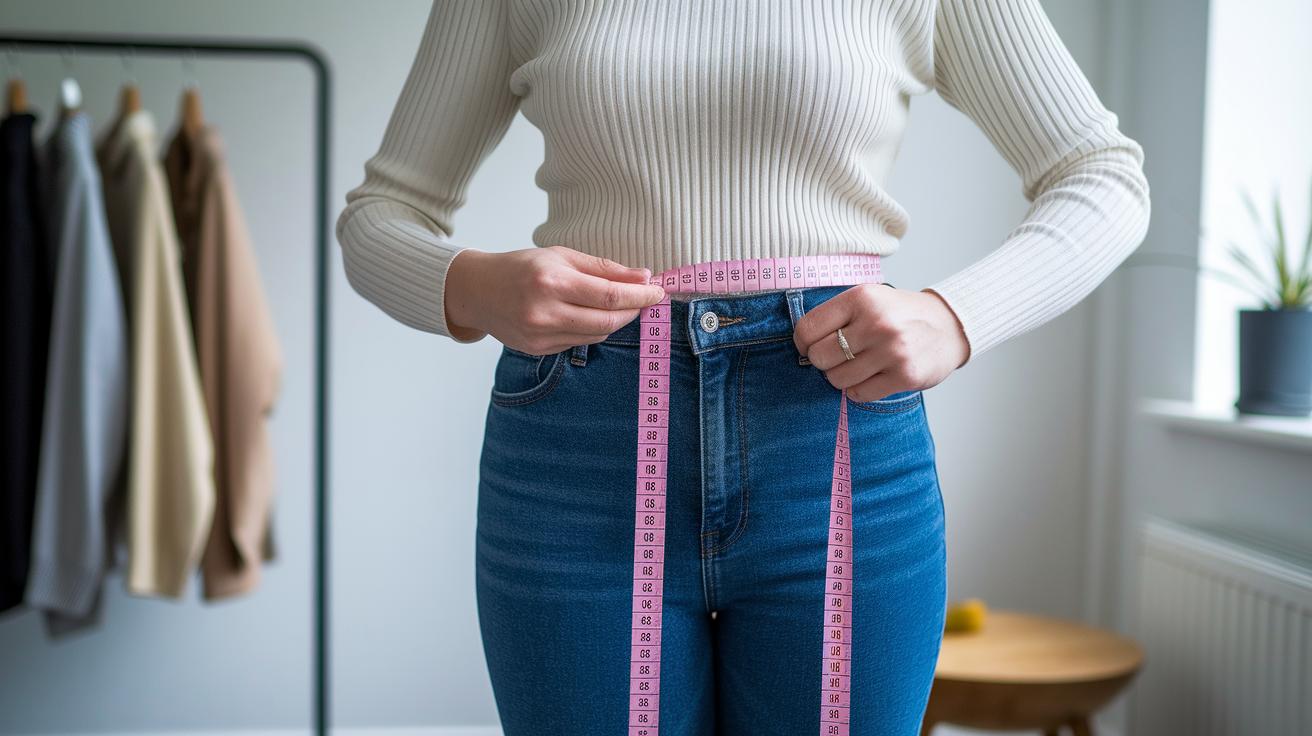
For your waist, check out our waist guide first. Wrap a soft, flexible tape around your natural waist (the narrowest part of your torso) while standing straight with your feet together. This helps your trousers sit just right.
For the inseam, follow our inseam instructions. Begin at the crotch seam and extend the tape down to where you want your hem. This measurement shows how the trousers will drape as you move.
For the hips, see our hip measurement section. Wrap the tape around the fullest part of your hips and add about one extra inch for ease and comfort. This extra space makes sure your trousers move with you without feeling too tight.
Men’s Suit Dimension Chart: US, UK, and EU Conversion Guide
This chart makes it simple to compare suit sizes across the US, UK, and EU. Each size is matched with specific chest and waist measurements so you know what to expect. If you prefer a looser fit for a dress shirt or extra layering, consider sizing up and checking with a tailor for the best fit.
| Region | US Size | UK Size | EU Size | Chest (in) | Waist (in) |
|---|---|---|---|---|---|
| Standard | 36 | 36 | 46 | 36 | 30 |
| Standard | 38 | 38 | 48 | 38 | 32 |
| Standard | 40 | 40 | 50 | 40 | 34 |
| Standard | 42 | 42 | 52 | 42 | 36 |
| Standard | 44 | 44 | 54 | 44 | 38 |
Use this guide to match the suit size to your own body measurements. It’s a strong starting point for comparing sizes in different regions. If you need extra space for an undershirt or prefer a roomier feel, try a larger size for comfort.
International Tailoring Standards: European, UK, and Japan Conversions

When you shop for a suit from another region, you'll notice that sizes differ by country. UK, European, and Japanese brands each have their own way of measuring. Knowing these differences can help you pick a suit that fits properly without extra hassle.
UK sizes use numbers like US sizes but with a slight twist. They follow strict tailoring rules and have a more fitted style. For example, a UK size 40 might feel a bit more shaped compared to its US version.
In Europe and Italy, suits are sized in centimeters. They use your chest, waist, and shoulder measurements (in centimeters) to get an exact fit. Many find this method clearer since it takes precise measurements for a more personal fit.
Japanese suits mix letters with numbers. This method often works better if you have a lean upper body, as it accounts for a smaller frame and narrower shoulders. Checking these details can save you from a suit that doesn't fit right.
Always look at the brand's conversion charts and measurement guides to make sure your suit fits just right.
Tailoring Recommendations: Achieving the Perfect Custom Fit
A skilled tailor can change a suit from off-the-rack to something that feels like it was made just for you. When a suit fits well, it moves with your body and brings out a flattering silhouette. Working with an experienced tailor means every detail is adjusted so the suit hugs your frame in all the right places.
Common adjustments include taking in side seams to slim the look, shortening sleeves so they hit just right, and hemming trousers for a smooth drop. A tailor can also taper the waist and adjust the shoulder pads to better align with your natural shape. These simple tweaks make a big difference, turning a standard suit into one that looks custom-made and feels comfortable all day.
When picking a tailor, look for someone with a solid reputation and plenty of experience in suit alterations. Most good tailors need anywhere from a few days to a couple of weeks to finish the work, depending on the changes you want. Costs can vary, so expect to pay a fair price that matches the quality of the craftsmanship and the personalized service they offer. We suggest asking friends or checking reviews to find a tailor you can trust to give your suit that nearly bespoke fit.
Digital Tools and Calculators: Online Solutions for Men’s Suit Measurements

Digital tools take the guesswork out of getting your suit measurements right. They use simple, guided steps to help you record your body stats quickly and accurately.
SuitMeasure Pro makes it easy by using your smartphone camera to snap your measurements. With clear prompts, you capture your chest, waist, and shoulder sizes without any fuss.
FitWizard Online listens to your body's movement, adjusting for how you stand or pose. Its real-time feedback gives you the same accurate numbers each time.
TailorCalc blends easy-to-follow visual aids with number inputs so you can get detailed advice on the best suit size for you.
SmartSize runs speedy conversions to match your measurements with standard suit size charts, whether you're dressing up or keeping it casual.
Always double-check digital results with manual measurements or see a professional tailor to confirm your perfect fit.
Final Words
In the action, we broke down exactly what you need to know. We explored step-by-step measurements, conversion charts, and digital tools to guide you in choosing the right size. We covered essential points like chest, waist, hips, and inseam, ensuring you can convert these numbers into the best suit size.
Our men's suit sizing guide sums up precise tips for a better fit and reduced returns. Enjoy the process of finding that ideal fit and feel confident in your next purchase.
FAQ
Q: What is a suit size calculator?
A: The suit size calculator is a tool that estimates your ideal suit measurements using factors like height and weight, helping you choose the right size quickly and confidently.
Q: How do I use a suit size chart?
A: The suit size chart displays key measurements for jackets and pants, so you can match your chest, waist, and hip measurements with the corresponding size, such as a 42 Regular.
Q: What is the difference between 42R and 42S?
A: The labels 42R and 42S indicate variations in jacket length; 42R means a regular fit while 42S indicates a slightly shorter fit, affecting how the jacket falls on your body.
Q: How do I determine my suit size for men?
A: Determining your suit size involves taking accurate measurements of your chest, waist, and hips, and then using a suit size chart to find the correct jacket and pant sizes that suit your build.
Q: How do European suit sizes convert to US sizes?
A: European suit sizes use a different measurement system, so conversion charts are used to match these numbers to US sizes, ensuring you select the proper size when shopping internationally.
Q: What does the term “42 Regular” mean in men’s suits?
A: The term 42 Regular indicates a suit intended for a chest measurement of 42 inches with standard jacket length, offering a proportional fit commonly found in traditional sizing guides.