

Quick Verdict: Shiny accessories can be tricky. They may look eye-catching, but that sparkle can hide weak materials.
Why This Matters: When you shop online, a piece's pretty look might cover up a low-quality build. The materials and craft might not match the style you see in pictures.
How to Spot Real Quality:
• Compare prices since a very low price could mean lower-grade fabric or metal.
• Read reviews to learn how the accessory holds up over time.
• Look for hints in the details, like well-finished edges and solid construction.
Tip for Shoppers: Don't trust a flashy finish alone. Dig a little deeper to find accessories that are built to last.
Step-by-Step Framework in the Online Guide to Evaluating Accessory Quality
Start by gathering all the details about the accessories you are eyeing. Group similar items together to keep them safe from tangles or damage. Check online reviews from trusted sources like Blue Nile to see what others say about quality and reliability. This early research helps you get a clear picture of how long the accessory might last and how well it is designed before you invest more time or money.
Next, compare prices across different websites. Look for sales, coupons, or any chance to get a better deal. This step can show you if an item is overpriced or if a lower price might hint at lower quality. Be sure to read the seller's description and customer feedback closely to confirm that the product details are accurate and that the store has a good reputation.
Finally, use a clear set of criteria to check the accessory. Look at what the item is made of, how well it is put together, its design features, and any red flags. For instance, uniform stone settings, smooth surfaces, and the right hallmark stamps are good signs. But if the stones are crooked or the metal feels fuzzy, it may not be built well. For more tips and detailed tests on gemstone quality and durability, visit the Insider’s Guide to Evaluating Accessory Quality.
Material and Craftsmanship Indicators for Accessory Quality Assessment Online
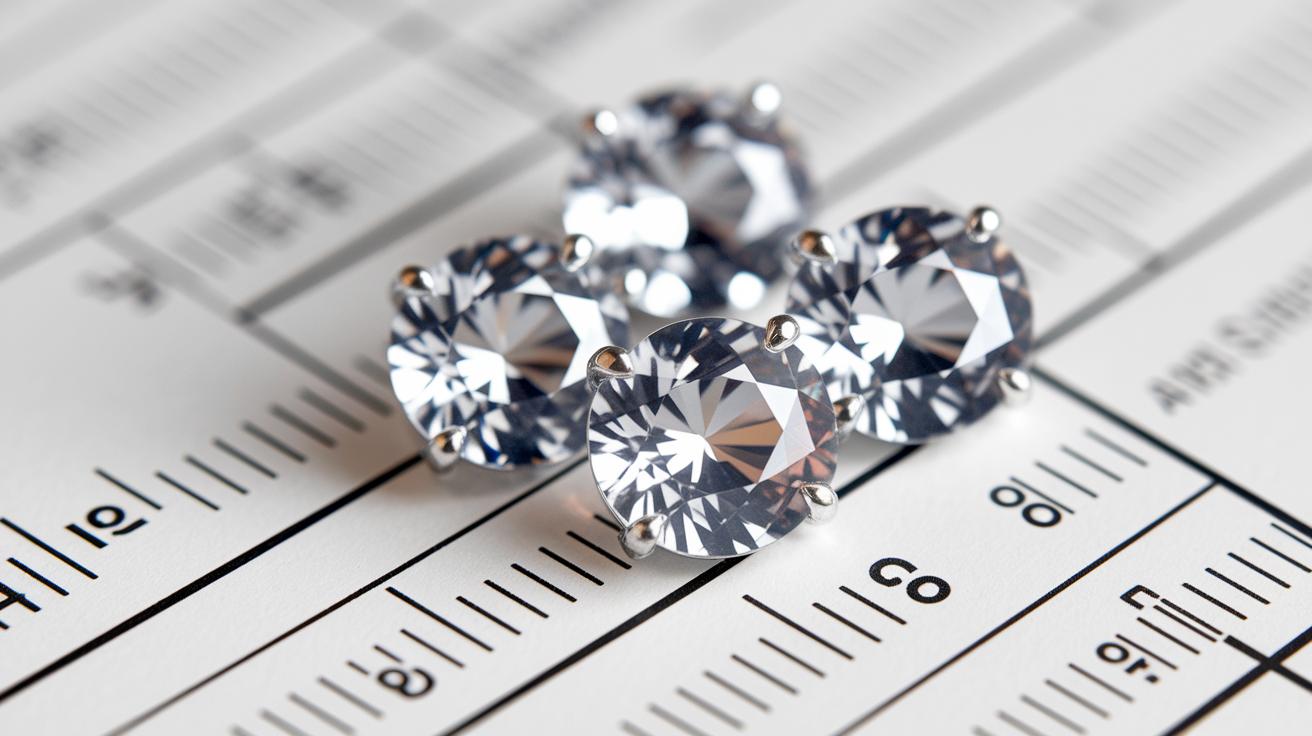
When shopping for accessories online, start by looking at the materials that show quality. For example, the 4 Cs: cut, color, clarity, and carat weight help you judge diamonds and sapphires (carat weight means the weight of the gemstone). These markers let you know if the stone is well-made and if its sparkle will last. If the item description includes exact measurements, you can feel more confident that the piece will match your style. A clear photo of the gemstone on a plain background also makes these details easier to see.
Quality craftsmanship is important too. Look for even stone settings and smooth metal finishes that show careful construction. Hallmarks like "925" for sterling silver or "750" for 18K gold prove that the accessory meets proper standards. Close-up images online that show these details give you peace of mind that the accessory will be both stylish and durable for everyday wear.
Design Features and Performance Checks in the Online Evaluation of Accessories
When shopping for accessories online, keep it simple and practical. Look for items that work for both day and night. For example, a watch with leather and metal straps makes it easy to switch from a formal event to a casual meet-up. Also, match the accessory to your wardrobe. If most of your clothes are neutral, pick pieces with soft, subtle colors. If you like bold prints, choose a standout design that ties your look together. Clear photos and detailed descriptions make it easier to decide before you buy.
Then, check out the practical details:
- Clasp strength: A firm clasp is key for daily wear.
- Adjustable parts: These help the accessory fit just right over time.
Good photos that show how parts line up and work, like a bracelet hinge that moves smoothly, give you extra confidence. This way, you can trust that the piece will not only look good but also last through everyday use.
Identifying Red Flags and Verifying Seller Credibility in Accessory Quality Appraisals

When shopping online for accessories, keep an eye out for warning signs. If a seller offers an item at a very low price or writes a description that is vague about the materials, it might be a sign that the quality is not up to par. Look for hints such as stones that seem glued on, uneven seams, or finishes that feel rough. If the photos are few, blurry, or missing a way to judge scale (like a common object for reference), that’s another red flag that something might be off.
It is important to check the seller’s credibility before buying. Look at the seller’s ratings, read their return policy, and see if there are any documents proving that the item is authentic. Customer reviews can be very helpful, as they often mention issues with poor finishes or descriptions that don’t match the product. Multiple high-resolution images from different angles help you see small details and get a true sense of the accessory. When photos include a scale reference, you can better judge the size and proportions of the item. Taking these steps can help you avoid surprises, ensuring that you end up with accessories that look good and last.
Maximizing Value Through Price Comparison and Vintage Accessory Investments
When you shop online for accessories, it helps to look at several websites to compare prices. Check for sales, coupons, and special offers that lower the cost. Reading detailed product descriptions and looking at clear photos lets you see if the quality is really there. This simple step helps you avoid overspending on items that seem good at first glance.
Vintage accessories bring a special vibe to your collection while promising lasting value. Pieces like a classic Rolex watch not only add style but might also grow in value. When shopping vintage, use clear photos to spot any wear-and-tear and make sure the seller gives honest details about the item’s condition.
Wise buyers mix price comparison with a close look at vintage quality before buying. Use online tools to track prices and trends, and don’t be shy to ask the seller for extra details about care or authenticity. This careful approach not only upgrades your style but can turn your finds into family heirlooms.
Actionable Online Checklist for Evaluating Accessory Quality

Use this quick list to check the quality of an accessory before you buy. It covers the main points like hallmark checks, material, craftsmanship, design, seller trust, pricing, and return policy.
• Check for hallmark stamps (see our detailed hallmark section for help).
• Read the product description to be sure the material is genuine.
• Look closely at the workmanship. Make sure the settings are even and the finish is smooth.
• Consider the design details and how the item will match your wardrobe.
• Review seller ratings and customer feedback to judge their trustworthiness.
• Compare the price to similar items in the market.
• Verify the return policy so you know your options in case it doesn’t work out.
This guide is a brief roadmap that connects you to deeper sections with more details on each point.
Final Words
In the action, this article walked through a clear framework for testing accessory quality. It showed how to sort pieces, check craftsmanship, spot red flags, and compare prices. We broke down sections on materials, design details, seller credibility, and even vintage investments to help cut down on returns. This practical online guide to evaluating accessory quality gives you the tools to shop smart and find accessories that fit your style and last through everyday wear.
FAQ
What factors should you think about when choosing accessories?
Choosing accessories means checking material quality, workmanship, design, durability, seller reputation, and price. Evaluate reviews, red flags like poor finishes, and overall functionality to decide if an item fits your needs.
How can accessories be defined and what are five common examples?
Describing accessories means seeing them as items that complement an outfit. Common examples include belts, scarves, hats, jewelry, and bags that add style and offer functional benefits.