

Quick Verdict
No more guessing if your clothes will fit. Our chart spells out every measurement so you know exactly what to expect.
Why We Tried It
If you've ever been frustrated by clothes that just don't match your shape, this chart is for you. It breaks down bust, waist, and hip sizes in clear numbers for US sizes 14W to 32W. We even added UK and EU conversions so you can shop anywhere with confidence.
Tester Details
Simply put: check your usual size, match the numbers, and skip the surprises.
Key Features
• Lists bust, waist, and hip measurements clearly
• Shows both inches and centimeters for easy reading
• Offers US, UK, and EU sizes
How It Works
Look at your favorite outfit's size. Compare it to the chart and decide if you need to size up, down, or stick with your regular size. It works for shopping online or checking sizes in the store.
Final Note
Say goodbye to the hassle of guessing. With this guide, you can enjoy a more accurate fit every time.
Comprehensive Measurement Overview with Regional Size Conversions
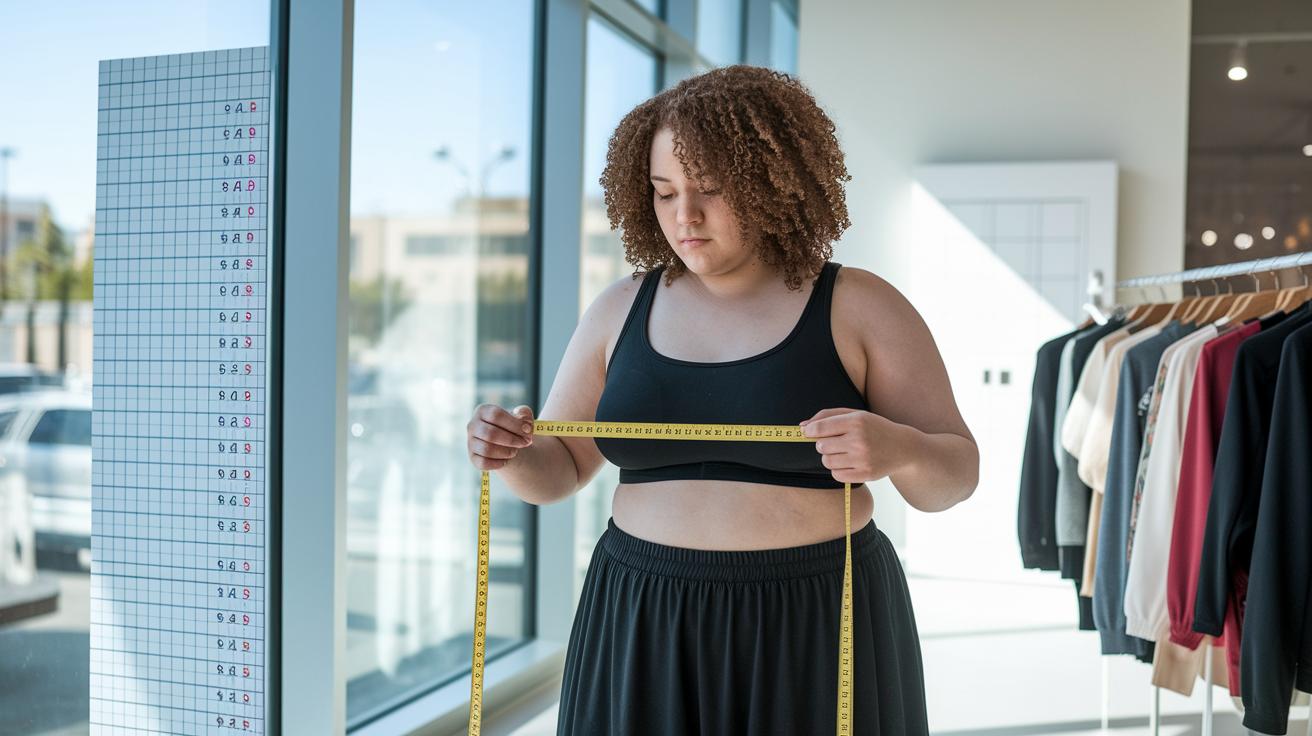
Looking for a perfect fit? Our plus size chart makes it easy to find the right size. We list bust, waist, and hip measurements in both inches and centimeters for US sizes 14W to 32W. The guide also shows matching UK sizes (18 to 34) and EU sizes (46 to 62). We measure the bust at its fullest point for a relaxed drape, while the waist and hips help give a balanced look. With both metric and imperial figures, you can shop online or in-store without guessing. Plus, it helps you see style differences, like how some boot cut designs might run roomier.
| US Size | Bust (in/cm) | Waist (in/cm) | Hip (in/cm) | UK Size | EU Size |
|---|---|---|---|---|---|
| 14W | 40/102 | 33/84 | 43/109 | 18 | 46 |
| 16W | 41/104 | 34/86 | 44/112 | 20 | 48 |
| 18W | 42/107 | 35/89 | 45/114 | 22 | 50 |
| 20W | 43/109 | 36/91 | 46/117 | 24 | 52 |
| 22W | 44/112 | 37/94 | 47/119 | 26 | 54 |
| 24W | 45/114 | 38/97 | 48/122 | 28 | 56 |
| 26W | 46/117 | 39/99 | 49/124 | 30 | 58 |
| 28W | 47/119 | 40/102 | 50/127 | 32 | 60 |
| 30W | 48/122 | 41/104 | 51/129 | 34 | 62 |
| 32W | 50/127 | 43/109 | 53/135 | 34 | 62 |
Keep in mind that styles and fabrics can affect measurements. For example, a boot cut design might feel larger in the thigh area. Use this guide with your favorite brand's sizing tips to get a well-suited fit.
Step-by-Step Plus Size Measurement Guide for Accurate Fit
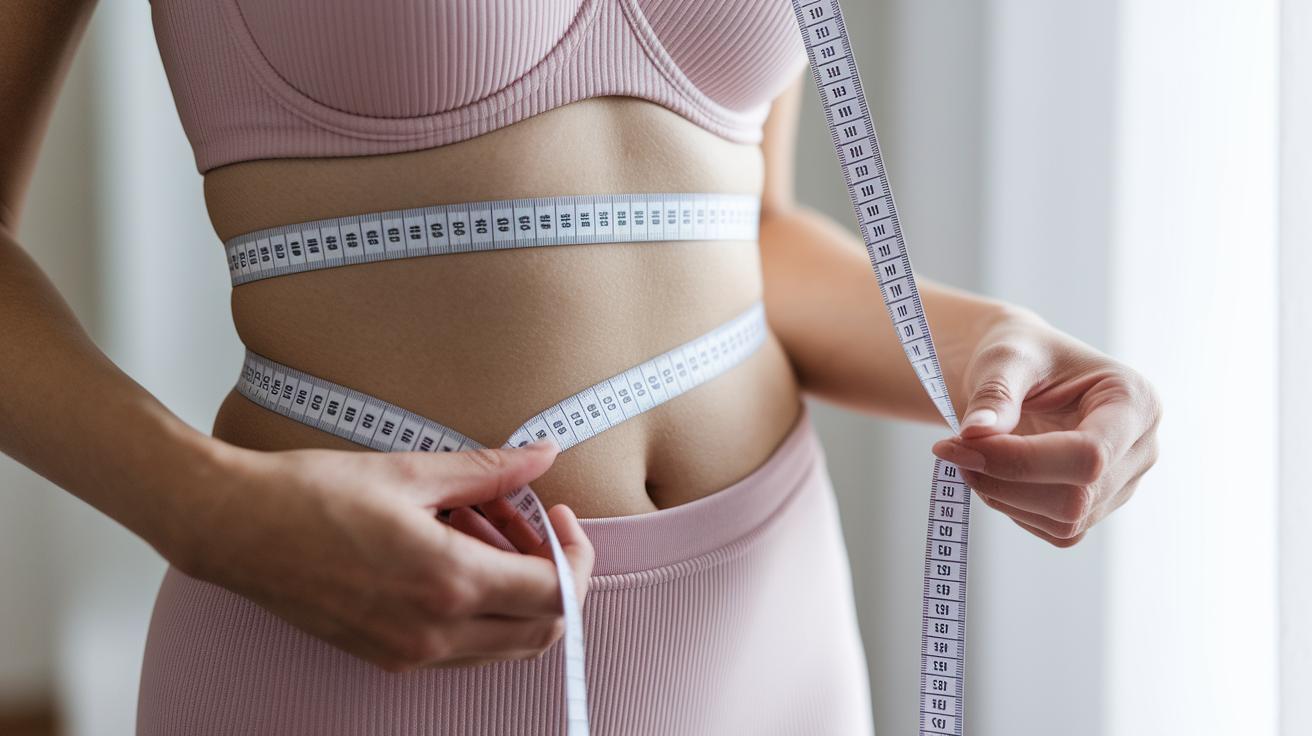
Begin with your bust. Wrap a flexible tape around the fullest part, keeping it snug but not too tight so it lies flat against your skin. Think of placing the tape right above your bust to follow its natural shape.
Next, move to your waist. Find the natural crease where your torso bends and wrap the tape around there. Stand up straight and breathe normally so you don't pull the tape too tight. This measurement gives you a good base for choosing tops and dresses.
Then, measure your hips at their widest point. Hold the tape level with the floor for the most accurate reading. Use gentle pressure so you don’t compress your curves. This method works much like checking the difference between a boot cut and a slim-leg look.
• Use a flexible tape and make sure it stays even along your curves.
• Stand still and breathe naturally as you take each measurement.
• Match your numbers to the size chart, keeping in mind that different styles can fit differently.
plus size chart: Enjoy Your Perfect Fit
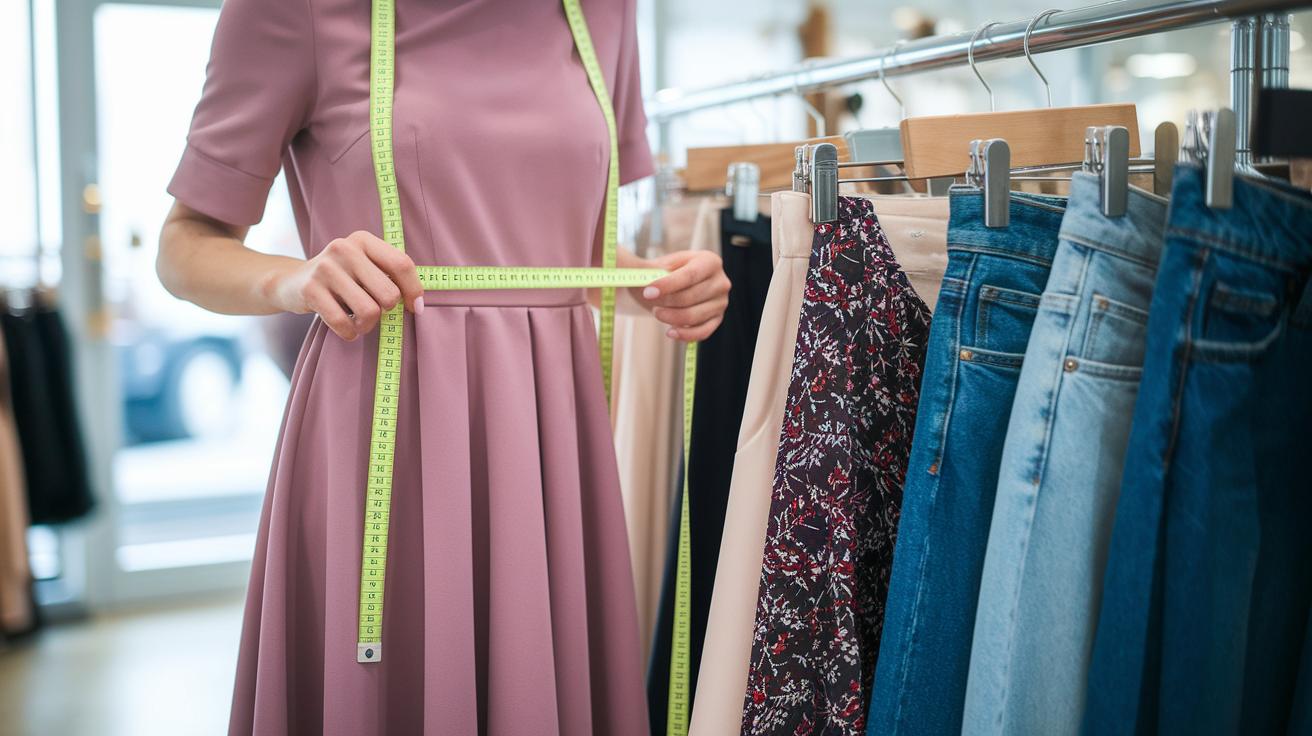
When you're shopping for dresses, jeans, or skirts, knowing your measurements can make all the difference. It helps you pick pieces that truly work with your body. Start by adjusting your numbers based on each type of garment.
• For dresses, match your bust and waist. If you like a more fitted look, add 1-2 inches to give a bit more room. This makes the dress gently hug your curves.
• For jeans, focus on your waist and hip sizes. Remember that jeans usually have a bit of stretch and a specific rise, so think about how these details work with your natural shape.
• For skirts, check your waist-to-hip ratio. Look at the cut and length of the skirt too; these factors decide if the style flatters your shape or adds extra volume.
• When choosing slim-leg or boot cut styles, pay attention to what others are saying. A common tip is to try a 1X if your bust is under 40 inches, and keep an eye on the thigh width in boot cuts to avoid a baggy look.
• And don’t forget about the fabric. Some materials stretch more or hold their shape in a different way, so consider the fabric’s feel and behavior when you’re measuring.
These simple tips will help you adjust your chart for any garment. Dresses need a focus on the upper body, while jeans should work with their stretch to comfortably hug your waist and hips. Skirts depend on balanced proportions to flatter your overall figure. Using these ideas, you can score a fit that not only looks great but also boosts your comfort and confidence.
Troubleshooting Common Plus Size Fit Challenges and Solutions
Sizing charts for plus size clothes can be really confusing. Often, one piece may seem larger while another feels small even if they are the same size. For instance, a boot cut style might feel roomier around the thighs, while a slim-leg pair fits tighter. This mix-up can leave you wondering whether to choose 0X or 1X, especially when some designs are meant to be loose. These issues happen because different styles and fabrics behave differently on the body.
Sometimes, the measurement chart doesn't match how a garment really fits. A top may look great while its bottom feels too baggy or too tight. Reading reviews and checking details like rise (the distance from the waist to the crotch) and thigh width can clear up the confusion. Knowing these details can save a lot of time and frustration when you're shopping.
- Measure your body and the garment with a soft tape measure for the best results.
- Look at style-specific details like rise, thigh width, and how much the fabric stretches.
- If reviews say the item runs large, consider going one size up; if it runs small, size down.
- Read customer reviews to see how the fit works in real life.
- Check the return policy in case the size doesn't work out for you.
Review the garment details and construction notes before you order. Spending a little time comparing your measurements with the chart helps you pick the right size, cutting down on guesswork and boosting your confidence in your purchase.
Final Words
In the action, our guide broke down bust, waist, and hip measurements across US, UK, and EU sizes to help you nail the fit. We walked through clear steps for accurate measuring and shared specific tips for dresses, jeans, and skirts. We also tackled common fit issues and sizing quirks so you can shop smarter.
Check the updated plus size chart for precise details. Enjoy shopping with confidence and find pieces that truly feel right!
FAQ
What is a plus size chart?
A plus size chart is a reference tool that lists bust, waist, and hip measurements alongside US, UK, and EU conversions. It helps you quickly match your body measurements to the best fit.
How do plus size charts differ for women and men?
Plus size charts for women highlight bust, waist, and hip dimensions while charts for men focus on chest and waist. They convert measurements to regional sizes to guide the right selection.
Do plus size charts show measurements in centimeters?
Plus size charts often include measurements in centimeters (cm) as well as inches. This dual listing lets you compare your dimensions accurately no matter which unit you use.
What does size 22 or 24 represent?
Size 22 or 24 usually refers to extended plus sizes in women’s charts that offer larger bust, waist, and hip measurements. These sizes are designed for fuller figures and can vary by brand.
What size is 2X equivalent to?
A 2X size typically corresponds to a plus size with extra room in the bust, waist, and hips compared to standard sizing. Checking each brand’s chart is best for precise measurements.
What size does a 350-pound woman typically wear?
A 350-pound woman may fall into a higher plus size range, but the ideal size depends on individual measurements. Using a detailed chart is key to finding a proper fit.
What body size is considered plus size?
Plus size generally starts at US size 14W for women and includes larger bust, waist, and hip measurements. For men, it refers to sizes that extend beyond standard ranges.
What size is 200 pounds for a woman?
A 200-pound woman’s size depends on her unique body measurements rather than weight alone. Reviewing a plus size chart for bust, waist, and hip measurements helps determine the best fit.