

Do your eco-friendly accessories really live up to their promise? Many people think that going green automatically means good quality, but that isn't always the case. Before production even begins, each fabric is checked to make sure it meets strict green standards. Every step, from testing the fabric in batches to the final inspection, is carefully monitored. This method helps cut down on waste and earns trust in each piece. Good quality control paired with ethical sourcing shows that eco-friendly can also mean long-lasting and reliable.
Quality Assurance Methodologies for Sustainable Accessories
We start quality checks from day one. Before production, we inspect every material, from organic cotton to recycled polyester, to make sure it meets strict quality and environmental standards. This early check helps catch issues before any fabric is cut.
During production, we test each batch to spot any differences or signs of harmful chemicals. We take care of rules like REACH (EU rules on chemical safety) and CPSIA (U.S. rules for child safety) by keeping harmful substances under tight limits.
After production, we check the finished accessories one more time. Pre-shipment inspections and container-loading checks make sure the items stay in top shape during transit. We bring in third-party audits to confirm that the items come from ethical sources and truly live up to their sustainable promise.
We also track eco-metrics (measurements that show the accessory's environmental impact) through our applied compliance protocols. This helps us follow green guidelines and proves that our accessories are built to last. Regular assessments catch issues early, reduce waste, and help avoid returns.
Every step, from fabric certification to final packaging, is carefully documented and meets international standards. This layered process, with strict in-house and third-party checks, builds trust and ensures every accessory follows ethical sourcing and quality guidelines.
Eco-Conscious Production Quality Assurance Checks
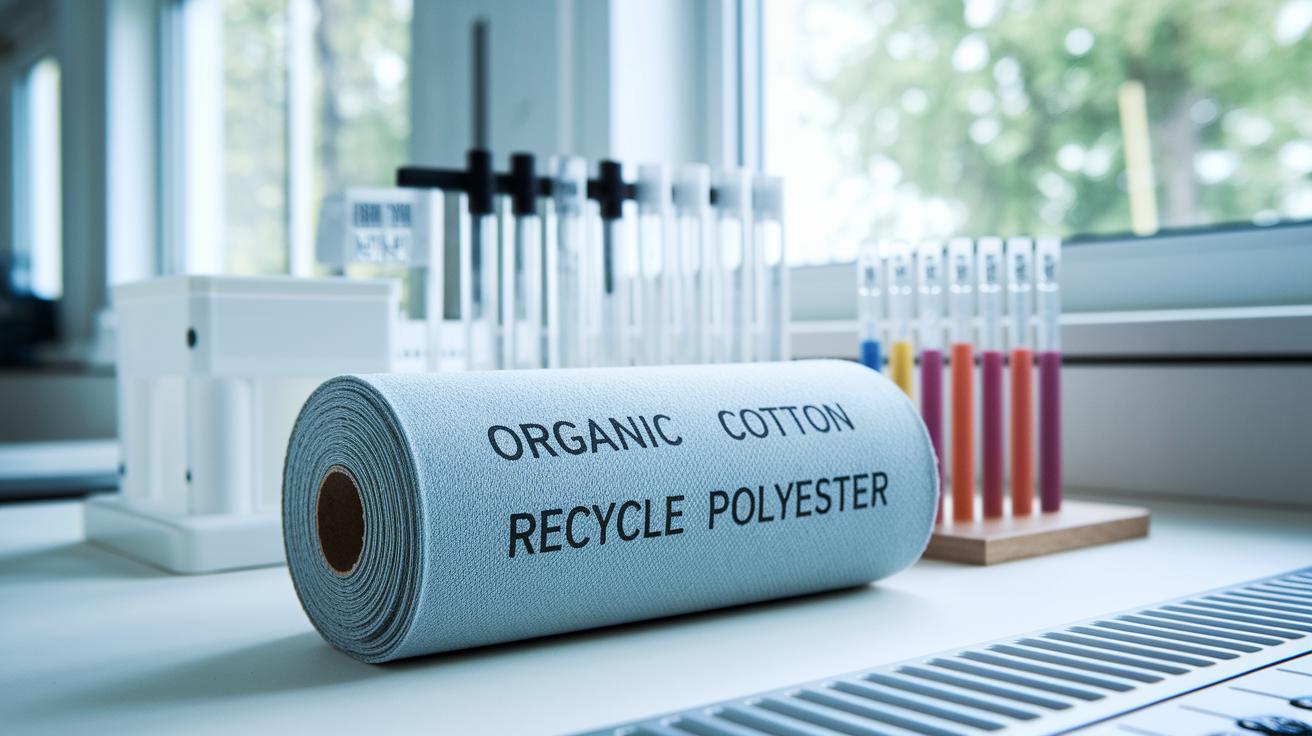
Before we even begin production, every fabric gets checked to ensure it meets strict eco-friendly standards. Each material, whether it is organic cotton or recycled polyester, is certified to be free from harmful chemicals. We confirm this using easy-to-understand tests that show the fabric is safe and green.
Once production is underway, we keep an eye on things using clear batch tests and checks that help cut down on waste and use less energy. We review each batch during production to make sure that every step meets our green guidelines.
We also run special lab tests that look for any trace chemicals in the dyes and finishes. This extra step means that every part of the process sticks to eco-friendly practices.
- Pre-production fabric certification
- In-production batch testing and regular checks
- Assessments that focus on reducing waste and energy use
- Lab tests and reviews to ensure no trace chemicals remain
Ethical Sourcing and Traceable Manufacturing in Accessory QA
Brands build trust by making sure every accessory is made with care and fairness. They run simple social and environmental checks to ensure each supplier follows fair labor rules and meets strict code standards. These checks confirm safe work conditions and fair wages so you know workers are treated with respect. By following every step from raw material to finished product, companies show you the whole ethical journey.
Every step in making the accessory is tracked. From choosing animal-friendly leather to picking sustainable alternatives, clear records are kept to meet transparency rules and certification needs. When a product passes these tests, you can trust that it was made under strict ethical guidelines.
They also run chemical-free tests on materials like recycled fibers and friendly leather to make sure no harmful substances are used. Extra checks confirm that each source respects nature and supports eco-friendly methods.
- Fair labor checks and strict supplier code standards
- Complete tracking from raw materials to finished accessory
- Full transparency with raw material certification
- Chemical-free testing for animal-friendly and sustainable materials
- Biodiversity checks that back eco-friendly sourcing
With these steps in place, brands build consumer trust by keeping production fair and clear.
Durability Testing and Quality Assurance for Accessory Performance

We put every accessory through real-life lab tests. These tests include rubbing (abrasion tests), dropping the item, applying stress, and repeating wear cycles. We want to see if any weak spots show up, like seams that might open or fabrics that become thin with repeated use.
Testing the accessory like we use it every day helps reduce returns and cut down on waste. By simulating daily wear, we can spot weak points before the accessory reaches you. This process also makes sure that the item holds its shape and works well for a long time, which fits with eco-friendly design.
We also keep track of how the item resists stress and how flexible it is during production. This data helps us sort out any defects early and stick to strict quality rules. The information we gather guides improvements in both design and the fabrics we choose.
These careful tests build trust. When you pick one of our eco-friendly accessories, you know it stands up well to everyday use. Check out how quality accessories enhance outfit performance for more details on our testing methods.
Quality Assurance Certifications and Compliance Standards for Green Accessories
We use trusted labels like GOTS (checks organic fibers and safe processes), OEKO-TEX (tests fabrics for harmful substances), Fair Trade, Bluesign, and ISO 14001 to make sure our green accessories meet strict rules. These certifications show that our materials are made without bad chemicals and that fair work standards are used. For example, GOTS verifies the organic quality of fibers, while OEKO-TEX makes sure no dangerous chemicals are in the fabrics.
For jewelry safety, rules like ASTM F2923-14 ensure that the accessories are safe when they touch your skin. Manufacturers follow clear steps and detailed checks to earn and keep these eco-labels. Every batch, from recycled polyester to organic cotton, goes through lab tests and technical reviews. Certification standards also check that non-toxic finishes are used and that care labels guide you on how to keep your accessory eco-friendly.
Organic tests add another layer of safety by checking fiber purity and confirming that dyes or treatments do not add any hazards. Regular audits and third-party reviews make sure that every product meets these high green standards.
| Step | Description |
|---|---|
| Certification Tests | Show that products meet safe and eco-friendly standards |
| Routine Audits | Regular checks to ensure standards are maintained |
| Material Verification | Confirms that raw materials are sourced and produced properly |
This mix of organic verification and quality checks makes sure that each accessory not only looks good but also helps build a more sustainable future.
Best Practices and Case Studies in Sustainable Accessory Quality Assurance

Real-life tests show how quality checks in eco-friendly accessories help them last longer while caring for the planet. One standout example is the Evolution of Sustainable Olympic Kits. This collection relied on strict durability tests, fair labor checks, and tests that avoid harsh chemicals to prove that eco design can still be strong. They also performed careful checks of the environmental impact (lifecycle environmental analysis means checking each stage of a product's life) to meet tough green standards.
Talks in Istanbul from 2021 to 2023 brought up similar ideas. Experts explained that using plans for reuse (circular economic analysis means using parts again) reduces waste and builds long-lasting quality. They also stressed that testing products in real time along with checking eco performance helps build trust with buyers. These discussions showed that clear material tracking and strict tests help brands keep ethical practices and high product quality.
Maker's Row is another great example that shows how finding approved manufacturing partners can be simple. Brands here use clear supply lines and strong raw material checks to connect careful design with good performance. They review the environmental impact at every stage and plan for reuse to meet strict eco rules.
- Fair labor checks and strict testing build trust with buyers
- Lifecycle checks and plans for reuse guide smart design choices
- Tests without harsh chemicals protect both product quality and user health
All these examples show that careful quality checks in eco accessories lead to products that last longer and follow strong ethical standards.
Continuous Monitoring and Improvement in Quality Assurance for Sustainable Accessories
Brands now use digital tracking systems that record each step of production, from raw materials to finished accessories. These systems gather real-time data to make sure manufacturing stays on track. For example, one brand added a blockchain system (a digital record-keeping tool) and cut material waste by 30% after using sensor feedback.
New tools like AI-based inspections help spot small defects during production. They alert teams as soon as something goes off, so they can make quick fixes.
By blending modern traceability with smart sensor data, brands are stepping into a new era of quality control. This approach meets eco guidelines and makes accessory production both smarter and more sustainable.
Final Words
In the action, we explored each step of a robust QA framework for sustainable accessories.
We covered pre-production checks, ethical sourcing reviews, and durability evaluations.
Continuous monitoring and applied compliance protocols ensure each item meets strict eco-metrics and green accreditation guidelines.
These methods reduce sizing errors and buyer's remorse while upholding standards for ethical production.
Such efforts pave the way for quality assurance in sustainable fashion accessories that delivers both style and reliability.
FAQ
Quality assurance in sustainable fashion accessories examples
Quality assurance in sustainable fashion accessories examples include pre-production inspections, in-production monitoring, pre-shipment checks, container-loading supervision, and third-party audits that verify ethical sourcing and applied compliance protocols.
Importance of quality assurance in sustainable fashion accessories
Quality assurance in sustainable fashion accessories is important because it ensures each product meets regulatory standards, ethical sourcing guidelines, and sustainability metrics, protecting consumers and the environment.
What is quality assurance in fashion?
Quality assurance in fashion is a process that checks products for consistency, durability, and compliance with design and ethical standards while using specific protocols to verify sustainable, eco-friendly practices.
What are the 4 R’s of sustainable fashion?
The 4 R’s of sustainable fashion include reduce, reuse, recycle, and repair, which together promote lower waste, extended product life, and more eco-friendly practices in the industry.
What are the 7 QC tools in apparel industry?
The 7 QC tools in the apparel industry refer to diagrams and charts such as cause-and-effect diagrams, control charts, flowcharts, check sheets, Pareto charts, histograms, and scatter diagrams used for process analysis and quality improvement.
What are the 5 R’s of sustainable fashion?
The 5 R’s of sustainable fashion include reduce, reuse, recycle, repair, and rethink, encouraging consumers and manufacturers to lower resource use, extend product life, and approach design with sustainability in mind.