

Quick Verdict: 1920s men's style feels fresh and relaxed even today.
Why We Tried It: In the 1920s, men tossed aside stiff, old-fashioned suits for looks that felt smart and easy. They swapped structured garments for loose blazers and soft pastel shirts that move with you, much like a live jazz tune.
Style Insight: This era shows us that breaking the rules can spark modern style. Today, clean shapes and bold colors still bring a nod to the Roaring Twenties, proving that true cool never fades.
Jazz Age Menswear Overview: Setting the Scene for Roaring 20s Fashion Men
After World War I ended in 1918, America burst with a fresh energy and creativity. Men began ditching stiff, narrow-cut suits for clothing that felt free and relaxed. Early in the decade, outfits were more fitted and sharply tailored. By the late 1920s, looser fits and vibrant colors replaced the old, formal styles.
Jazz music played a big role in this style switch. Think of relaxed jackets, pastel shirts left slightly unbuttoned, and soft collars that feel gentle against the skin. Picture a man wearing an unstructured blazer with a casually open pastel shirt, evoking the lively spirit of a live jazz show.
This change was about more than just comfort, it was a way to show off a new sense of personal style. With secret gatherings and underground parties during Prohibition, what used to be seen as too casual became the hallmark of modern cool. Men mixed smart, tailored pieces with unexpected, laid-back details to create looks that were both stylish and effortless.
| Silhouette | Trend |
|---|---|
| Early 1920s | Fitted, tailored suits |
| Late 1920s | Looser fits and bold colors |
This era marked a clear break from old-school formality while embracing the lively, dynamic vibe of the Jazz Age.
Iconic Roaring 20s Suits: Craftsmanship and Key Silhouettes
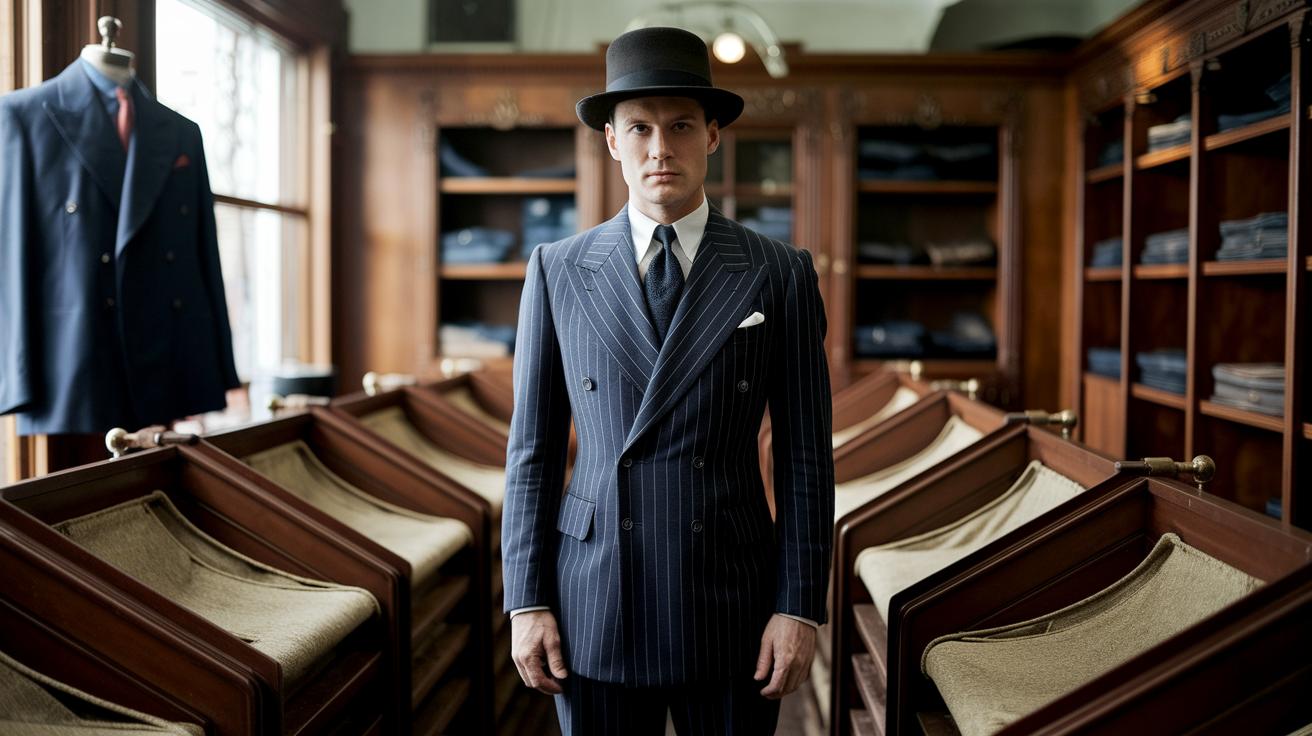
Suits from the 1920s took inspiration from morning coats. They were made from heavier fabrics like sheep's wool, silk, or tweed (which feel weightier and give good structure). These suits often used three or four buttons, had high waists, and sported wide, pointed lapels. The look was bold yet refined. You could also find both single- and double-breasted styles, with details like pinstripes, windowpane patterns, and even tiny prints that caught the eye. One fun fact: the original pinstripe suit turned heads because its sharp lines and elevated cut set a new bar for tailored style.
The jazz suit brought a modern twist to tradition. It had a slimmer shape and a higher rise, moving away from the stiff, formal cuts of the past. Its clean lines and smooth fabric drape showed a balance between classic tailoring and a more relaxed look. The careful focus on features like lapel width and button style allowed plenty of movement while keeping a formal vibe. Every detail worked together to create a suit that was both stylish and practical, leaving a lasting mark on modern menswear.
Roaring 20s Shirts, Vests & Waistcoats: Layering the Look
Shirts during the Jazz Age changed fast. Early on, men could swap out detachable collars to suit the event, which kept things fresh. Today, you see solid pastel colors and vertical stripes that give a nod to vintage male style. Collars that once came off easily are now soft turndowns, giving the shirt a neat, relaxed look.
Vests, especially the tailored cuts, offered a smart pick when skipping a full three-piece suit. Notch-lapel vests paired with open shirts add a bit of structure without looking too dressy. Meanwhile, classic waistcoats started to fade out. When they do appear, they sit lower on the waist and often come with little to no lapels, showing a clear move away from strict dress codes.
Fun fact: The disposable collar, once a sign of formality, turned into a soft turndown style that lets the shirt shine on its own.
These layers mix old-school charm with modern ease, boosting both style and comfort while still inspiring today’s looks.
Prohibition Period Outerwear for Men: Coats and Overcoats

Outerwear in the 1920s played a key role in completing a sharp suit look. These coats had clean, strong lines and kept to soft, muted colors. Men chose styles with broad shoulders and narrow waists that balanced well with their suits.
A popular pick was the charcoal gray greatcoat made from a wool and cashmere mix (that means the fabric felt both warm and smooth). These coats had simple silk linings and a classic design that felt refined. It might surprise you to learn that navy blue also became a top choice, offering a fresh twist compared to the usual black or brown.
The designs mixed old-school style with modern practicality. Durable fabrics and careful stitching meant the coats kept you warm and lasted through cold winds, while the tailored cuts left you looking neat all day.
Imagine a well-fitted overcoat neatly draped over a tailored suit. That final touch was perfect for a true Jazz Age gentleman.
Roaring 20s Footwear & Accessories: Shoes, Hats, and Accoutrements
Oxfords were the go-to shoes for formal occasions in the 1920s. They had clean lines and a smart, polished look. Men also wore wingtips, two-tone spectators, and shiny patent leather styles that added extra flair. These shoes gave a crisp finish that matched the era's sharp style. Wearing gleaming wingtips to an evening event felt just as smart as a freshly pressed suit.
Hats played a big role too. Upper-class men loved the structured top hat for its bold, classic style. Meanwhile, fedoras and trilbies offered a more relaxed, yet stylish look for middle-class gentlemen. When the weather was warmer, straw boaters were a cool, light option. A quick tip: pair a fedora with your suit by choosing one with a wider brim to nicely balance the jacket’s lapels.
Accessories pulled everything together. A silk or linen pocket square added a touch of color to plain suits. Wristwatches were starting to replace pocket watches, offering a modern twist with a hint of luxury. Horn-rimmed glasses gave an intellectual look, while patterned ties and modest bow ties lightened the formality. Metal cufflinks provided just the right sparkle, showing attention to small details.
Extra touches like canes worked both as practical supports and as strong style statements. At the same time, grooming trends like higher sideburns and sleek, slicked-back hair completed the overall refined vibe.
Key accessories for the era included:
- Classic oxford and wingtip styles
- Structured top hats, fedoras, trilbies, and straw boaters
- Silk pocket squares, early wristwatches, horn-rimmed glasses, patterned ties, and metal cufflinks
Modern Vintage Reinterpretation of 1920s Style for Today’s Men

Today’s look mixes old school charm with modern ease. Classic pieces like polo shirts, chinos, and loafers bring back the relaxed vibe of the Jazz Age. Modern three-piece suits use lighter fabrics and slimmer cuts while keeping high-waisted trousers and broad lapels that hint at the 1920s.
Designers now blend vintage patterns with today’s trends. Cuffed sleeves with slim-fit designs add a retro nod while staying fresh. Picture a tailored blazer teamed with fitted trousers that mix the sharp lines of 1920s tailoring with a more casual everyday style.
A patterned tie or pocket square can add a smart twist to a current suit. It all comes down to simple swaps. For example, pairing classic high-waisted trousers with a modern slim cut creates a balanced look that feels both timeless and current.
Imagine a lightweight blazer that carries subtle vintage patterns. This modern suit gives a gentle nod to 1920s style with its high waist and structured shoulders. The result is a lasting, masculine look that works just as well in the office as it does on a night out.
Styling Tips: Dapper Blazer Pairings and Elegant Bow Tie Fashions
When shopping for a blazer that hints at the Jazz Age, check for firm shoulders and broad lapels. These details give you a bold yet balanced look. Many 1920s-inspired blazers come with double-breasted fronts and either flap or jetted pockets. This style works great, even when you dress down.
Pair your blazer with a crisp shirt. Stick with solid colors or soft, understated patterns. For a touch of elegance, try a light pastel shirt that highlights your blazer's flair.
Bow ties back then were a little bigger and looked best with softer collar styles. A simple four-in-hand knot is still a smart, refined pick. Try a few different ways of tying it until you find one that suits your face and keeps your outfit in check.
Accessories add a lot too. A silk pocket square with a printed design can match your tie or hatband. It brings a pop of color and personality to your look.
Practical tips to remember:
- Pair a structured blazer with a slim tie or bow tie.
- Use a pocket square to pull your outfit together.
- Keep your look tidy and thoughtful for a clean Jazz Age vibe.
A few small changes like these can turn a classic blazer into a head-turning outfit for today’s man.
Final Words
In the action, we explored how Jazz Age menswear set the stage for bold shifts in style. We broke down tailored suits, layered shirts, sharp outerwear, classic shoes, and accessories that added flair. The post helped show how modern twists bring new life to roaring 20s fashion men. Each style element is practical for today, blending history with modern ease. This review gives clear guidance so you can shop with confidence and enjoy a timeless look that stands the test of time.
FAQ
What should a man wear to a Great Gatsby party?
The Great Gatsby party look involves crisp suits with tailored cuts, slim ties, polished shoes, and a fedora or trilby, creating a refined yet lively Jazz Age style.
How did gangster style influence 1920s men’s fashion?
Gangster style added a rugged twist to 1920s menswear with sharper cuts, darker tones, and bold accents like double-breasted jackets and fedoras, offering a streetwise update to classic tailoring.
What did casual 1920s men’s fashion look like?
Casual 1920s menswear featured light fabrics, unbuttoned pastel shirts with soft attached collars, and relaxed waistcoats, blending comfort with a stylish, laid-back vibe.
What is the roaring 20s dress code for a party?
The Roaring 20s dress code typically calls for tailored suits or smart casual ensembles paired with chic accessories like pocket squares and fedoras, balancing structure with ease for a festive look.
What characterizes 1920s fashion for men?
1920s men’s fashion shifted from strict formality to looser fits and bolder colors, highlighting evolving silhouettes, detailed suits, and layered shirts and vests that capture the Jazz Age spirit.
Where can I buy 1920s men’s fashion?
You can find 1920s men’s fashion at vintage shops, online specialty retailers, and auction sites offering authentic or well-crafted reproductions that reflect the era’s unique style.
What does Roaring 20s fashion for women involve?
Roaring 20s womenswear features drop-waist dresses, art deco accessories, and cloche hats, combining flapper silhouettes with detailed beading and statement jewelry to celebrate newfound freedom.
What did 1920s men’s evening wear include?
1920s men’s evening wear often included refined tuxedos, high-waisted tailcoats, bow ties, and polished shoes, emphasizing sharp tailoring and subtle details ideal for formal nighttime events.