

Quick take: Running shoes might not last as long as you think.
Have you ever wondered if your running shoes really live up to the promise of 300 to 500 miles? Many runners expect this range before the cushioning loses its bounce, but not every pair delivers.
We looked into what wears out your shoes. Your running style, your weight, and even the surface you run on all play a part. Running on hard roads, for example, can wear out the cushioned sole faster than running on a softer track.
Knowing when to replace your shoes can help you keep a good run and avoid injury. Look for signs like a flat or less springy feel underfoot. Keeping an eye on these details will help you decide when your shoes are done and it's time for a new pair.
Running Shoes Durability: Expected Lifespan Across Surfaces
Running shoes usually hold up for about 300 to 500 miles before the cushioning and support start to drop off. This mileage is a good rule of thumb for most runners but can vary depending on your running style and weight. When the midsole (the soft part that absorbs impact) starts to compress, it can't cushion your steps as well, which might affect your performance and even increase your risk of injury.
The lifespan of your shoes also depends on where you run. Road shoes are made with tougher, smoother materials that can last the full 300 to 500 miles on even pavement. Trail shoes, built for rough terrain with deeper treads, might only last about 200 to 400 miles. Shoes designed for racing or track use are made for speed rather than durability and can wear out faster during heavy training.
To keep track of your shoes, try using a GPS mileage tracker or simply mark the purchase date inside the shoe. Check them regularly for signs like worn-out treads, visible creases, or a hard midsole to catch performance drops early.
Key Factors Influencing Running Shoes Durability
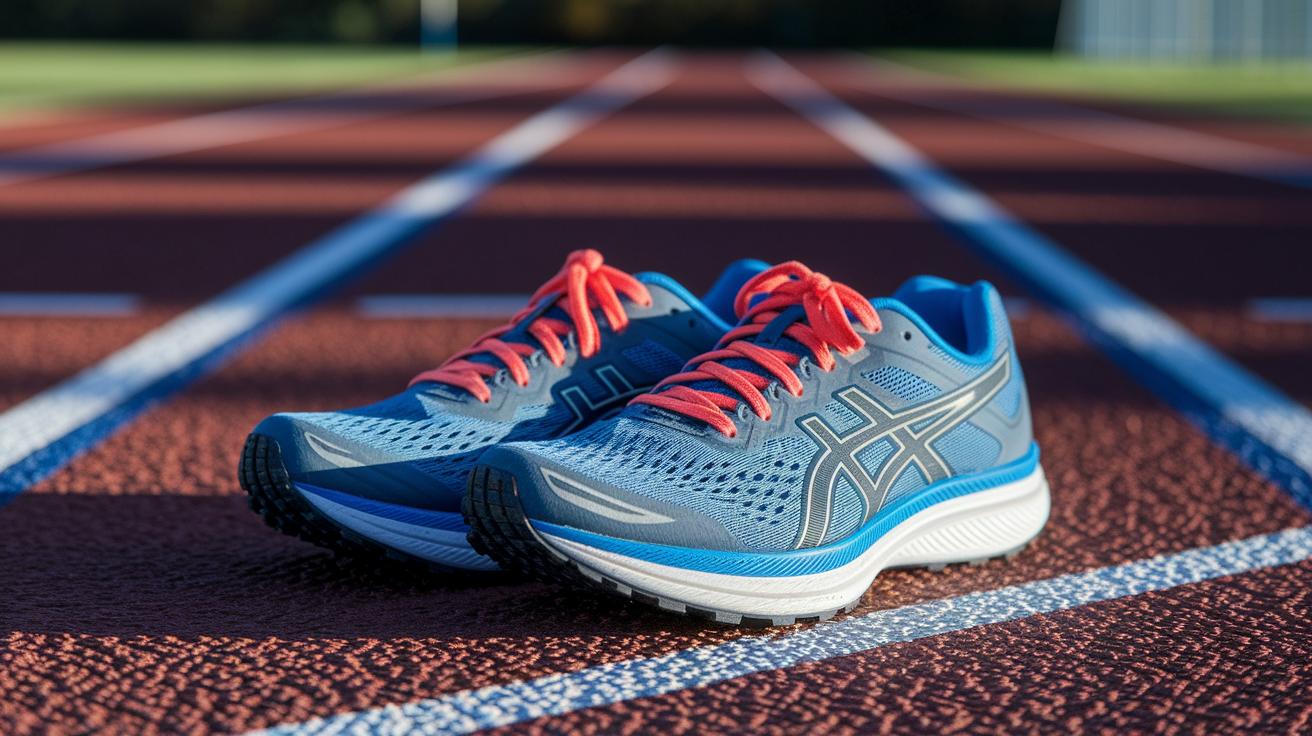
Your running shoes break down over time because a few simple factors stress the materials. Things like the surface you run on, your body weight, and the way your foot strikes the ground all decide how fast your shoes wear out. Long runs and tough workouts can wear down the cushioning and outer sole even faster.
- Surface type and grip needs
- Runner weight and impact force
- How your foot lands (gait and overpronation)
- Weekly mileage and workout intensity
- Shoe style (minimalist versus cushioned)
- Regular use outside of running
All these factors add up to how quickly your shoes lose their support. Running on hard surfaces like concrete or rough trails puts extra pressure on the midsole and outer sole, causing them to compress and wear out faster. Heavy runners or those with a unique running style might see the same effect sooner. Even the shoe style plays a part; lighter-built, minimalist shoes tend to degrade quicker than well-cushioned ones. Keep these points in mind when planning your training and deciding when to replace your running shoes.
Material and Construction’s Role in Durability of Running Shoes
A well-built running shoe stands up better to all the squeezing, rubbing, and everyday wear that comes with training. Special midsole foams like Saucony's PWRRUN+ and those similar to Adidas Boost (a bouncy polyurethane foam) help the shoe keep its comfort even after many miles. Clever designs that mix tough rubber outsoles with smart upper setups protect key support spots and cushion the foot over hundreds of miles.
Midsole Technologies
Shoes with PWRRUN+ foam hold their soft cushion for long runs, while options like Asics Superblast 2 use Flytefoam Turbo for a light and bouncy feel. Some models even add carbon-plate support to fight off the flattening effect of repeated use. Each midsole option is made to slow down wear, so your shoe keeps absorbing shock and giving support when you need it most.
Outsole Compounds
Most running shoes use two types of rubber in their outsoles. For road running, a smoother rubber gives steady grip on pavement, while trail shoes lean on stickier, lugged designs to guard against rough surfaces. This mix of rubbers helps the outsole last longer by reducing the wear from friction and rugged terrain.
Upper Materials
The upper part of the shoe usually blends engineered mesh with TPU overlays. The mesh lets air flow in, keeping your foot cool, and the TPU adds extra strength without making the shoe stiff. This smart mix helps the upper hold up well, keeping needed reinforcement exactly where it counts.
Running Shoes Durability: Built to Last

Many top running shoes mix soft cushioning with tough construction to help you keep going mile after mile. Each pair uses a mix of foam cushioning (the soft, bouncy material in the middle), sturdy overlays, and outsoles built to grip the ground. It doesn’t matter if you hit smooth pavement or rough trails – these shoes are built to stand up to everyday wear and still give you the performance you need.
| Shoe Model | Key Durability Feature | Estimated Lifespan (miles) | Terrain Suitability |
|---|---|---|---|
| Asics Superblast 2 | Flytefoam Turbo midsole | 300–500 | Road/Track |
| adidas Boston 13 | Dual-compound outsole | 300–500 | Road |
| Brooks Cascadia 19 | Sticky lugged outsole | 200–400 | Trail |
| Saucony Ride 18 | PWRRUN+ midsole | 300–500 | Road |
| Brooks Glycerin Max | Dual-density midsole | 300–500 | Road |
| Saucony Endorphin Pro 4 | PWRRUN PB + carbon plate | 350–600 | Road/Race |
Some models stand out for their long-lasting build. The Saucony Endorphin Pro 4 and Brooks Glycerin Max can handle more miles and are extra strong on roads, making them a good pick if you’re chasing longer runs. Meanwhile, the Asics Superblast 2, adidas Boston 13, and Saucony Ride 18 give you a solid mix of comfort and durability perfect for everyday training. And if you run on tougher trails, the Brooks Cascadia 19 is built to handle rough terrain, even if it doesn’t last as many miles.
Best Practices to Extend Running Shoes Durability
If you stick to using your running shoes only for running and rotate between two or three pairs, they stay in better shape. Keeping them just for workouts means they face less wear from everyday activities like running errands. Use a separate pair for daily tasks so your running shoes keep their cushioning and structure longer.
After every run, take a few minutes to clean and inspect your shoes. Brush off any debris or little stones from the outsole to prevent scratches and uneven wear. A quick check for small tears or hard spots can help catch problems before they get worse.
Wearing the right socks and adjusting your laces makes a big difference. Moisture-wicking socks keep the inside dry (this helps the foam last longer), and retying your laces to keep a snug heel fit cuts down on friction.
It also helps to store your shoes in a cool, shady spot away from direct sunlight or heat. This practice keeps the midsole foam from drying out or cracking, so your shoes can keep up with you run after run.
Durability Indicators: When to Replace Your Running Shoes
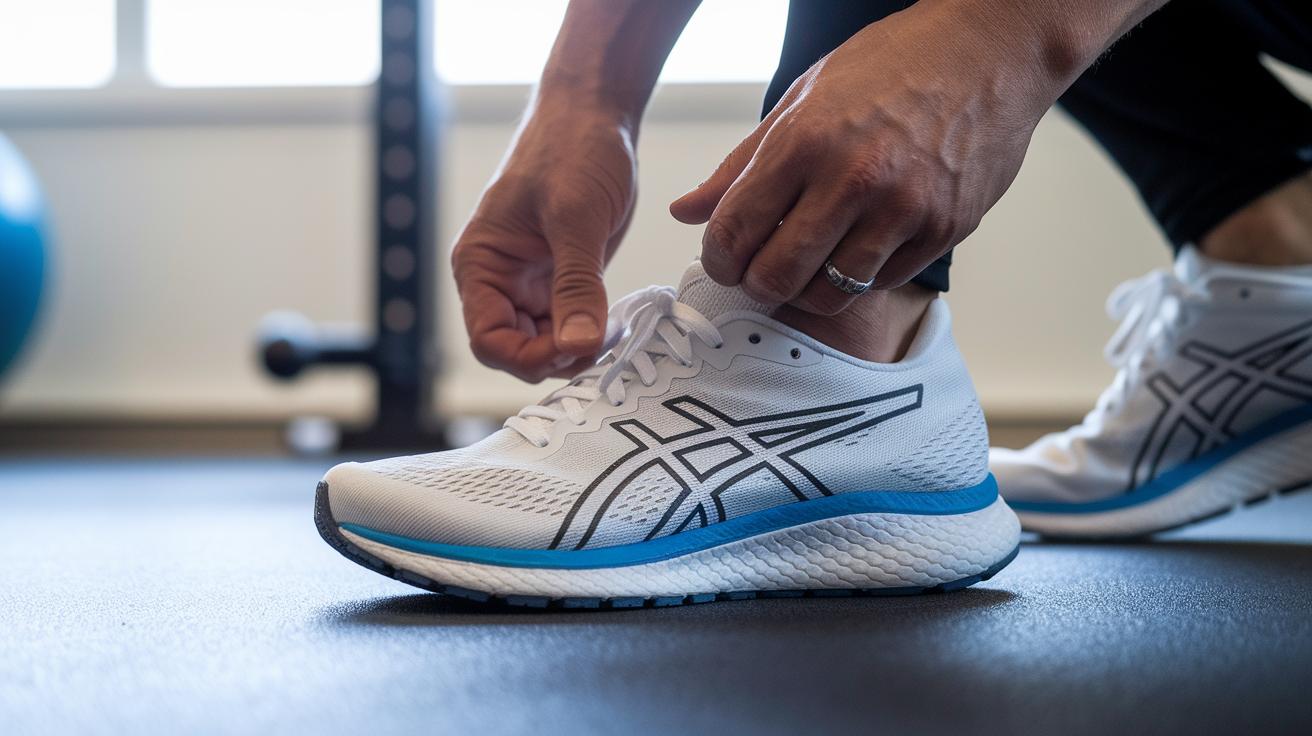
Keep an eye on your shoes for any signs of wear during your regular checkups. Look for deep creases in the midsole (the cushioned part), a flat and worn-out outsole, or a heel that no longer holds its shape. Also, inspect the upper part of the shoe for any tears or changes that might mean it is losing support. Think of it like checking the pages of a well-used notebook: if the cushioning looks creased, it is a sign the shoes are tired.
Feel how your shoes perform with each run. If they start feeling hard instead of soft and bouncy or if new aches appear, it shows the shoe is not working as well as it used to. Keep track of your mileage and think about replacing them after 300 to 500 miles. For example, if your usual 5-mile run begins to cause unexpected knee pain, it might be time to consider a new pair.
Terrain-specific Durability: Road vs Trail Running Shoes
Road shoes work best on smooth surfaces. They have even outsoles and light cushioning with materials that resist wear. Trail shoes, on the other hand, come with deep, grippy patterns and tougher builds to handle rocky, muddy trails. Some models even add extra support on the sides; one pair I tested used a special rubber that held up on both gravel and mud.
On pavement, road shoes can last about 300 to 500 miles. Trail shoes generally last around 200 to 400 miles because they use heavier materials and a different tread design. These numbers show when your shoes may start to show wear from different surfaces.
For runners who do both, look for multi-surface shoes that mix good features from each type. They might have a shallower tread paired with a firmer foam midsole (a dense foam that gives extra support in high-stress areas). I tried one model with extra foam under the heel, and it felt steady on flat roads and rough trails alike.
Final Words
in the action, we broke down how mileage, terrain, material quality, and maintenance tips all play a role in your running shoes durability. We compared popular models and highlighted key wear indicators so you can confidently track when it may be time for a new pair.
These practical tips help you spot early performance drop-offs and extend your shoes’ lifespan across various surfaces. Keep these insights in mind and step out confidently knowing you’re set to make smart, lasting choices.
FAQ
Running shoes durability reddit
When reddit users discuss running shoes durability, they often mention that most models last around 300-500 miles before noticeable cushioning and support decline, with opinions varying based on usage and terrain.
Most durable shoes for running
The most durable running shoes typically feature robust cushioning, resilient outsoles, and sturdy construction that can handle 300-500 miles, with many runners favoring models from trusted brands for heavy daily use.
Most durable shoes for everyday
Durable everyday shoes combine comfort with tough materials, designed to handle constant wear. They often use reinforced construction and abrasion-resistant soles, ensuring longevity for both running and casual use.
Nike running shoes durability
Nike running shoes durability largely depends on the model; some built with advanced foam technologies and innovative designs can perform steadily for around 300-500 miles under regular running conditions.
How long do running shoes last for walking
Running shoes used for walking can last longer than during running since the impact is lower, but they generally share similar lifespans of several hundred miles before support noticeably declines.
Most durable running shoes for heavy runners
Durable running shoes for heavy runners are built with extra supportive cushioning, resilient midsole compounds, and stable construction to handle higher impact forces, often lasting close to the 300-500 mile range.
Most durable running shoes 2025
As of 2025, top-rated durable running shoes include models that feature advanced midsole foams and robust outsoles, ensuring extended mileage and reliable performance on various surfaces throughout the year.
Most durable shoes for work
Durable shoes for work focus on tough construction and long-lasting materials, offering reliable support when on your feet all day. Some running shoes and work-specific models emphasize durability for daily wear.
How long should a running shoe last?
A running shoe should last around 300-500 miles under regular running conditions, after which its cushioning and support systems may begin to show signs of wear and reduced performance.
How durable are running shoes?
Running shoes are generally built to last 300-500 miles on paved surfaces under normal conditions, although durability can vary with factors like running style, weight, and terrain encountered.
What is the 10 minute rule in running?
The 10 minute rule in running refers to beginning with a gentle warm-up for about 10 minutes, which helps prepare your body for the workout and reduces the risk of injury during the main run.
Can running shoes last 1000 miles?
Running shoes are typically engineered for 300-500 miles; while some individuals might reach near 1000 miles with light use and careful rotation, they usually lose essential support and cushioning well before that point.