

Have you ever noticed that your silk sometimes doesn't feel as soft as you expected? Taking care of silk might seem hard at first, but it really comes down to a few simple steps.
Think of caring for your silk like looking after a special keepsake. Wash it gently, dry it carefully, iron it on a low heat setting, and store it in a safe spot. These easy steps help keep silk smooth, bright, and lovely to the touch.
Stick with these tips and your silk will stay as beautiful and soft as ever.
Essential Silk Care Steps for Washing, Drying, Ironing & Storing
Taking care of silk is important because it is delicate and needs a gentle touch to stay soft and lovely. Always use a detergent made for silk and wash it in water no warmer than 30°C (86°F) to help the fibers remain strong. Treat your silk like a treasured piece of art, avoid harsh chemicals and very hot water that can damage its smooth feel and rich color.
This guide has four simple steps: washing, drying, ironing, and storing. For washing, soak your silk garment and gently move it around without scrubbing harshly. Rinse until the water is clear so no soap is left behind. When drying, never twist or wring the fabric. Instead, press out extra water by gently rolling it in a clean towel, then let it air dry flat or hang it away from direct sunlight.
For ironing, turn your silk piece inside-out. Use a low heat setting along with a thin cloth between the iron and the garment. This keeps shiny spots and marks off the fabric. Finally, store your silk in a cool, dry place on padded hangers. This helps keep it wrinkle-free and protects its delicate shape.
Keep reading for more clear, step-by-step tips on how to wash, dry, iron, and store your silk so it stays soft, bright, and long-lasting.
Silk Care Instructions: Keeping Silk Soft & Splendid
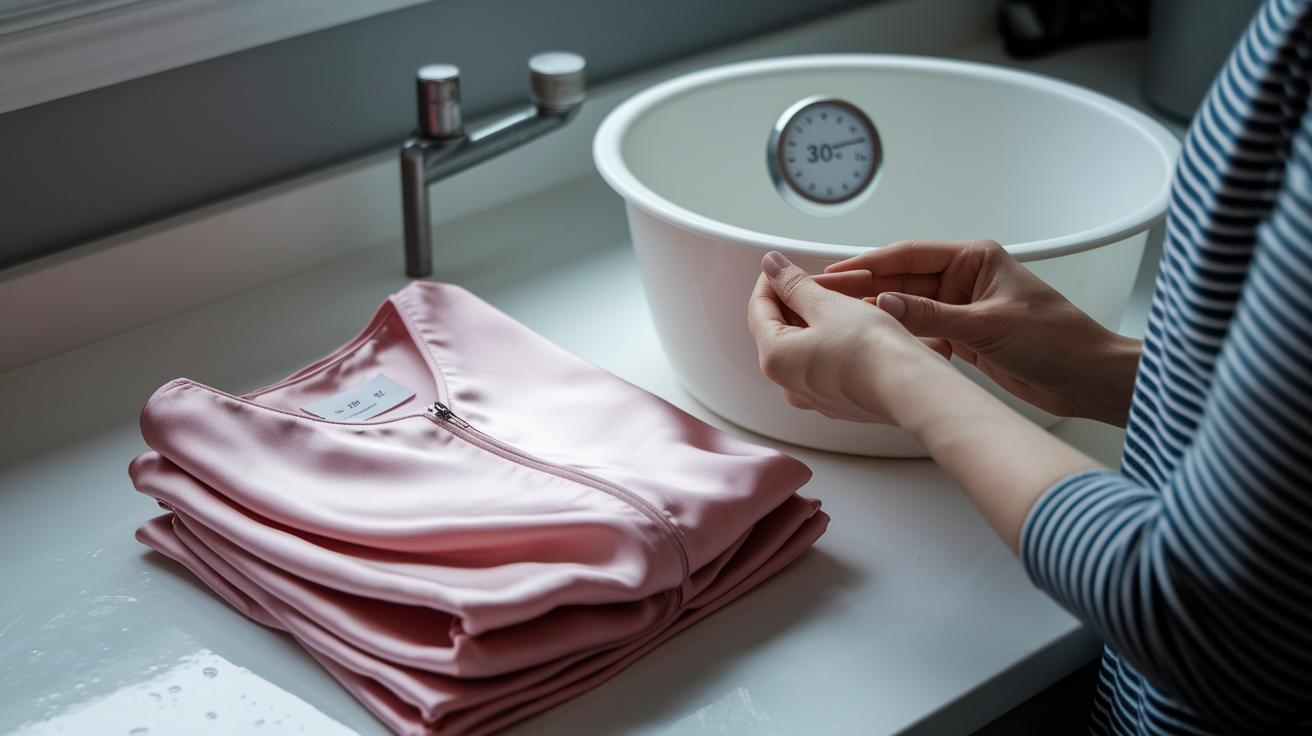
Before washing your silk, take a close look at the care label. It tells you to use water no hotter than 30 C and to skip bleach. Sort your silk by color, and remove any loose buttons or jewelry first. For small stains, gently dab on a little pH-balanced mild soap so the mark doesn't set. It also helps to test a hidden seam in cold water to check for color bleeding. This simple routine keeps your silk looking bright and feeling soft.
Reading Silk Care Labels
Silk care labels usually show a wash-tub icon with "30 C" and a crossed-out triangle, which means no bleach. They may also indicate a gentle spin cycle to keep the fabric safe. For instance, a label might say "Max 30 C wash, gentle spin" to help you choose the right washing method.
Pre-Wash Color Testing
Before you wash the whole garment, soak a small, hidden piece in cold water to see if any color comes out. If the water gets tinted, wash that garment separately from similar colors. This quick test helps keep your silk's color true and prevents dye from transferring during the wash.
Hand Washing Techniques for Silk Fabrics
Silk loves cold water and a mild cleanser like silk-safe detergent or baby shampoo. This simple method helps keep your silk smooth and preserves its color without harming the delicate fibers.
- Fill a basin with cold water.
- Add a gentle detergent or baby shampoo.
- Let the garment soak for 3 to 5 minutes.
- Gently move the silk around in the water, avoid any scrubbing.
- Rinse until the water looks clear.
- Press the fabric lightly by gathering it to remove extra water without wringing.
Following these easy steps will keep your silk pieces soft and glowing over time.
Safe Machine Wash Options for Silk Care
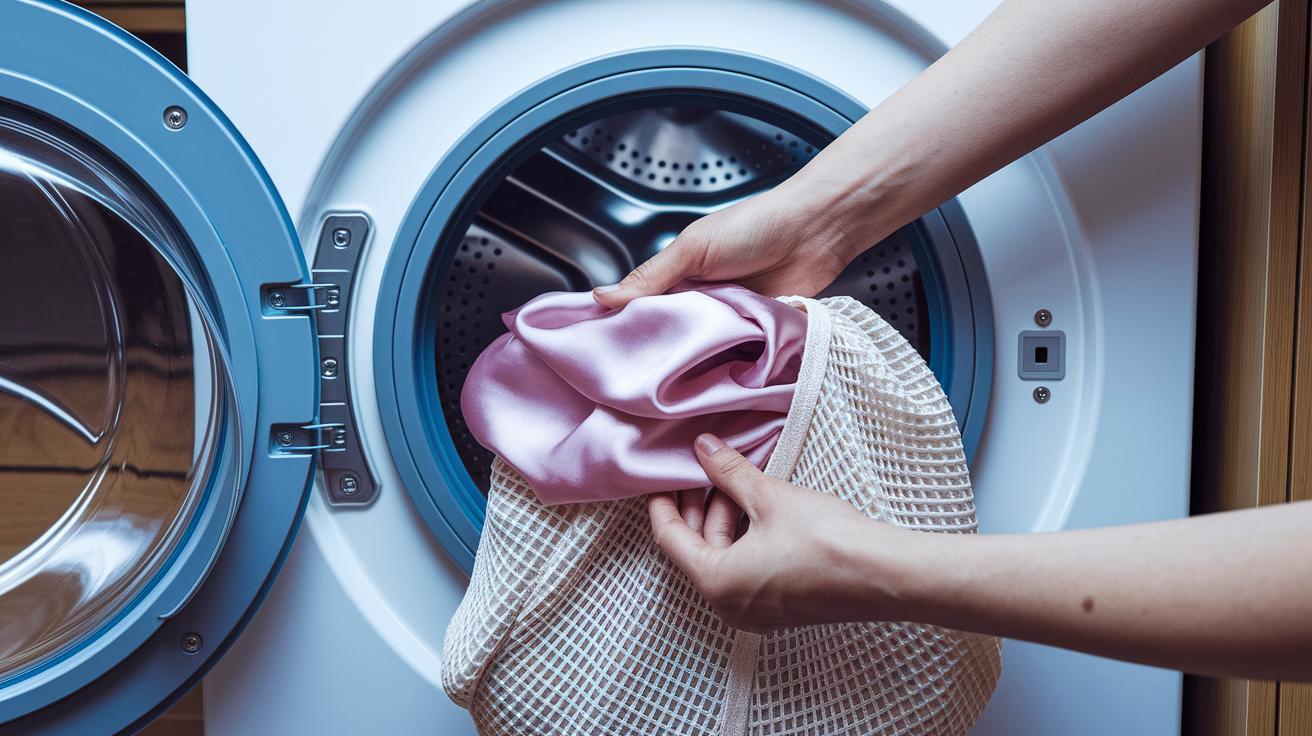
Machine washing silk can be safe if you follow a few simple steps. First, put your silk item in a mesh laundry bag to protect it from rougher fabrics and minimize rubbing. Set your machine to a silk or delicate cycle and make sure the water is cold (at or below 30 °C or 86 °F). Use just a small bit of a mild detergent made for delicate fabrics, and skip fabric softeners since they can leave a sticky residue on the silk fibers. Choose a cycle with the lowest spin speed or even one with no spin to further reduce the chance of damage. And don’t forget to remove the garment quickly after the wash to help prevent wrinkles.
| Machine Setting | Water Temperature | Spin Speed |
|---|---|---|
| Silk/Delicate Cycle | Cold (≤30 °C) | Low |
| Hand-Wash Simulation | Cold (≤30 °C) | No Spin |
| Gentle Cold Cycle | Cold (≤30 °C) | Lowest |
Following these steps helps keep your silk garments soft and vibrant. This method provides a balance between ease and careful treatment, similar to hand washing but with machine convenience. Always check your care label first, and adjust your settings to match the needs of each silk piece.
Drying and Ironing Silk for Lasting Quality
This guide shows you simple ways to dry and iron silk so it stays soft and shiny. We break down how to handle different silk types and avoid common mistakes.
Air-Drying Silk
Lay your silk piece flat on a clean towel or hang it on a padded hanger in a cool, shaded spot with good airflow. Gently roll the garment in a dry towel to soak up extra water, never twist or wring it. Silk is made from natural protein fibers that can turn brittle if over-dried, so a little humidity goes a long way.
Ironing Silk Safely
Before ironing, flip your garment inside out to protect its surface. Set your iron to low heat or use the silk setting, and always place a pressing cloth between the iron and the fabric. Avoid direct steam; if you need moisture, give it a light mist. Move the iron quickly and keep contact brief to steer clear of water marks or shiny patches. If you spot dull areas, lower the temperature or pressure, since different silks like charmeuse can react differently to heat.
Storing Silk to Prevent Damage and Wrinkles

Keep your silk items in a cool, dry spot in your wardrobe away from direct sunlight. Don’t use plastic bags that trap moisture; instead, use a cotton cover that lets air flow. This simple change helps keep the fragile fibers strong and preserves silk’s natural shine.
When hanging silk, choose a padded or wide hanger to support its shape and cut down on creases. If you need to fold your silk, put acid-free tissue between the layers. That extra step stops friction and keeps the fabric soft and smooth.
Every few months, let your silk breathe. Airing it out stops moisture build-up and bad smells. This quick refresh helps your silk last longer and keeps it ready to wear.
Dealing with Stains and Common Silk Care Issues
Silk is a delicate fabric that can pick up stains and fade if it isn’t handled gently. Even tiny marks can take away from its rich color and soft feel. It’s best to treat stains right away using simple home remedies to keep your silk looking its best.
To preserve silk's bright color, avoid using harsh treatments. Instead, use mild methods that gently lift the stain without hurting the fabric. Even a small mistake can lead to more fading or uneven color.
For oil stains, try lightly sprinkling cornstarch or talcum powder on the spot. Let it sit for a few minutes so it can absorb the oil, then gently brush it off like you would dust off a light coating of flour. For water marks, lightly dampen the area and let it air-dry flat. A mix of one tablespoon of white vinegar in a gallon of water makes a gentle soak that can help bring back some of that color. And never use bleach, because it will permanently harm the silk fibers.
If the silk shrinks a little, re-soak it in cold water and gently stretch it back to shape while it’s still damp. This careful approach helps the fabric return to its original form without stressing its delicate structure.
Final Words
In the action, our guide walks you through each step to guard your silk’s feel and finish. We covered easy washing with silk-safe detergent, gentle drying and ironing, and smart storage to keep your fabrics looking their best.
We also dropped in key silk care instructions to help you avoid damage and make true-to-size decisions. Follow these practical tips and enjoy a wardrobe that stays fresh, fits well, and keeps you smiling with every wear.