

Quick Verdict
Eco-friendly accessories let you look good and do good for the planet.
Why We Tried It
We tested accessories made from recycled metals, organic cotton (grown without harsh chemicals), hemp, and vegan leather. These materials cut waste and use fewer resources.
What Makes Them Sustainable
Each material is chosen to lower resource use and shrink carbon footprints. Choosing these items means you add style to your look while helping nature.
Final Thoughts
When you pick accessories like these, you boost your outfit and support ethical work practices. It is a small change that makes a big difference for the environment.
Essential Sustainable Materials for Accessories
Picking the right materials for your accessories helps protect our planet. When you choose eco-friendly options, you cut down on waste, save resources, and support fair work practices. These choices turn everyday add-ons into green designs that care for nature.
Here are some sustainable materials you can look for:
- recycled metals
- organic cotton
- hemp
- bamboo
- recycled polyester
- vegan leather
- cork
- reclaimed wood
- bio-based textiles
- natural dyes
Using recycled metals means fewer new resources are mined, while organic cotton and hemp grow naturally and need less chemical help. Bamboo, recycled polyester, and vegan leather offer durability with a smaller carbon footprint. Cork, reclaimed wood, bio-based textiles, and natural dyes bring natural textures and lively colors to your accessories.
Choosing these eco-friendly materials shows that style can go hand in hand with care for the environment. Every accessory you pick can help build a circular economy and make a positive impact on our world.
Natural Fiber Choices in Sustainable Accessories
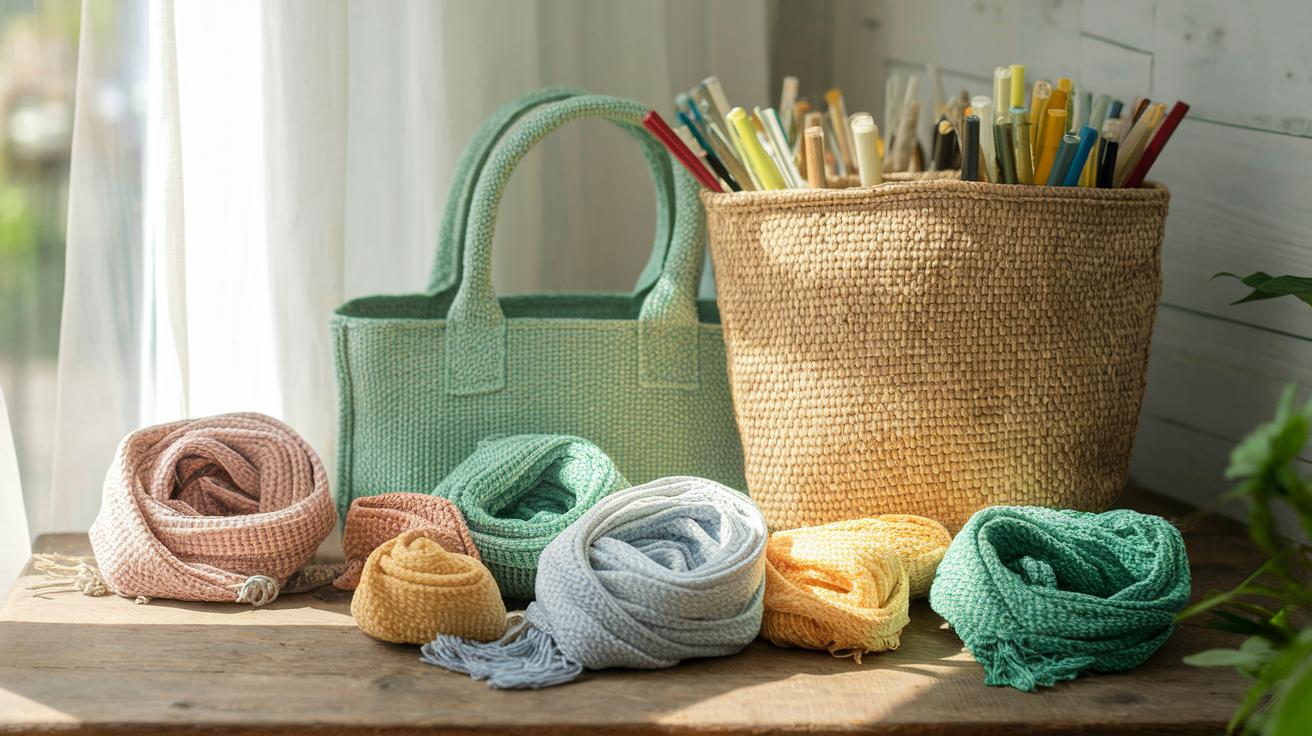
Natural fibers come from plants and offer a green, renewable option for making accessories. They need fewer harsh chemicals to grow, which means they hurt the environment less. Plus, they fit well with slow fashion ideas because items made from them last longer and cut down on waste.
Certified organic cotton and hemp are top picks. Organic cotton is grown with strict rules to limit chemicals, making the fabric soft and kind to sensitive skin. Hemp is very strong and breaks down naturally after use. Accessories like scrunchies, scarves, and bags made from these fibers are smart, eco-friendly choices that help save water.
Bamboo also makes a strong case. It is durable and naturally wicks away moisture, which is great for items like hair ties and headbands. Bamboo fights off bacteria on its own, keeping things fresh even when used close to your skin. This shows how renewable fibers can lead to practical and sustainable accessory designs.
Vegan Leather Alternatives and Cork Accents for Accessories
Vegan leathers are growing in popularity as a smart, eco-friendly choice. Instead of animal hide, these materials come from sources like pineapple leaves, mushrooms (mycelium is the root-like part of a fungus), and even recycled plastics. They let you enjoy stylish accessories that still feel tough and comfortable.
Mushroom and plant-based leathers are made using renewable ingredients that need less energy to produce. This mix of new technology and nature gives a look and feel similar to traditional leather. More brands are trying these options, showing that you can have both style and a gentle impact on the earth.
Cork accents add a unique touch to accessories. Cork is light, water-resistant, and breaks down naturally. It works well for items like wallets, bags, and hats. With its natural waterproofing, cork helps keep your accessories safe from moisture while staying kind to the environment.
Recycled and Upcycled Materials in Eco-Friendly Accessories
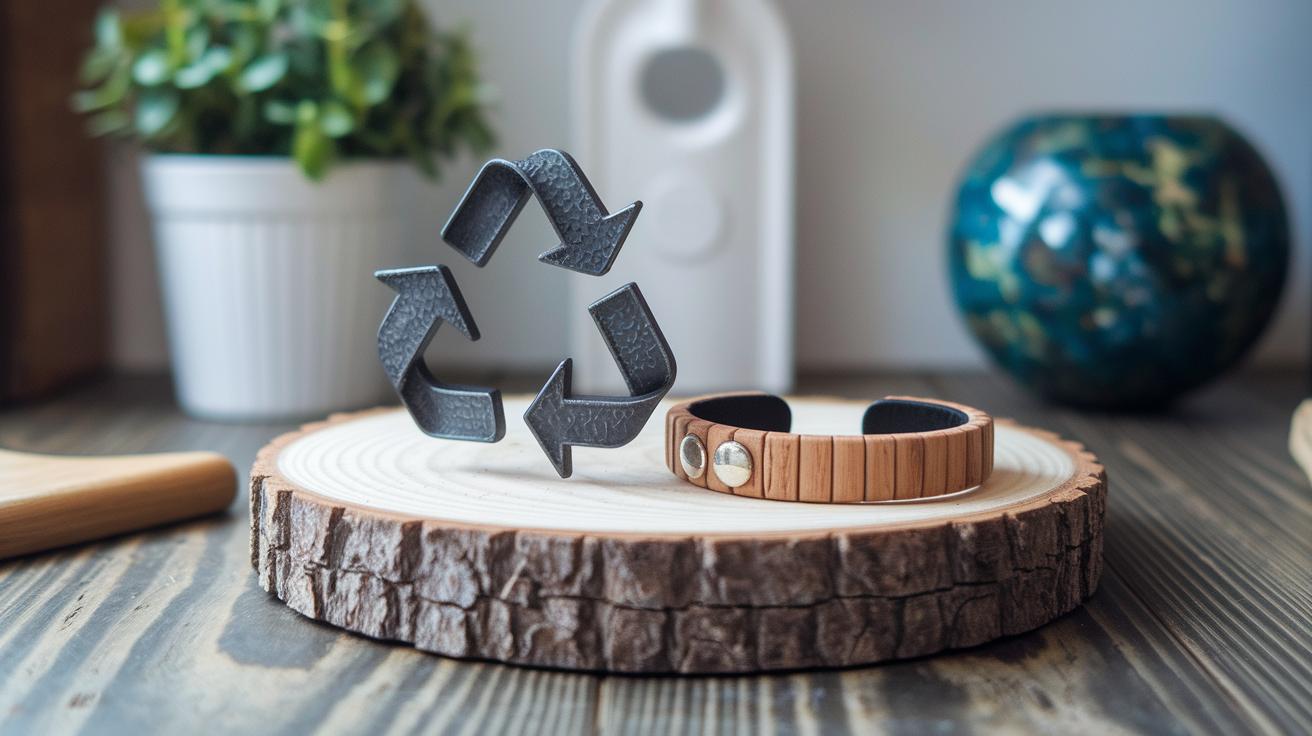
Recycling old materials gives them a fresh start instead of letting them pile up in landfills. When accessories are made from recycled metal, recycled polyester (fabric made from used plastic bottles) or reclaimed wood, they cut down on the need for new resources and use less energy in production. Reclaimed wood and post-consumer recycled metals help save natural resources and take less energy to process. Upcycled materials, like turning old plastics or discarded tires into cool new pieces, boost your style without hurting the planet. Designers keep finding smart ways to reuse these materials, proving eco-friendly accessories can be both eye-catching and built to last.
| Material | Environmental Benefit | Durability | Example Accessories |
|---|---|---|---|
| Recycled Metal | Uses fewer new resources and saves energy | High | Jewelry, buckles |
| Recycled Polyester | Helps cut plastic waste and raw material demand | Moderate | Bags, belts |
| Reclaimed Wood | Prevents wood waste and supports sustainable forests | Moderate-High | Jewelry, frames |
| Upcycled Plastic | Reduces landfill buildup and new production | High | Bag components, accessories |
The table above lays out a simple comparison of recycled and upcycled materials in eco-friendly accessories. Each option helps cut waste while offering practical benefits for everyday use. Recycled metals and upcycled plastics tend to be very durable, so they work well for items that need to last. Recycled polyester and reclaimed wood also bring strong environmental benefits along with good durability. Using these materials means every accessory you choose helps lower waste and supports a cleaner, greener future.
Bio-Based and Innovative Materials in Sustainable Accessories
Bio-based textiles come from plants and algae. They use natural ingredients like corn starch for PLA (polylactic acid, a type of eco-friendly plastic) and fibers made from algae. This means they rely less on fossil fuels and help lower our impact on the planet.
Algae fibers and PLA blends are leading a new way to make accessories. They are strong and work well for modern designs while cutting down on waste and harmful chemicals. It’s a smart mix of nature and technology that shows how green research can create practical, stylish items.
Lab-grown diamonds and crystal-like alternatives also offer a new twist on classic accessories. They deliver a sparkle similar to traditional gems but without the mining damage. Paired with biopolymers (plastics made from natural sources), these materials help brands build designs that are both eco-friendly and fashion-forward.
Ethical Certifications, Sourcing Standards, and Eco-Conscious Design Tips
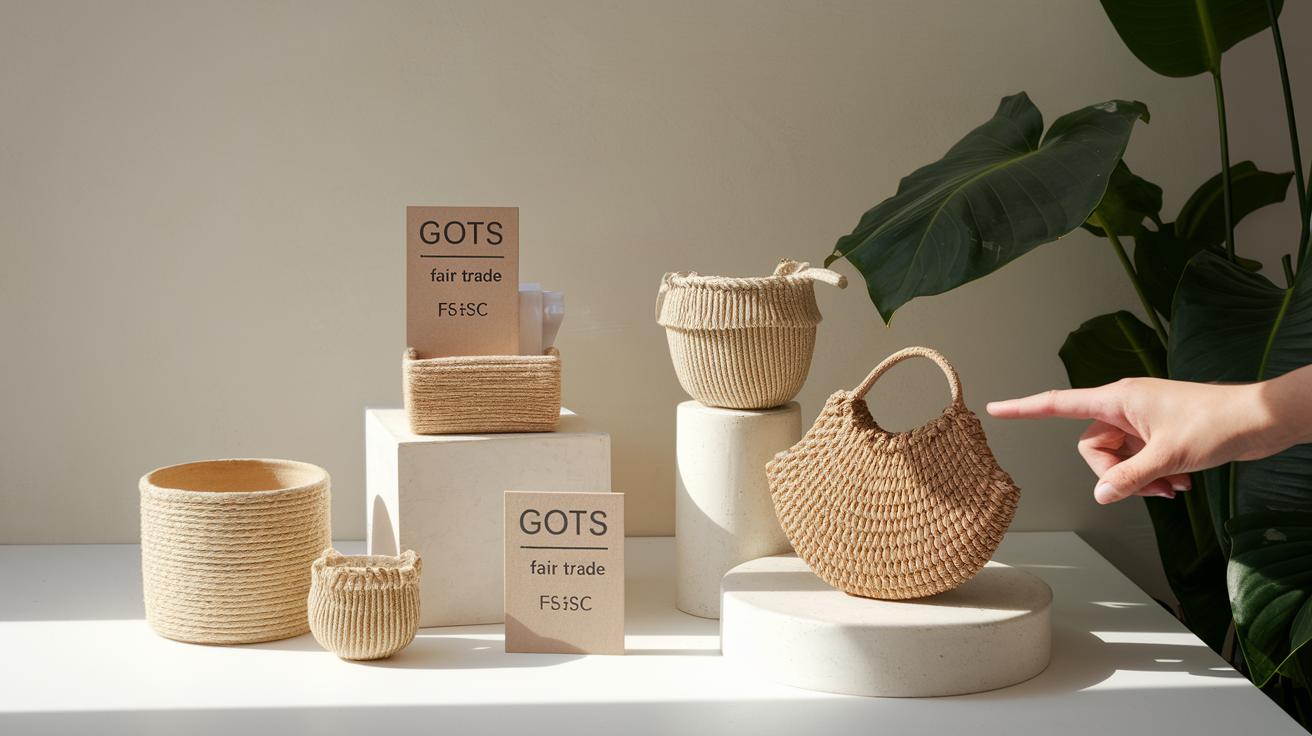
When you shop for eco-friendly accessories, look for labels like GOTS, Fair Trade, and FSC. These marks show that the materials are made with care for both the planet and the people. They give you a quick way to know that the accessory was made with low-impact methods and fair work conditions.
Ethical sourcing means brands follow global rules to protect workers and nature. Companies that follow these guidelines pay fair wages, provide safe workspaces, and work to cut down on pollution. This helps make sure every piece you buy is part of a responsible supply chain.
Eco-friendly design also matters. Look for accessories made with zero-waste techniques and biodegradable finishes. Accessories that use smart material choices and eco-friendly trimmings show a real commitment to caring for the environment.
When you talk to brands or suppliers, ask what certifications their products have and how they keep to ethical standards. Questions like "What marks do your products have?" and "How do you ensure fair trade practices?" will give you more insight. For more details, check out the beginner's guide to assessing accessory quality at JankReviews.
Final Words
In the action, we broke down the essentials of sustainable materials for accessories. We covered renewable fibers like organic cotton, hemp, and bamboo, and looked at vegan leather, cork accents, and recycled elements that cut waste.
Each section offered practical takeaways on eco-friendly design, ethical certifications, and innovative bio-based textiles.
Every tip helps build a wardrobe that lasts while keeping things planet-friendly. Enjoy exploring sustainable accessories: materials to look for when buying.
FAQ
Q: What sustainable accessories materials should I look for when buying in the USA or clothing?
A: The sustainable accessories materials you should seek include recycled metals, organic cotton, hemp, bamboo, recycled polyester, vegan leather, cork, reclaimed wood, bio-based textiles, and natural dyes, all chosen for their low environmental impact.
Q: How is eco-friendly accessories jewelry made?
A: Eco-friendly accessories jewelry is crafted with recycled metals, lab-grown or recycled diamonds, and ethically sourced gemstones, ensuring that the products reduce harm to natural resources and promote responsible practices.
Q: What sustainable fabrics are available for clothing?
A: Sustainable fabrics for clothing include organic cotton, hemp, bamboo, recycled polyester, and other eco-friendly textiles that reduce water use, pesticide reliance, and waste, making them a greener choice for buyers.
Q: Which brands offer sustainable accessories?
A: Sustainable accessories brands emphasize eco-friendly materials and ethical production, verified by eco-certifications, making it easier to choose items that align with both environmental and social responsibility.
Q: What defines eco-friendly fashion accessories?
A: Eco-friendly fashion accessories are designed from recycled, upcycled, or renewable materials, combining style with lower carbon footprints and ethical manufacturing so that every purchase supports greener practices.
Q: Where can I find sustainable fabric suppliers?
A: Sustainable fabric suppliers offer environmentally friendly options such as organic cotton, hemp, recycled polyester, and other eco-friendly textiles produced under ethical standards to help reduce environmental harm.
Q: What are sustainable accessories?
A: Sustainable accessories are items created with materials that have a lighter environmental impact, using recycled or renewable resources and responsible production to support greener consumer choices.
Q: What are the 5 C’s of sustainability?
A: The 5 C’s of sustainability generally refer to key factors like cost, consumption, carbon, community, and care, guiding buyers to evaluate products based on their overall environmental and social impact.
Q: What are good sustainable materials?
A: Good sustainable materials include recycled metals, organic cotton, hemp, bamboo, recycled polyester, vegan leather, cork, reclaimed wood, bio-based textiles, and natural dyes, all of which help minimize waste and environmental damage.
Q: What should I consider when shopping for sustainable products?
A: When shopping for sustainable products, consider checking for eco-certifications, ethical sourcing, low-impact production methods, durability, and transparency from brands about their sustainability practices.