

Ever wonder if your accessories really help the planet? Our green ratings cut through the marketing talk and show you what matters. We use an easy 5-point scale that looks at raw materials, independent checks, recycling potential, and fair working conditions (ensuring workers are treated well). This clear system helps you spot truly earth-friendly items. In this post, we explain how we build each score and why these numbers count for your wardrobe and our planet.
How Sustainable Accessory Ratings Are Calculated

Our system uses a simple 5-point scale that splits a product's eco impact into clear, measurable parts. Half of the score is based on the raw materials used. We look at whether the fabrics are organic, recycled, or upcycled, which means they use less energy and water during production.
A quarter of the points (1.25 out of 5) come from reliable third-party certifications. These certifications check that the product meets standards like fair wages and safe working conditions. The rest of the score comes from checking how easy it is to recycle or reuse the product and how well the brand sticks to ethical practices.
We place raw materials at the heart of the eco grade because using organic, biodegradable, or recyclable materials greatly lowers environmental impact. We also look at how the product is built and how long it lasts, since a durable design helps reduce waste. Tools like Impact Tips and MSI Charts (which use the Higg Index method to rate material performance) give us extra details about the product’s full life cycle.
Real examples in sustainable jewelry reviews show how each part of this rating system works. By splitting the score into raw materials, certifications, end-of-life potential, and brand ethics, the system gives you a clear way to compare accessories on their eco performance.
Core Criteria in Sustainable Accessory Rating Frameworks

This updated framework adds new eco-friendly ideas that show how brands use green methods in real life. It highlights makers who work with upcycled materials and biodegradable fillers, which help make accessories last longer and keep material details clear. These new insights join our regular measures while giving a fresh look at sustainability.
The approach also explains how advanced digital checks and circular designs are used in production. This lets shoppers see beyond the usual terms and understand how eco-friendly accessory designs are changing.
| Criteria | Weight | Focus Area |
|---|---|---|
| Raw Materials | Substantial | New eco materials and emerging compounds |
| Third-Party Certification | Notable | Digital verification and transparent supply chains |
| End-of-Life Potential | Considerable | Circular design and better recyclability |
| Brand Authority | Supportive | Improving brand practices with clear eco promises |
Assessing Raw Materials and Environmental Impact in Accessories
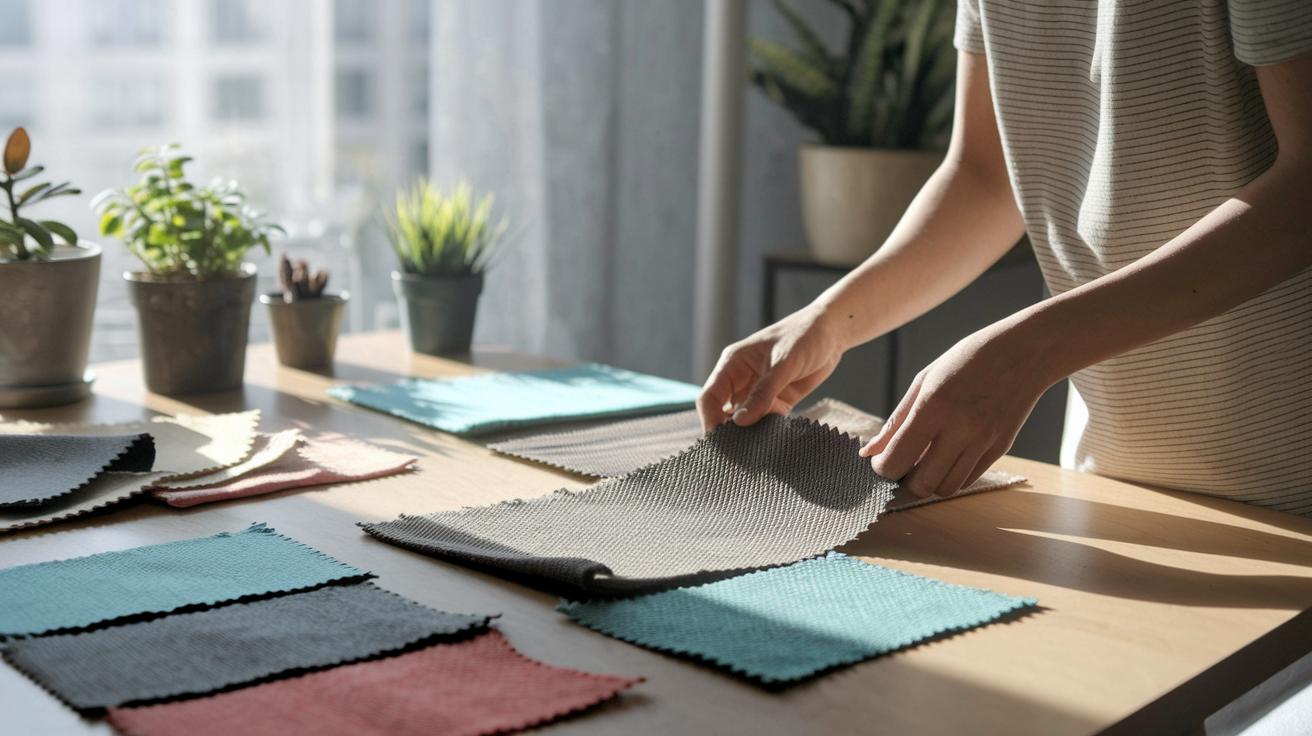
Designers use organic, recycled, and upcycled materials that break down naturally or can be recycled with ease. They pick fabrics that look good and help nature by cutting down the need for new resources. For example, lab-grown cotton feels almost like regular cotton but uses a lot less water and energy. A cool fact: one accessory made from recycled materials can reduce energy use by over 30% compared to normal production methods.
Lifecycle analysis is key to how we score a product's eco impact. Tech like blockchain (a secure way to track information) follows a product from its raw materials to the finished accessory. This approach checks how materials are sourced, made, and handled at every step. It gives shoppers a clear view, so you know the brand is truly working to lessen its environmental footprint.
Durable design is another big win when cutting waste. Brands build items that hold up under daily use and keep their style and function over time. The longer a product lasts, the less often you need to replace it. With smart material choices and careful lifecycle checks, every accessory really adds lasting value to a sustainable wardrobe.
sustainable accessory ratings explained: Elevate Eco Value

Third-party labels like FairTrade, Oeko-Tex, and GOTS count for 25% of an accessory's eco score. They show that a product is made with fair pay, safe work conditions, and care for the environment. It means you can trust that the whole process is open and follows high social and green rules.
That trust does come with some trade-offs. Certification can be pricey, which may keep smaller brands from joining in. Some brands work with groups like Greenpeace to stay clear and earn your trust even when money makes extra certifications hard. This shows that not every promising label can grab the full external nod that backs its ethical claims.
Evaluating End-Of-Life Potential and Brand Authority in Accessories
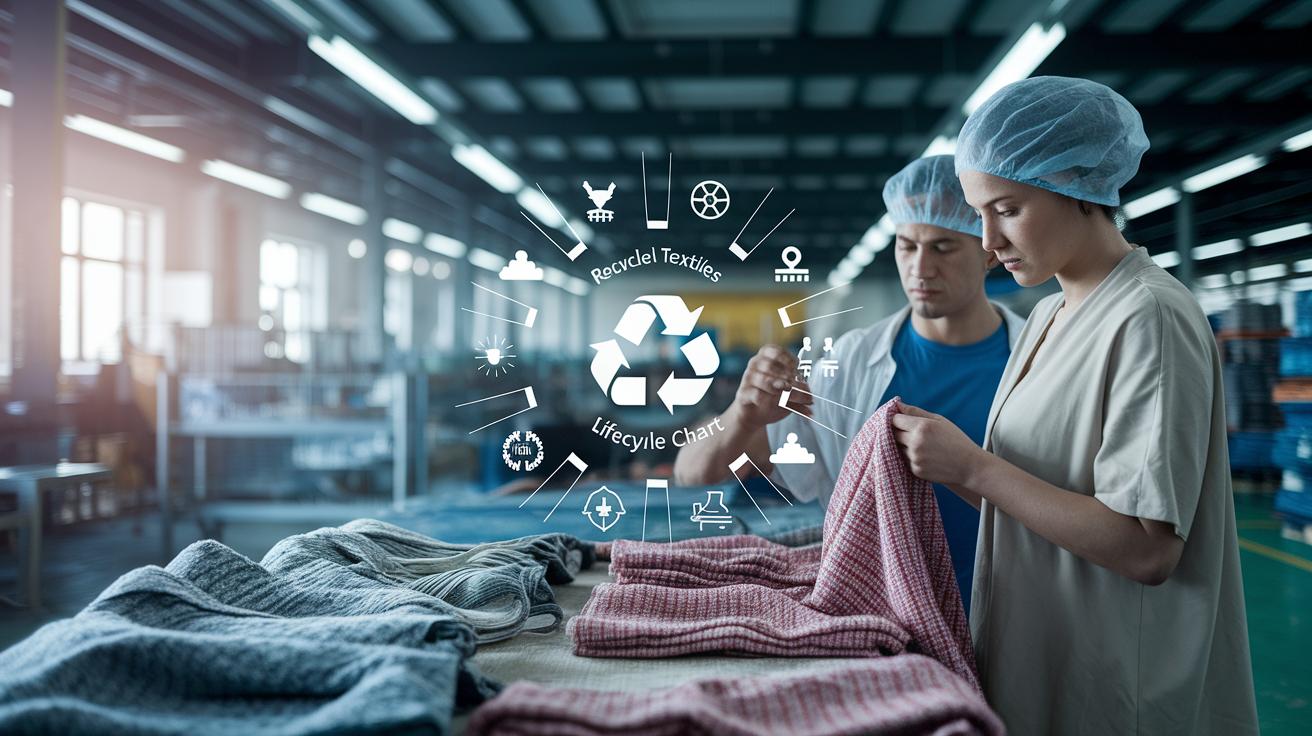
End-of-life potential is key in judging an accessory's sustainability. It shows how easy it is to recycle or repurpose a product when you're done using it. Today, less than 15% of textiles get recycled, which means many items end up in landfills or get burned. We track recyclability and waste diversion to spotlight products that work well during use and also offer a smarter way to dispose of them. Tools like lifecycle analysis (a method to check a product's full impact) and clear graphs help show the trade-offs and benefits over time.
Brand authority makes up 10% of the overall score. It checks if a company follows ethical practices like fair wages and safe working conditions. This measure looks at how real a brand's commitment to social responsibility is, from making the product to taking care of it after you use it. By combining end-of-life potential with strong brand authority, we help you find accessories that are not only good for you but also kind to the planet and people.
Comparing Sustainable Accessory Rating Standards and Tools
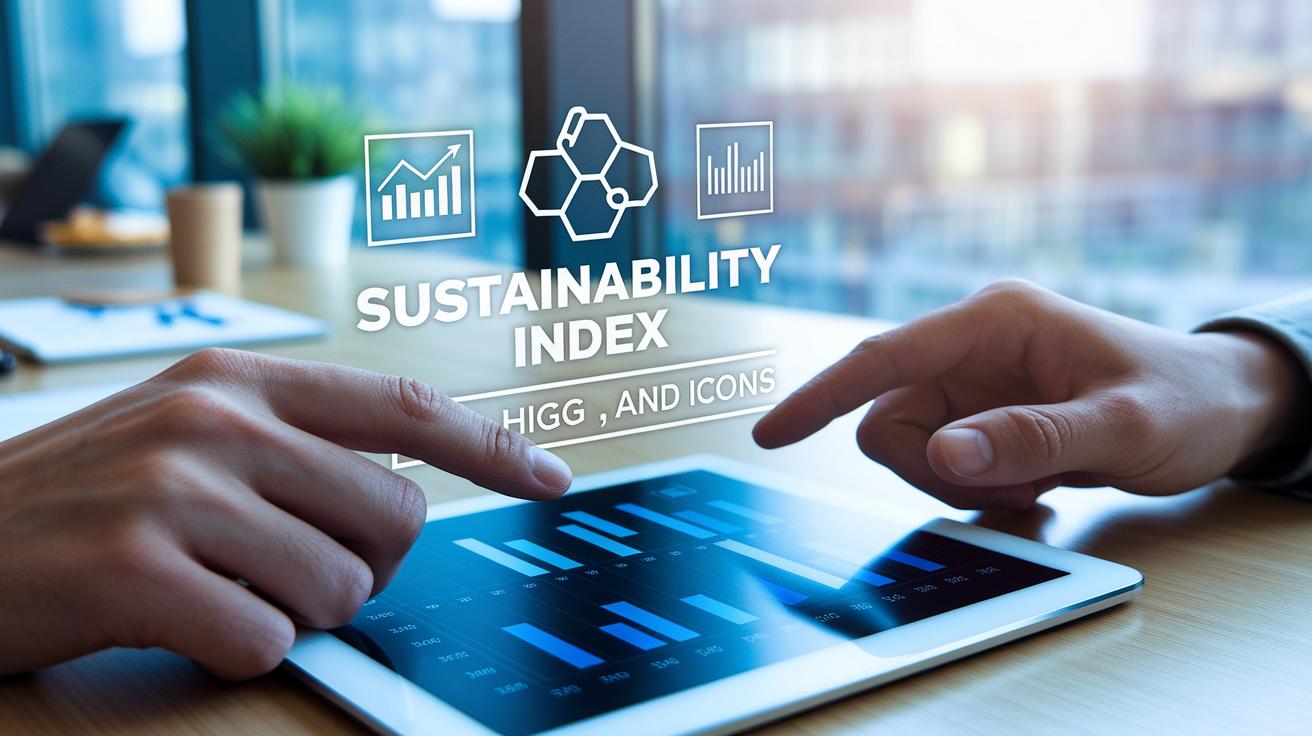
Both the Sustainability Index and the Good On You app rate more than 3,000 brands. They use many of the same criteria but focus on different details. The Index uses MSI Charts that connect with the Higg Index. This gives a deep look at how the material performs. Good On You, starting in 2015, gives you a friendly interface with brand pages, eco-friendly suggestions, messaging with brands, and even discount offers. In short, the Index is best if you want technical details, while Good On You is great for interactive, consumer-friendly tools.
These tools show how well brands meet green standards. The Sustainability Index looks at clear numbers, like how much organic, recycled, or upcycled fabric is used, and it stresses saving money over time with durable design. Good On You also tells you about ethical production methods and smart distribution practices. Each system gives unique details so you can pick the one that fits your shopping needs.
If you want a wider view, check out a full sustainable fashion buyer guide. Both rating systems give you clear insights to help make smart choices that balance performance with ethical practice.
How to Use Sustainable Accessory Ratings for Ethical Shopping

Sustainable accessory ratings give you a simple way to combine style with care for the planet. They show if a brand uses ethical practices and eco-friendly methods. These ratings help you shop smart and support a cycle where goods last longer.
- Look for brands with high sustainability scores
- Contact brands directly if you need more details
- Check local stores that carry rated products
- Explore suggested alternatives with better ratings
- Find repair, donation or swap events to extend an accessory's life
Following these steps helps you pick accessories that match your look and your values. The ratings break down how raw materials, production ethics, and later recycling plans come together. This clear approach makes it easier to reduce waste and support a healthier environment for everyone.
Final Words
In the action, we broke down every part of the sustainable accessory ratings explained, from raw materials to brand authority. We explored how things like eco-friendly materials and third-party checks shape each score.
We also covered practical steps to use these ratings for smart, ethical shopping that minimizes risk and waste. The guide gives clear insights for choosing accessories that last and match your style. Stay curious and shop with confidence!
FAQ
What do ethical fashion ratings measure?
The ethical fashion rating measures a company’s social and environmental commitment. It reviews fair wages, sustainable material use, and production ethics to offer a clear snapshot of a brand’s responsible practices.
What are sustainability rating websites and agencies?
Sustainability rating websites and agencies assess brands based on eco-friendly practices. They use methods like raw material evaluations, lifecycle analysis, and third-party certifications to generate scores that help consumers choose responsibly.
What are sustainability ratings and what is considered a good rating?
Sustainability ratings quantify a brand’s environmental impact. A good sustainability rating reflects strong performance across raw materials, certifications, end-of-life potential, and brand authority, often using a clear 5-point scale.
How many tons of CO2 does the textile industry emit annually?
The textile industry emits around one billion tons of CO2 equivalent annually. This significant output underscores the importance of adopting more sustainable practices to lessen its environmental impact.
How sustainable is ASTR the Label?
ASTR the Label focuses on sustainable practices by using eco-friendly materials and ethical production methods. Their approach incorporates third-party certifications and lifecycle analysis to maintain commendable sustainability standards.
What are the 7 R’s of sustainable fashion?
The 7 R’s of sustainable fashion are Refuse, Reduce, Reuse, Repair, Repurpose, Recycle, and Rethink. These principles guide consumers toward minimizing waste and making smarter wardrobe choices.
What is a gsg score?
A gsg score measures a product’s sustainability using standardized criteria that evaluate eco-friendly material choices, production efficiency, and ethical practices, providing a concise metric to compare products’ environmental performance.