

Ever wonder if your favorite accessories are built safely? Manufacturers follow clear rules to check quality, safe production, and care for the environment. They use guidelines like ISO9001 (a system that checks how good the quality is) and ISO14001 (rules for eco-friendly practices). These standards protect workers and make sure that products pass strict safety tests in key markets like the US and EU. In this post, we break down these rules in simple terms so you know exactly how your go-to accessories are made.
Overview of Accessory Manufacturing Standards
Accessory manufacturing standards guide makers who create items like jewelry, bags, and other add-ons with clear rules for quality, safety, and fairness. These guidelines cover simple quality checks, customer service basics (ISO9001, an international standard that many factories can meet with a fair investment), strict environmental care (ISO14001, key for products focused on saving energy and the environment), and solid worker protection (standards like BSCI and SA8000 that help ensure safe workspaces and fair treatment).
- ISO9001 for quality and customer care
- ISO14001 for environmental responsibility
- BSCI and SA8000 for safe working conditions
- Regular inspections and thorough testing
Makers conduct checks from early production stages all the way to container loading. Lab tests help make sure products are safe, especially in markets with strict US and EU rules. By following these standards, accessory makers keep their products safe, reliable, and in line with international rules.
Regulatory Requirements for Accessory Manufacturing Standards

Accessories sold in many key markets must follow strict rules to keep shoppers safe. In the European Union, REACH (a law that limits harmful chemicals in items that touch your skin) forces manufacturers to test for dangerous substances. This testing helps ensure that no unsafe chemicals are present. A label might say, "Tested to ensure that no harmful chemicals exceed safe limits," giving shoppers peace of mind and helping brands avoid expensive recalls or customs delays.
In the United States, the CPSIA (Consumer Product Safety Improvement Act) requires thorough testing and complete documentation. This is especially true for accessories made for children, such as jewelry and small clips. These tests make sure that young users are not exposed to dangerous chemicals and that the items are built safely. There is also ASTM F2923-14, a guideline for jewelry that sets extra safety standards for materials kids might wear. Both CPSIA and ASTM F2923-14 demand clear lab results and detailed manufacturing records.
Manufacturers also need to stitch in care labels along seams to guide customers on proper care and safety. Separate testing standards for the US and EU help prevent customs delays by ensuring all regional paperwork is in order. This dual approach makes sure that accessories are made with full transparency and meet the high safety standards on both sides of the Atlantic.
Quality Control Benchmarks in Accessory Manufacturing Standards
Manufacturers use a clear, step-by-step plan to check accessories at every stage. First, they review suppliers, making sure raw materials and parts meet basic standards. Next, a factory audit checks the workspace and the consistency of processes.
They also perform audits focused on the people and the planet. Social audits make sure workers are safe and treated fairly. Environmental audits look at waste handling and chemical use (also explained on our website). These checks help keep production clean and ethical.
Inspections happen at key stages: before production starts, during production, right before shipment, and when loading containers. Lab tests add extra checks, covering tests on finished products, recycled polyester (reprocessed plastic), and meeting US and EU rules.
At every stage, early problems are caught. In pre-production, materials are measured and checked for quality, setting the tone for a smooth process. During production, inspectors monitor assembly details to stop defects. Before shipping, products are verified to match safety and design standards. Even container loading is supervised to ensure items handle transit well.
These clear steps help make sure accessories look good, work well, and meet international standards, giving manufacturers and buyers real confidence in the final product.
Certification Procedures Aligned with Accessory Production Standards

ISO9001 is the basic certificate that most accessory makers try to earn. It covers quality checks and customer service basics. Getting ISO9001 takes a moderate fee and a bit of time. Many small and medium accessory producers earn it in just a few months without upsetting their daily work. This certificate shows buyers that the factory follows steady quality checks and keeps up with customer service standards.
ISO14001 goes a step further by focusing on the effect of production on the environment. It sets clear limits on waste, emissions, and resource use (like energy and water). Companies spending on ISO14001 must invest more time and money because they need to take strong measures to cut environmental harm. For example, one manufacturer revamped its waste system and saw a 20% drop in energy use.
BSCI stands for Business Social Compliance Initiative and makes sure workers get fair treatment and safe conditions. This standard looks at the social side of production and checks that employees have clean water, healthy food, and fair work hours. In practice, earning BSCI means a company has passed many audits that confirm it does not use child labor or force long hours.
SA8000 is the top level of social accountability for accessory production. It is hard and expensive to earn because it has strict rules on worker rights and operational excellence. Manufacturers with SA8000 are often linked to respected brands and show high reliability through thorough internal checks.
Standardized Production Methods and Guidelines for Accessories
Using standard methods makes accessory production simple and steady. Manufacturers begin by choosing top-quality materials and stick to clear steps that keep variations low. For example, they use precision CNC machining (a computer-controlled cutting method) with a plus or minus 1 mm tolerance to cut parts accurately and lower mistakes. Strict protocols during assembly ensure that every part fits correctly, much like puzzle pieces clicking together. Design-for-manufacturability practices help catch errors early before the accessories reach the market.
Below is an HTML table that shows the main process stages in accessory production and what to check at each step.
| Step | Key Guidelines | Quality Checkpoint |
|---|---|---|
| Material Sourcing | Pick suppliers known for quality and steady supply | Check supplier certifications and material grade |
| Cutting/Shaping | Use accurate tools to get clean, precise edges | Confirm dimensions meet set tolerances |
| Precision CNC Machining | Run machines at plus or minus 1 mm accuracy for detailed parts | Measure parts to ensure correct dimensions |
| Assembly & Parts Alignment | Follow clear steps to fit all components together smoothly | Verify joints are secure and parts line up right |
| Finishing and Sealing | Apply finishing touches that prevent leaks and follow design rules | Do leak tests and check the overall finish |
Each stage works together to produce accessories that feel well-made and last long, meeting global standards every step of the way.
Testing and Validation Procedures in Accessory Manufacturing Standards
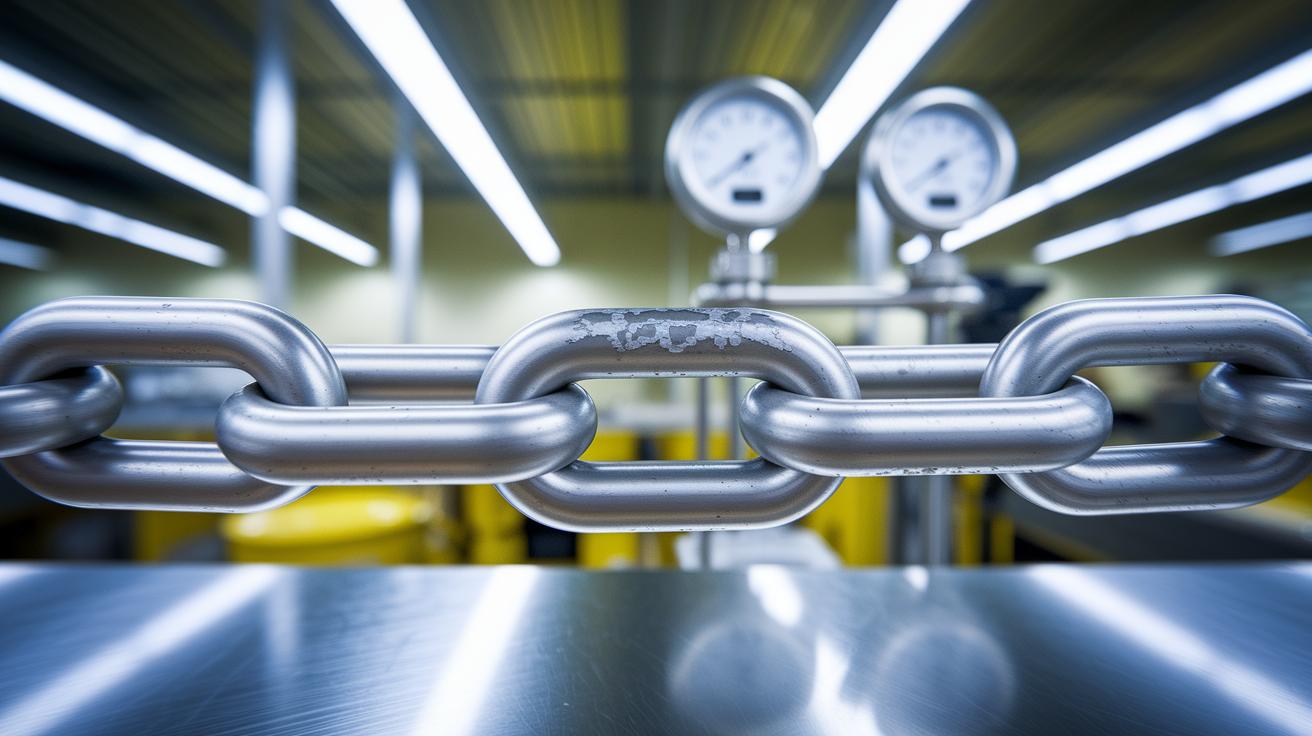
Performance tests are the backbone of quality checks in accessory production. Manufacturers run simple tests to see if items can handle everyday use. They pull and stretch parts (tensile strength tests) to check if they tear easily. They also expose items to moisture (corrosion resistance tests) and check if colors last after a wash or sunlight (color fastness tests). Plus, they check that any coatings stick well (finish adhesion tests). For example, a lab might pull a metal chain link until it stretches, then look closely at the plating to make sure nothing peels off.
Material checks continue after the initial tests. Every accessory gets a final look before packaging. This end-of-line test makes sure that dimensions, surface quality, and other details meet standards. These extra steps catch mistakes that might affect how the accessory works in daily life. Regular in-process tests and this final inspection help prevent defects and ensure consistency.
Different areas sometimes need extra tests. In the United States, children's products go through extra safety checks to meet strict guidelines. In Europe, testing focuses on reducing harmful substances to keep accessories safe for skin contact. This mix of tests means that each product meets both global performance rules and special requirements for key markets.
Regulatory Challenges and Requirements
Accessory makers must follow strict rules in every market. In the US, rules like the CPSIA keep chemicals in check. In Europe, REACH makes sure harmful substances are controlled for products that touch your skin. Jewelry also follows ASTM guidelines, and care labels explain how to clean the item properly. This means companies spend time on testing, tweaking designs, and preparing documentation for each region. For instance, a maker might run tests that meet US requirements while also preparing reports for Europe.
Shipping across borders adds extra steps. Differences in customs and product compatibility mean companies need to run tests for each market and prepare region-specific reports to avoid delays. Key methods include:
| Strategy | Description |
|---|---|
| Simultaneous Testing | Running compliance tests at the same time for different markets |
| Streamlined Reports | Creating lab reports that can be used in multiple regions |
| Design Adjustments | Changing designs to fit different documentation requirements |
These strategies help brands handle global trade challenges and keep products compatible with various regulations.
understanding accessory manufacturing standards: Clear and Simple
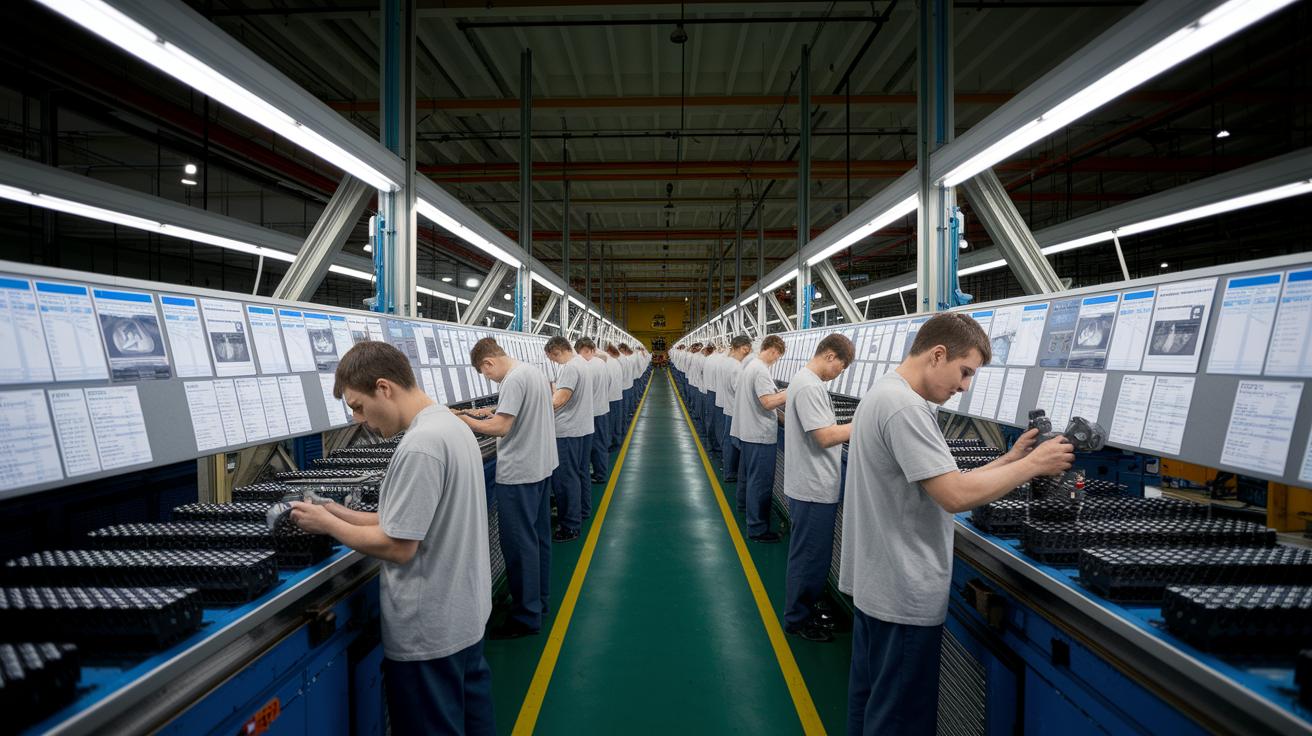
Manufacturers follow a four-step cycle: Plan, Do, Check, Act. They start by planning detailed audits to spot any issues early. During production, they keep a close eye on the work and then review the results to make any needed changes. For example, a factory may plan an audit for a new batch of accessories, carry out a careful check as they go, and then have a review session to ensure every adjustment is made.
They also use simple tracking systems that let them follow every part through production. This helps them quickly find weak spots and maintain reliable quality. Independent inspectors often step in to confirm that all safety and quality rules are met.
Regular environmental checks are another key part of the process. These checks monitor resource use and waste, making sure production stays in line with current guidelines. By blending routine audits with internal reviews, manufacturers keep refining their processes for better efficiency and responsibility.
Final Words
In the action, we explored accessory manufacturing standards from defining certifications to detailed regulatory tests and continuous process improvements. The article broke down quality benchmarks, inspection requirements, and international comparison points to explain how these standards secure product safety and durability.
Our review aimed at empowering smart shoppers with practical insights for understanding accessory manufacturing standards. The clear guidelines provide a roadmap to make confident purchases built on compliance and quality. Enjoy making well-informed accessory choices!
FAQ
What does understanding accessory manufacturing standards mean, and is there a PDF resource for it?
Understanding accessory manufacturing standards refers to detailed guidelines that ensure quality and compliance in accessory production. A PDF on this topic typically outlines relevant ISO protocols, inspection methods, and certification criteria.
What does FDA accessory guidance and definition mean in medical device manufacturing?
FDA accessory guidance and definition explain that an accessory is a supporting item that aids the primary medical device’s function. This guidance details testing, safety processes, and regulatory pathways required for clearance.
What are examples of medical device accessories, and how do they differ from components under MDR?
Medical device accessories include items like chargers, holders, or sensors that complement the main device. In contrast, components are integral building blocks. Both must meet quality and safety standards under the MDR.
What are the common standards used in the manufacturing industry, including ISO standards?
Common manufacturing standards include ISO9001 for quality management and ISO14001 for environmental impact. These standards, along with others, provide clear benchmarks for quality, compliance, and performance in production.
What are the regulatory requirements in manufacturing for accessories, especially in the US and EU?
Regulatory requirements for accessory manufacturing include REACH in the EU for limiting harmful substances and CPSIA in the US for strict safety tests, along with ASTM and CARE labeling protocols to meet regional compliance.
What factors classify an item as an accessory in manufacturing standards?
An item is classified as an accessory when it serves a supporting function to a primary product without being an integral part of it. This classification guides design, testing, and compliance standards.
How do human factors and usability engineering apply to medical devices and their accessories?
Applying human factors and usability engineering means testing devices and accessories with real users to ensure ease-of-use, clarity, and safety in real-world, practical conditions.