

Quick verdict: Sometimes, a poor fit isn't your fault, it all comes down to how clothes are measured and made.
Ever wonder why that favorite outfit feels off? It might be because the way the size is measured, the fabric cut, and how it drapes on your body don’t always work together perfectly. Picture your body as a puzzle; each piece, from the cut to the size and placement, needs to match for a truly comfortable fit.
We break down easy tips to help you pick clothes that flatter your body. By understanding the simple differences in sizing and construction, you can shop with confidence and feel stylish every day.
Understanding Clothing Size and Fit: Feel Stylish Today
When you shop for clothes, it helps to know the differences between cut, size, and fit. The cut determines the shape and style of the garment and is set once the piece is made. For example, Suit Supply’s "The Washington" sports a slim, tailored Italian cut that looks modern but may need careful tweaks for comfort.
Size refers to the numbers or letters that represent body measurements. There is no global standard, so a size M from one brand might feel different from a size M from another. Think of sizes as a rough guide to your body dimensions.
Fit is all about how the garment sits on your body and moves as you do. Even a well-cut item can feel off if the fit isn’t right, leaving you with tight spots or extra fabric in areas like your bust, armholes, or waist. Simple adjustments, such as taking in the side seams, shortening the sleeves, or altering the trouser waist, can greatly improve the fit without changing the cut.
Remember to measure yourself carefully. For instance, record your bust at its fullest point (like 98 cm or 38.5 inches) to help choose the correct size. Matching your measurements with the garment’s design ensures your clothes look as stylish as they feel.
Measuring Your Body for Accurate Size and Fit
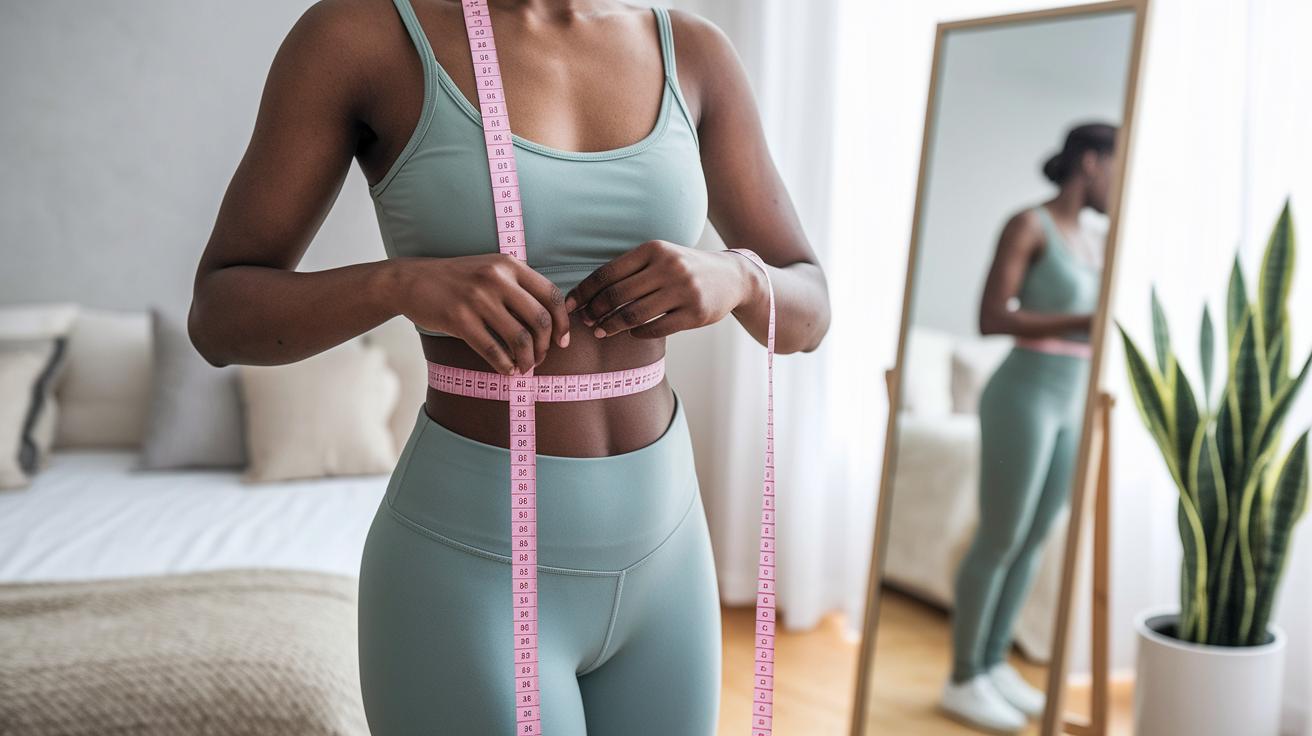
Getting your measurements right is the first step to a good fit. Grab a soft tape measure that wraps easily around you and note down your numbers in both centimeters and inches. It helps to stand in front of a mirror so the tape stays straight.
Start with your bust. Stand relaxed and measure across the fullest part of your chest. For example, you might record 98 cm (38.5 in). Next, measure your natural waist at the narrowest spot, maybe around 76 cm (30 in). Then, wrap the tape around your hips at the widest point.
Remember to check your shoulder width and inseam too, as these parts can change how a piece of clothing fits. Write every measurement down and double-check them against a list to avoid mistakes. A good tip is to measure your inseam the same way you would fit your favorite pair of jeans.
Following these simple steps means you know your real size. This helps you pick clothes that fit well right off the rack, reducing the need for later tweaks. Always check your measurements again to be sure you got them right.
Reading and Comparing Clothing Size Charts Worldwide
Different parts of the world label sizes in their own way. In the US, you often see letters like S, M, or L. This is called alpha sizing, and it covers about a 2-inch range in measurements. It keeps things simple if you just want a quick idea of where you might fit.
In Europe and Britain, sizes are usually given as numbers. For example, women’s sizes can go from 0 up to 16 or more, with each number getting closer to your actual body measurements. For men, things like trousers are sized by inches, such as 32, 34, or 36. This numeric approach uses 1-inch steps to help you match your measurements more exactly.
Because size charts vary by region and even among brands, a US size 8 might not match a European size straight across. That is why conversion charts are handy when you shop online, they help you go from one system to another. While letter sizes are simple and feel less strict, numeric sizes let you hone in on the fit you need.
A good size chart will also show key measurements like bust, waist, and hips in both centimeters and inches. Always check the chart for the brand you are buying from, as conversion charts are just guidelines. This way, you can shop global clothing sizes with a little more confidence.
Key Fit Styles and Terminology in Clothing

When picking out clothes, knowing the fit can really make a difference. Slim fits hug your body for a clean, neat look. Regular fits balance everything with a comfortable feel that is not too tight. Relaxed fits offer extra room so you can move easily.
Even if two people have the same bust, waist, and hip sizes, their best fit might not be the same. For example, someone with a fuller bust may need a design that gives more space around the chest, while a person with broad shoulders might want loose armholes. Think of it like a shirt that suits one person perfectly but leaves gaps under the arms on another. This little detail can make your next fitting room experience a lot less frustrating.
Some common problems are tight busts, loose armholes, and waistbands that don't sit right. To get a look that flatters, keep your unique shape in mind. Here are some quick hints:
- Check your bust cup size, shoulder line, and torso shape.
- Pick styles that work well with your body type.
These tips can guide you in choosing clothes that not only fit the way you want but also highlight your natural shape.
Selecting Your Ideal Size and Fit: Online and In-Store Tips
Start by taking your own measurements. Jot down your bust, waist, and hip sizes, then check the brand's size chart to see where you land. If you are between sizes, try ordering two and return the one that fits worse. Knowing your measurements before you shop saves you both time and hassle.
For online shopping, try out virtual measuring apps or AI tools (computer programs that suggest your size based on your details). One tester said, "Before using a digital tool, I would guess my size. Now, I almost always pick the right one on my first try." This simple step helps cut down on returns and boosts confidence in your choice.
When you shop in stores, use the fitting room to test the clothes. Walk around, stretch, and twist a bit. This lets you feel how the fabric moves and recovers after you move. Check how it drapes and stretches, especially with items like A-line skirts or tops with stretch panels that work with your curves.
- Review your measurements
- Check the brand’s size chart
- Order two sizes if you are unsure
Following these steps helps you pick the right size and ensures the clothes are comfortable and move with you every day.
Tailoring and Custom Solutions for the Perfect Fit

Tailoring your clothes is a smart way to fix those common fit problems found in off-the-rack pieces. Working with a tailor means you get a garment that’s changed to suit your body perfectly. Even small adjustments, like shortening a sleeve or taking in the side seams, can transform a loose piece into one that fits just right. Take Suit Supply’s "The Washington" for example. Its slim Italian cut may need a few expert tweaks to mix style with real comfort.
A little trim on the side seams can help your outfit follow your body’s curves better. New tools like predictive fit algorithms (tech that predicts the best fit), 3D CAD sampling (digital design of the garment), and digital fit checks make finding your perfect size even easier. These tools match your measurements with the garment’s design so you end up with something that truly fits.
Sometimes simple fixes aren’t enough. Professional style consultations can spot issues that a quick alteration cannot fix on their own. They tailor the garment based on your unique body shape.
- Adjust side seams
- Modify sleeve lengths
- Alter trouser waists and hems
These custom solutions ensure your clothing not only fits well but also feels comfortable when you move around.
Final Words
In the action, we broke down how size, cut and fit interact to shape your look and comfort. We walked through measuring your body, reading size charts and spotting fit styles that suit your shape.
We even touched on tailoring fixes when off-the-rack garments don’t meet the mark. All of these steps help build a stronger foundation for understanding clothing size and fit. Enjoy putting these tips to work for a wardrobe that feels just right.
FAQ
How can I understand clothing size and fit using sources like Reddit, calculators, and online guidelines?
Understanding clothing size and fit means using online resources such as reddit discussions, fit calculators, and guides based on inch measurements. These help shoppers compare real experiences and tailor their choices.
What do clothes size charts for female, male, and US clothing include?
Clothes size charts list measurements for garments by gender and region. They convert numeric and letter sizes so you can match your body dimensions with brand-specific charts for a better selection.
What is standard size in clothing?
Standard size in clothing refers to common measurement ranges that most brands use. Even though there’s no global standard, these ranges offer a baseline to help shoppers predict a good fit.
What is the 3-3-3 rule for clothing?
The 3-3-3 rule for clothing means checking three key measurements—bust, waist, and hips—to quickly assess if a garment fits well and feels comfortable on your body.
What’s the difference between size and fit in clothing?
Size indicates the numerical measurement of a garment, while fit describes how it drapes on your body. Fit depends on the cut and design, affecting comfort and overall look.
What does “17 34 35” mean in clothing measurements?
“17 34 35” represents specific body measurements, likely corresponding to bust, waist, and hip dimensions in inches. These numbers help guide you to the correct size in a brand’s chart.
How can I understand clothing sizes overall?
Understanding clothing sizes starts with measuring your bust, waist, and hips accurately, then comparing these measurements with a brand’s size chart to determine the best numerical or letter size for you.