

Quick Verdict
Quality matters. Your favorite accessory should stand the test of time.
Why We Looked Into This
Have you noticed a bag, belt, or scarf start to lose its charm after a few wears? We wanted to find out why some pieces look fresh longer than others.
What We Found
We broke down three key parts that make a difference:
- Durability (how well the material holds up)
- Texture (how the fabric feels against the skin)
- Overall value
The Details
Materials like leather and woven cotton are built for everyday wear. They hold up better with regular use, keeping your accessory looking good longer.
Keep these points in mind the next time you shop for accessories so you can spot pieces that are truly well made.
Defining Material Quality in Fashion Accessories
Material quality in fashion accessories boils down to three simple parts: durability, looks, and value. Durability is all about an accessory standing up to everyday wear and tear without ripping or pilling. Looks cover its feel and appearance, like the texture and how well the color holds. Value means the piece stays attractive even after many wears and washes. We check the fabrics and how they are put together to make sure they last and look good over time.
An accessory’s overall quality depends on its fabric type, weight, and makeup. For example, stretch fabrics like spandex or athletic mesh move with you and keep their shape. Woven materials, such as corduroy or canvas, are judged by how they are woven and their GSM (grams per square meter, which shows how heavy the fabric feels). Natural fibers are usually softer and hold their dye better, while some synthetic materials might pill. By looking at details like even hems and secure stitching, we can tell how well a piece will hold up with regular use.
Material Types and Quality Benchmarks in Accessories
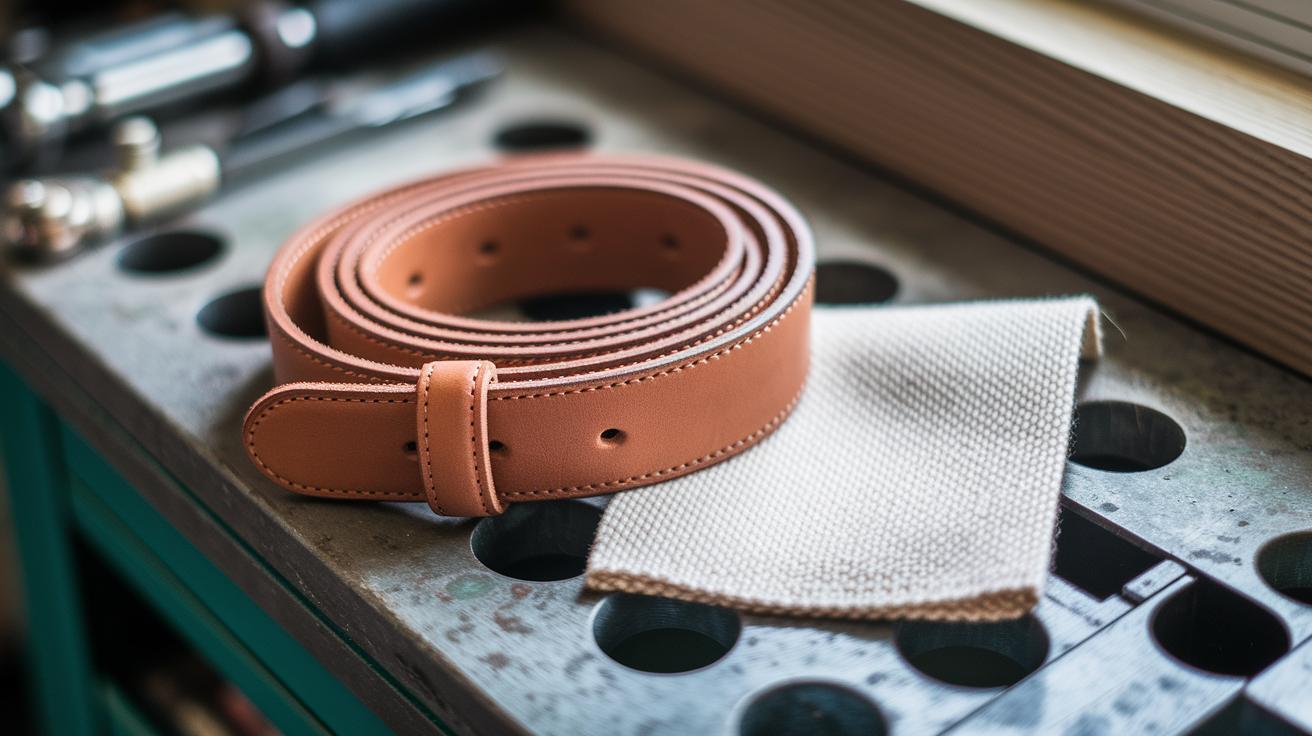
The type of material matters a lot when picking out quality accessories. For leather, look for a pronounced grain and a tanning process that leaves it soft and natural to the touch. Fabrics like woven cotton stand out because they keep an even weight and hold their color, wash after wash. If you lean toward synthetic options, stretch nylon gives you great flexibility and shape retention while resisting small fabric balls, though it might not last as long as natural materials. Metal hardware, such as zippers and studs, should be built with a strong base metal and secure attachments to ensure they stay put.
| Material Type | Key Quality Indicator | Example Spec |
|---|---|---|
| Full-Grain Leather | Grain texture and full tanning process | Supple, natural finish |
| Woven Cotton | Uniform weight and color retention | Consistent GSM and dye resistance |
| Stretch Nylon | Elasticity and pilling resistance | High stretch recovery |
| Metal Hardware | Base-metal strength and secure attachment | Thick plating and firm fastening |
Quality accessories strike a smart balance between function and style. Good full-grain leather shows natural texture and can handle everyday use. Woven textiles should feel even and resist rubbing off the dye, while synthetic materials need to hold their stretch over time. And sturdy metal parts make sure that all the details are lasting investments in your wardrobe.
Testing and Evaluation Methods for Accessory Material Quality
Lab and at-home tests give clear insights into how accessory materials stand up to everyday use. They turn vague quality claims into facts you can rely on. For example, checking a fabric's GSM (grams per square meter, meaning how heavy it feels) or running a wash/colorfast test shows if the accessory can handle routine wear.
These tests check if the textiles keep their strength, hold their color, and resist stress. Both controlled lab methods and simple DIY tests let you see how protective coatings and elastic parts behave when bent or stretched under pressure.
- GSM weight check: Confirms the fabric's weight and sturdiness.
- Wash/colorfast test: Verifies if the accessory keeps its color after many washes.
- Martindale abrasion test: Mimics long-term rubbing to reveal surface wear.
- Pilling box test: Examines if little fuzz balls or pills form on the fabric.
- Stretch-recovery measurement: Checks if elastic parts bounce back to shape after being pulled.
Using these tests gives you solid data before buying. For instance, if a GSM reading comes in low, the fabric might be too light for daily use. Similarly, poor performance in the colorfast or abrasion tests can warn you that the accessory may show signs of wear sooner than expected. This hands-on approach helps you pick accessories that look good and last long.
Craftsmanship Quality: Construction and Finishing in Fashion Accessories
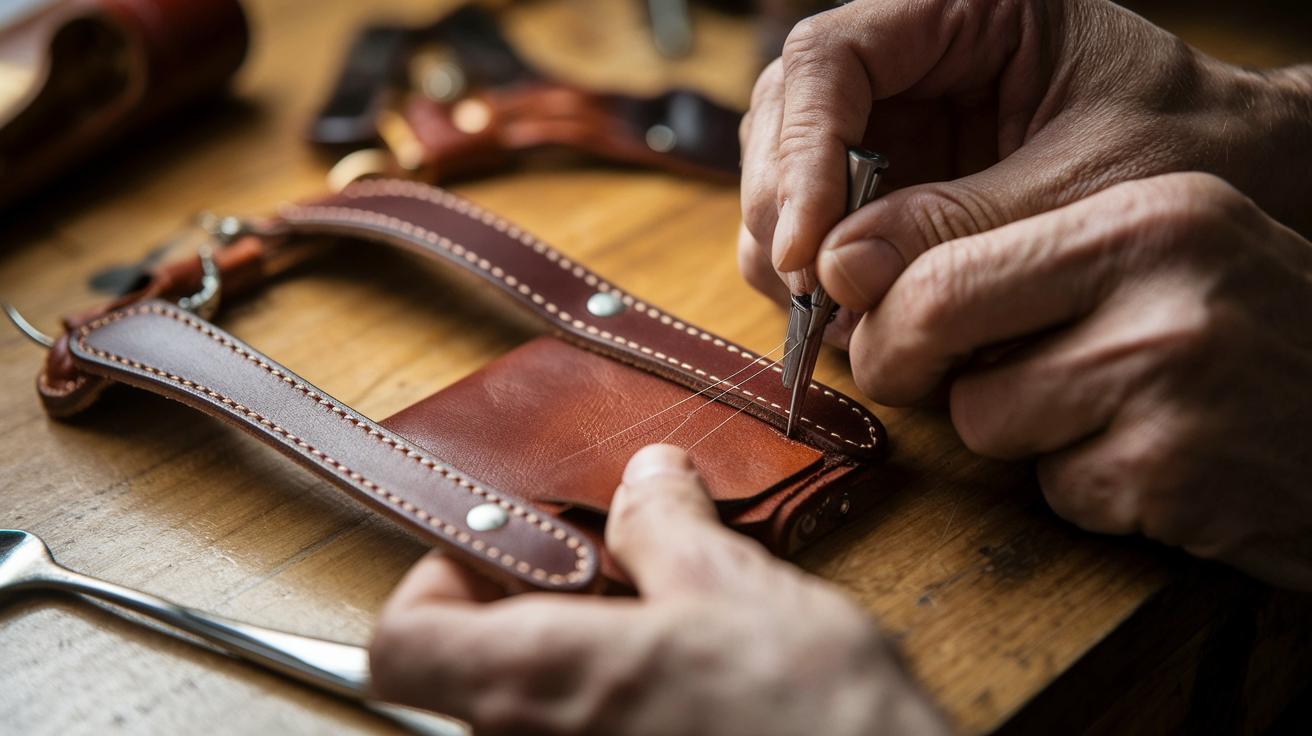
Expert work makes all the difference when it comes to how long an accessory lasts. Quality checks focus on tight, even stitching and finish techniques like flat-felled or French seams (which give a neat, smooth look). Reinforced spots, such as corners and strap areas, help the accessory hold up to everyday use. When seams line up correctly, the piece feels comfortable and clearly well-made. A solid build not only boosts durability but also enhances the overall look.
Paying attention to the small details is key. Well-stitched decorations and hardware show that the maker took care during production. Extra fabric along the hems even lets you adjust the fit later on. This kind of craftsmanship proves that the item has been carefully inspected and tested, making it a stylish choice that can handle daily wear.
Stitching and Seam Techniques
We test different seam types and their tension to ensure the stitching is even and strong. Flat-felled seams are chosen for a clean finish, while French seams give a smooth inside that feels great against your skin.
Embellishment and Hardware Assembly
Secure attachment matters when it comes to adding decorative details. Every embellishment is stitched in place, and the hardware is checked thoroughly to make sure it stays put. This careful assembly helps the accessory maintain its quality day after day.
Care and Maintenance Practices to Enhance Material Longevity
Leather accessories need a little extra TLC to stay soft and full of life. We recommend using a pH-balanced balm (a gentle conditioner for the leather) that keeps your item nourished and looking natural. Also, store your leather away from harsh sunlight and high humidity to avoid fading and cracks. For example, treat your favorite leather bag with a thin layer of balm before putting it in a cool, dry spot.
Metal details, like buckles or zippers, do best when you polish them regularly with a soft cloth. This helps keep them shiny and free of scratches. For fabric parts, read the care label and follow its instructions. A gentle wipe with a damp cloth usually removes surface dust and keeps colors bright.
It's smart to inspect your accessories often. Check for loose threads at the seams, examine metal parts, and look over fabrics for any signs of fraying. Taking care of small repairs early, like tightening a loose screw or mending a tear, can stop problems from getting worse and help your pieces last longer.
Sustainable and Ethical Material Selection in Fashion Accessories
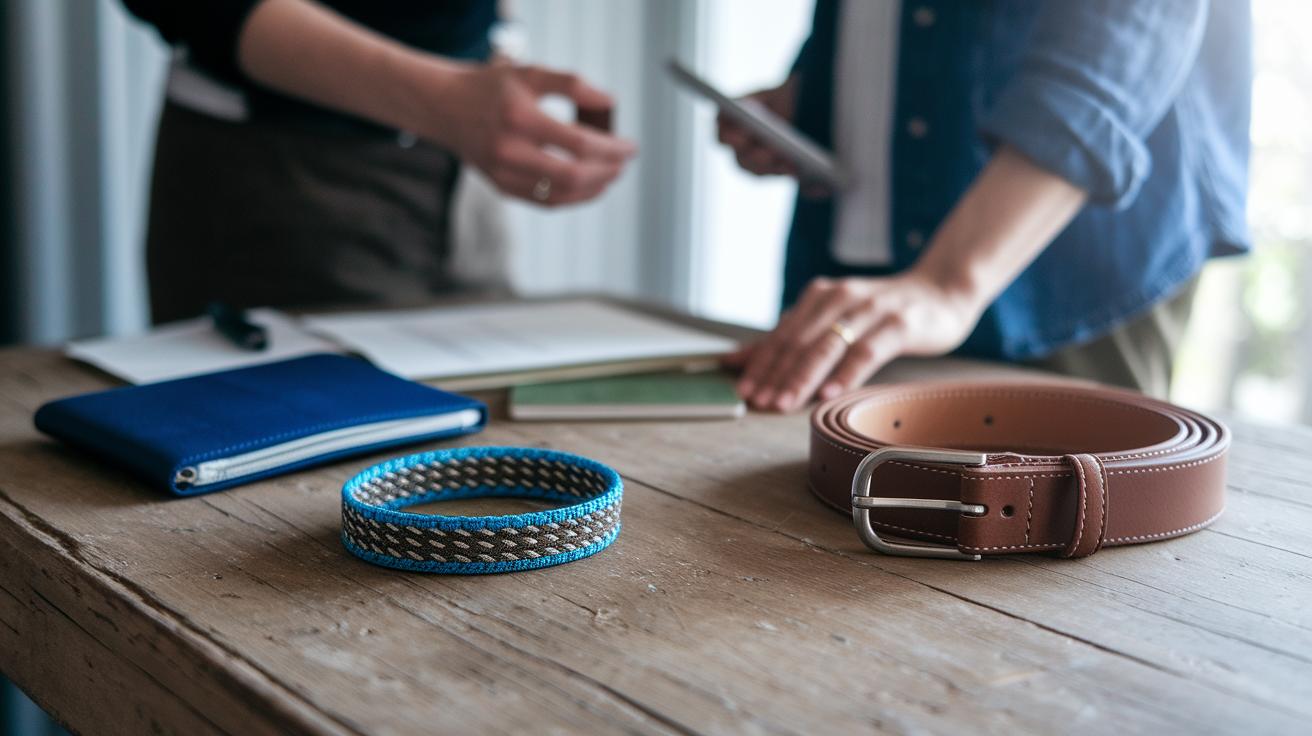
Choosing the right materials is key to making eco-friendly fashion accessories. Designers now pick recycled or organic components to cut down waste and lessen harm to nature while keeping quality high.
Many accessories use recycled PET straps (made from plastic bottles), GOTS-certified organic cotton linings (grown without harsh chemicals), vegetable-tanned leather (a softer and greener way to treat leather), and fair-trade metal alloys. For example, vegetable-tanned leather feels soft and holds up well, while recycled PET straps and organic cotton linings stay light and strong through daily use.
Research shows that these responsibly sourced materials work just as well as traditional ones. They offer solid durability without the extra environmental cost.
When you see fair-trade marks or clear ethical sourcing information, you can trust that the product meets strict standards in both production and social care. These symbols help you know that the accessory was made with care for people and the planet.
Final Words
In the action, we broke down key traits, from fabric weight and testing to stitching and care routines, that show how each detail shapes the durability, look, and feel of an accessory. Every step plays a role in understanding material quality in fashion accessories.
This review leaves us with clear, practical tips for selecting pieces that not only fit well but also hold up wear after wear. Enjoy building a wardrobe you can trust and love.
FAQ
What defines high quality materials for clothing, such as those shown in a fabric quality chart and fabric check?
High quality clothing comes from fabrics that show durable construction, consistent weight, and proper finishing. Charts compare fabric weight (gsm), weave type, and color retention to help you assess quality.
How do you describe or tell if a clothing item is high quality?
High quality clothing shows even stitching, minimal pilling, and a uniform finish. These signs, along with proper fabric density and secure trims, help you decide if the item will last.
How do you determine fabric quality?
You determine fabric quality by checking fabric type, weight, and finish. Testing for GSM, colorfastness, and even stitch work gives you a clear idea of the material’s durability.
What is considered the worst material for clothes?
The worst materials are low-grade synthetics that pill, lack breathability, and lose shape quickly. These fabrics tend to offer poor comfort and do not stand up to regular wear.
Which clothing material is the least toxic?
Natural fibers like organic cotton or linen are among the least toxic options. They generally require fewer chemicals during production, making them a safer choice for sensitive skin.
What is the best clothing material for summer?
The best summer materials are lightweight and breathable natural fibers like cotton or linen. They allow air to flow freely, keeping you cool and comfortable during hot weather.
What are the key characteristics of quality fashion accessory products and why is understanding fabric properties important?
Quality accessories feature robust materials and sound construction, such as strong seams and secure hardware. Understanding fabric properties helps ensure the accessory looks good and performs well over time.