

Ever wondered if a luxury watch is really worth its high price? Many people think that a big brand or steep cost means top-notch quality. But the secret is all in the details. Every part of the watch counts, from the sturdy materials and the carefully crafted inner parts to the precise movements and the history behind it. In this post, we look at the simple criteria that make luxury watches stand out and explain how each tiny tick adds to their appeal.
Key Criteria Behind Luxury Watch Ratings

Luxury watch ratings help you figure out if a watch is worth it. They compare style, performance, and how well it is built. Reviewers look at top-notch materials like precious metals and special alloys. They also check the movement (the engine inside the watch) whether it is mechanical or a fancy quartz type like those found in Breitling or Grand Seiko. Accuracy tests, like the COSC standards of +6/-4 seconds per day, along with water resistance and scratch-proof sapphire crystal, are part of the test.
No one feature makes a watch truly luxurious. Every part plays a role. A watch might have a strap made from full-grain leather for extra comfort and durability, but if the movement is off, it still misses the mark. Blending classic design with modern ideas makes sure that each tick counts without losing style.
A good rating looks at these areas:
- Material
- Movement
- Precision
- Design and Finishing
- Brand and Heritage
- After-Sales
When you put all these parts together, you get a clear picture of the watch. The materials lay the strong base, the movement and precision drive how well it works, and the design and brand history add emotion and tradition. Good after-sales support then makes sure that the watch keeps working well over time. This balanced method helps collectors and fans decide if a watch is the right buy.
Material Composition Review for High-End Timepieces

When it comes to a luxury watch, the best materials make all the difference. They help the watch last longer and look appealing every day. Using high-quality metals not only improves durability but also gives the watch an elegant feel.
| Material | Use | Durability Rating |
|---|---|---|
| Gold | Elegance, weight balance | High |
| Titanium | Lightweight strength | Very high |
| Steel | Robust casing | High |
Sapphire crystals are common in luxury watches. They are very hard and resist scratches. Many watches add an anti-glare coating to keep the dial clear, even in bright light. Brands work hard on precise cutting and layering so these crystals stand up to everyday bumps and scrapes while staying sharp and clear.
Strap materials are just as important. Full-grain leather looks classic and lasts well, which is perfect for those who love a timeless style. Metal bracelets made from stainless steel or special alloys offer a modern look and a strong, lasting shine. Choosing between leather and metal is all about your personal style and how you want the watch to feel on your wrist.
Movement & Chronometric Precision Analysis
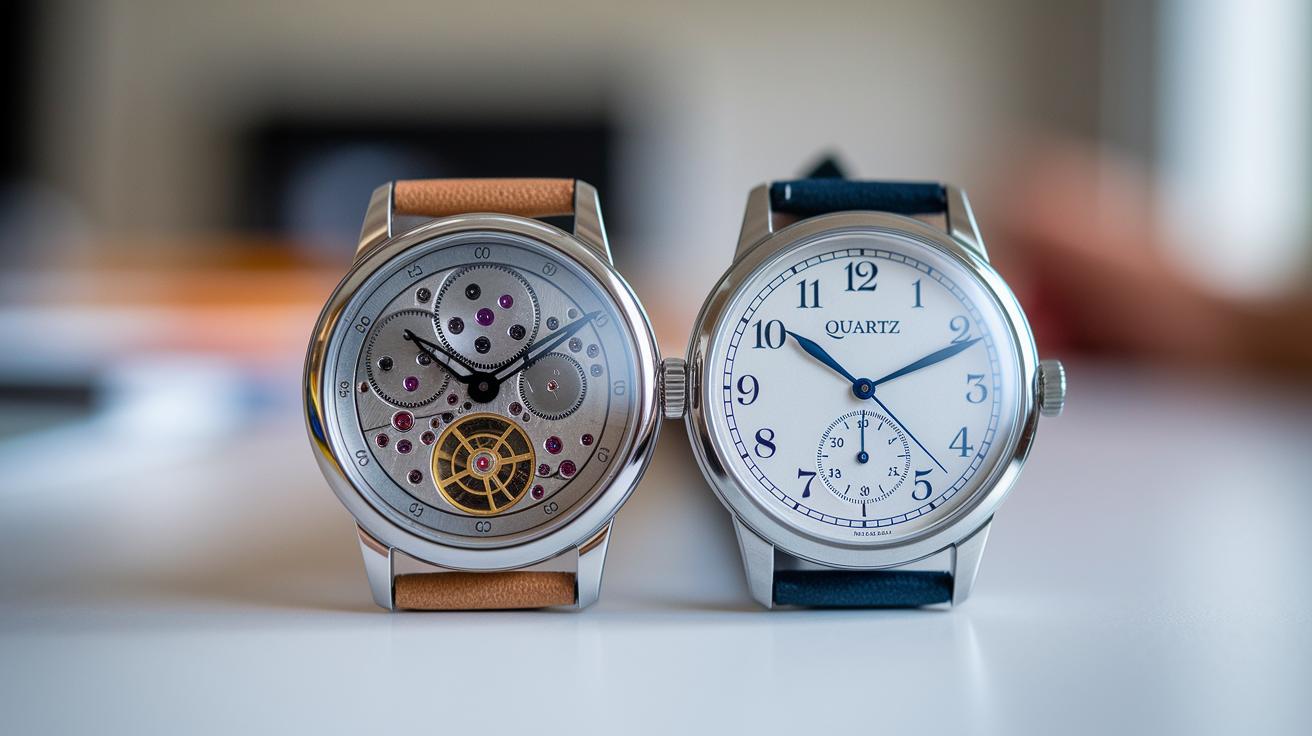
When comparing how a watch moves, there is a clear difference between mechanical and quartz models. Mechanical watches use many gears and springs to keep time, while high-end quartz watches rely on fewer parts and a battery to tick with smooth precision.
Mechanical tests check for steady movement, but quartz watches impress with their instant accuracy. Both types undergo several assessments to ensure they run well every day. For example:
- COSC Certification: The watch must stay within a range of plus 6 or minus 4 seconds per day over a 10-day period under set conditions.
- METAS Magnetic Testing: This test puts the watch in different magnetic fields (areas that might disrupt normal function) to see if it keeps accurate time.
- METAS Thermal Testing: The watch is exposed to changing temperatures to confirm that it still works reliably even when it is hot or cold.
- Overall Accuracy Evaluation: These tests work together to make sure the watch maintains steady time during everyday wear.
Extra features, like stopwatches or other timing tools, also get special attention. Reviewers check that these added functions work smoothly with the basic timekeeping. Environmental tests are important too. Watches are put through situations that mimic real life, such as shocks, quick falls, or very cold days. Each test shows if the watch can handle unexpected bumps and temperature swings while keeping time precisely. This attention to detail brings together both style and performance in a way you can trust.
Craftsmanship & Finishing Detail Inspection

A luxury watch truly shows its worth through expert finishing. Skilled watchmakers polish, brush, and bevel each surface to create a smooth, clean look. They remove rough edges and ensure every small detail is perfect, because even the tiniest flaw can affect the overall quality.
Polishing & Bevel Techniques
Inspectors make sure every edge is even and free of blemishes. They use micro-polishing (a method to smooth tiny imperfections) to give the metal a uniform shine. Consistent bevels help the light play across the case, much like how a smooth stone feels under your fingertips.
Dial & Case Detailing
Watch dials come alive with clear markers, detailed patterns, and neatly aligned indices. The case is checked for smooth transitions and clean edges. Hand-engraved logos add a unique touch, showing that the watch is not just a timekeeper but also a piece of art.
Every careful detail in the finishing process boosts the watch's overall rating, proving that true craftsmanship makes a luxury watch exceptional.
Brand Heritage & Reputation’s Role in Ratings

Brand legacy is a big factor in luxury watch ratings. Watchmakers with over 100 years of experience earn trust for their steady quality and fresh ideas. A brand's past adds a story to each watch, giving it extra value beyond just looks and function.
- Rolex Datejust – Its classic design and strong reputation make it a symbol of enduring style.
- Omega Speedmaster – With a history tied to space, this watch shows tech success and daring spirit.
- Patek Philippe Calatrava – Known for careful craftsmanship and a long history of refined design.
- Audemars Piguet Royal Oak – Blends bold style with traditional watchmaking skills.
- Tag Heuer Carrera – Its racing roots and precise engineering reflect years of sports timing heritage.
Swiss quality checks boost a brand's reputation even more. Workshops in Switzerland use in-house machines and strict tests to ensure every watch is precise. Extra independent certifications confirm that the watch not only performs well but also holds its value over time. This careful process helps buyers know that the watch carries a rich history and meets modern standards.
Exclusivity, Rarity & Market Valuation Impact
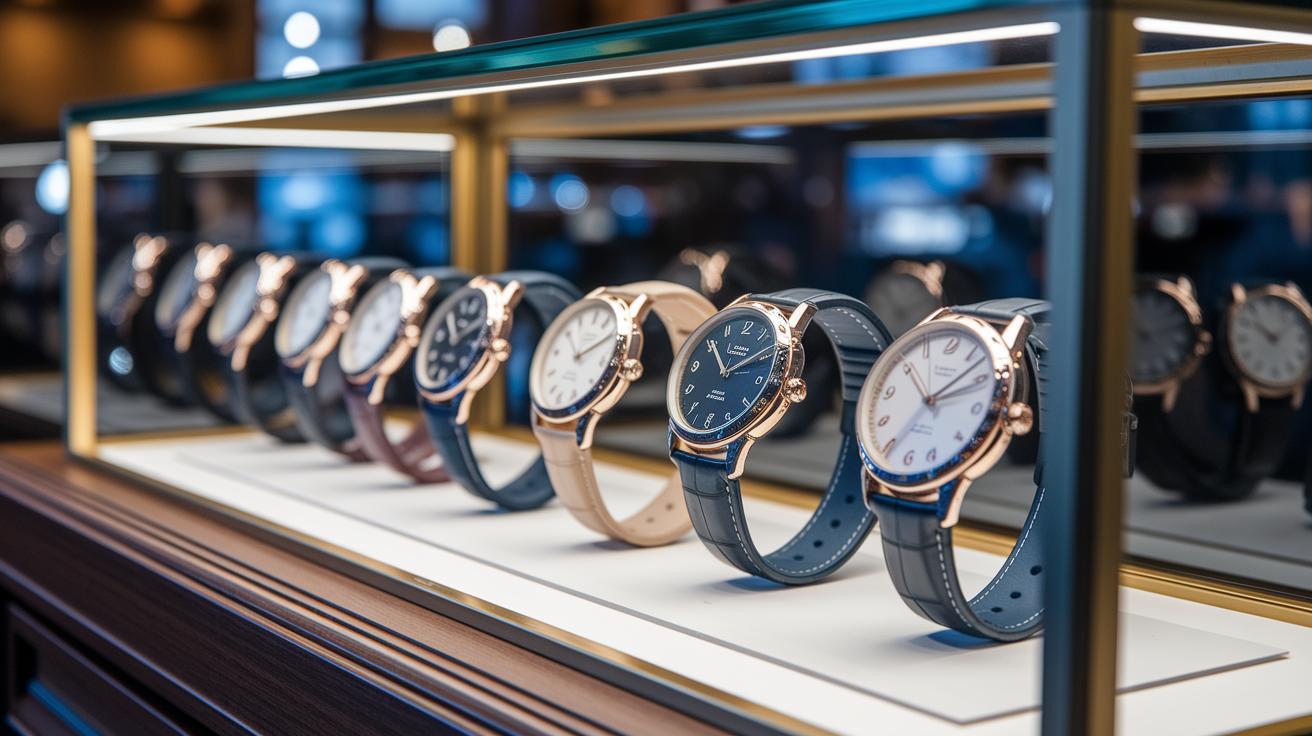
Watches that come in limited runs or as numbered editions grab collectors' attention. Fewer pieces on the market make them more appealing to buyers. This scarcity can help investment-grade watches hold their original price or even go up in value over time. The trend is driven by both current market forces and the simple charm of owning something rare.
- Production volume: Fewer pieces make a watch more collectible.
- Brand reputation: Well-known names create extra buzz.
- Condition: Well-kept watches tend to sell for more.
- Provenance: A clear history and certified authenticity boost value.
All these factors work together to shape a watch's market value. Experts look at how limited the supply is, current buyer demand, visible wear, and service records. This full picture helps them gauge a watch's long-term investment potential.
After-Sales Service & Authenticity Verification Criteria

When you buy a watch, its service network matters a lot. You need to know that trusted service centers are ready to help if anything goes wrong. These centers make sure repairs use real parts and proper techniques, which adds value to your purchase.
Here is what to check:
- Serial verification: Confirm the watch's unique number matches the brand's records.
- Hallmarks inspection: Check the metal stamps and engravings to be sure the material is genuine.
- Expert appraisal: Let a professional verify the watch's movement (how it runs) and overall build quality.
A good warranty does more than cover repairs. It also gives advice on regular maintenance, which can cost a lot if done by unapproved centers. Keeping detailed records of service history helps you see how reliable the watch is. When global service centers back a warranty, you get consistent help and fewer surprise costs. This support protects your watch's value over time.
Reliable after-sales service combined with solid authentication steps means your luxury watch can keep performing well and looking great for years.
Final Words
In the action, we broke down how luxury watch ratings work. We covered premium materials, precise movements, fine craftsmanship, rich brand heritage, rarity, and after-sales support. Each section provided real-world tests and clear examples that show what criteria determine luxury watch ratings.
We simplified complex tests and certifications to help you decide confidently. A deep dive into these factors gives you the insight needed for a smart purchase that fits well and lasts. Enjoy choosing a watch that matches your style and standards.
FAQ
Q: What criteria determine luxury watch ratings reddit?
A: The luxury watch ratings are based on premium materials, movement precision, design details, brand heritage, after-sales support, and market valuation. These factors combine to reflect overall quality and authenticity.
Q: How are watch brands ranked by prestige and price for 2025?
A: Watch brand rankings consider material quality, precision movements, artisanal craftsmanship, heritage, and market pricing trends. This method helps create tier lists and price-based comparisons for a clear brand ranking.
Q: What are the levels of luxury watches?
A: The levels of luxury watches range from entry-level luxury timepieces to ultra-prestige, high-end collectibles. These tiers depend on factors like materials used, movement complexity, brand history, and exclusivity.
Q: What are red flags in luxury watch sales?
A: Red flags in luxury watch sales include deals that seem too low, lack of proper documentation, visible wear or misaligned details, and inconsistent serial numbers. These issues may indicate authenticity or quality concerns.
Q: Why do Navy Seals wear Rolex watches?
A: Navy Seals wear Rolex watches because they offer reliable timekeeping, sturdy build quality, and superior precision. They are designed to withstand harsh conditions while remaining functional in high-pressure environments.
Q: What are the three holy grail watches?
A: The three holy grail watches often cited among enthusiasts include the Rolex Daytona, Patek Philippe Nautilus, and Audemars Piguet Royal Oak. These models are prized for their design excellence, scarcity, and iconic status.