

Quick Verdict: Sustainable fashion is a smart way to dress that helps the planet and treats workers fairly.
Why We Care: We want our clothes to do more than just look good. This style helps cut waste, save water, and support fair work practices.
What Is It? Sustainable fashion means making clothes using green materials. For example, organic cotton (grown without harsh chemicals) and recycled fibers. These fabrics feel gentle on your skin and hold up longer over time.
In Short: By choosing sustainable fashion, you keep your style fresh while doing something good for the earth and the people who make your clothes.
Understanding Sustainable Fashion: Chic Eco Appeal
Sustainable fashion means making clothes and accessories with care for the planet and the people who make them. It takes everyday style and turns it into a smart, responsible way to dress. This method uses green materials and smart techniques (like recycled polyester, which uses up to 30% less energy by turning old bottles into new fabric) to cut water use, reduce waste, and lower carbon emissions.
It’s also about treating workers fairly. Brands that follow sustainable methods use ethical practices to ensure safe working conditions and fair pay at every step, from growing organic cotton to finishing the garment. This way, both nature and people get the respect they deserve.
Sustainable fashion is built to last in today’s competitive market. Brands balance great design with clear, honest practices by choosing eco-friendly materials like organic cotton, recycled fibers, or biodegradable fabrics that save water and cut harmful chemicals.
In short, sustainable fashion isn’t just a trend. It mixes care for the environment, fair treatment for workers, and smart business practices to help you build a wardrobe that is stylish and responsibly made.
Sustainable Fashion vs. Fast Fashion: Environmental and Social Impacts
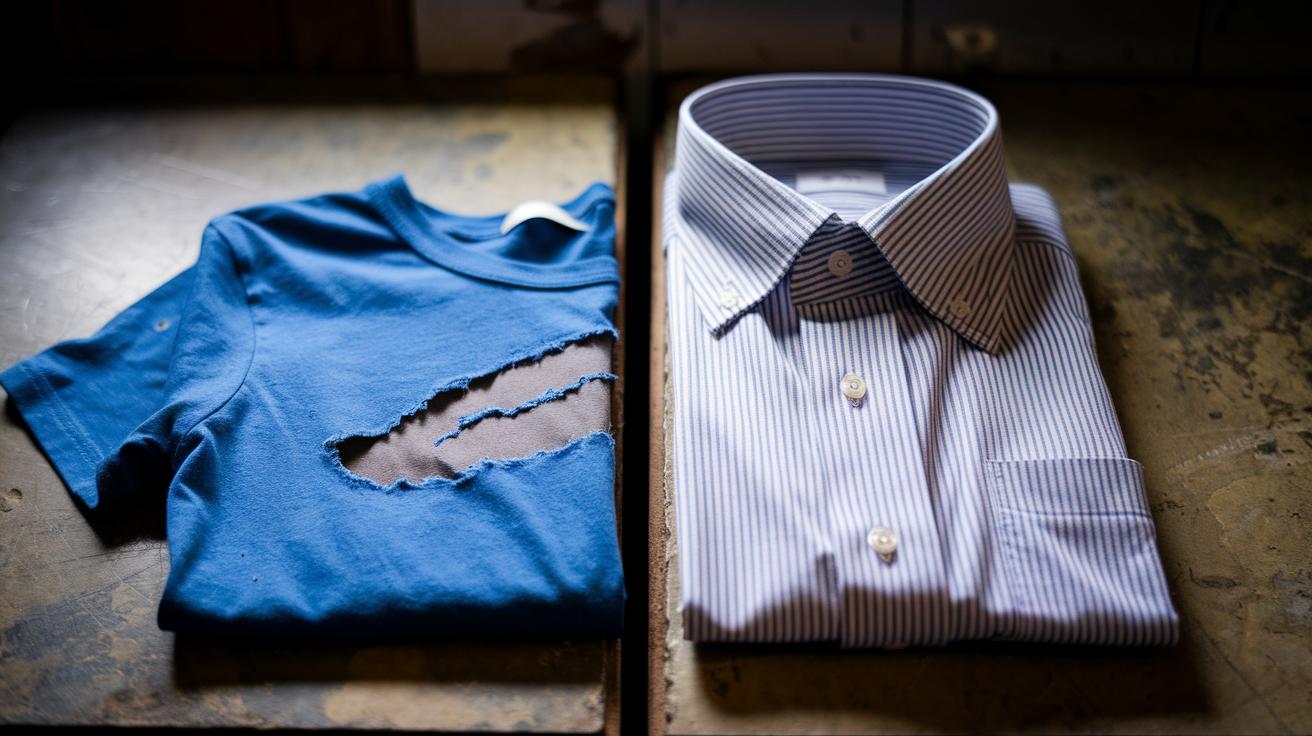
Fast fashion is all about quick trends and cheap, throwaway clothes. This approach uses our resources fast. For example, the textile industry alone puts out about 10 percent of the world's carbon emissions. Making these clothes uses up trillions of liters of water every year and leaves behind tons of waste. Think about a T-shirt that costs only a few dollars. Even though it's cheap to buy, its production uses a lot of water and creates heaps of waste, putting pressure on our environment and communities.
On the other hand, sustainable fashion takes a slower, more thoughtful path. It focuses on making clothes that last and are produced in fair ways. Brands that use sustainable methods try to lower their carbon footprint by wasting less and using less water. They use eco-friendly materials and care about workers' rights throughout the process. For instance, a brand that uses recycled fibers or organic cotton reduces water use and cuts down on harmful chemicals. This not only benefits the planet but also supports better conditions for workers.
Sustainable Fashion Materials: Eco-Friendly Fibers and Textiles
Eco-friendly fabrics help cut down on the harm that fashion does to our planet. When we use natural textiles, we save water, lower energy use, and even protect soil quality. Organic cotton is a good example. It grows without harsh chemicals, which means it uses less water and helps keep local plants and animals safe.
Recycling polyester from old clothes or bottles can drop production energy by up to 30%. This process uses waste instead of new raw materials and helps decrease landfill buildup. Hemp is another smart pick. It grows fast, needs few chemicals, and even helps refresh the soil where it grows. Then there are biodegradable fabrics that break down naturally, which means they don't pile up in landfills. Linen, made from the flax plant, offers a strong, breathable fabric that doesn’t need a lot of water.
These materials not only save water and energy but also help the soil and reduce chemical use around us. More eco-friendly brands are choosing these fibers to make clothes that look good and are gentle on the Earth.
Below is a quick reminder of the main eco-friendly materials used in sustainable fashion, along with their key benefits:
- Organic Cotton: Grown without pesticides, uses less water, and supports local biodiversity.
- Recycled Polyester: Made from repurposed materials, saves energy, and cuts down on waste.
- Hemp: Needs minimal chemical treatment, boosts soil health, and is very durable.
- Biodegradable Fabrics: Break down naturally to reduce landfill waste and are kinder to the environment.
- Linen: Made from flax, uses little water, and is naturally breathable and strong.
By choosing these renewable fabrics, the fashion world can lessen its overall carbon footprint and help create a more sustainable future for everyone.
Ethical Practices in Sustainable Fashion Production
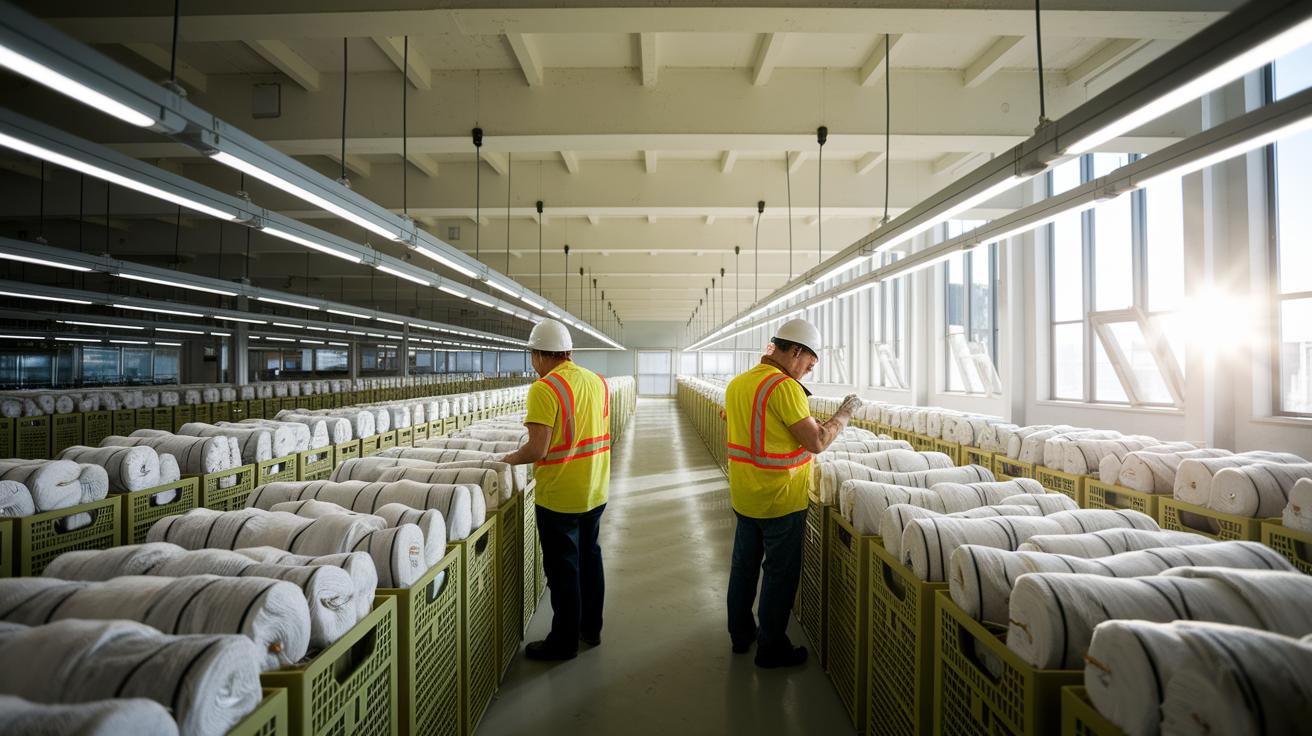
Ethical production in sustainable fashion means taking care of both people and the planet. Every step in making a garment supports fair work conditions, smart material choices, and low-impact manufacturing. For example, many brands choose organic cotton that is grown using eco-friendly methods to lessen environmental harm.
Fair labor practices mean workers have safe workplaces, set hours, and fair wages. One factory even uses clear wage rules and safe work settings to meet fair trade standards.
Clean production methods cut back on harmful chemicals and stop toxic runoff from polluting water. Certifications like Fair Trade and GOTS show that these products follow strict ethical and eco-friendly guidelines.
Key practices include:
- Responsible sourcing: Choosing materials from low-impact processes.
- Fair labor: Ensuring safe conditions, proper hours, and fair pay.
- Clean methods: Using eco-friendly processes to reduce environmental impact.
Circular Economy in Sustainable Fashion: Reducing Waste
Circular fashion means changing how we view and use our clothes so they last longer and stay useful. Today, brands use methods like recycling, upcycling, take-back programs, and rentals to give garments a longer life. Recycling transforms old fabrics into new materials, which means we need fewer new resources. Upcycling takes leftover scraps and turns them into unique, one-of-a-kind pieces. With take-back programs, you can return old clothes for repair or recycling. Rental models let you wear a variety of high-quality items without buying, which cuts down on waste and production.
Designers also use zero waste techniques. They plan cutting patterns carefully to use as much fabric as possible. This approach lowers the need for raw materials and keeps more clothes out of landfills.
| Circular Strategy | Impact |
|---|---|
| Recycling | Cuts down on landfill waste and saves new material resources. |
| Upcycling | Turns scraps into unique designs, making clothes last longer. |
| Take-back Programs | Lets you send back old items to be fixed or recycled. |
| Rental Models | Reduces waste by sharing garments for short-term use. |
How to Support Sustainable Fashion: A Consumer’s Guide

Our choices at the store really matter. When you pick items from certified eco-friendly brands or invest in pieces built to last, you encourage companies to adopt more responsible practices. For example, selecting a jacket made with organic cotton or recycled materials not only gives you a quality piece but also helps save water and reduce harmful chemicals.
Building a capsule wardrobe is a smart way to cut down on waste. By planning a set of versatile pieces that mix and match, you avoid snap decisions that lead to unnecessary purchases. A small, reliable collection makes everyday dressing easier and keeps your closet clutter-free.
Even the little details count. Check the packaging and trim choices on your clothes. Brands that use minimal or recycled packaging are taking steps to lower their impact on the environment.
Here are some simple tips to support sustainable fashion:
- Choose certified eco-friendly brands to ensure your pieces are responsibly made.
- Build a capsule wardrobe with versatile, long-lasting items.
- Plan your outfits ahead of time to avoid impulse buys.
- Look for minimal or recycled packaging to shrink your environmental footprint.
- Care for your clothes the right way so they last longer.
Shopping with intention helps create clearer supply chains and a market that values both style and the planet. If you need more tips on sustainable fashion, plenty of resources are available to guide you.
Final Words
In the action, we broke down what is sustainable fashion by examining eco-friendly fibers, ethical production, and circular economy models that cut waste. We shared practical tips on cautious buying and building a long-lasting wardrobe that balances style with responsibility. Each section offered clear, honest insights into reducing impacts and making smarter choices. This guide is here to help you shop with confidence and feel good about every piece you add to your collection. Enjoy the journey toward a more thoughtful wardrobe.
FAQ
Q: What is sustainable fashion?
A: Sustainable fashion means creating apparel in ways that cut environmental harm and boost social fairness by using eco-friendly materials, ethical manufacturing, and transparent supply chains.
Q: What are examples of sustainable fashion practices?
A: Sustainable fashion practices include using organic or recycled materials, fair labor production, circular economy methods like take-back programs, and designing for longer-lasting style.
Q: Why is sustainable fashion important for the environment?
A: Sustainable fashion lowers carbon emissions, cuts water use, reduces waste, and supports ethical production, all of which help protect natural resources and local communities.
Q: What defines sustainable fashion brands?
A: Sustainable fashion brands focus on eco-friendly materials, ethical production, and transparency, creating garments that minimize environmental impact while upholding social responsibility.
Q: How do slow fashion and fast fashion differ?
A: Slow fashion values quality and ethical production for long-lasting wear, while fast fashion favors quick, low-cost production that often leads to higher waste and negative social impacts.
Q: What are the 5 C’s of sustainability?
A: The 5 C’s of sustainability often cover concepts like conservation, collaboration, community impact, cost efficiency, and circularity, guiding ethical production and mindful consumption in fashion.
Q: What are the 7 Rs of sustainable fashion?
A: The 7 Rs include refuse, reduce, reuse, repair, recycle, rethink, and respect. These principles help guide choices that minimize waste and promote responsible production and consumption.
Q: Can sustainable fashion include items like dresses, t-shirts, and suits?
A: Yes, sustainable fashion covers a wide range of items including dresses, t-shirts, and suits, all made using eco-friendly materials and ethical practices to lower environmental impact.
Q: Where can I find sustainable fashion PDF resources?
A: Sustainable fashion PDFs provide in-depth data, guidelines, and case studies on eco-friendly practices and can be found on reputable sustainability and fashion industry websites.