

Quick verdict: A well-made, inexpensive tee can last longer than a pricey one.
Ever notice how some clothes stay fresh no matter how many times you wear them? It isn’t all about the price tag. A low-cost tee built with strong fibers and a tight weave can actually beat more expensive versions when it comes to durability.
Tests confirm that a budget shirt, when crafted right, can handle lots of washes without losing its shape or texture. In this post, we dig into the fabric secrets and construction methods that give clothing its lasting strength.
Smart design really does win over a hefty price tag when it comes to staying sharp wash after wash.
3 what makes clothing durable: Lasting quality
Durability in clothing means your favorite shirts and trousers can handle lots of wear and repeated washes without breaking down. It stays looking sharp and holds its shape even after many uses. Tests show that some garments priced under £10 ($12) can work just as well as items costing up to £150 ($188). In a March 2023 poll, people said they expected a £10 t-shirt to last around 26 washes, while a £100 tee should last about 42 washes.
Many assume a higher price guarantees longer life, but that isn’t always the case. Smart material choices and careful construction can make even budget-friendly options surprisingly tough. For more details on how real-life results match up with expectations, take a look at the clothing quality vs price guide (https://jankreviews.com?p=1611).
Long-lasting pieces also depend on quality fibers, clever fabric design, and strict production methods from design to final stitch. Clothes made with extra care for seams and secure finishes handle everyday wear much better. And remember, following the right care steps, like proper washing, helps your clothes stay in top shape over time.
Fabric and Weave Techniques for Durable Clothing
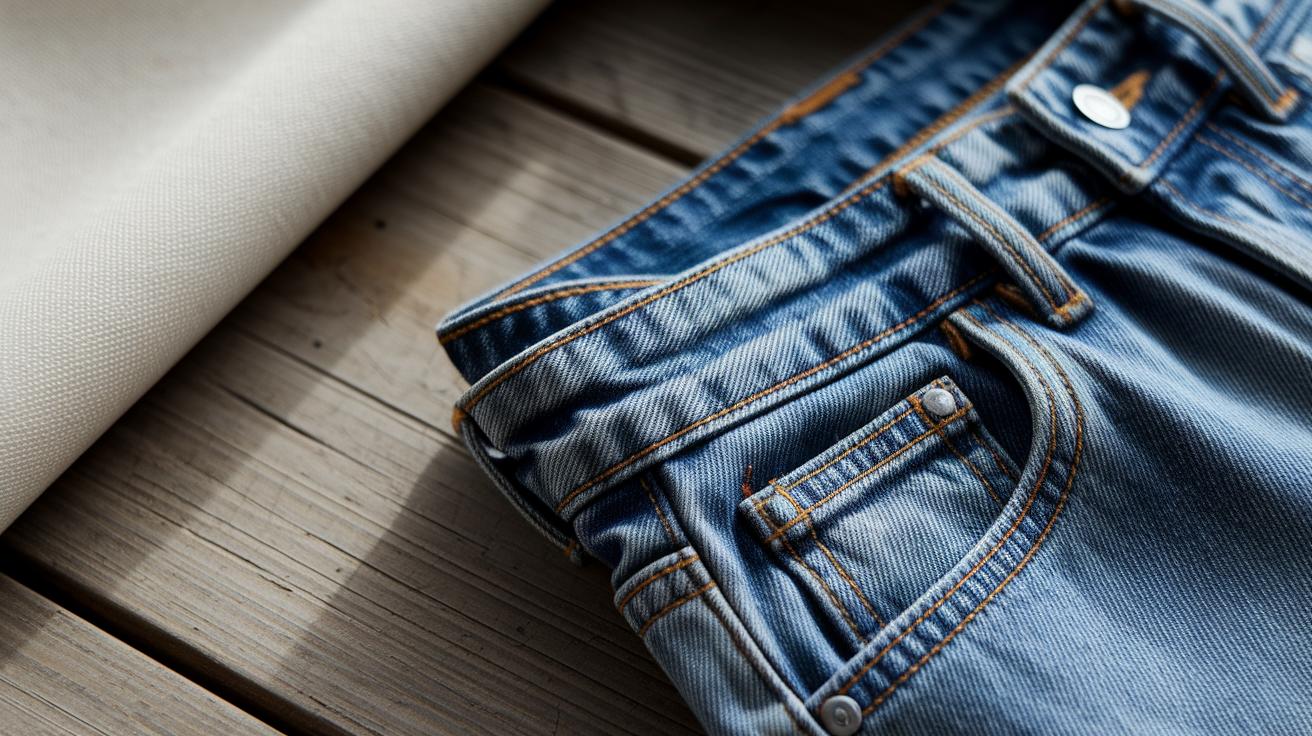
Clothes that last start with tightly packed fibers. When the fibers are close together, there are fewer gaps and the fabric holds up better against everyday wear, washes, and tough conditions.
Twill Weave: The Resilient Diagonal Pattern
Twill weave uses an over-under twist to create a clear diagonal rib. This structured pattern makes the fabric stronger and helps it resist wrinkles and stains. It also hides minor flaws, which is why you often see it in denim and chinos that need to be both comfy and durable.
Canvas Weave: Basic Yet Tough Fabric
Canvas weave is built with a simple plain design and a high thread count. This tight arrangement holds the fabric together under stress, making it great for workwear and upholstery. Even with heavy daily use, garments made from canvas weave keep their shape.
Ripstop Weave: Built to Stop Tears
Ripstop weave adds thicker threads at regular intervals to form a crosshatch pattern. These reinforced spots stop small tears from spreading, making the fabric a dependable choice for items like technical outerwear that face a lot of strain.
| Weave Pattern | Durability Feature | Common Uses |
|---|---|---|
| Twill | Diagonal rib boosts strength and repels stains | Denim, chinos |
| Canvas | High thread count maintains form under stress | Workwear, upholstery |
| Ripstop | Reinforced spots stop tears from enlarging | Technical outerwear |
Stitching Strength and Seam Quality in Durable Clothing
Durable clothes need strong internal stitching to keep seams tight and stop fraying. Overlocked seams (where the fabric edge is covered with extra thread) or bound-edge seams add a layer of protection. Designers also use bartack stitching (short, tight stitches at stress points) and backstitching (a sturdy, overlapping stitch) to make sure that every join holds up under daily wear. They focus on reinforcing high-stress spots so the fabric stays together, even after many washes.
Good hardware is just as important as sturdy stitching. Buttons, zippers, and other fasteners are attached securely using reliable methods that check each component for strength. Every step in production goes through strict quality checks to ensure that everything from seam reinforcement to hardware assembly meets high standards. This careful approach means every detail contributes to a garment that lasts and holds up wear after wear.
Performance Testing for Durable Clothing Standards

Performance testing shows if clothes can handle daily wear and tear. In simple terms, these tests check if fabrics stand up to everyday stress like stretching, repeated washes, and friction. Research from the University of Leeds, for example, found that high-priced women's jeans often hold up better than some cheaper options.
By mixing lab tests with real-life trials, experts see how fabrics react to things like rubbing, pulling, and washing. They test if the fabric starts to pill (tiny balls forming on the surface) or fade, and if it keeps its strength over time. This careful testing helps brands meet strict quality rules and new EU guidelines that require clothes to be repairable and recyclable.
Key tests include:
- Abrasion Resistance: Measures how well the fabric holds up against rubbing (using tests like Martindale or Wyzenbeek).
- Tensile Strength: Checks if the fabric can stretch without breaking.
- Pilling Resistance: Looks at whether fibers clump together and form fuzz balls.
- Wash-Cycle Durability: Tests the garment through multiple machine washes to see if it keeps its shape.
- Colorfastness and Fade-Resistance: Evaluates if the fabric’s dye stays bright, even after many washes.
These tests give clear, measurable details that help both manufacturers and buyers choose clothing that lasts.
Care Strategies to Extend Durable Clothing Lifespan
Keeping your clothes in good shape starts with the right care. Air drying is a smart choice because it is gentler than using a dryer, which can wear out fabric fibers. Always check the care label and wash only when needed to keep colors bright. Turning clothes inside-out before washing helps protect any prints. Stick to gentle detergents and avoid high heat. For example, treated well, your jeans might last 8 to 10 wears.
After each wash, take a minute to inspect your garments. Look for loose threads, tiny tears, or frayed seams. Fixing these small issues right away can stop them from becoming bigger problems. A little upkeep goes a long way by saving money and keeping your wardrobe ready for everyday wear.
Sustainable Innovations Advancing Durable Clothing

EU rules now require clothes to be made so you can fix or recycle them. This means brands have to think about the whole life of a garment. They design pieces that can be mended and updated instead of thrown away. The new rules make sure clothes not only look good but can handle daily wear and environmental stress.
Manufacturers are trying new ideas with mixed materials. They use sturdy coatings that resist scrapes and finishes that keep fabrics looking neat. They also add extra strength with woven parts that hold up well over time. Many of these fabrics include recycled fibers, so they are kind to the environment while staying tough.
Big brands are already showing off these changes. They mix recycled materials with strong, modern textiles that face everyday challenges. By focusing on both style and lasting quality, these companies prove that you can have clothes that work for both you and the planet. Check out what is sustainable fashion to see more details about how these fabric advances are changing the scene.
Final Words
In the action, we broke down key factors, from fabric choices and weave techniques to stitch quality and performance testing. We also shared care strategies that help keep garments in top shape. Sustainability innovations and thoughtful design are pushing the industry to build better pieces. All of this helps you understand what makes clothing durable. Enjoy smart choices that save you time and money while building a wardrobe that truly fits your lifestyle.
FAQ
What is the most durable fabric for clothing?
The most durable fabric is one that uses high-quality fibers with tight weaves like canvas, twill, or ripstop. These fabrics resist wear and can handle frequent cleaning.
What makes clothes durable?
Durability in clothes comes from quality fiber selection, sturdy weave techniques, precise stitching, and rigorous production methods that let garments withstand repeated use and washes.
What is the rule of 7 in clothing?
The rule of 7 in clothing is an informal guideline stating that a quality garment should hold up through about seven regular use and wash cycles before showing significant wear.
Is there an indestructible fabric?
No fabric is completely indestructible. Even the strongest materials can eventually break down under extreme conditions or improper care.
What is the 3-3-3 rule for clothing?
The 3-3-3 rule suggests that a well-made garment should perform well over three seasons, withstand at least three washing cycles between wears, and last for about three years with proper maintenance.